
Notes
Lesson Two - created from Mind Map
Content of the notes (1)
Page 1
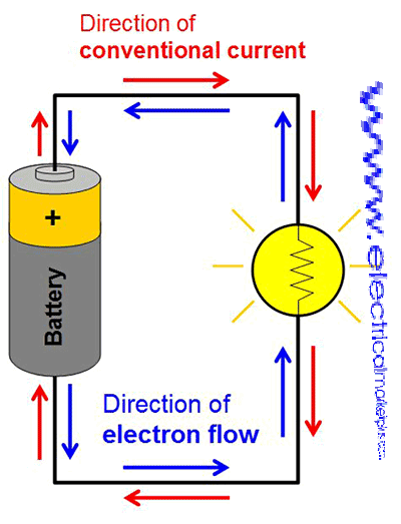
Electric current (E.C) is the flow of electric charge (E.ch) in free electrons form
Conventional current flow - From positive (+) to negative (-)
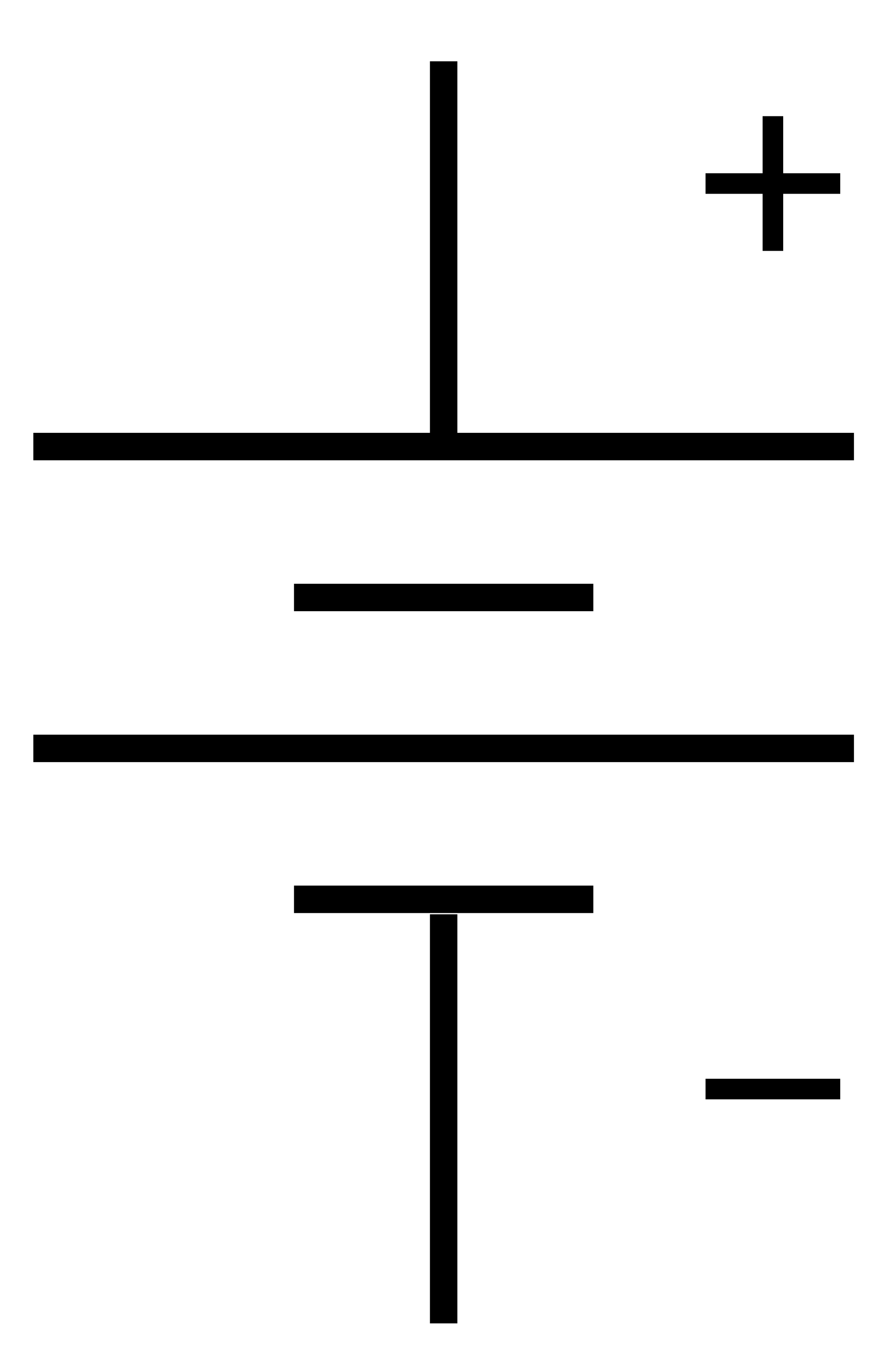
Ability of a charged particle to do work is an electric potential. Two unlike charges - Difference of potential.
P.D referred to as voltage (V) A constant voltage called a DC voltage. AC voltage alternates with time
Resistance is opposite to current flowing around an electrical circuit.
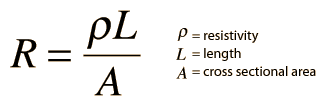
Length of the material: Resistance of a material is directly proportional to its length. The longer the material the more resistance it has.
E.C of one ampere (A) flows in a circuit when a charge of one coulomb passes a point in 1/s.
Constant current: I Time-varying current: i
Alternating current (AC), interchanges between a positive and negative direction with time. Direct current (DC), is current that is fixed in a constant direction.
Mathematically, I (A) = Q (C)/t(s)
P.D between two points is one V if one J of work is done displacing one C of charge. The SI unit of potential difference is the volt (V).
potential difference is given as: V (volts) = W (joules) / Q (coulombs).
Resistors are passive devices.
The SI unit of resistance: Ohm
Cross-sectional area: Resistance of a material is indirectly proportional to its area. The thicker the material is the less resistance it has.
Information
- Description
- audiology Note on Lesson Two - created from Mind Map, created by Saeed Rashid on 20/12/2016.
- Created by
- Saeed Rashid
- Views
- 0
- History
-
- Created by Saeed Rashid · Dec 20, 2016
- Copied to Note by Saeed Rashid · Dec 20, 2016
- Rating