
Notes
Chemistry Module C1: Air Quality
Content of the notes (1)
Page 1
The Atmosphere
The atmosphere is a thin
layer of gases around the Earth made up from…
• 78% nitrogen
• 21% oxygen
• 1% argon
• Small amounts of water vapour, carbon
dioxide and other gases.
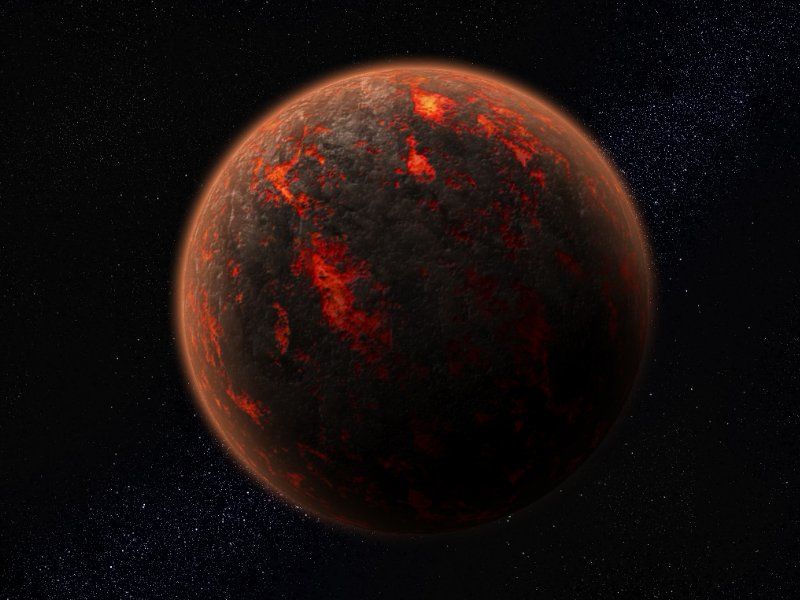
Scientists believe it formed due to large amounts of
volcanic activity on Earth a long time ago, therefore the atmosphere was mostly
carbon dioxide and water vapour. Eventually the Earth cooled and water vapour
became our oceans, allowing microscopic organisms to form which produced oxygen
and removed carbon dioxide.
What the Earth might have looked like during volcanic activity which produced large amounts of carbon dioxide and water vapour.
Pollutants
Pollutants are chemicals which damage the environment and,
indirectly, humans. Pollutants can be formed when we burn fossil fuels such as
in our cars, and power stations. Other examples of pollutants are…
• Carbon
dioxide – traps heat in the Earth’s atmosphere (a greenhouse gas)
• Nitrogen
oxides – causes acid rain, creates breathing problems
• Sulphur
dioxide – causes acid rain
• Carbon
monoxide – prevents blood from carrying oxygen
• Particulates
– makes things dirty, creates breathing problems
Pollutants cannot just disappear from the atmosphere, they
have to go somewhere. This is where problems start occurring. Particulate
carbon is deposited on surfaces such as stone building which make them dirty.
Carbon dioxide stops heat from leaving the atmosphere, which contributes to
global warming. Sulphur dioxide and nitrogen dioxide cause acid rain after
reacting with water. Acid rain damages trees, corrodes metals and upsets the pH
level of rivers which causes animals and plants to die.
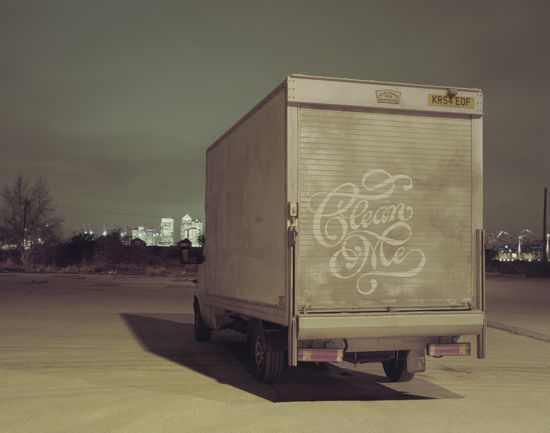
A dirty van, caused by particulates from incomplete combustion/
Chemicals
Elements are the ‘building blocks’
of everything, each is made up from the structure of tiny particles called
atoms. Compounds are where elements chemically combine to form a new substance.
For example, H2O is formed when 2 hydrogen (H) elements combine with
an oxygen (O) atom. Like Hydrogen and Oxygen, each element has its own chemical
symbol which is recognised worldwide. Reactions in these formulae can
completely change the atom structure, depending on whether they separate or join
other atoms, or even do both. Changes are usually not reversible. No atoms are
lost or created in a reaction, so the mass stays the same. The mass is
conversed.
Combinations
like H2O are shown in equations with an arrow from the reactants
(starting substances) to the products. There are word equations which clearly
show what has reacted and what the products are and there are formula equations
which show more depth into why it happens. There will always be the same number
of atoms on both sides of the equation because none are lost and none are
created.
H + O > 2H O
2
2
2
A simple balanced equation for hydrogen reacting with oxygen to produce water.
Combustion
Combustion (burning) is a
reaction between a fuel and oxygen that creates energy, such as coal and
oxygen. Oxygen usually comes from the air, but pure oxygen will give a faster
reaction. Coal is mostly carbon, so when one atom of carbon reacts with an atom
of oxygen it creates CO2.
There are two types of
combustion, complete and incomplete. Complete is when there is plenty of oxygen
for the fuel to completely burn. Hydrocarbons are formed from these reactions,
which are mainly carbon and hydrogen. They produce carbon dioxide and water
vapour only when burned in the air.
Incomplete combustion occurs when
there is not enough oxygen for all of the fuel to burn. It results in carbon
particulates or carbon monoxide being produced. Incomplete combustion most
commonly occurs in car engines; hence the exhaust is needed to remove
particulates and other dangerous chemicals which have been created.
High temperatures, such as that of a car
engine, can cause oxygen and nitrogen to react which produced nitrogen monoxide
(NO). This is then oxidised to produce nitrogen dioxide (NO2). When
they occur together, they’re called NOx.
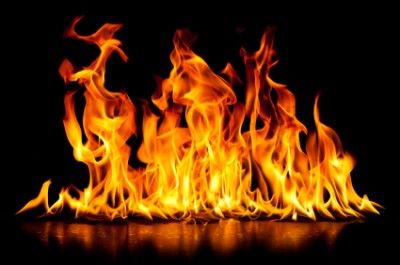
Combustion
Reducing Pollution
Some Carbon Dioxide is removed by photosynthesis in plants
and by dissolving in water. However, we produce too much carbon dioxide and cut
down trees etc. so the levels of it rise each year.
In power stations, emissions are reduced by, simply, using
less electricity. Also, sulphur and other toxic chemicals are removed from
coal, gas and oil before combustion. Sulphur dioxide can be removed from a
chimney of a power station with a process called wet scrubbing with a spray of
calcium oxide and water, or seawater. Alternatively, we should start using
renewable energy sources more such as solar, wind and hydroelectricity.
Around half of the UK’s carbon monoxide emissions come from
road transport. Emissions can be reduced by…
• Using
low-sulphur fuel in cars with new, efficient engines
• Legal
limits for exhaust emissions, tested for during MOT tests
• Installing
catalytic converters in cars to reduce toxic gas emissions
• Using
public transport
Catalytic converters replace hazardous gases such as carbon
monoxide and nitrogen monoxide with nitrogen and carbon dioxide by reacting
them with oxygen. Electricity is an alternative way to power cars, so long as
it is renewable. Biofuels could also be a solution, but it takes up lots of
valuable farmland.
Simply though, the only way to reduce emissions is to burn
less fossil fuels. This is becoming more difficult as the ever-growing world
population demands more electricity.
Think you know it all now?
Click here to take the C1 Test!
The Atmosphere
Pollutants
Chemicals
Combustion
Reducing Pollution
Information
- Description
- An overview of Chemistry Module C1 for UK GCSE.
- Created by
- James McConnell
- Views
- 1,540
- Tags
- Rating