
Flashcards
UNIT 3.4 - DOMESTIC ELECTRICITY

Cards in this deck (13)
- 1How much energy does a 100 W bulb use in 20 seconds?Energy transferred (Joules) =
power (Watts) x time (seconds)
Energy transferred = 100 x 20
Energy transferred = 2,000 W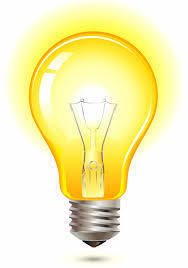
- 2The same bulb is left on for 1 hour, how much energy does it use?Energy transferred (Joules) =
power (Watts) x time (seconds)
Energy transferred = 100 x 60 x 60
Energy transferred = 36,000 W - 3What is the power of an electric fire that transfers 10,000 J of energy in 5 seconds?Power (Watts)
= energy (Joules) ÷ time (seconds)
Power = 10,000 ÷ 5
Power = 2,000 W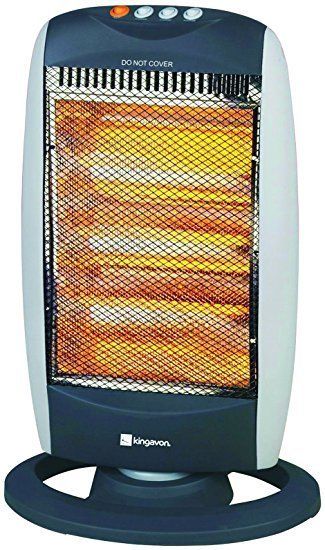
- 4A 1,500 W hair dryer is used for 5 hours in 1 week. How many units of electricity has it used and how much has it cost to use? (1 unit costs 9.4p)Units used (kWh)
= power (kW) x time (h)
Units used = 1,5 x 6 = 9 units
Therefore cost = 9 x 9.4 = 84.6p - 5A 2.2 kW dishwasher washes the dishes in 60 minutes. How many KWh of electricity has it used and much does it cost per wash? (1 unit costs 14p)Units used (kWh)
= power (kW) x time (h)
Units used = 2.2 x1 = 2.2 units
Therefore cost = 2.2 x 14 = 30.8p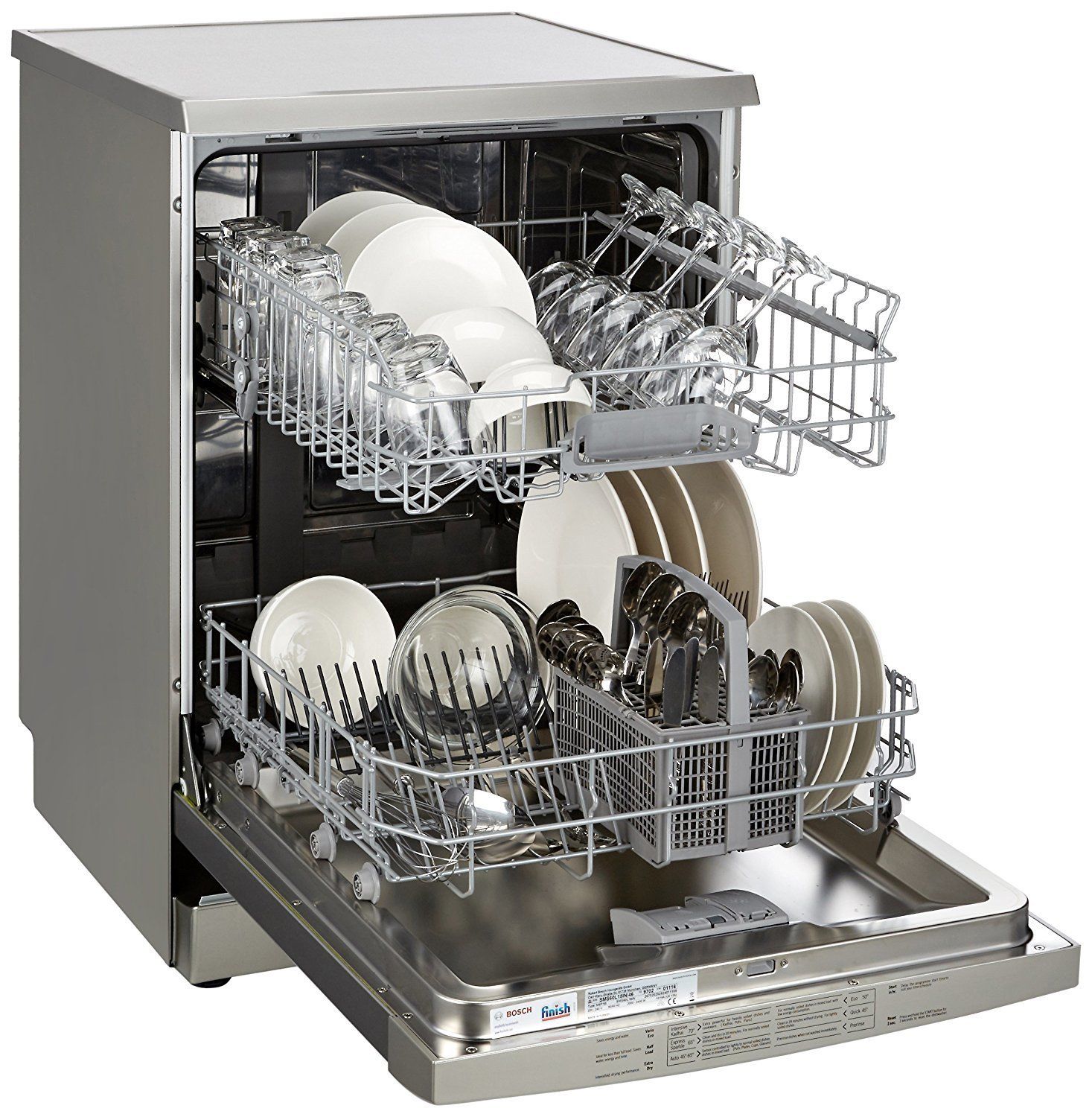
- 6An alternating current (a.c.) is one that continuously __________ direction. Mains electricity is an a.c. supply. The UK mains supply is about _____V and has a frequency of _____Hz.An alternating current (a.c.) is one that continuously CHANGES direction.
Mains electricity is an a.c. supply.
The UK mains supply is about 230V and
has a frequency of 50Hz. - 7A direct current (d.c.) has a ____________ direction. Cells and _________________ provide a d.c. power supply.A direct current (d.c.) has a CONSTANT direction.
Cells and BATTERIES
provide a d.c. power supply.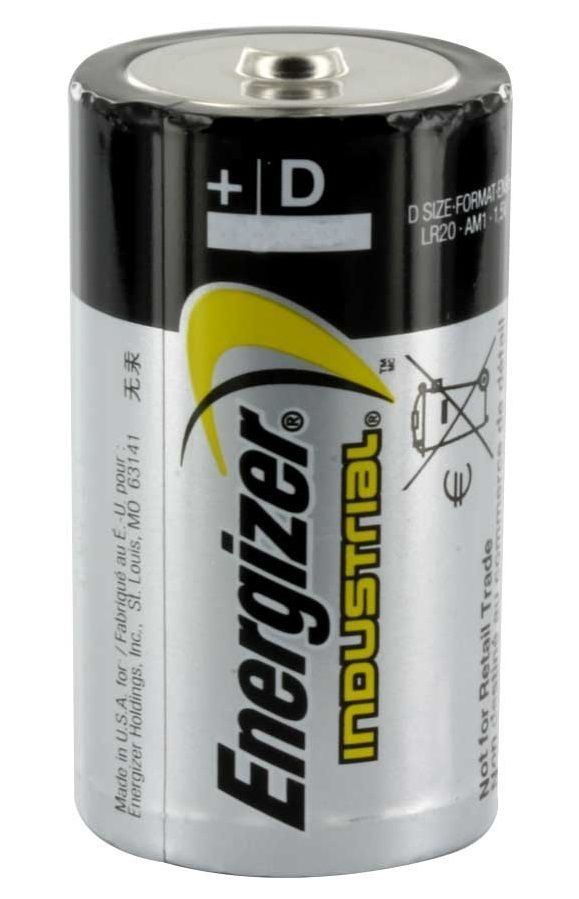
- 8The ______ in a fuse is very thin. If too large a ____________ flows due to a fault in the device, the wire becomes hot and melts which breaks the ______________.The WIRE in a fuse is very thin. If too large a CURRENT flows due to a fault in
the device, the wire becomes hot and melts which breaks the CIRCUIT.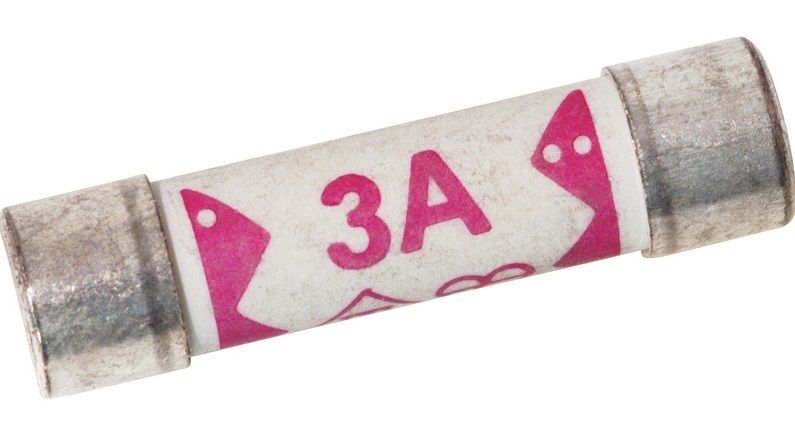

- 9Circuit Breakers automatically break a circuit when they detect the current reaches dangerous levels. Give 2 advantages of circuit breakers over fuses.Circuit breakers:
- Work much faster than fuses do.
- Can easily be re-set by a switch (unlike fuses)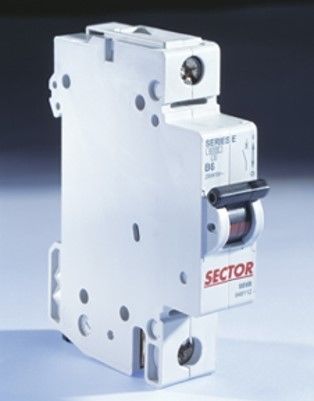
- 10Calculate the current used by an 850 W toaster running on 230V UK mains electricity. Which fuse would you choose to protect the toaster? Choose from a 3A, 5A and 13A fuse.current (Amps)
= power (Watts) ÷ voltage (volts)
current = 850 ÷ 230
current = 3.7A
Therefore a 5A fuse should be used to protect the toaster.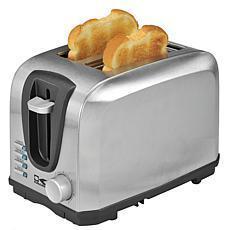
- 11Two wires supply our homes with electricity. 1. The ___________ (brown), carries the current to the house at a _______ voltage. 2. The neutral (_______), completes the circuit by carrying the current ________ at low / zero voltage.Two wires supply our homes with electricity.
1. The LIVE (brown), carries the current to the house at a HIGH voltage.
2. The neutral (BLUE), completes the circuit by carrying the current AWAY at low / zero voltage.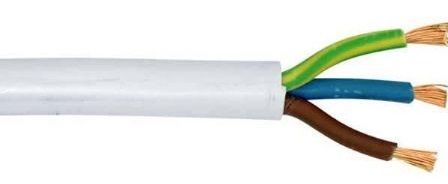
- 12There is one more wire in the home: 3. __________ (yellow and green) – is a ____________ wire which can carry current safely into the __________ if a fault develops in a metal framed appliance.There is one more wire in the home:
3. EARTH (yellow and green) – is a
SAFETY wire which can carry current safely into the GROUND if a fault develops in a metal framed appliance. - 13Describe the advantages of using a ring circuit in a house.The power sockets in a house are connected by means of a ring circuit or ring main.
In a ring circuit the live, neutral and earth wires form a loop of cable going to all of the sockets in turn.
A ring circuit connects all appliances together in parallel.
This enables 230 volts to be delivered across each appliance and also means that they can all be used independently.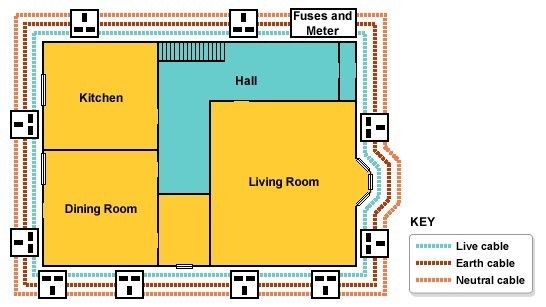
Information
- Description
- Year 11 Physics Flashcards on UNIT 3.4 - DOMESTIC ELECTRICITY, created by Mr S Lee on 29/03/2018.
- Created by
- Mr S Lee · Mar 2018
- Updated
- May 20, 2018
- Views
- 102
- Rating
More on Mains Electricity and Electrical Safety