
Quiz
Chondrichthyes
This quiz has question types that open in the usual player.
Questions in this quiz (47)
1Chondrichthyes are also known as...
- Acartilaginous fish
- Bbony fish
- Cmolluscs
- Dhagfish
2Chondrichthyes are characterized by...
- Acartilaginous skeletons
- Bteeth independent of jaw
- Cno swim bladder
- Dpelvic claspers
- Egill slits
- Fswim bladder
- Gbony skeletons
- Hsharp teeth
- Ino gill slits
3[blank_start]Subclass holocephali[blank_end] ([blank_start]ratfishes[blank_end]) have a single gill opening, bulky head, and venomous spine in front of the dorsal fin.
- ASubclass holocephali
- BSubclass Elasmobranchii
- Cratfishes
- Dguitarfish
- Esawfish
4[blank_start]Chimaeriformes[blank_end]--ratfishes--deepwater, upper jaws fused to skull, opercula
[blank_start]Rajiformes[blank_end]--guitarfish and skates--rajiform swimming, enlarged pectoral fins
Pristiformes--[blank_start]sawfish[blank_end]--long snout with numerous teeth
[blank_start]Myliobatiformes[blank_end]--sting rays, manta rays, eagle rays--swim by flapping pectoral fins- AChimaeriformes
- BLamniformes
- CHexanchiformes
- DRajiformes
- ETorpediniformes
- FSqualiformes
- Gsawfish
- Hdogfish, lantern
- Iangel sharks
- JMyliobatiformes
- KSquatiniformes
5[blank_start]Torpediniformes[blank_end]--electric rays--produce electric discharge
Hexanchiformes--[blank_start]cow sharks, frilled sharks[blank_end]--6 or 7 gill slits
[blank_start]Lamniformes[blank_end]--great white, thresher, basking--two dorsal fins, 5 gill slits
[blank_start]Orectolobiformes[blank_end]--whale, bamboo, nurse--two dorsal fins, small gill slits, 4th and 5th overlapping- ATorpediniformes
- BChimaeriformes
- CRajiformes
- Dcow sharks, frilled sharks
- Esaw sharks
- Fangel sharks
- GLamniformes
- HPristiformes
- ISqualiformes
- JOrectolobiformes
- KCarcharhiniformes
- LMyliobatiformes
6[blank_start]Pristiophoriformes[blank_end]--saw sharks--lengthened snout, two dorsal fins, no anal fin
Squaliformes--[blank_start]dogfish, lantern[blank_end]--two dorsal fins, no anal fin, 5 gill slits
Squatiniformes--[blank_start]angel sharks[blank_end]--two dorsal fins, no anal fin, pectoral and pelvic fins broad
[blank_start]Carcharhiniformes[blank_end]--hammerhead, bonnethead, blacktip reef, bull--two dorsal fins, anal fin, 5 gill slits, nictitating membrane- APristiophoriformes
- BChimaeriformes
- CRajiformes
- Ddogfish, lantern
- Eguitarfish and skates
- Fangel sharks
- Gcow sharks, frilled sharks
- Hsawfish
- ICarcharhiniformes
- JHexanchiformes
- KTorpediniformes
7Chimaeriformes, Myliobatiformes, and Lamniformes are all examples of __________ classes.
- AElasmobranch
- BShark
- COlithobranch
8Chondrichthyans all have enlarged lipid-filled [blank_start]livers[blank_end], used for [blank_start]buoyancy control[blank_end].
- Alivers
- Bswim bladders
- Cstomachs
- Dbuoyancy control
- Eenergy storage
- Ftemperature control
9Chondrichthyans use high-energy ketone bodies as metabolic substrates
- ATrue
- BFalse
10Chondrichthyans have low blood urea concentrations.
- ATrue
- BFalse
11Chondrichthyans have a [blank_start]cartilaginous[blank_end] skeleton. They [blank_start]lost[blank_end] dermal bone, [blank_start]retained[blank_end] dentine.
- Acartilaginous
- Bbony
- Clost
- Dretained
- Eretained
- Flost
12Cartilage is [blank_start]less[blank_end] dense than bone, so it assists in [blank_start]buoyancy[blank_end].
- Aless
- Bmore
- Cbuoyancy
- Ddurability
13Match the organ/adaptation to its sensory application.
Vision: [blank_start]Tapetum Lucidum[blank_end]
Electroreception: [blank_start]Ampullae of Lorenzini[blank_end] and [blank_start]Neuromast organs[blank_end]- ATapetum Lucidum
- BLateral Line
- CAmpullae of Lorenzini
- DNictitating Membrane
- ENeuromast organs
- FHyomandibula
14Which adaptation (made of guanine crystals) increases visual acuity in twilight?
- Atapetum lucidum
- Bampullae of Lorenzini
- Cnictating membrane
15Chondrichthyes initially locate prey using [blank_start]olfaction[blank_end], then identify them using [blank_start]vision[blank_end], and track them during the attack using [blank_start]electroreception[blank_end].
- Aolfaction
- Bvision
- Celectroreception
- Dolfaction
- Evision
- Felectroreception
- Golfaction
- Hvision
- Ielectroreception
16What is the nictating membrane?
- AAn opaque eyelid to protect eye when vision is no longer the primary sensory apparatus
- BAn oily membrane coating the liver to further assist in buoyancy
- CA thin membrane to protect the nostrils when olfaction is no longer the primary sensory apparatus
- DThe membrane around the embryo in Chondrichthyes
17What is hyostylic jaw suspension?
- Aupper jaw moves independently from skull, ligaments points of articulation
- Battatched palatoquadrate to skull
- Canothe name for a protruding jaw
18What are the advantages of hyostylic jaw suspension?
- Aallows for greater suction
- Bimproved precision in feeding
- Cdecreases suction
- Da funny smile
19What is an amphistylic jaw suspension?
- Aattached palatoquadrate to skull
- Bupper jaw moves independently from skull, ligaments points of articulation
- Canother name for a protrusible jaw
20Suction feeding:
- Amuscles swing hyomandibula laterally and anteriorly
- Bhyomandibular extension
- Cpalatoquadrate is protruded to limits of elastic ligaments on orbital processes
- Dprotrusion drops mouth away from head
- Edentition secialized to allow swollowing whole
21Ram feeding:
- Aprotrusion drops mouth away from head
- Bdentition specialized to allow swallowing whole
- Cmuscles swing hyomandibula laterally and anteriorly
- Dhyomandibular extansion
- Epalatoquadrate is protruded to limits of elastic ligaments on orbital processes
22Chondrichthyes teeth are attached to the jaw via:
- Acollagen
- Bcartilage
- Ccrazy glue
23Chondrichthyes predatory behaviors:
- Aroving behavior
- Bbioluminescent lures
- Csub-lethal bites
- Dsuction feeding
- Efilter feeding
24[blank_start]Roving behavior[blank_end]: swimming back and forth across prey fields ([blank_start]seal & sea lion rookeries[blank_end])
[blank_start]Bioluminescent lures[blank_end]: deep-sea sharks
[blank_start]Sub-lethal bites[blank_end]: cookie-cutter sharks
[blank_start]Suction feeding[blank_end]: carpet sharks, leopard sharks...
[blank_start]Filter feeding[blank_end]: whale sharks, basking sharks, megamouth sharks ([blank_start]convergent evolution[blank_end])- ARoving behavior
- BBioluminescent lures
- CSub-lethal bites
- DSuction feeding
- EFilter feeding
- Fseal & sea lion rookeries
- Gconvergent evolution
25Identify the specimen by common name, scientific name, and family.
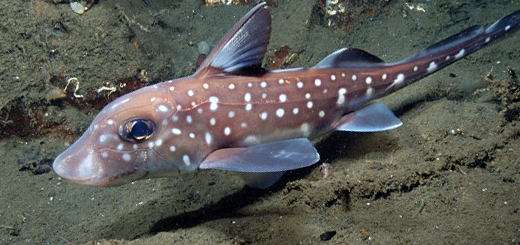
- ASpotted Ratfish
- BHydrolagus colliei
- CFamily Chimaeridae
- DFamily Carcharhinidae
- EGaleocerdo cuvieri
- FSawfish
26Identify by common name, scientific name, and family.
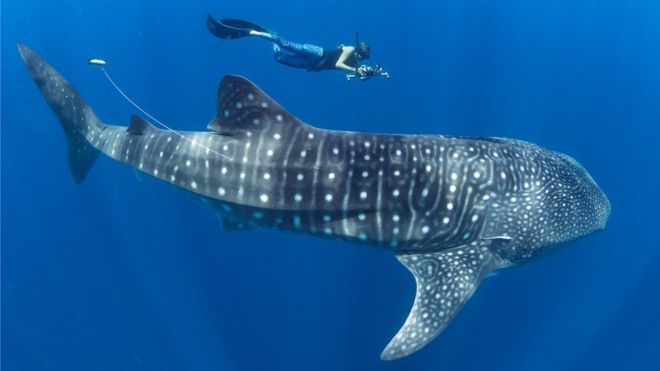
- AWhale Shark
- BFamily Rhincodontidae
- CRhincodon typus
- DFamily Carcharhinidae
- ECarcharhinus leucas
- FBlacktip Shark
27Family Chimaeridae are characterized by:
- Asingle gill opening on each side
- Bfirst dorsal fin preceded by spine
- Cshort rounded snout
- Dlong pointed caudal fin
- Ehumpback
- F2 dorsal fins
28Check all that apply to the Spotted Ratfish (Hydrolagus colliei)
- Along venemous spine
- BHabitat: soft bottoms to 500 fathoms
- CDiet: clams, crabs, shrimps, fishes
- DReproduction: oviparous
- EIUCN status: Least Concern
- FIUCN status: Endangered
- GReproduction: viviparous
29Check all that apply to the whale shark (Rhincodon typus)
- ALargest fish in the world
- BViviparous
- CRange: Circumtropical
- DDiet: plankton
- ELunate tail
- Fhumpback
- GRange: Circumglobal
- HDiet: small fishes
30Family Carcharhinidae are characterized by:
- A2 dorsal fins
- Belongate caudal fin pointed upward
- Conly 1 functional row of blade-like teeth at once
- Dvenomous spine in front of dorsal fin
- Efilter feeders
31Identify and check all that apply
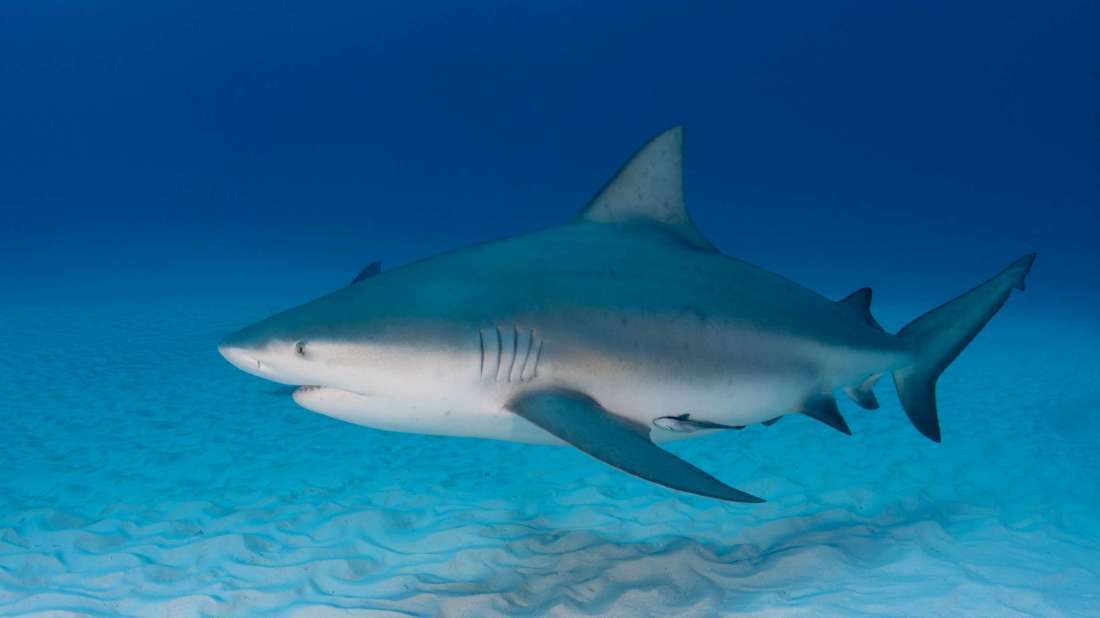
- ABull Shark
- BCarcharhinus leucas
- Cinshore, no spiracle
- DIUCN status: near threatened
- ECarcharhinus limbatus
- Fcoastal and offshore, no spiracle, tips of pelvic fins black
- GTiger Shark
32Identify and check all that apply
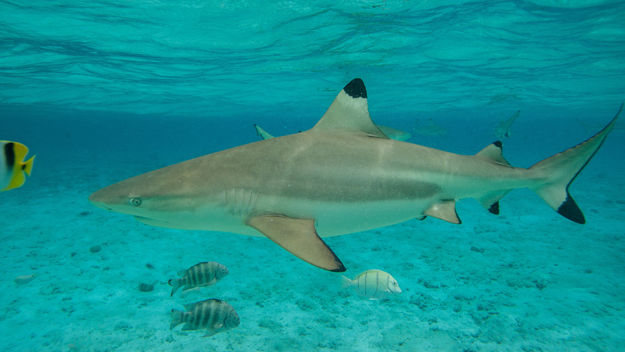
- ABlacktip Shark
- BCarcharhinus limbatus
- Ccoastal and offshore, no spiracle, tips of pelvic fins black
- Dinshore, no spiracle
- Ecoastal and offshore, dark spots forming bars, small spiracle
- FIUCN status: near threatened
- GCarcharhinus leucas
33Identify and check all that apply.
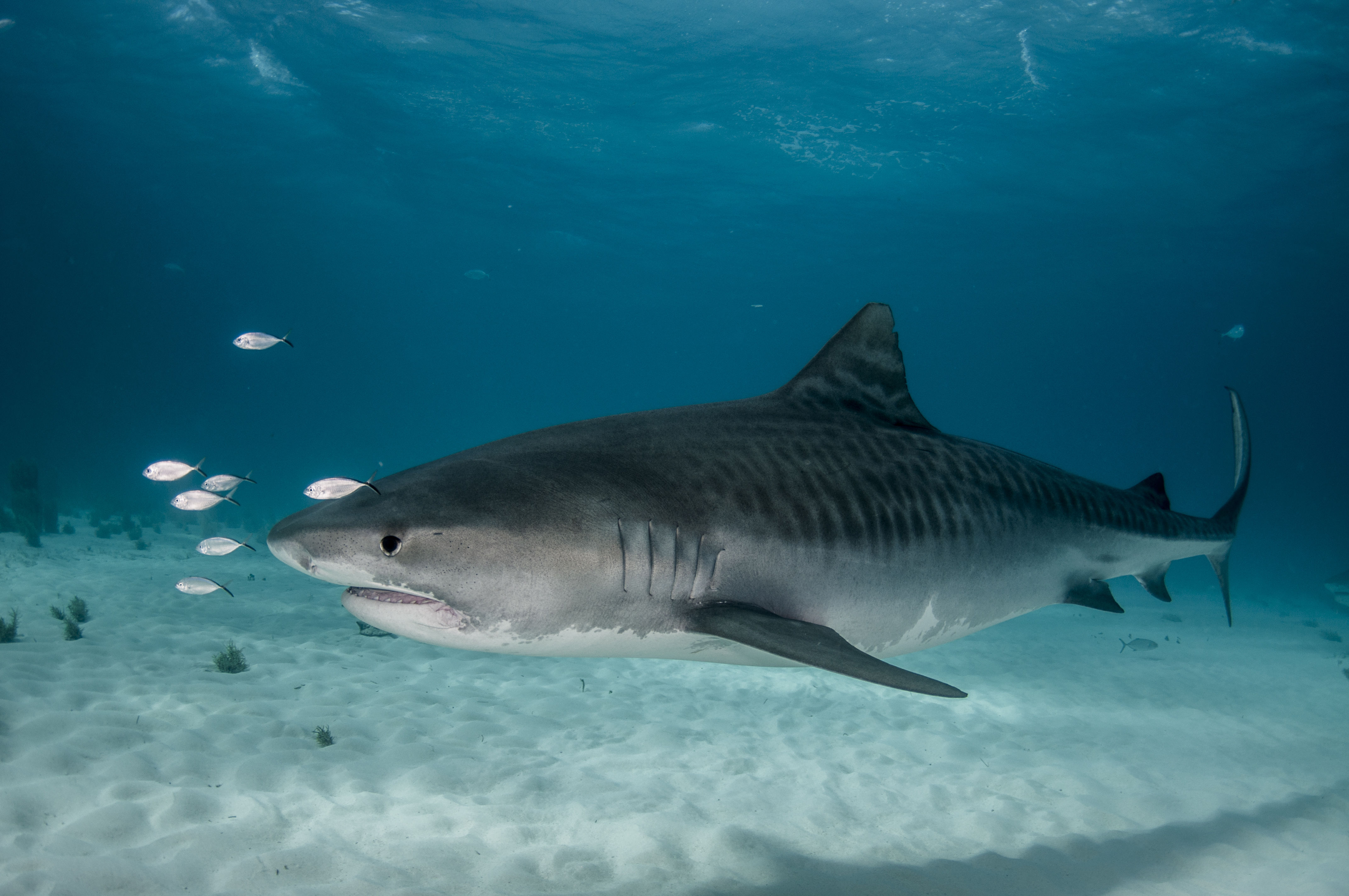
- ATiger Shark
- BGaleocerdo cuvieri
- Ccoastal and offshore, small spiracle, caudal peduncle with dermal reidge on each side
- DIUCN status: near threatened
- EIUCN status: endangered
- FCarcharhinus leucas
- GBull Shark
34Check all that apply to Family Sphyridae
- AHammerhead Sharks
- BGreatly depressed and laterally expanded head
- Cmay have increased electrosensitivity
- DTwo dorsal fins
- Eupper lobe of caudal fin is elongate and pointed upward
- FSawfishes
35Identify and check all that apply
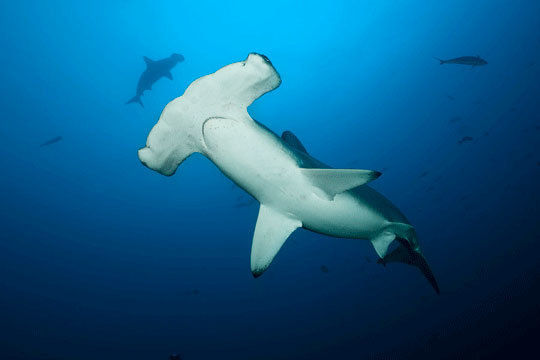
- AScalloped Hammerhead
- BSphyrna lewini
- Canterior margin of head with median indentation
- DHabitat: near ocean surface
- EViviparous
- FDiet: fish, squid, singrays
- GIUCN status: endangered
- HSphyrna tiburo
- IHabitat: Shallow inshore waters
36Identify and check all that apply
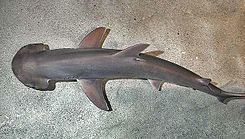
- ABonnethead shark
- BSphyrna tiburo
- CSphyrna lewini
- DHabitat: Shallow inshore waters
- EIUCN status: least concern
- FDiet: crustaceans, mollusks, fishes
- GDiet: fish, squid, stingrays
- HIUCN status: endangered
37Check all that apply to Family Pristidae
- ATwo well developed dorsal fins
- BSawfish
- CStingrays
- DBody greatly depressed
- Esaw-like rostrum
- Fcan swim upstream to freshwater
38Identify and check all that apply
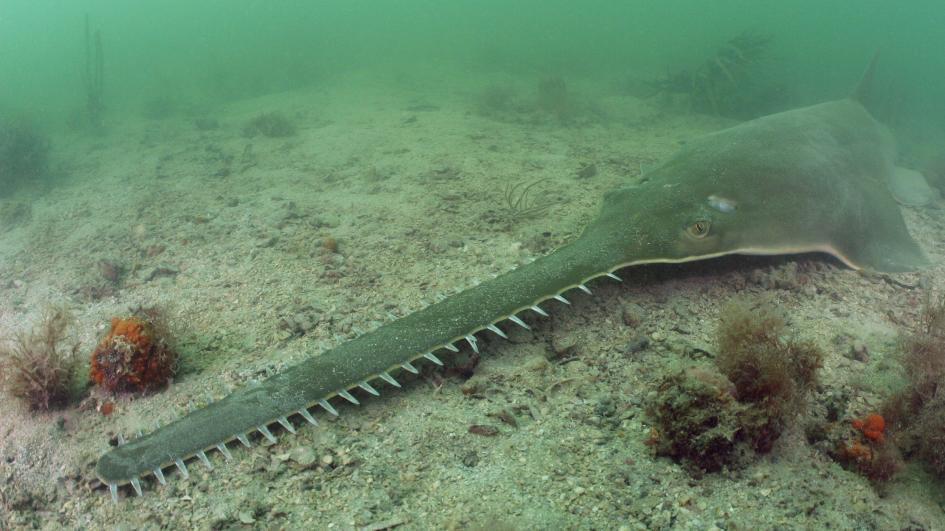
- ASmalltooth Sawfish
- BPristis pectinata
- Cmoderately depressed body
- DReproduction: Lecithotrophic viviparous
- EHabitat: estuaries, lower parts of rivers, shallow coastal waters
- FIUCN status: critically endangered
- GIUCN status: near threatened
- HGaleocerdo cuvieri
39Check all that apply to Family Rajidae
- ASkates
- Bbody disc-like
- Cwings shaped by pectoral fins & attatched to head
- Ddorsal, anal, and caudal fins reduced
- Epectoral fins extend forward beyond mouth
- Fdorsal fin absent
- GStingrays
40Identify and check all that apply
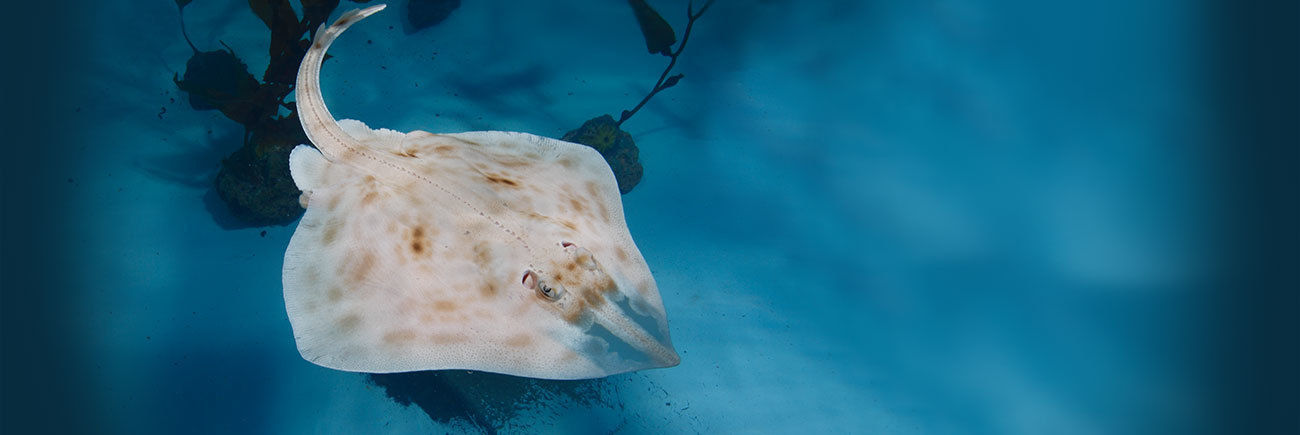
- AClearnose Skate
- BRaja eglanteria
- Csides of snout translucent, no ocellar spot, etire tail thorny
- DDiet: mollusks, crustaceans
- EDiet: polychaetes, benthic fishes
- FHabitat: shallow shores
- GIUCN status: Least Concern
- HBig Skate
- IRaja binoculata
41Identify and check all that apply
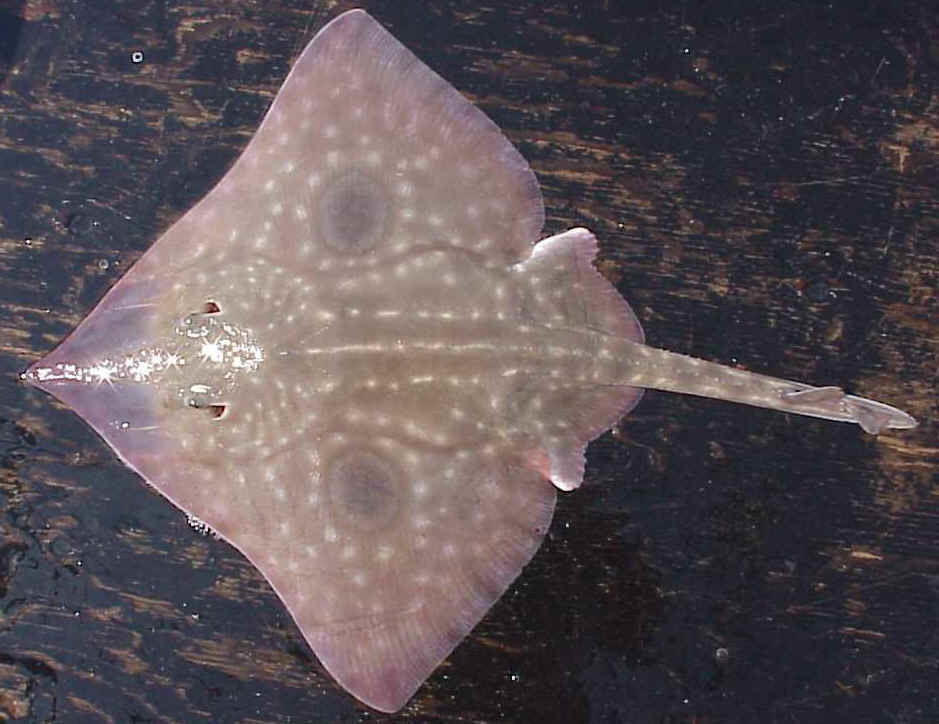
- ABig Skate
- BRaja binoculata
- Cfront of disc concave, ocellus on each side of disk
- DDiet: polychaetes, benthic fishes
- EHabitat: over stoft bottoms, bering sea to baja California
- FDiet: mollusks, crustaceans
- GIUCN status: Least Concern
- HRaja eglanteria
- IClearnose Skate
42Check all that apply to Family Dasyatidae
- ASkates
- BStingrays
- CBody greatly depressed
- Dtail distinct from body
- Epectoral fins extend forward beyond mouth, dorsal fin absent
- FWings shaped by pectoral fins and attatched to head
43Check all that apply to Family Myliobatidae
- ARobust body with falcate pectoral fins
- Bdisc wider than long
- Canterior parts of pectoral fins for 1 or 2 subrostral lobes under snout
- Danterior subdivisions of pectoral fins modified as 2 separate fins known as cephalic fins
- Eposterior edges of pectoral fins are falcate
- FEagle Rays
- GMantas
44Check all that apply to Family Mobulidae
- ALack large tooth plates
- Banterior subdivisions of pectoral fins modifed as 2 separate fins known as cephalic fins
- CMantas
- DEagle Rays
- Eposterior edges of pectoral fins are facate
- Fanterior parts of pectoral fins form 1 or 2 subrostral lobes under snout
45Many shark species show recent and rapid declines in population size.
- ATrue
- BFalse
46Why are shark populations suceptible to rapid declines?
- ALow fecundity
- BReproductive migratory behavior exposes sharks to human impacts
- CApex predators are rare
- DShark finning
- EHuman fear and wanton killing
- FAll of these answers are correct
47Even healthy top predator populations can be small and probably even more vulerable to depletion. than previously expected
- ATrue
- BFalse
Information
- Description
- User has deleted their subject information Quiz on Chondrichthyes, created by Deleted user on 13/10/2018.
- Author
- Deleted user
- Language
- English
- Views
- 44
- History
- Created on 13 Oct 2018 · updated on 13 Oct 2018
- Tags