
Tips to boost your mental health
Slides in this set (16)
-
TIPS TO BOOST YOUR MENTAL HEALTH
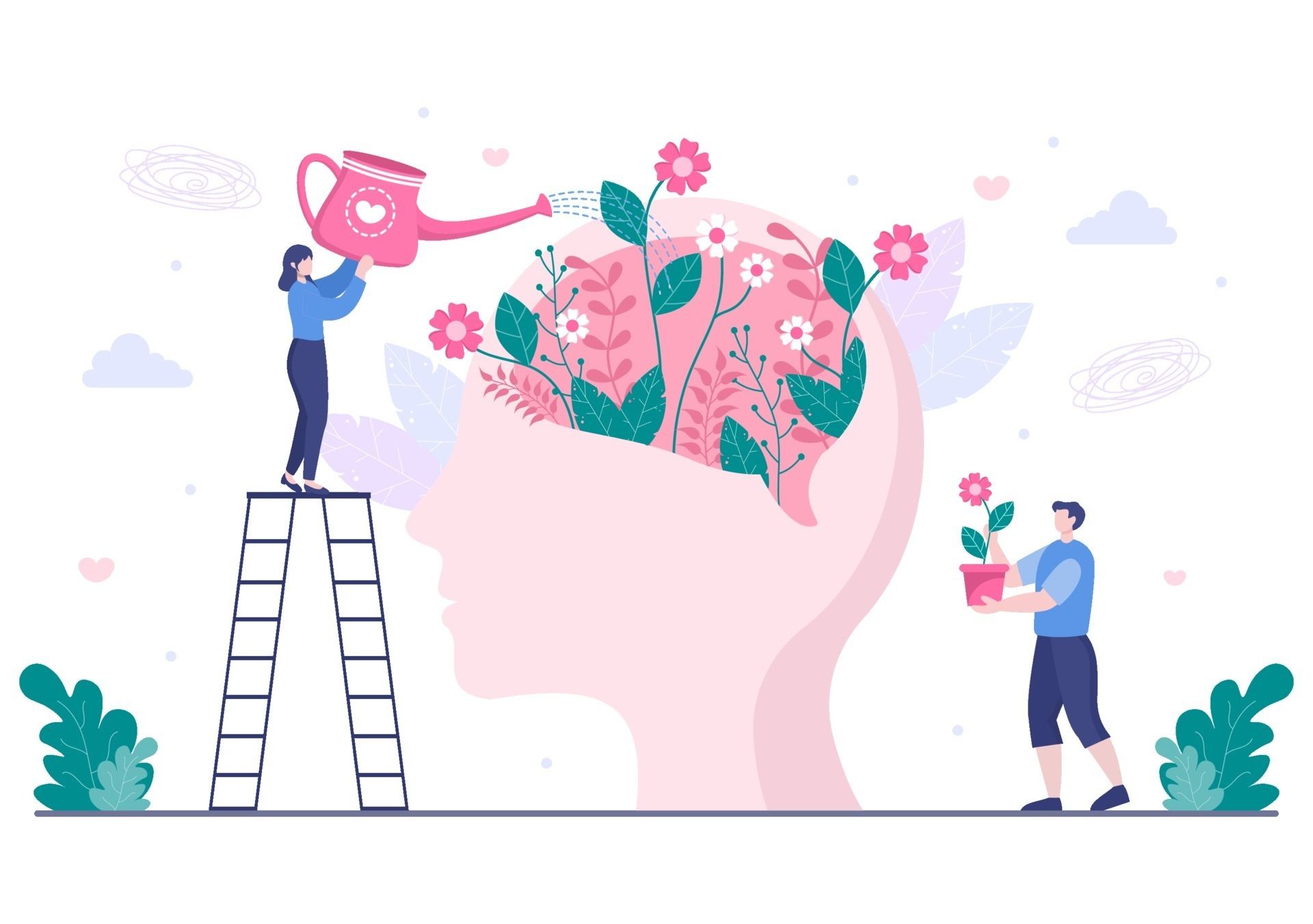
- High levels of mental health are linked to increased learning, creativity, and productivity. They also make you more empathetic and sociable.
- We enjoy life and the people we share it with.
- There are some tips you can easily take right now to improve your mental health and wellbeing.
-
- Sleep helps regulate the chemicals in our brain that transmit information. If we don't get enough sleep, we can start to feel depressed or anxious.
- Stick to a regular sleep-wake schedule, even on weekends, and make sure your bedroom is dark, cool, and quiet.
- Blue light from devices and screens can make it harder to fall asleep, so reduce blue light exposure from your phone or computer before bedtime.

-
- Certain mineral deficiencies, such as iron and vitamin B12, can give us a low mood.
- Eating well is key to overall health, including your mental well-being.
- Try incorporating fruits and vegetables in your diet more often along with brain-boosting foods like avocados and salmon.
- Cutting back on alcohol and/or drug consumption can help improve your mental wellbeing and help you feel better in general.

-
- Sunlight helps our brains release chemicals that affect our mood, like endorphins and serotonin. In the winter months, when there isn't much sunlight, some people experience a type of depression known as seasonal affective disorder.
- Do your best to enjoy 15 minutes of sunshine, but make sure you keep your skin and eyes safe.

-
- Exercising can help eliminate low mood, anxiety, stress and feeling tired and lazy. It is also linked to living a longer life and living a healthier lifestyle.
- Just 30 minutes of walking every day can help boost your mood and improve your health.
- If you struggle, try motivating yourself by running with a friend or listening to your favorite music/ podcasts while going on a long walk. Just keep moving.

-
- Think of something in your life you want to improve and come up with a plan to take a step in the right direction.
- Create SMART goals: specific, measurable, achievable, relevant and time bounded.
- You'll experience a marvelous sense of accomplishment and self-worth as you progress toward your goal.

-
Try Mindfulness and Meditation
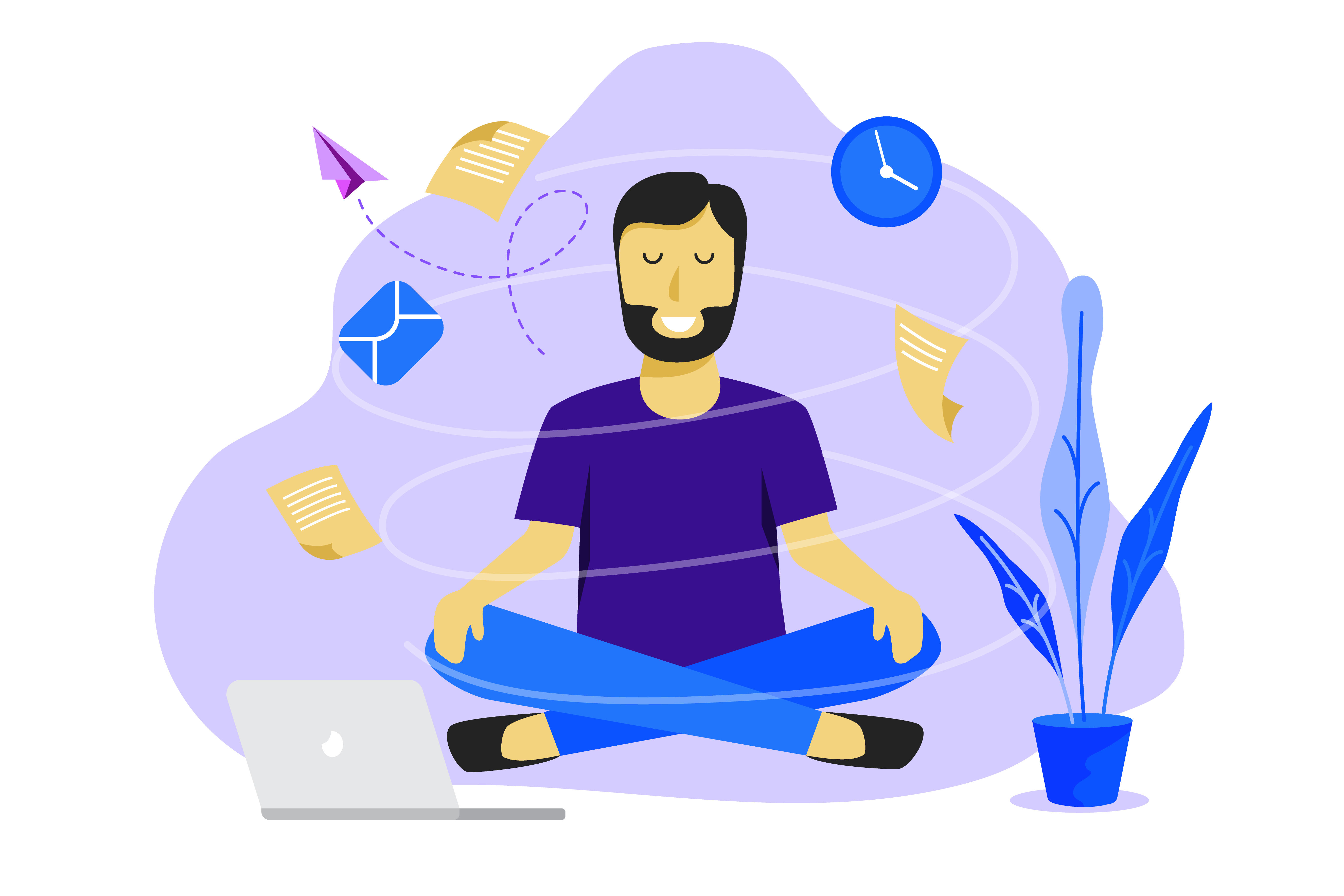
- Regardless of your spiritual or religious beliefs, meditation can be an effective, joyful way to minimize stress and improve your mental health.
- Meditation can reduce negative rumination and stress. It can also improve relationship satisfaction.
- Whether you choose to follow an in-person guide at a class or workshop, or download an app on your phone, there are many resources that can train you to relax and breathe in this mindful way.
-
- Laughter can be therapeutic.
- Laughter can boost your immune system, ease pain, relax your body and reduce stress.
- Try going to a comedy club or binge-watching a new comedy series.

-
- Try to make time for doing the fun things you enjoy.
- What do you enjoy? Reading? Painting? Gardening? Dancing?
- The possibilities are endless but it’s very important for your emotional wellbeing that you spend a bit of time dedicated to doing something you genuinely enjoy.

-
- One of the best ways to get out of your own headspace is to focus on others.
- Volunteering can be a powerful way to better your self-worth and truly make a difference in your community.

-
Connect with others and be sociable
- Having friends is important not just for your self-esteem, but also for providing support when you're not feeling too great.
- Research has found that talking to others for just 10 minutes can improve memory and test scores.
- People are 12 times more likely to feel happy on days that they spend 6-7 hours with friends and family.

-
- The impacts of excessive and prolonged social media and other media consumption can be harmful. Even over-consumption of news can negatively impact your mental wellbeing.
- Contemplate adding an electronics-free time to your day.
- Taking time to disconnect from the constant stream of emails and alerts will allow you to socialize with people face to face and help reduce the many feelings of FOMO.

-
Tell yourself something positive
- How you think about yourself can have a powerful effect on how you feel.
- Writing out a list of affirmations and then regularly reading them can help you establish a positive, focused mindset every day.
- If you're stuck in a negative thought spiral, write down two good things.
- When we perceive our self and our life negatively, we can end up viewing experiences in a way that confirms that notion. Instead, practice using words that promote feelings of self-worth and personal power.

-
- Gratitude has been linked with improved well-being and mental health, as well as happiness.
- Remind yourself daily of things you are grateful for. Be specific. Write them down at night or replay them in your mind.

-
- Seeking help is a sign of strength, not a weakness.
- Whether talking with a loved one or seeking out a medical professional, getting help when needed is an important step.

-
- Now you know that improve your mental health does not require enormous efforts. Small changes in your daily routine can make a difference.
- It never is too late to start giving the necessary steps for a better quality of life.
- Are you ready for the challenge?
Information
- Description
- The state of your mental health affects how you think, feel, and ultimately how you act. Take a look at these general guidelines to boost your mental health and improve your quality of life.
- Created by
- Andrea Pan · Oct 2021
- Updated
- Oct 9, 2021
- Views
- 57
- Tags
- Rating