
Notes
Parasitic Nematodes
Content of the notes (1)
Page 1
Parasitic Nematodes
Infect nearly every major animal group as well as plants.
More complex life cycles compared to free living nematodes.
They usually include at least one obligate intermediate host.
Many take extensive internal mirgations through the host.
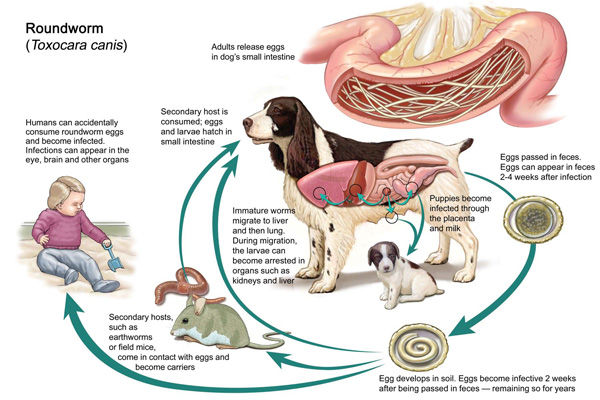
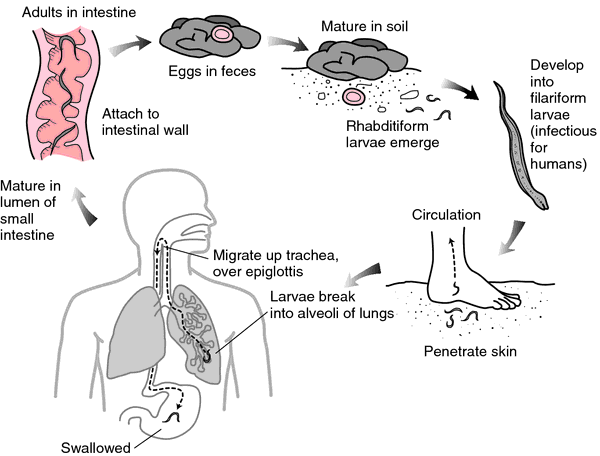
Soil Transmitted Helminths: Roundworms, Hookworms, and Whipworms
Life Cycle is similar in all three groups and life cycles involve a single host.
(1) Adults live in the intestine.
(2) Eggs shed with feces and infect the soil.
(3) Infection occurs as a result of ingestion of eggs (roundworms and
whipworms) or infection via larval worms (hookworms).
Hookworms is the second image.
Whipworms was neglected in class
Parasitic Nematodes with multiple hosts
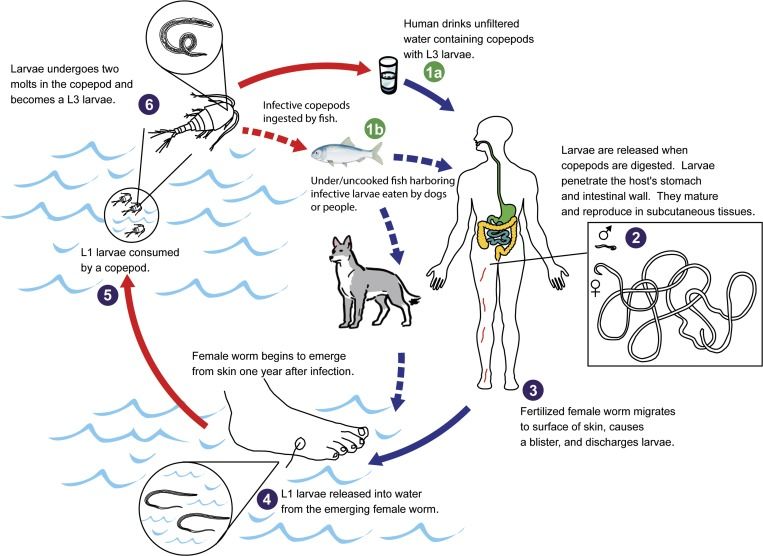
Dracunculus
medinensis or Guinea Worm (First image)
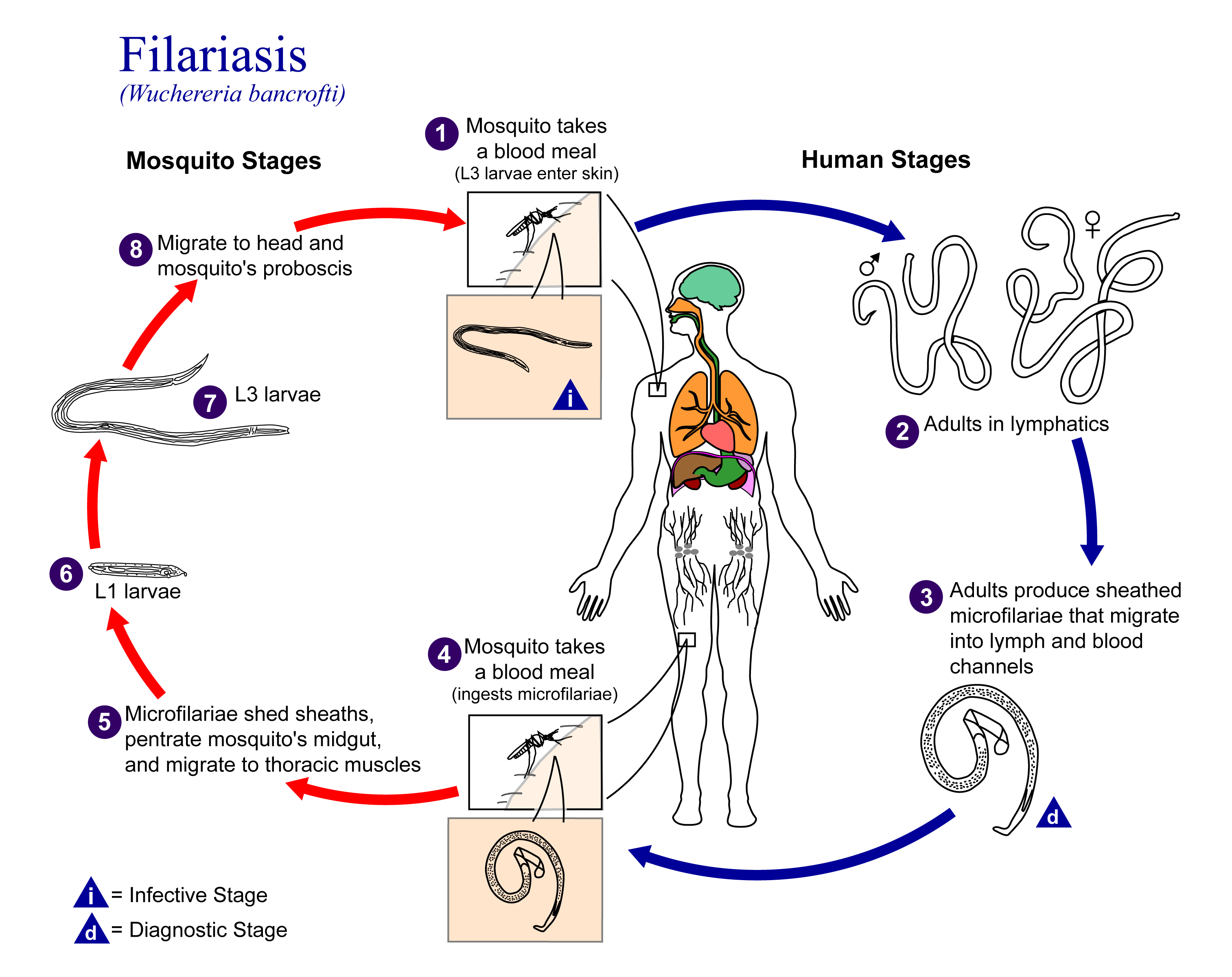
Filarial Worms
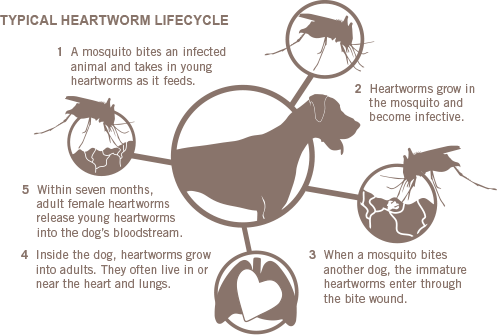
Heartworms (Dirofilaria immitis)
Information
- Description
- A closer look at the parasitic members of the phylum nematodes
- Created by
- StalkerMoose · Nov 2015
- Updated
- Jan 18, 2017
- Views
- 118
- Tags
- Rating