
Notes
CS: Hazards and Disasters
Content of the notes (4)
Page 1
Drought
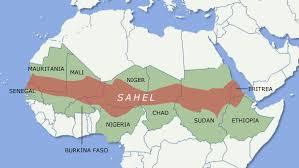
LEDC: Sahel
Date: Recurring
1910s, 1940s, 1960s, 70s, 80s, 2012
Physical causes:
↳ Lack of rainfall (dry season)
↳ Desertification because of overfarming
Demographic/economic effects:
↳ Severe famines (20 million food insecure)
↳ 5.8 million acutely malnourished
↳ Plagues
↳ Vulnerable groups: Elderly, pregnant women, children
Responses:
↳ Food aid / $2 billion aid planned by UN
↳ HEIFER INTERNATIONAL - education about sustainable farming
↳ KIVA - microcredit system
↳ $15 Feeds family
Adjustments:
↳ Planting of gum trees and acacia (cash crops)
↳ Cooperation of regional and global organizations
Predictability:
↳ Recurring, worsened effect through El Niño
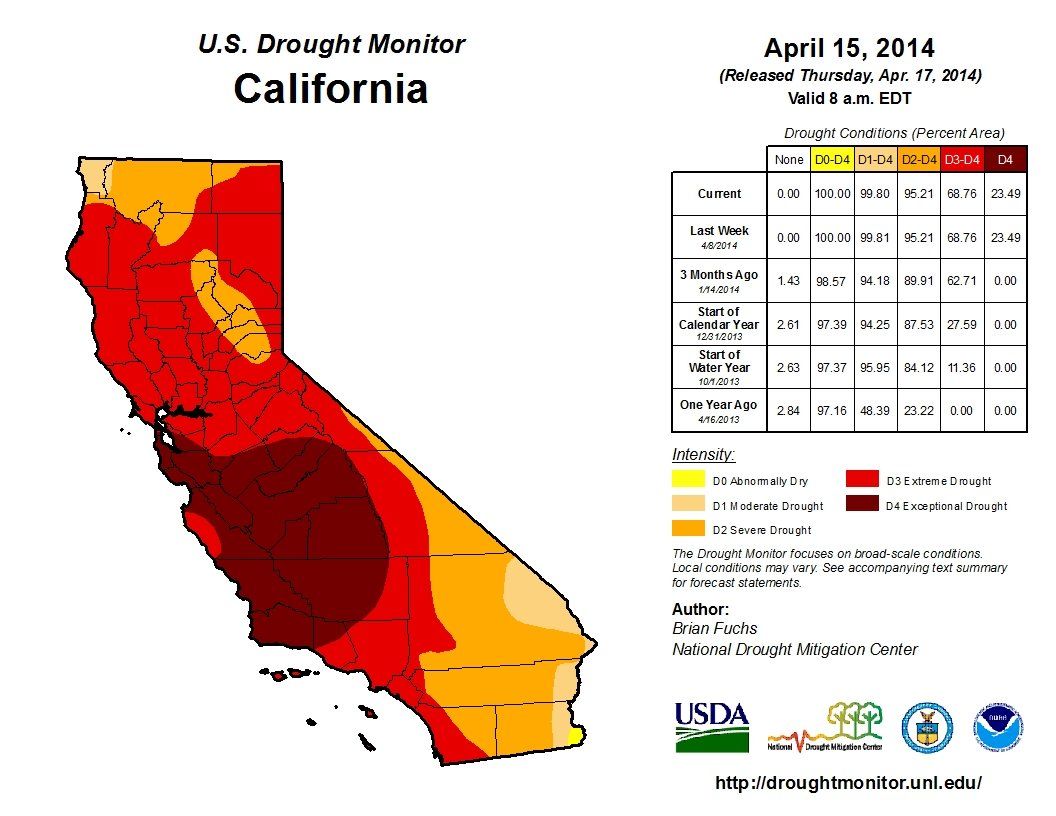
MEDC: California, US
Date: 2014
Physical causes:
↳ Lack of rainfall (La Niña)
↳ Worsened effect through global warming
Demographic/economic effects:
↳ Food shortage/water crisis
↳ Soil damage and damage to agricultural grounds
↳ Wildfires cause destruction of property
↳ $2.2 billion loss in economy
↳ 17000 seasonal/part time jobs lost
↳ Drop in food production and US food export
↳ Rise in food prices of California fruit and vegetables
Responses:
↳ Emergency water restrictions: $500/day fines for over-use
↳ Campaigns to save water
Adjustments:
↳ Decrease water usage in state by 15 to 20 percent
↳ Campaigns to save water
Page 2
Earthquake
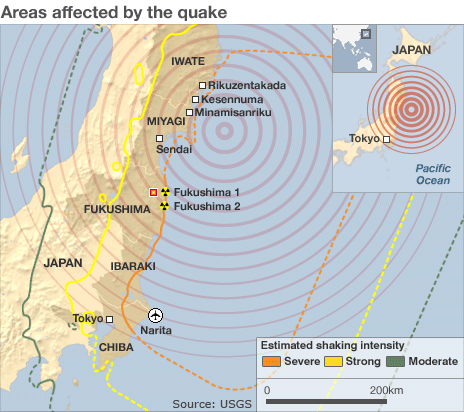
MEDC: Japan
Date: March 11, 2011
Hazard: Eartquake + tsunami
Physical cause:
↳ Subduction of Pacific plate under the Eurasian plate
Magnitude:
↳ 9.0 on Richter scale
↳ Tsunami of 7.3 metres
Demographic/economic effects:
↳ Japan was largely prepared for the earthquake, but buildings collapsed because of the tsunami that followed
↳ 2,000 people confirmed death (+10,000 expected)
↳ 2,000 people injured
↳ The Japanese yen fell sharply but recouped several hours later. Tokyo stocks fell.
Responses:
↳ 91 countries offered aid
↳ 60 search and rescue experts, four medics and 2 sniffer dogs on private charter plane + 11 tonnes of equipment
↳ Government tries its best to minimize damage from the earthquake + emergency cabinet meeting
↳ 8 jets from Defence Ministry
Predictability:
↳ Japan Meteorological Agency (Hazards agency) deducted foreshocks and powerful seismic tremors
↳ JMA News + warning messages via internet/sms
↳ 10 m tsunami warning issued 3 min after earthquake, 20 min in advance.
Vulnerability:
↳ Majority of population live in coastal area
↳ Japan has a high risk of earthquakes
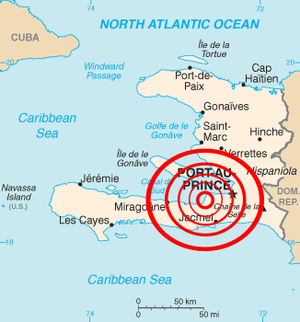
LEDC: Haiti
Date: January 12th, 2010
Physical causes:
↳ North American plate sliding past Caribbean plate
↳ Traditional/poor building structures, no use of ferro-concrete
Magnitude:
↳ 7 on Richter scale
Demographic/economic effects:
↳ Epicentre close to capital, Port-au-Prince
↳ 316,000 people killed + 1 million homeless
↳ 3 million affected by earthquake
↳ 20% of population lost job because of collapsed buildings and other damage.
↳ Hospitals, schools, governmental buildings damaged, authority fell
↳ Airport and port severely damaged, causing businesses to collapse (in particular clothing industry)
↳ Vulnerable groups: Pregnant women, children, elderly
Responses:
Short-term
↳ $100 million in aid from USA + $330 million from EU
↳ 800,000 people placed in aid camps
↳ 115,000 tents + 1 mn shelters provided
↳ Healthcare supplies
↳ 4.3 million provided with food rations
Long-term
↳ 98% rubble not cleared restricting aid acces
↳ 1 million still homeless after 1 year
↳ Support for people without jobs (70% of population); cash and food for-work projects
↳ Water + sanitation supply for 1.7 million people
↳ Rebuilding schools + support of small farmers
↳ Building of 100 earthquake proof houses
Page 3
Tropical storm
MEDC: New Orleans, USA
Date: 2005
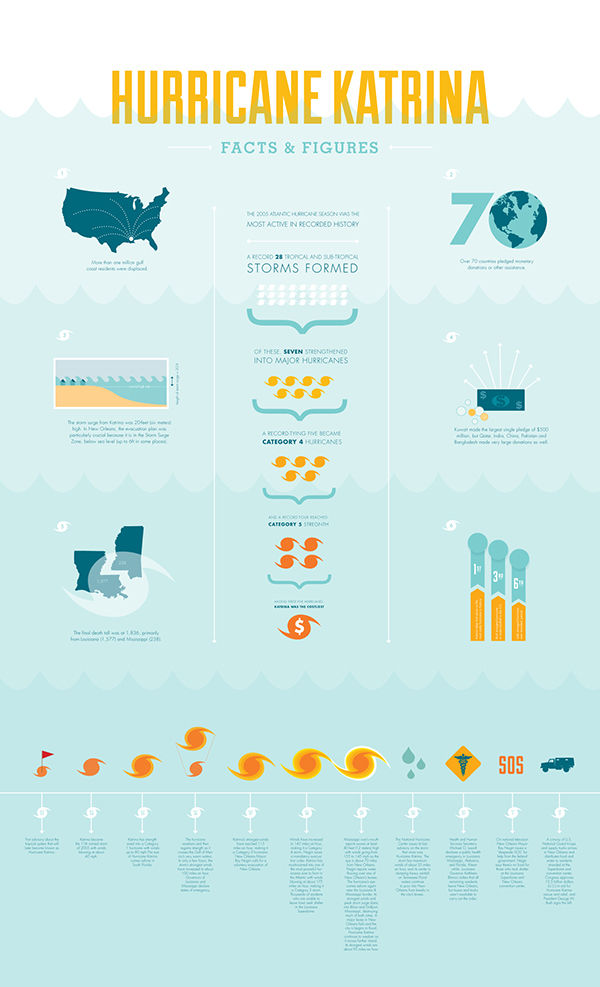
Hazard: Hurricane Katrina
Physical cause:
↳ Intense low pressure area above the Atlantic Ocean
Magnitude:
↳ Category 4/5 on Saffir-Simpson scale
↳ Winds up to 200 km/h + 9 m storm surge
Demographic/economic effects:
↳ 1200 people drowned
↳ 1 million homeless
↳ Food and water shortages in immediate aftermath
↳ Law and order broke; looting was common, total $ 1bn worth of
goods was stolen
↳ Worst affected/vulnerable groups: poorer districts of NO
↳ Estimated $80 bn damage
↳ Damage to oil facilities; rise petrol price in UK and USA
Responses:
↳ Evacuation of the affected area
↳ $50 bn aid by US government
↳ Food and water aid
↳ Adjustment: Raising of the levees that were supposed to hold back
the storm surge
Predictability:
↳ Hurricane IVAN had already been a close call
↳ News report predicted it as possible hazard, NO had a high risk
↳ Sudden change of course led Katrina straight to New Orleans
LEDC: Vanuatu
Date: 2015
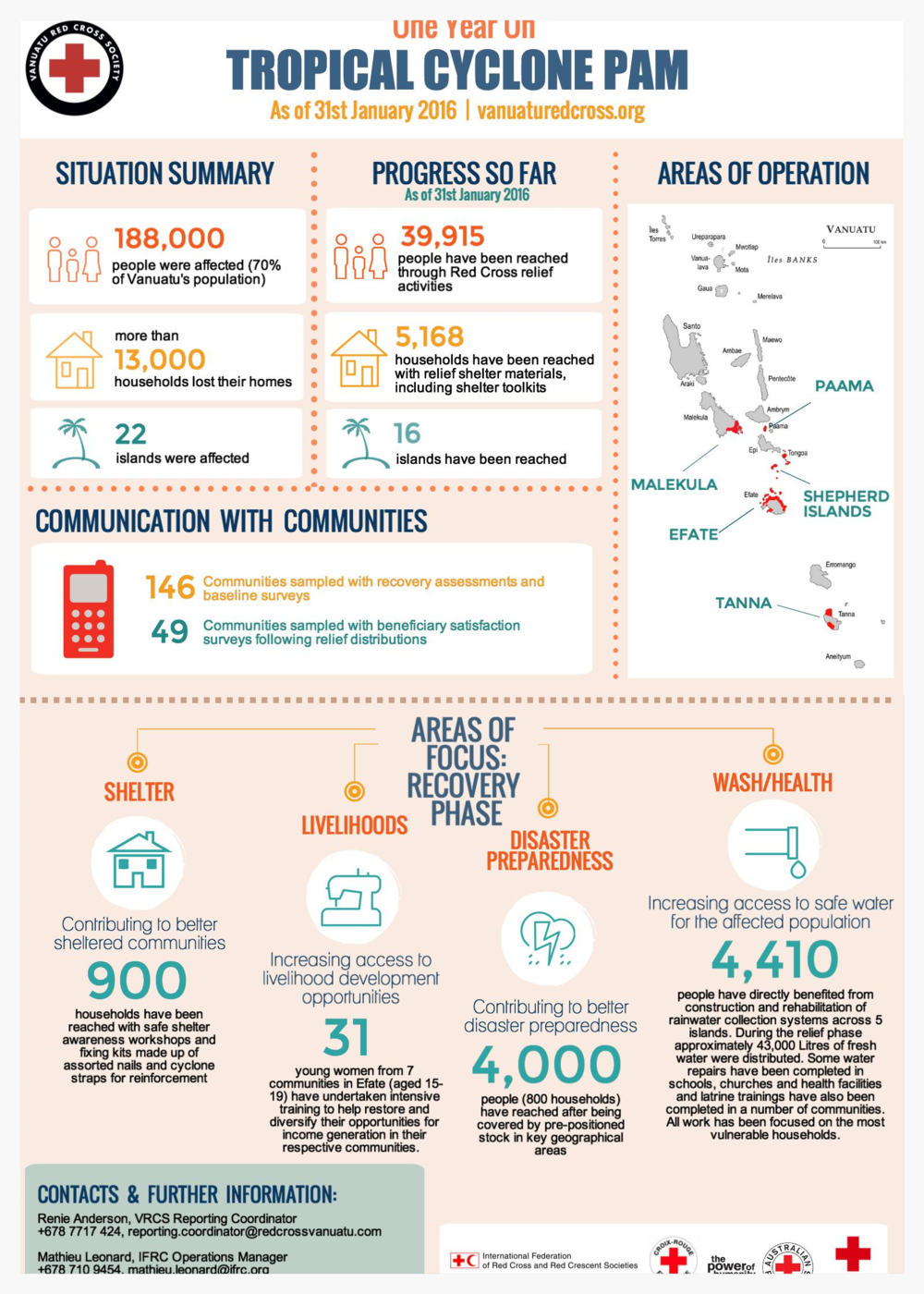
Hazard: Cyclone PAM
Physical causes:
↳ Cyclone formed 750 km north-east of Solomon Islands
↳ Twin disturbance gained enough energy from South Pacific waters
Magnitude:
↳ Category 5 on Saffir-Simpson scale
↳ Wind speeds up to 270 km/h
Demographic/economic effects:
↳ 24 fatalities
↳ $ 360 mn damage
↳ Lots of people homeless - traditional housing quickly rebuilt
↳ 132,000 people affected according to UNICEF
↳ Farms/crops destroyed, causing famine and lack of potable water
↳ Little fatalities due to traditional building structures - no heavy materials flying around
Responses:
↳ Evacuation to concrete government buildings
↳ $10 million help fund
↳ Aid could hardly reach the islands due to crippled infrastructure/isolated islands
↳ All emergency centers active
Predictability:
↳ SMS warning issued to island leaders
↳ First category 5 cyclone to hit Vanuatu, but there has been a history of cyclones
↳ British analytics: Vanuatu most exposed to hazard out of 1300 cities
Page 4
Human-induced
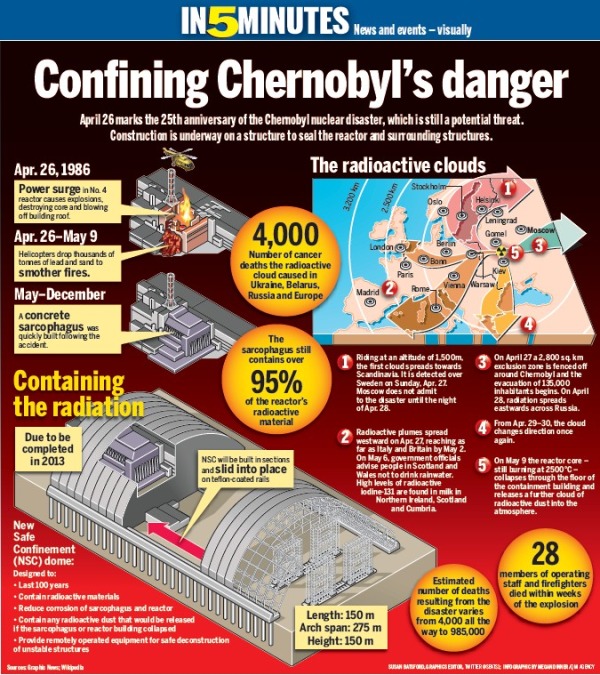
Chernobyl Nuclear Disaster
Date: 1986
Hazard: Human Induced
Physical causes:
↳ Poor maintainance of the nuclear power station due to lacking
budgets
↳ Poor build/lack of protecting domes as seen in 'western design'
↳ During a routine safety test the reactor exploded
Demographic/economic effects:
↳ 30 plant workers died immediately due to radiation poisoning
↳ Pripyat (50,000 residents) not evacuated until two days after the
incident
↳ 6000 cases of thyroid cancer, lung cancer, heart attacks
↳ Birth defects in affected areas (Ukraine, Scandinavia, Belarus)
↳ Trees/woodlands killed because of radiation
↳ Wind and rain spread radiation over EU
↳ Cattle (sheep) industry in Ireland and UK affected, radiation in Scandinavia
↳ 8 tonnes of U-235 fuel pollution in air
↳ Firemen on scene died of radiation poisoning
Responses:
↳ Initially unclear what happened; tried to cool down core with water
(firemen), but were ill-informed about the station
↳ 30 km exclusion zone
↳ Core embedded in concrete, and a dome was placed over the plant (
a new one was added in 2013)
↳ Evacuation of Pripyat, but too late for some residents. Residents were
to never return to their homes.
↳ Farming in UK/Scotland and Ireland restricted for several decades
later; Cattle and ground had to be tested on radiation levels
Predictability:
↳ Unclear whether plant directors knew about the excessively poor
state of the building/the extent of unsafety of the core
↳ SU didn't want to close down despite lack in budget for reasons of
energy security.
BP Deep Sea Horizon Oil spill
Information
- Description
- Geography (Hazards and Disasters) Note on CS: Hazards and Disasters, created by kirsten w on 09/01/2017.
- Created by
- kirsten w · Jan 2017
- Updated
- Apr 6, 2018
- Views
- 3
- Rating