
Quiz
AS biology Unit 1-Atherosclerosis and the heart
This quiz has a time limit, so it opens in the usual player.
Questions in this quiz (51)
1What is the main purpose of the heart and the circulatory system?
- APrimarily used for exchange of oxygen and carbon dioxide between air we breathe and blood
- BTo move substances around the body
- CTo collect carbon dioxide waste materials and fluids for return to the veins.
2Diffusion is the movement of ions or molecules across a cell membrane in the direction that is, from an area of lower concentration to one of higher concentration.
- ATrue
- BFalse
3When it comes to movement of substances around the body, what is the problem for humans and mammals?
- AThey are smaller and so cannot have enough space for movement to take place
- BThey only have one cell that is used to function their entire being
- CThey have problems functioning properly
- DThey are too large for diffusion to move substances around their bodies quickly enough
4 Multicellular organisms deal with their difficulty in moving substances around the body because they usually have blood to carry vital substances around their bodies and a heart to pump it around
- ATrue
- BFalse
5Difference between open and closed circulatory systems?
- AIn closed systems: Simple heart pumps blood into the cavities but returns the blood back to the heart, and then to the body
In open systems: The heart pumps blood around the body and substances diffuse between the organs and cells - BIn closed systems: blood is enclosed within tubes. the blood is forced along fairly narrow channels instead of flowing into large cavities
In open systems: simple heart pumps blood out into cavities surrounding the animal’s organs. Substances can diffuse between the blood and cells. When the heart muscle relaxes, blood is drawn from the cavity back into the heart, through small valved openings along its length. - CIn closed systems: The blood flows in the body organs which uses enclosed tubes to send it back to the heart
In open systems: The heart pumps the blood in cavaties and then blood is drawn from cavity back into the heart
- AIn closed systems: Simple heart pumps blood into the cavities but returns the blood back to the heart, and then to the body
6Closed circulatory systems are much slower because they are larger and need less pressure to move substances
- ATrue
- BFalse
7In a human the blood flows through the heart once for each complete circuit of the body.
- ATrue
- BFalse
8Why do mammals and birds have higher metabolic rates?
- AThe oxygen and food substances required for metabolic processes can be delivered more rapidly to cells in mammals and birds
- BThere are extremely large numbers of capillaries which ensure oxygen is exchanged quicker
- CLonger time for the blood to circulate around their body
- DOrgans diffuse substances quicker to the body , then the heart accepts quicker and then pump blood around.
9That is a diagram of a human circulatory system...
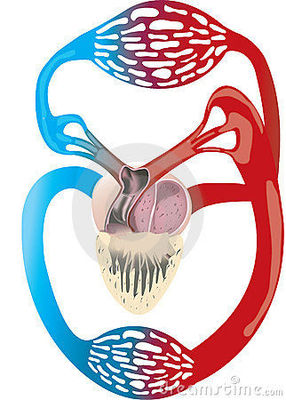
- ATrue
- BFalse
10The transport medium in animals is usually blood
- ATrue
- BFalse
11The blood leaves the heart under pressure and flows along venules to capillaries.
- ATrue
- BFalse
12 What is the function of a valve?
- ATo prevent the blood from flowing in the arteries
- BTo prevent the entrance of waste in the blood
- CTo ensure that blood flows only in one direction
- DTo ensure that the heomoglobin in the blood has enough oxygen
13What plays a vital role in regulation of body temperature, transferring energy around the body.
- AWater
- BBlood
- CLymph
- DSaliva
- EUrine
14The reason water has an unevenly distributed electrical charge is because it is heavily ionised
- ATrue
- BFalse
15Many biochemical reactions occur in the cytoplasm of cells due to the solvent properties of water
- ATrue
- BFalse
16Polar molecules are said to be...
- AHydrophobic
- BHydrophilic
- CNone of the above
17Why is it difficult for lipids to be transported by transport mediums in the body?
- ALipids have no ionic properties
- BLipids are hydrophobic
- CLipids are very soluble
- DLipids have strong covalent bonds
18Lipids can be transported around the body by binding with amino acids to form lipoproteins which can then be transported by transport mediums
- ATrue
- BFalse
19The specifi c heat capacity of water, the amount of energy in joules required to raise the temperature of 1 cm3 (1 g) of water by 10 ºC, is very high
- ATrue
- BFalse
20
In the diagram, which labeled structures are atrioventricular valves?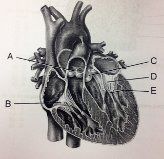
- AA
- BB
- CC
- DD
- EE
21What makes arteries and vessels strong and durable?
- AThick walls
- BMuscle
- CCollagen
- DFibres
22During diastole, blood is forced into arteries and their elastic walls stretch to accommodate the blood.
- ATrue
- BFalse
23What occurs when you feel a pulse?
- AAn artery has just passed over a bone close to the skin.
- BA valve has just closed
- CThe vein that has passed over a bone close to the skin has just returned blood back to the heart
- DNone of the above
24By the time the blood reaches the smaller arteries and capillaries there is a steady
flow of blood.- ATrue
- BFalse
25The diagram shows a vein
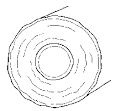
- ATrue
- BFalse
26The heart muscle is supplied with blood through two vessels called the
- ACircumflex artery
- BMarginal artery
- CMitral artery
- DCardiac vein
- ECoronary artery
27One complete sequence of filling and pumping blood is called a
- APulmonary cycle
- BHeartbeat
- CCardiac cycle
- DPulse
28The cardiac cycle can be simplified into four phases
- ATrue
- BFalse
29Blood under low pressure flows into the left and right atria from the
- A Pulmonary veins and vena cava
- BInferior vena cava and Pulmonary artery
- CPulmonary vein and right ventricle
- DJust the vena cava
30What phase of the cardiac cycle when the atrioventricular valves are forced open, when the atria fills up with blood
- AVentricular systole
- BVentricular diastole
- CAtrial systole
- DNone of the above
31What is the correct order of the phases in the cardiac cycle
- AAtrial systole, Diastole, Ventricular systole
- BVentricular systole, Atrial systole, Ventricular Diastole, Atrial Diastole
- CAtrial systole, Atrial diastole, Ventricular systole, Ventricular diastole
- DAtrial systole, Ventricular systole, Diastole
32Closing of the bicuspid valves and then the tricuspid valves creates the
characteristic sounds of the heart.- ATrue
- BFalse
33Thrombosis is the the disease process that leads to coronary heart disease and strokes
- ATrue
- BFalse
34What are some of the causes of when the arteries have been narrowed?
- AAthletes foot and Heart attack
- BGangrene and Tissue death
- CSwelling and skin redness
- DChest pain and Scars
35A deposit of cholesterol that builds up is called an atheroma
- ATrue
- BFalse
36This picture shows a
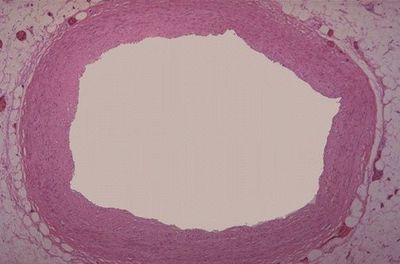
- AA diseased coronary artery
- BA healthy coronary artery
- CA platelet
- DA diseased pulmonary vein
37Platelets are a type of blood cell with a nuclues
- ATrue
- BFalse
38What happens to platelets when they reach a damaged cell?
- AThey differentiate to form more platelets
- BThe shrink and stick to each other to form a better a shape
- CThey change shape
- DRelease substances that activate to make more platelets
- EThey grow longer in order to be able to reach and stick to the damaged cell
39Platets change their cell surfaces causing them to stick to the exposed collagen in the wall
- ATrue
- BFalse
40What causes a complex series of chemical changes in the blood?
- AThe direct contact of blood with collagen
- BExercise
- CEating
- DAll of the above
- ENone of the above
41Prothrombin is insoluble
- ATrue
- BFalse
42The first stage of clotting is that thrombrin is converted to prothrombin
- ATrue
- BFalse
43Fibronogen is an enzyme that catalyses the conversion of another soluble plasma protein
- ATrue
- BFalse
44The reason fibrin can form a tangled mesh with its strands is because of its insolubility
- ATrue
- BFalse
45Arteries get atherosclerosis because of the fast flowing blood under preassure causing damage to the walls
- ATrue
- BFalse
46Veins and Arteries get atherosclerosis
- ATrue
- BFalse
47Thromboplastin is released from fibronogen in order to make it easier to convert to fibrin
- ATrue
- BFalse
48In the False-colour scanning electron micrograph, the green coloured substance is the...
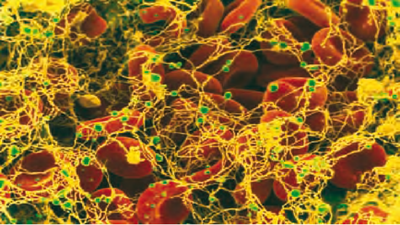
- AFibrins
- BPlatelets
- CCells
- DFibronogen
49In the False-colour scanning electron micrograph, the yellow coloured substance is the...
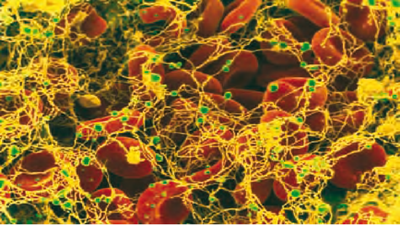
- AFibrins
- BPlatelets
- CFiibronogens
- DCells
50Angina is chest burn caused by narrowing of the coronary arteries
- ATrue
- BFalse
51Why do we feel pain when we have coronary heart disease?
- AChemical changes when the muscle respires anaerobically
- BThe burning of the heart muscle after damage to the cells due to high blood pressure in the arteries
- CLack of blood supply to the brain
- DDead cells occupying areas of heart tissue
Information
- Description
- The heart and circulation
- Author
- briella-awele
- Language
- English
- Views
- 181
- Tags
- Rating
- 3.4 out of 5 · 5 ratings Rate this quiz