
Quiz
AQA Geography 7037 Human Case Studies (Full)
This quiz has a time limit, so it opens in the usual player.
Questions in this quiz (123)
1what can change a persons perceptions of a place?
- APhotographs
- BTextual Sources- Novels and Poetry
- CMusic
- DTelevison and Film
- EArt
- FLooking at a Map
2N[blank_start]ew[blank_end] Y[blank_start]ork[blank_end] is the case study for perceptions and using artistic sources
- Aew
- Bork
3what are four types of flow that shape a place
- AImmigration, Gentrification, Counterurbanisation, Suburbanisation
- BEmigration, Gentrification, Counterurbanisation, Suburbanisation
- CEmigration, Gentrification, Ruralisation, Suburbanisation
4[blank_start]Newham[blank_end], London is the case study for Immigration
- ANewham
5what are the key facts about Immigration in Newham? (Flows of People Case Study)
- AWhite-Flight: The white population are leaving the area
- BOnly 17% of the population is White British (Based on 2011 Census)
- CThe second most populated ethnic group in Newham is Indian at 14%
- DTotal Population in Newham according to 2011 census is 306,998, up from 216,251 in 1991 census
- EEthnic-Flight: The ethnic population are leaving the area
- FOnly 18% of the population is White British (Based on 2011 Census)
- GOnly 16% of the population is White British (Based on 2011 Census)
- HOnly 15% of the population is White British (Based on 2011 Census)
- IThe second most populated ethnic group in Newham is Polish at 14%
6what impacts has immigration had on the demography of Newham? (Flows of People Case Study)
- A17% of population was white British
- B16% of population was white British
- C18% of population was white British
- D14% of population was Indian
- E14% of population was Polish
- FPopulation was 216,251 in 1991 and rose by over 100,000 to 306,998 in 2011 (census data)
- GPopulation was 116,251 in 1991 and rose by over 100,000 to 206,998 in 2011 (census data)
7what impacts has immigration had on the socio-economic characteristics of Newham? (Flows of People Case Study)
- AMiddle class white population moved out due to the lower quality of life
- BMiddle class white population moved into due to the better quality of life
- CMore young residents so more workers, which raised the economy in the area
- DMore residents were in poverty as immigrants take on lower skilled jobs
- EMore old residents so more workers, which raised the economy in the area
- FMore residents were in millionaires as immigrants take on high paid jobs
8what impacts has immigration had on the culture of Newham? (Flows of People Case Study)
- ABritish culture decreased as people leave the area
- Bas migrants move into the area with different religious views and opinions about alcohol, pubs in the area close due to lack of customers
- Cincrease in ethnic businesses
- Dhigher diversity in worldwide culture in the area
- EBritish culture increased as people leave the area
- Fdecrease in ethnic businesses
- Greduction in the diversity of worldwide culture in the area
9[blank_start]Stratford[blank_end], London is the case study for Gentrification (Flows of people)
- AStratford
10what are the key facts about Gentrification in Stratford? (Flows of People Case Study)
- Aas people improve their houses, they increase in value, putting up the house prices in the area
- Bluxury shops begin to move into the area as it improves
- C£12 Billion was invested into Stratford, with £9 Billion from the private sector
- D42,000 new jobs in the area
- Eas people leave their houses to deteriorate, they increase in value, putting up the house prices in the area
- Fcheap shops such as Primark and Poundland begin to move into the area as it improves
- G£12 Million was invested into Stratford, with £9 Million from the private sector
11what impacts has Gentrification had on the demography of Stratford? (Flows of People Case Study)
- Asince most people in minority ethnic groups are poor, they are forced out of the area as they cannot afford to pay the price that the new luxury shops offer and higher house prices
- BThe diversity in Stratford as a result has decreased and left a higher percentage of White British people in the area
- Csince most people in minority ethnic groups are rich, they are forced out of the area as they have too much money and the prices that the new luxury shops offer are too cheap
- DThe diversity in Stratford as a result has increased and left a lower percentage of White British people in the area
12what impacts has Gentrification had on the socio-economic characteristics of Stratford? (Flows of People Case Study)
- AThe social class of people in Stratford has also changed to meet the increase in richer people in the area. There are less working class residents and now more middle class in the area
- BThe social class of people in Stratford has also changed to meet the increase in richer people in the area. There are more working class residents and now less middle class in the area
13what impacts has Gentrification had on the culture in Stratford? (Flows of People Case Study)
- ACommunities split up and connections between residents are broken
- BPlacelessness starts to happen as luxury and chain shops move into the area and Stratford has become more at risk of becoming a clone town
- CCommunities are closer and connections between residents are strong
- DPlacelessness starts to happen as luxury and chain shops move into the area and Stratford has many new distinctive characteristics to distinguish it from other places
14[blank_start]St Ives[blank_end], Cornwall is the case study for Counterurbanisation (Flows of people)
- ASt Ives
15what are the key facts about Counterurbanisation in St Ives? (Flows of People Case Study)
- ADue to high levels of congestion in the city and a better perceived quality of life, people move into smaller urban settlements and rural settlements
- BRural turnaround is occurring in the area. Out-Migration of village born adults and In-Migration of young to middle aged couples/families
- CDue to lower levels of congestion in the city and a better perceived quality of life, people move from smaller urban settlements and rural settlements into the city
- DRural turnaround is occurring in the area. Out-Migration of young to middle aged couples/families and In-Migration of village born adults
16what impacts has Counterurbanisation had on the demography of St Ives? (Flows of People Case Study)
- Amore middle aged families move into the area
- Bolder population dies out and other elderly people cannot afford to move into the area
- Cpopulation has increased from 3015 in 1911 to 16,304 in 2011
- Dmean age of St Ives is 29
- Emore old families move into the area
- Fyounger population dies out and other young people cannot afford to move into the area
- Gpopulation has increased from 315 in 1911 to 1,634 in 2011
- Hmean age of St Ives is 37
17what impacts has Counterurbanisation had on the socio-economic characteristics of St Ives? (Flows of People Case Study)
- Aolder population dies out but elderly population who wish to move in cannot afford to do so
- BA slight change in class from working to bordering middle class
- Cyoung population dies out but younger population who wish to move in cannot afford to do so
- DA slight change in class from middle to bordering working class
18what impacts has Counterurbanisation had on the culture in St Ives? (Flows of People Case Study)
- AClose-Knit community lost with the growth in population
- Brural character is lost as corner and independent shops close
- CClose-Knit community gained with the growth in population
- Drural character is gained as corner and independent shops close and new chain stores open
19[blank_start]Newcastle Great Park[blank_end] is the case study for Suburbanisation (Flows of people)
- ANewcastle Great Park
20what are the key facts about Suburbanisation in Newcastle Great Park? (Flows of People Case Study)
- Aaims to build 2500 new homes
- B80 hectares of commercial development
- Cintegrated transport plan: each home no more than 400 metres from a bus stop
- Daims to build 25,000 new homes
- E800 hectares of commercial development
- Fintegrated transport plan: each home no more than 350 metres from a bus stop
21what impacts has Suburbanisation had on the demography of Newcastle Great Park? (Flows of People Case Study)
- AIt is hoped that the scheme will slow down the net loss of 1,500 people per year who migrate from Newcastle.
- BIt is hoped that the scheme will slow down the net loss of 1,700 people per year who migrate from Newcastle.
22what impacts has Suburbanisation had on the socio-economic characteristics of Newcastle Great Park? (Flows of People Case Study)
- AThe three-storey properties priced from £188,000 are well beyond the average wage of people in Newcastle
- BThe three-storey properties priced from £200,000 are well beyond the average wage of people in Newcastle
23what impacts has Suburbanisation had on the cultural characteristics of Newcastle Great Park? (Flows of People Case Study)
- Anew people begin to move into the areas and start to form new communities
- Bthe new development brings chain shops into the area risking placelessness occurring
- Cnew people begin to move into the areas and start to separate themselves from communities
- Dthe new development brings chain shops into the area which creates unique identify to newcastle
24
Arguments for Newcastle Great Park- A2,500 new homes in a parkland setting of 442 hectares will be complete. Useful for richer residents and generating income for the developers.
- BThere will be 80 hectares of commercial development which could generate jobs. Already, the £50m headquarters for Newcastle computer group Sage have been completed. It is expected the software firm's 575,000 sq ft building headquarters will provide jobs for 1,500 workers within two years.
- CThere is an integrated transport plan which will see every home not more than 400 metres from a bus stop, 27km of cycle routes in and around NGP, a discount cycle purchase scheme for residents and a car share database on the Internet.
- DA full time ranger will be employed to manage the country park to ensure local wildlife conservation
- EThe development lies adjacent to the A1, which will be widened and improved, and is within easy reach of the airport, providing excellent opportunities for national and international travel.
- FThe three-storey properties priced from £188,000 are well beyond the average wage of people in Newcastle.
- GEnvironmentalists are concerned about the impact upon Red Squirrel (an endangered species) and deer populations which inhabit this area North of Newcastle.
- HThere is no guarantee of job creation.
25Arguments against Newcastle Great Park
- AThe three-storey properties priced from £188,000 are well beyond the average wage of people in Newcastle
- BEnvironmentalists are concerned about the impact upon Red Squirrel (an endangered species) and deer populations which inhabit this area North of Newcastle
- CThe NGP housing plans contradict the principles of no/little development in the Green Belt. The greenbelt was designed to prevent urban sprawl into countryside areas which have recreation and agricultural uses.
- DThere is space for around 20,000 high quality homes on brownfield sites near to the city centre in the East and West end of the city. These areas (e.g. Scotswood, Benwell and Byker) are in decline since the loss of the shipping industry and are in need of a boost.
- EThere is no guarantee of job creation.
- F2,500 new homes in a parkland setting of 442 hectares will be complete. Useful for richer residents and generating income for the developers
- GThere will be 80 hectares of commercial development which could generate jobs. Already, the £50m headquarters for Newcastle computer group Sage have been completed. It is expected the software firm's 575,000 sq ft building headquarters will provide jobs for 1,500 workers within two years
- HThere is an integrated transport plan which will see every home not more than 400 metres from a bus stop, 27km of cycle routes in and around NGP, a discount cycle purchase scheme for residents and a car share database on the Internet
26[blank_start]Detroit[blank_end], Michigan is the case stud for social inequalities and economic change by decisions made by big companies
- ADetroit
27what are the 3 big motor companies which were based in detroit?
- AFord
- BGeneral Motors
- CChrysler
- DCitroën
- EBMW
- FKia Motors
28what was the population of Detroit in the 1950's?
- A1.86 million (nearly 2 million)
- B0.86 million (nearly 1 million)
29In the 1960, detroit had the highest per-capita income in the USA
- ATrue
- BFalse
30How much of the population in Detroit was below the poverty line in 2013?
- A36%
- B31%
- C32%
- D33%
- E34%
- F35%
- G37%
- H38%
- I39%
- J40%
31correctly select the timeline of the rise and fall of detroit
- A1903, 1908, 1925: Ford Motor co. founded, General Motors founded, Chrysler corp founded
- B1913 Ford pioneers assembly line
- C1940-45 'The arsenal of Democracy'
- D1959 Motown Records founded
- E1967, 1973: Race Riots and Oil Crisis
- F1980 Named 'Murder Capital' of USA, In 2012 this was topped
- G2009 Car Industry Bail out
- H18th July 2013 Detroit files for bankruptcy
- I1903, 1908, 1925: Ford Motor co. founded, Kia Motors founded, Chrysler corp founded
- J1913 General Motors pioneers assembly line
32what are 3 ways a place can change the way it is presented in society and in the media?
- ARe-Imaging
- BRe-Branding
- CPlace Marketing
- DRe-Painting
- ERe-Building
33why do places choose to re-image?
- AAims to discard negative perceptions
- Bgenerates new set of positive ideas, feelings and attitudes to place
- Cmay draw on heritage and history of place
- DAims to create negative perceptions
- Egenerates new set of negative ideas, feelings and attitudes to place
34why do places choose to re-brand?
- Aused to discard negative perceptions
- Bto make a place more desirable to live in
- Cto make it a more attractive place to visit
- Dused to generate negative perceptions
- Eto make a place less desirable to live in
35[blank_start]Birmingham[blank_end], England is the case study for Management and manipulation of the perception of place/rebranding
- ABirmingham
36why does Birmingham still have negative images?
- Aindustrial decline
- Bunemployment
- Curban decay
- Dmedia coverage
- Eindustrial rejuvenation
- Fno unemployment
37how has the government rebranded 'The Bullring'?
- APlans for redevelopment began in 1980s. Construction began in 2000 and it opened on September 3rd 2003.
- Bthe regeneration project cost in excess of £600m.
- CIt helped to removed the perception that bullring was inhospitable and cold.
- DThe Bull statue has introduced 'free' advertising for bullring as when people go they want their picture taken at the bull and share it to social media and their friends also want to go and get their picture taken.
- EPlans for redevelopment began in 1960s, after WW2. Construction began in 1980 and it opened on September 3rd 1983.
- Fthe regeneration project cost in excess of £800m.
- GIt helped to generate the perception that bullring was inhospitable and cold.
38how has the government rebranded 'Grand Central'?
- AIt cost £150million to build the new centre.
- Bhome to over 60 stores
- Copened on 24 September 2015
- DGrand central has received glowing reviews which has helped to change the perceptions of the centre.
- Eit cost £300million to build the new centre
- Fit is home to aprox. 50 stores
- Gthe shopping centre opened on 22nd August 2014
39how has the government rebranded 'Brindley Place'?
- AThe blueprints were created in July 1987 for 26 acres of land to be developed.
- BThe first stage included 19 restaurants, shops and bars in Birmingham's first ever purpose designed leisure venue overlooking the canals.
- CThe development contained 120 new homes to encourage more people to live in the city, rather than outside of it.
- Doffice space hoped to create 6,000 jobs
- Ethe project attracted major businesses to the area such as Royal Bank of Scotland, BRMB and the National Sea Life Centre. This has given Brindleyplace a better perception in the public as people enjoy using the resources.
- Fmajor investment of £350 million
- Gmajor investment of £300 million
- HThe development contained 340 new homes to encourage more people to live in the city, rather than outside of it.
- IThe blueprints were created in July 1987 for 10 acres of land to be developed.
40how have corporate bodies rebranded Birmingham?
- Avisitbirmingham.co.uk whos primary goal is to get people to visit Birmingham and therefore they use positive language and slogans to describe the area.
- BThis leads the people to be influenced to visit Birmingham based upon the images or phases used.
- Cvisitbrum.co.uk whos primary goal is to get people to visit Birmingham and therefore they use positive language and slogans to describe the area.
41Complete the calculation of Rs (4 Marks)
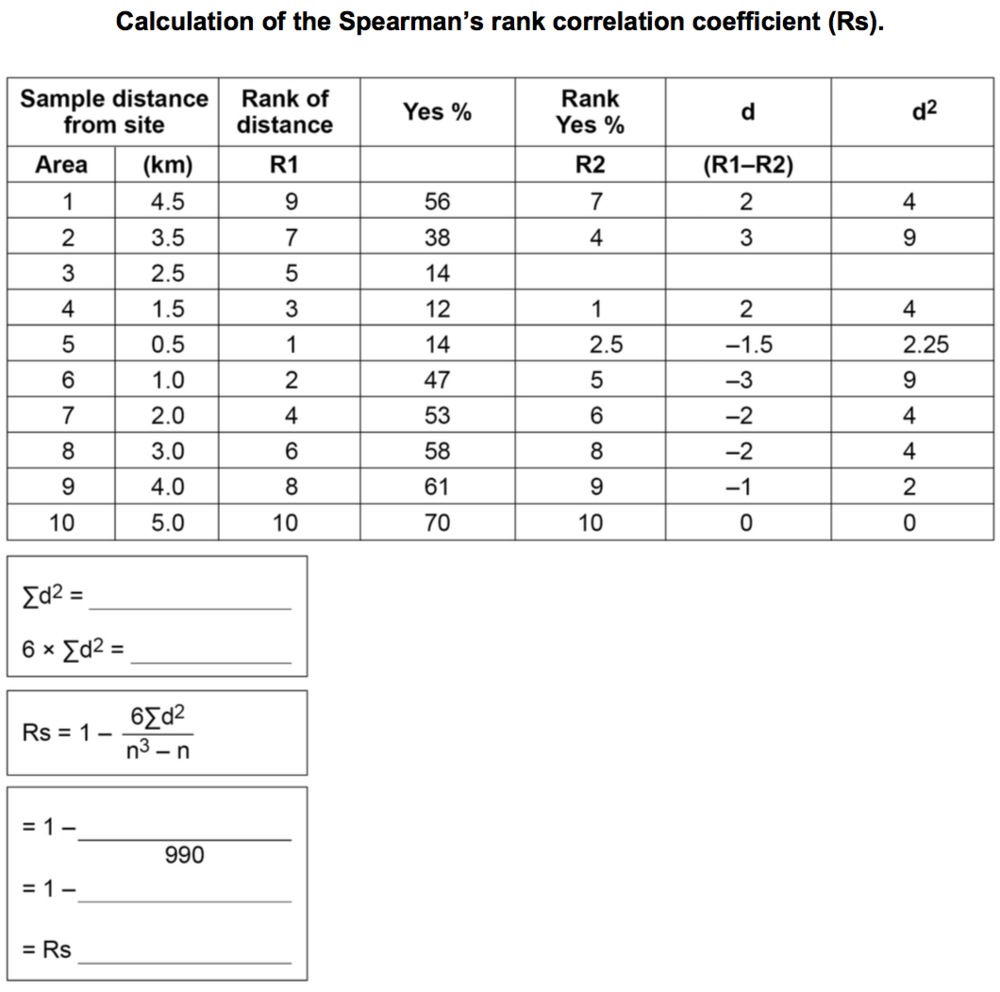
- A2.5
- B2.5
- C6.25
- D44.5
- E267
- F267
- G0.27
- H0.73
42Complete the calculation of Rs (4 Marks)
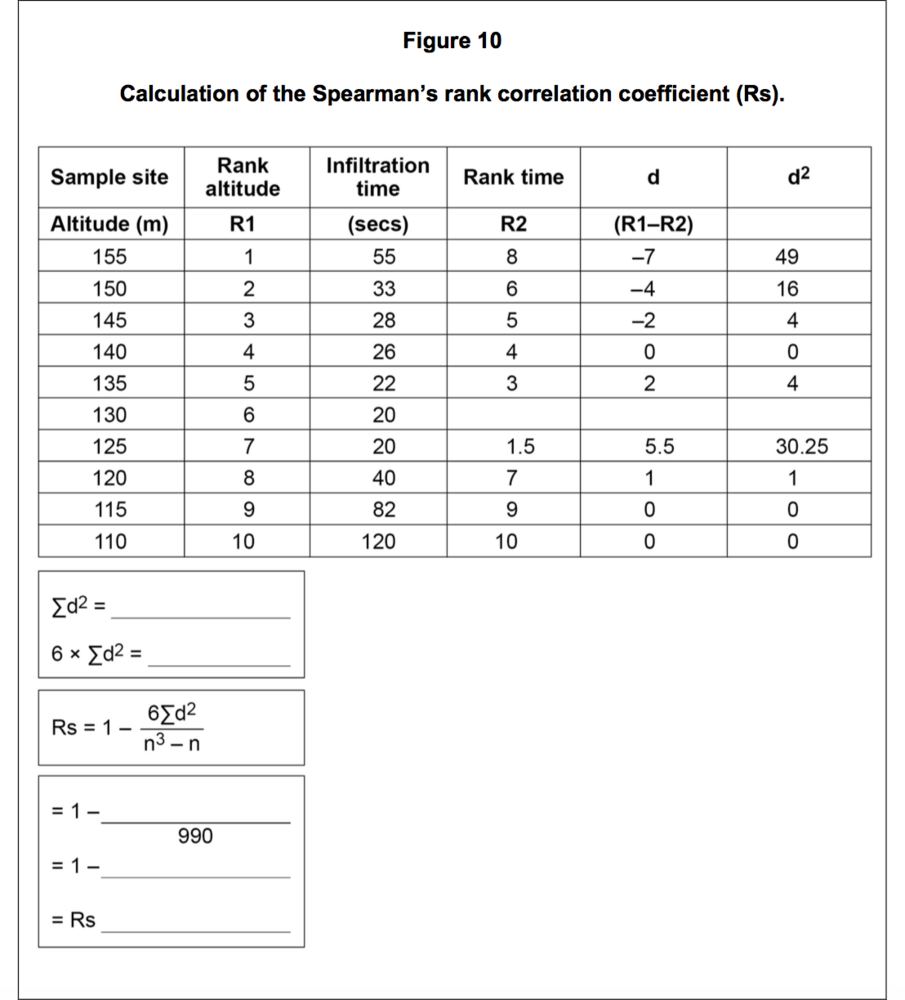
- A1.5
- B4.5
- C20.25
- D124.5
- E747
- F747
- G0.755
- H0.245
43[blank_start]Redditch[blank_end], Worcestershire is the location for the Local Place study
- ARedditch
44what is the location of Redditch?
- Afound in the west midlands
- Blocated to the south of the major city: Birmingham
- Clocated to the north-west from the capital city of England: London
- Dfound in the east midlands
- Elocated to the south of the major city: Gloucester
45what is the location of Matchborough?
- Alocated in the east of Redditch
- Bborders mappleborough green, a district of Studley
- Clocated in the west of Redditch
- Dborders Woodrow, a district of Redditch
46what is the locale of Redditch?
- AIn 1807, the tardebigge wharf on Birmingham-Worcester canal was opened - this allowed redditch manufacturers to transport their goods easier
- Bby 1850, the needle district was producing around 25 million needles and 5 million fishhooks
- Cby the end of 19th century, Henry Millard & Sons Ltd had the largest factory in England for needle production
- DIn 1858, the construction of a railway line from Redditch to barn green began and opened for passengers and goods traffic in 1859.
- Ein 1868, the construction of a railway line from Redditch to barn green began and opened for passengers and goods traffic in 1870.
- Fby 1870, the needle district was producing around 15.7 million needles and 5 million fishhooks
47describe the physical change of Redditch since the 19th century?
- Athe roads have been pedestrianised near the palace theatre, which has been refurbished.
- Bthe library remains unchanged with only minor changes to the entrance facade
- Cthe kingfisher centre was under construction in the 19th century. it is now finished and remains largely unchanged. the inside of the centre has been regenerated with a new modern interior. the stores are no longer local, independent businesses, but are large, global TNCs
- Dthere has been a substantial increase in closes and cul-de-sacs
- Ethe man-made 'Arrow Valley' lake was constructed in the 1970s and is still present
- Froads created near the palace theatre, which has been refurbished.
- Gthe library has been rebuilt and has been redeveloped
48what is Redditch's changing demographic and cultural characteristics?
- Abased on census data from 2001-2011, the population of Redditch grew by 0.68% each year.
- Bthe population was 84,300 in 2011
- Cpopulation density was 15.5 per hectare in 2011 census
- Dwithin Redditch, 87.39% of the population is white British. White other takes up 3.88%. The most populated ethnic minority group is Pakistani, which makes up 3.06% of Redditch's population
- Ethe UK's 2014 population survey found 12 in every 100 people in Redditch were born outside the UK
- F25% of Redditch's population are most deprived. this is higher than the England average of 20%
- G42,220 people are economically active and 16,303 people are economically inactive
- H11,500 people's highest qualification is level 2 (GCSE A*-C) however 17,000 people do not have any qualifications
- Ibased on census data from 2001-2011, the population of Redditch grew by 1.68% each year.
- Jpopulation density was 16.5 per hectare in 2011 census
49what is Matchborough's changing demographic and cultural characteristics?
- Ain 2011 census, the total population was 6085. During 2001-2009, the population of match borough fell by between 16-19%.
- Bthere are 21.4 people per hectare in matchborough
- Cthere is an equal ratio of males to females in the area at 1:1
- DThe white population made up of 94.3% of the total population in 2011. Asian is the most populated ethnic minority group at 2.6% of the total population
- E45.7% classified their health as caution. only 11.7% classified it as healthy
- F72.8% of the population are economically active
- Gin 2011 census, the total population was 7085. During 2001-2009, the population of match borough fell by between 16-19%.
- Hthere are 15.5 people per hectare in matchborough
50what is the cultural change in Redditch as a result of immigration and gentrification
- ARedditch has become increasingly multi-cultural with many ethnic groups opening facilities for ethnic or religious minority groups such as the Redditch central mosque
- Bas a result of the expansion of the EU, immigration has increased in the area. as a result, shops are now adapting to the changing market. store such as Tesco, now stock polish products for the new migrant population
- Cin the town centre of Redditch, Gentrification has begun to take place in the shopping centre. money has been invested to the centre, which has led to an increase in redevelopment of the other buildings in the surrounding area
- Dglobalisation and placelessness has began to occur in the area as independent, small businesses cannot afford higher rents. this has affected the culture due to the homogenisation of the area
- Eas a result of the contraction of the EU, immigration has increased in the area. as a result, shops are now adapting to the changing market. store such as Tesco, now stock english products for the new migrant population
- Fin the town centre of Redditch, Gentrification has finished taking place in the shopping centre. money has been de-invested from the centre, which has led to an increase in redevelopment of the other buildings in the surrounding area
51what is the lived in experience of Redditch
- Arecent decrease in quality of life as a result of the closure of facilities at the Alexander hospital has led to a worsened experience.
- Bschool boy Callum Cartilage, Aged 8, who lived just 2 minutes away from the Alexander hospital had to go to the Worcester royal hospital due to the reduced services and so consequently died travelling further away
- Cincrease in equality allowing women and LGBTQ+ to feel more comfortable in their local area
- Ddecrease in equality allows women and LGBTQ+ to feel more comfortable in their local area
- Erecent increase in quality of life as a result of the closure of facilities at the Alexander hospital has led to a worsened experience.
52[blank_start]Stratford[blank_end], London is the location for the Distant/Contrasting Place study
- AStratford
53what is the location of Stratford?
- AStratford is located in the north-west corner in the Newham borough
- BNearby wards are west ham to the east and canning town north to the south
- Ccentral London is located to the west of stratford and takes around 40 minutes to travel to by car from Stratford to London
- Dthe queen Elizabeth olympic park is located to the south-east of stratford
- Ethe queen Elizabeth olympic park is located to the south-west of stratford
- FStratford is located in the north-east corner in the Newham borough
54what is the locale of Stratford?
- Ahistorically, Stratford was a place associated with transport, with omnibuses and coaches running into London four times every hour and coaches running from east anglia passing through hourly
- Bon 20th June 1839, Stratford station was opened by eastern counties railway. A railway works and depot for engines and rolling stock was established to the north of Stratford
- Cat its peak, the works employed over 2500, many of whom had homes, along with other rail workers in the area
- Dthis meant the area didn't expand into other industries. as a result when deindustrialisation occurred later into the 19th century, the economy greatly fell.
- EStratford was originally called Hudson town after George Hudson, the 'railway king' but after his role in bribery and fraud was revealed, the settlement quickly became known as Stratford.
- Fin the 20th century, stratford faced de-indstrialisation. the effects were intensified after the closure of London docks
- Grejuvenation allowed 42,000 new jobs to be created
- H£12 billion was invested, £9 billion of which was private money.
- I£120 million was invested, £90 million of which was private money.
- Jrejuvenation allowed 4,200 new jobs to be created
55what is Stratford's changing demographic and cultural characteristics?
- Ain 2011, Newham's population was 307,000
- Bpopulation grew by 10.7% from June 2007 to March 2011
- CNewham's population density was 42.4 per hectare in 2011
- D52% of the population is male and 48% are female
- Ein 2011, 29% of the population was white
- F51% of residents have a foreign identity
- GNewham's pupils get lower SAT results than the London average
- Hin 2009, 19.1% of people in Newham aged 16-64 had no qualifications
- Iin 2011, 19.1% of people in Newham aged 16-64 had no qualifications
- J59% of residents have a foreign identity
56what is the lived in experience of Stratford
- Abased upon the BBC 2 show 'The Victorian Slum' the difference in peoples experiences have changed quite sharply. in the 19th century, many residents were in poverty and the lower class
- Bthese residents benefited from Kind Edwards VII's illness just before his coronation. Due to illness the coronation was postponed. instead of throwing the food way it was donated to the poor
- Cin the present day, many residents feel the area is overwhelmed by immigrants. the current residents have seen a process called white-flight take place where many white residents have moved to different areas. this is a key reason for the large percentage of ethnic minority groups in Newham
- Dthe £12 billion investment into the area allowed a phenomenal change in the area. most of the money was used in transport, which has enabled stratford to become the second largest transport links in the London area
- Ethe £120 million investment into the area allowed a phenomenal change in the area. most of the money was used in transport, which has enabled stratford to become the second largest transport links in the London area
- Fin the present day, many residents feel the area is underwhelmed by immigrants. the current residents have seen a process called ethnic-flight take place where many white residents have moved to different areas. this is a key reason for the large percentage of ethnic minority groups in Newham
57what is the physical change of Stratford since 19th century
- Athe high street used to be a busy part of stratford with many buildings being independent stores. However, it is now very quiet with wider roads and homes and hotels
- Bstratford station has be regenerated so now it is a modern, glass cladded building with sleek architecture and bright LED signage.
- Cthe church of st John the Evangelist, remains mostly unchanged. while the building remains in good condition
- Dthe high street used to be a quiet part of stratford with many buildings being independent stores. However, it is now very busy with wider roads and shops and hotels
58what is the cultural change in Stratford as a result of immigration and gentrification
- Aimmigration has shaped the local culture by devaluing local pubs. As many immigrants do not drink alcohol due to religious beliefs; this has caused many local pubs to close
- Brecent gentrification has meant many middle class residents have moved in, bringing with them luxury stores causing other to have to move out due to higher cost of living. This has affected culture as local shops closed and chain stores opened turning stratford into a homogenised place
- Cmany tourists visiting the area for London olympics want a taste of British culture, leading to a rise in facilities such as fish and chip shops.
- Dimmigration has shaped the local culture by increasing the value of local pubs. As many immigrants do not drink alcohol due to religious beliefs; this has caused many local pubs to reopen
59[blank_start]Polar[blank_end] and [blank_start]Tropical Monsoon[blank_end] are the two climates that are case studies
- APolar
- BTropical Monsoon
60what is the correct summary of the polar climate
- APolar Climates are characterized by a lack of warm summers. Every month in a polar climate has an average temperature of less than 10 °C.
- BThere are generally two versions of a tropical monsoon climate: Less pronounced dry seasons and Extraordinarily rainy wet seasons and pronounced dry seasons.
Many think that the term "monsoon" means wet weather, when in fact it describes an atmospheric circulation pattern.
61what is the climate in like in polar climate areas?
how does this affect the soil?- AAntarctica is the coldest continent on earth, and has a climate of extremes.
- BAntarctica knows periods of continual daylight and darkness, called "polar summer" (end May - Sept) and "polar winter" (end Nov - March).
- CThe total ice-free area of Antarctica comprises less than 0.4% of the continent
- DAntarctic soils are characterised by extremely low soil temperatures, with an average mean annual temperature ranging between –15°C and –40°C, and low soil moisture.
- EThe soils typically have low levels of carbon and nitrogen and are low in clay; consequently they have little pH buffering capacity.
- FAntarctica is the warmest continent on earth, and has a climate of extremes.
- GAntarctica knows periods of continual daylight and darkness, called "warm summer" (end May - Sept) and "polar winter" (end Nov - March).
62How many people live in polar climates?
How and why has population growth changed over time?- Athere are no permanent residents
- BIn 2010, 37,000 tourists visited the continent.
- CDuring 2016-2017, 44,000 tourists visited the continent. The number of tourists increased because of the increasing popularity of the destination.
- DDue to the increasing popularity, there was also new tourist facilities which further attract people to the area.
- EDue to the increasing popularity, there was also a fall in tourist facilities which further attract people to the area.
- FDuring 2016-2017, 4,000 tourists visited the continent. The number of tourists increased because of the increasing popularity of the destination.
- GIn 2010, 3,700 tourists visited the continent.
63What type of farming takes place in polar climates and why?
- AFishing happens because of the surrounding seas along the coastline which is now also increasing with the ice melt as a result of climate change.
- BThe main fish that is sort after is called Krill.
- CDue to the climate in Antarctica, there is very little green farming in the area.
- DThere is very little ice-free area on the land so therefore the main type of farming is Fishing.
- EThe main fish that is sort after is called Salmon.
- FDue to the climate in Antarctica, there is lots of green farming in the area.
64what is the correct summary of the tropical monsoon climate
- APolar Climates are characterized by a lack of warm summers. Every month in a polar climate has an average temperature of less than 10 °C.
- BThere are generally two versions of a tropical monsoon climate: Less pronounced dry seasons and Extraordinarily rainy wet seasons and pronounced dry seasons.
Many think that the term "monsoon" means wet weather, when in fact it describes an atmospheric circulation pattern.
65what is the climate in like in tropical monsoon climate areas?
how does this affect the soil?- ATemperatures remain high all year in the monsoon climate. In Mangalore, India, the average annual temperature is 27.05 oC but only has an annual temperature range of 3.6 oC .
- BThe monsoon climate tends to have its highest temperature just before rainy period. Once the rainy period starts, clouds block incoming solar radiation to reduce monthly temperatures.
- CMuch of the soils in South India are Red Sandy Soils and along the coast are mainly Alluvial Soils.
- DThe climate also has a high enough average temperature so that crops do not freeze but not too hot that they wither.
- EThe climate also has a high enough average temperature so that crops do freeze but not too hot that they wither.
- FMuch of the soils in South India are Podsols Soils and along the coast are mainly Alluvial Soils.
66How many people live in tropical monsoon climates?
How and why has population growth changed over time?- ASouth-India’s population grew by 106% from 2009-2011.
- BAs per the 2011 census of India, the estimated population of South India is 252 million.
- CDue to the farming industry, many families feel that it is best for them to have many children to help on the farm.
- DOther people feel that having children is a blessing from God and the more you have the better it is.
- EAs per the 2011 census of India, the estimated population of South India is 25.2 million.
- FSouth-India’s population grew by 10.6% from 2009-2011.
67What type of farming takes place in tropical monsoon climates and why?
- AThe climate allows for these crops to be grown as it provides enough rainfall to sustain the crops along with good temperatures that do not cause the crops to freeze or to whither due to the heat.
- BThe soils and climate in India allow the crops such as: rice, wheat, cotton, jute, sugarcane, groundnut, millet, tobacco and potato to be grown.
- CMuch of the soils in South India are Red Sandy Soils and along the coast are mainly Alluvial Soils.
- DMuch of the soils in South India are Podsol Soils and along the coast are mainly Alluvial Soils.
- EThe climate allows for these crops to be grown as it provides enough rainfall to sustain the crops along with good temperatures that cause the crops to freeze or to whither due to the heat.
68L[blank_start]atosol[blank_end] and P[blank_start]odsol[blank_end] are the zonal soil case studies
- Aatosol
- Bodsol
69what are the characteristics of the O Horizon of Latosols
- AA lot of organic matter, rapid decomposition.
- BThin layer due to intense bacterial activity
- CThick layer due to intense bacterial activity
- DNot much organic matter, rapid decomposition.
70what are the characteristics of the A Horizon of Latosols
- AVery thin layer due to short nutrient cycle
- Bcontains aluminium and iron oxides
- CVery thin layer due to long nutrient cycle
71what are the characteristics of the B Horizon of Latosols
- AVery deep layer
- Bintense leaching
- Cuniform in texture due to intense leaching in high temperatures
- Duniform in texture due to intense leaching in cool temperatures
- EVery narrow layer
72parent rock is the material at the C Horizon in Latosols
- ATrue
- BFalse
73parent rock is the material at the R Horizon in Latosols
- ATrue
- BFalse
74what are the characteristics of the O Horizon of Podsols
- ADark soil
- BEvergreen trees grow well and deposit leaf litter
- CLight soil
75what are the characteristics of the A Horizon of Podsols
- ANutrients are stored for long time due to lower temperatures.
- BZone of eluviation.
- Csevere leaching.
- DNutrients are stored for long time due to high temperatures.
76what are the characteristics of the B Horizon of Podsols
- AIron and aluminium accumulate to form a thin orange hard pan layer
- BThis hard pan hinders drainage and creates water logging
- CThis hard pan makes drainage better and reduces water logging
77what are the characteristics of the C Horizon of Podsols
- Aweathered bedrock
- Bvery little organic material
- Clots of organic material
78bedrock is the material at the R Horizon of podsols
- ATrue
- BFalse
79[blank_start]Malaria[blank_end] is the case study for a communicable disease
- AMalaria
80what is the distribution of malaria around the globe
- AAround 90% of deaths occur in Africa, where an estimated one-child death per minute occurs through malaria, although Asia, Latin America and the Middle East also experience the disease.
- BTemperature is particularly critical. For example, at temperatures below 20oC Plasmodium falciparum cannot complete its growth cycle.
- CCountries found along the equator see a higher risk and are locations where transmission occurs
- DCountries found along the equator see the lowest risk and are locations where transmission doesn't occur
- Ein Africa, where an estimated one-adult death per minute occurs through malaria,
81what is the prevalence of malaria around the globe
- AMalaria infects around 500 million people yearly and causes over 1 million deaths.
- BGlobally, around 3.2 billion people are at risk of contracting the disease.
- CThe incidence of malaria was found to significantly decrease with age. The risk of malaria is higher in children under 10 years.
- DThe incidence of malaria was found to significantly increase with age. The risk of malaria is higher in children over 16 years.
82how is malaria spread from mosquitos to humans
- A1. Bite from an infected mosquito
- B2. Parasite starts reproducing in the liver, some parasites remaining dormant for years before becoming activated.
- C3. In the blood stream, further reproduction occurs within red blood cells
- D4. Parasite reproduction results in further red blood cell infection
- E5. Cycles of red blood cell infection and destruction coincide with fever and chills
- F6. Dormant versions of the parasite are ingested by another parasite
- G1. Dormant versions of the parasite are ingested by another parasite
- H4. Cycles of red blood cell infection and destruction coincide with fever and chills
- I4. In the blood stream, further reproduction occurs within red blood cells
83there is no seasonal incidence of malaria
- ATrue
- BFalse
84Elements of the physical environment causing malarias transmission/ Environmental variables affecting malarias transmission
- AAltitude is one of the most important factors that determines the pattern of malaria transmission in Ethiopia. Altitude in Ethiopia varies from 100 metres below sea level to more than 4,000 metres above sea level.
- BRelative humidity affects malaria transmission through its effect on the activity and survival of mosquitoes. Mosquitoes survive better under conditions of high humidity.
- CThe local natural environment is responsible for the existence of the mosquito and the Plasmodium parasite.
- DThe local natural environment is not responsible for the existence of the mosquito and the Plasmodium parasite.
- ERelative humidity affects malaria transmission through its effect on the activity and survival of mosquitoes. Mosquitoes survive better under conditions of low humidity.
85Socio-economic factors affecting malaria's transmission
- AWhen mosquitos bite infected people, they become infected themselves and spread the disease on to other people.
- BA greater number of infections occur where people have low immunity. This makes malaria more prevalent within endemic areas that are holiday destinations or places where people migrate to.
- COvercrowding, high rates of urbanisation and poor quality housing all enable the rapid spread of the infection.
- DThe economic impact of malaria is estimated to cost Africa $12 billion every year.
- EThe economic impact of malaria is estimated to cost Africa $120 million every year.
- Funderpopulation, high rates of urban-rural migration and poor quality housing all enable the rapid spread of the infection.
86malaria's impact on health and wellbeing
- AThe WHO African Region continues to carry a disproportionately high share of the global malaria burden. In 2015, the region was home to 90% of malaria cases and 92% of malaria deaths.
- BSome 13 countries - mainly in sub-Saharan Africa - account for 76% of malaria cases and 75% deaths globally.
- CSome 15 countries - mainly in sub-Saharan Africa - account for 76% of malaria cases and 75% deaths globally.
87management and mitigation strategies for malaria
- APrevention: anti-malarial medicines can be prescribed to people visiting affected areas temporarily. Diagnosis and treatments prevents deaths and helps reduce transmission.
- BManagement: controlling vectors reduces malaria transmission. Sleeping beneath insecticide-treated mosquito nets (ITNs) or indoor residential insecticide (IRS) spraying can both be effective.
- CEradication: malaria elimination is achieved when cases of malaria have been reduced to zero. Eradication occurs when the reduction of cases to zero become permanent. Although malaria cases are decreasing among 55 countries, only 4 countries have eliminated the disease.
88describe the global prevalence and distribution of coronary heart disease
- ACHD is the leading cause of deaths worldwide, accounting for 7.5 million deaths annually
- BCHD rates vary considerably among populations and the risk of heart attacks within populations from across the world can be ascribed to the varying levels of risk factors among individuals
- CCHD is the leading cause of deaths worldwide, accounting for 5.7 million deaths annually
89impacts of CHD on health and well-being
- Amost common symptom of CHD is angina; a low level but fairly constant chest pain which can spread to other parts of the upper body
- Bthe other main symptoms of CHD are heart attacks and heart failure. heart attacks can permanently damage the heart muscle and, if not treated straight away, can be fatal
- Cit is posible to recover from heart-attacks and this affects their well-being as they can loose confidence in undertaking physical activity
- Dleast common symptom of CHD is angina; a low level but fairly constant chest pain which can spread to other parts of the upper body
90impacts of CHD on economic well-being
- Athere is a cost to the individual, family, government, and country of lost productivity.
- Bin 2009, CHD is estimated to have cost the UK health care system around £8.7 billion and to cost the UK economy was estimated at £19 billion
- Chealthcare costs associated with smoking related illnesses result in a global net loss of US$200 billion per year
- Dthe number of people who die or are disabled by CHD could be halved with wider use of a combination of drugs that costs just US$14 a year per patient
- Ethe number of people who die or are disabled by CHD could be halved with wider use of a combination of drugs that costs just US$140 a year per patient
- Fin 2010, CHD is estimated to have cost the UK health care system around £8.7 billion and to cost the UK economy was estimated at £20 billion
91what are the links between CHD and socio-economic environment
- Ain developed countries, socio-economic factors and lifestyles diseases are much more important determinants of CHD prevalence
- Btobacco use, alcohol use, high blood pressure, high cholesterol, poor nutrition and obesity all increase the chances of CHD
- Ctobacco use, alcohol use, high blood pressure, high cholesterol, poor nutrition and obesity all decrease the chances of CHD
92what are the links between CHD and air quality
- Aindustrialisation has brought a number of negative effects. studies in the US have shown that increased exposure to air borne pollutants, increases the risks of CHD
- Bindustrialisation has brought a number of negative effects. studies in the US have shown that decreased exposure to air borne pollutants, increases the risks of CHD
93there are no clear links between CHD risk and relief and topography other than the notion that more challenging relief requires more physical effort when walking, which can be advantageous in increasing exercise and activity but can be a threat to individuals with underlying risks
- ATrue
- BFalse
94what does WHO say the negative impacts of urbanisation are on CHD risks
- Apoor access to healthcare services, healthy foods and safe, green spaces increase risks
- Bcrowded environments can spread diseases
- Ccity dwellers are more likely to be exposed to marketing for unhealthy foods, tobacco and alcohol
- Dvillage dwellers are more likely to be exposed to marketing for unhealthy foods, tobacco and alcohol
95CHD mortality rates were found to be lower in areas with lower average temperatures and hours of sunshine in a UK study. this suggests that climate has a small but significant impact on CHD mortality rates.
- ATrue
- BFalse
96how can CHD be prevented
- Ain the UK, dieticians promote the benefits for heart health of eating oily fish, more fruit and vegetables, and less saturated fats
- Bin Finland, community based interventions, including health education and nutrition labelling, have led to population-wide reductions in cholesterol levels closely followed by a sharp decline in CHD mortality rates
- Cin Japan, government-led health education campaigns and increased treatment of high blood pressure have reduced blood-pressure levels in the population
- Din USA, community based interventions, including health education and nutrition labelling, have led to population-wide reductions in cholesterol levels closely followed by a sharp decline in CHD mortality rates
97[blank_start]Hart[blank_end], Hampshire is the location of the case study on the relationship between place and health related to its physical environment, socio-economic character and the experience and attitudes of its populations.
- AHart
98what are Hart's health characteristics
- Amuch lower than average mortality rates
- Blower cases of key diseases
- Chigher life expectancy for both men and women
- Dhas higher than England average in health summary 2015 is killed and seriously injured on roads
- EEnglands best value for children in poverty
- FEnglands best life expectancy at birth for males at 83
- GEnglands best life expectancy at birth for females at 83
- Hhigher than average mortality rates
99what are the impacts of Hart's physical environment on health
- Aresidents enjoy a relatively good climate - less rainfall per year than the national average and more weekly sunshine hours
- Bresidents have easy access to areas of outstanding natural beauty such as the Wew forest and the Test valley. more locally, Bartley heath and Hook contain miles of protected habitats open for the public to explore
- Cresidents have a poor climate - more rainfall per year than the national average and more weekly sunshine hours
100what are the impacts of socio-economic character on health in Hart
- Athe employment rate for Hook is 77%, higher than the national average of 71%. only 2% is classified as unemployed
- Bresidents tend to be fit and well - over 97% reported good or fairly good health in the 2011 census
- Cdeprivation levels are low. the geographical area of Hook is among the 20% least deprived areas of the country.
- Dthe employment rate for Hook is 74%, higher than the national average of 71%. only 2% is classified as unemployed
101local websites show that Hook is a lively and friendly place which, was a wide range of local community groups including a choral group, theatre group and a local history groups. the base youth group runs activities for young people and charity groups such as Lions and local rotary groups raise thousands of pounds each year for good causes. this shows that the experience and attitudes of the population in Hart positively affects their health.
- ATrue
- BFalse
102[blank_start]Japan[blank_end] is the case study for population change
- AJapan
103how does the physical environment influence the size and distribution of Japan's population
- AAround 70% of the land is mountainous, so the people live in a relatively small proportion of the total land area, so the urban areas are densely populated
- Bthe climate in most of the major cities, including Tokyo, is subtropical and consists of four seasons.
- Cthere are frequent hazards from earthquakes and volcanic eruptions
- Djapan has a small number of fossil fuel and mineral deposits
- EAround 65% of the land is mountainous, so the people live in a relatively small proportion of the total land area, so the urban areas are densely populated
104how has japans population changed
- Apopulation peaked at 128 million in 2009, it is now 127 million in 2017
- Bthe median age is 47 years
- Cjapan is shrinking at a rapid pace. the country lost 244,000 people in 2013 as births plunged and deaths soared
- Dthe median age is 37 years
- Ejapan is shrinking at a rapid pace. the country lost 20,400 people in 2013 as births plunged and deaths soared
105what is the demography and culture of Japan
- Atraditionally, males were the key roles in the economy but as Japanese society moved towards a post-industrial service economy, well educated females have become an increasingly important part of the workforce
- Bjapan is in stage 5 of the DTM
- Cit is thought that by 2050, japans populations will decline by 30% and 50% by 2100
- Dyoung dependants make up only 13.5% of the population
- Ethe burden borne by the working and younger population in supporting the elderly may become unsustainable
- Fyoung dependants make up 21.5% of the population
- Gjapan is in stage 4 of the DTM
106what are the positive impacts of an ageing population on Japan
- Athere is a growth in the number of private hospitals specialising in elderly healthcare and so creating jobs and income
- Bthere is an increasing demand for leisure activities and tourism among the affluent elderly - also generating income and creating jobs
- Cthere is a reduction in the number of private hospitals specialising in elderly healthcare and so reducing jobs and income
107what are the socio-economic implications of Japan's ageing population
- A25% of the governments budget is spent on pensions/social security for the elderly
- Bthe working population is shrinking fast, which will have a negative effect on domestic economic growth - affecting production and consumption
- Ca rise in home care by families, who may have to give up full-time jobs to become sole carers, takes more workers away from the economic workforce
- Drising number of cases of dementia
- E21% of the governments budget is spent on pensions/social security for the elderly
- Fa fall in home care by families, who may have to give up part-time jobs to become sole carers, takes more workers away from the economic workforce
108what are the reasons for japans ageing population
- Apregnancy is expensive in Japan as it is not covered by health insurance
- Bchild benefit paid by government is low
- Cwomen receive good education so as a result many are more focused on careers, so they have fewer children
- Dprice of schooling in japan has risen - many can only afford to send one child to school
- Epregnancy is expensive in Japan even though it is covered by health insurance
- Fprice of schooling in japan has risen - many can only afford to send two children to school
109responses to the ageing population by the Japanese government
- Aoffered social care to those aged 65+ on the basis of needs alone - the system is part-funded by compulsory premiums for all those over 40 and is part funded by national and local taxation. the scheme is extremely popular
- Braised the retirement age to 70
- Craised taxes - once by 5% and again by a further 5% in 2015
- Dpro-natal population policies - encouraging parents to have more children by increasing maternity leave, child allowances and day care support
- Eraised the retirement age to 72
- Fraised taxes - once by 5% and again by a further 3.5% in 2015
110[blank_start]Coffee[blank_end] is the case study for a Commodity.
- ACoffee
111where is coffee grown and why?
- ABetween the tropics of cancer and Capricorn – Near to the equator where the climate is humid and warm
- BBrazil is the largest supplier of coffee today
- CAlso grows in Ethiopia, Indonesia and Papua New Guinea
- DOften grown in mountainous areas
- EBetween the tropic of cancer and north pole – Near to the equator where the climate is dry and cold
- FOften grown in low-sea level areas
112who are the main exporters of coffee?
- A1.Brazil: US$4.9 billion (15.9% of total coffee exports)
- B2.Vietnam: $3.2 billion (10.5% of total coffee exports)
- C3.Colombia: $2.5 billion (8% of total coffee exports)
- D4.Germany: $2.3 billion (7.6% of total coffee exports)
- E5.Switzerland: $2.1 billion (6.7% of total coffee exports)
- F1.Colombia: $4.9 billion (15.9% of total coffee exports)
- G3.Brazil: $2.5 billion (8% of total coffee exports)
113who are the main importers of coffee?
- A1. United States ($5.7 billion) (19.5% of coffee imports)
- B2. Germany ($3.4 billion) (11.4% of coffee imports)
- C3. France ($2.4 billion) (8% of coffee imports)
- D4. Italy ($1.7 billion) (5.7% of coffee imports)
- E5. Japan ($1.4 billion) (4.8% of coffee imports)
- F5. Germany ($1.4 billion) (4.8% of coffee imports)
- G2. Japan ($3.4 billion) (11.4% of coffee imports)
114What are the trading patterns of coffee?
- AProduced along the equational region
- BCountries importing coffee consume more than countries that export coffee
- CCoffee moves from South America (Brazil), Central Africa and Asia (India) to USA and Europe (UK, Germany, France)
- DOver 90% of coffee production takes place in developing countries - mostly South America, while consumption happens mainly in the industrialised economies.
- ECountries exporting coffee consume more than countries that import coffee
- FOver 90% of coffee production takes place in industrialised countries, while consumption happens mainly in the developing economies.
115positives of trading coffee
- ABrazil has a positive cash flow so they have a strong competitive advantage
- BSupports local communities and workers
- CHigher growth opportunities. A rapidly increasing demand for a commodity can see increases in prices significantly time to time. It provides a lot of opportunities to make quick income through commodity investment.
- D25 million families worldwide are employed in coffee production. This helps to bring families out of poverty and unemployment.
- ECoffee was the second most valuable commodity exported by developing countries from 1970 to 2000. This helped their economies to grow and begin to stabilise the country.
- FCoffee is plays a vital role in the developing countries economies. Coffee makes up over half of Uganda’s exports and three-quarters of Burundi’s.
- GCoffee was the most valuable commodity exported by developing countries from 1970 to 2000. This helped their economies to grow and begin to stabilise the country.
- HBrazil has a negative cash flow so they have a weak competitive advantage
- I25.6 million families worldwide are employed in coffee production. This helps to bring families out of poverty and unemployment.
116negatives of trading coffee
- AFair-Trade-Certified coffee is not living up to its chief promise to reduce poverty.
- BThere are concerns that premiums paid by consumers are not going directly to farmers, and the quality of coffee is uneven.
- CThere are strict certification requirements that result in uneven economic advantages for coffee growers and lower quality coffee for consumers.
- D‘Sun Cultivated’ coffee involves the cutting down of frees and mono-cropping, this has led to environmental issues such as pesticide pollution, deforestation and the extinction of songbirds through habitat destruction.
- EFair-trade demands dictate what types of crops farmers must grow, this may cause economic inconveniences for them.
- F‘Sun Cultivated’ coffee involves the cutting down of frees and mono-cropping, this has led to environmental benefits such as pesticide pollution, deforestation and the extinction of songbirds through habitat destruction.
117[blank_start]Nike[blank_end] is the case study for a transnational corporation (TNC)
- ANike
118background information on Nike
- AFounded in 1964 – became known as Nike, Inc in 1971
- BOpened its first store in California in 1966
- CWorth approximately US$29.6 billion in 2017
- DMore than 75% of the workforce is based in Asia (maximising profits)
- EOpened its first store in California in 1986
- FWorth approximately US$19.6 billion in 2017
- GFounded in 1984 – became known as Nike, Inc in 1986
119spatial organisation of Nike
- AHeadquarters: Beaverton, Oregon, United States
- BProduction: more than 70% of the workforce is found in Asia (Indonesia, China and India)
- CLocated in 50 countries outside the United States
120outline the distribution of Nike's workers
- A1. Vietnam - 312,000 workers, in 65 factories
- B2. China - 249,000 workers, in 195 factories
- C3. Indonesia - 168,000 workers, in 40 factories
- D4. Sri Lanka - 32,000 workers, in 23 factories
- E5. Thailand - 31,000 workers, in 35 factories
- F1. China - 312,000 workers, in 195 factories
- G1. Vietnam - 312,000 workers, in 195 factories
- H2. Vietnam - 249,000 workers, in 65 factories
121production of Nike products
- ALike many TNC’s, Nike subcontractors use independently owned factories in different countries to produce its products
- Bthere are over 500,000 people directly engaged in the production of their products
- CNike employs a teams of four per each of the big three countries (China, Indonesia, Vietnam), that focus on both quality of product and quality of working conditions, visiting the factories weekly.
- DLike many TNC’s, Nike use factories in different countries to produce its products that they own.
- Ethere are over 800,000 people directly engaged in the production of their products
122impacts of Nike on HICs
- AGlobal revenue of over 2.8 billion U.S Dollars in 2014
- BLack of production in the United States is due to cheaper labour option in Asia, hence the move in production
- Ctrade unions complain about an uneven playing field because of big contrasts in working conditions between HICs and LICs
- Ddirect and indirect contribution to local and national tax base
- Esurge of production in the United States is due to expensive labour option in Asia, hence the move in production
- Ftrade unions complain about an uneven playing field because of small contrasts in working conditions between HICs and LICs
123impacts of Nike on LICs
- ACommunity-based ventures include Nike’s collaboration with RED to help work towards an AIDS-free future.
- BAlongside child labour allegations, Nike plants in Indonesia have been found to suffer from sexual and verbal abuse, lack of medical attention and compulsory overtime
- Ccreates substantial employment
- Dcontribution to local tax helps pay for new and improved infrastructure
- Ehuge demand of water resources and use of fossil fuels
- Flittle demand of water resources and use of fossil fuels
- Gcreates few jobs in the area
Information
- Description
- Quiz to test my knowledge on Human Case Studies for A Level Geography
- Author
- Luke Shaw
- Language
- English
- Views
- 77
- Tags
- Rating
- No ratings yet Rate this quiz