
Modal verbs
Slides in this set (5)
-
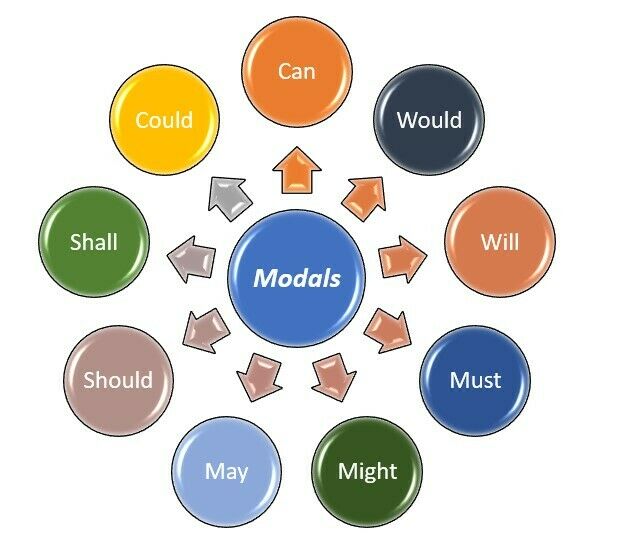
- Are auxiliary verbs that provide additional and specific meaning to the main verb of the sentence.
- Modal verbs show abilities, possibilities, intentions or necessities
-
- Can
- Should
- Must
- Could
- Might
- Ought to
- Have to
- Shall
- May
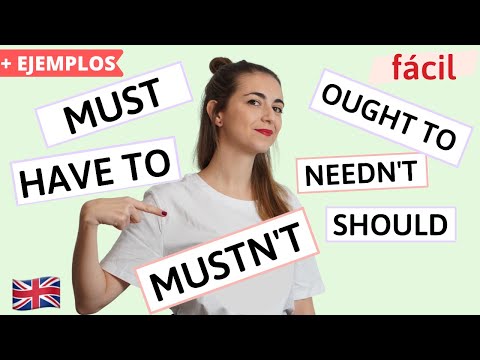
- Modal Verbs - MUST, HAVE TO, SHOULD, OUGHT TO, HAD BETTER, NEED- Explicación, ejemplos, ejercicios. (Embed)
-
- Possibilities: use can, may, or might when something is possible or not certain.
- Permission: If you want to do something, you should start your question with can, may, or could.
- Suggestion: Let’s say you want to suggest something, but at the same time you don’t want to command it.
- Ability: Can indicate whether the subject is capable of doing something.
- Request: If you ask someone else to do something, start your question with will, would, can, could.
- Oblligation or necessity: Modal verbs can express an action, such as an obligation, duty, or necessity. Likewise, the negative form expresses that an action is not necessary. Use the same modal verbs as commands: must, have to, or need to.
-
- Judging by the clouds, it could snow tomorrow.
- Alice can swim but not fish.
- This student should study more..
- His father must be proud of him.
- Could I play too?
-
- 🚀 Masterclass de verbos modales en inglés | Gramática inglesa (Embed)
- THIS VIDEO IS A COMPLETE LESSON TO PRACTICE AND UNDERSTAND THE PRINCIPAL CHARACTERISTICS ABOUT MODAL VERBS
Information
- Description
- Slide Set on Modal verbs, created by Génesis Rodriguez Salinas on 16/01/2023.
- Created by
- Génesis Rodriguez Salinas
- Views
- 0
- Rating