Flashcards
Last Lab Practical
Cards in this deck (35)
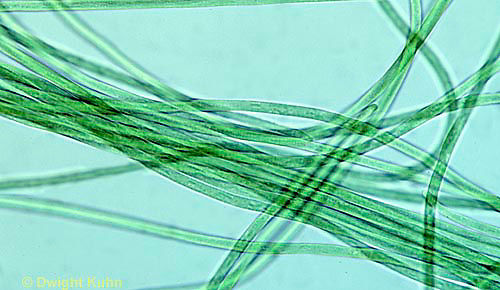
- 1—kingdom: prokarya
domain: bacteria
ploidy: haploid
photosynthetic cyanobacteria
three types: bacilli, cocci, and spirilla - 2—brown = Div. Phaeophyta
red = Div. Rhodophyta
green = Div. Chlorophyta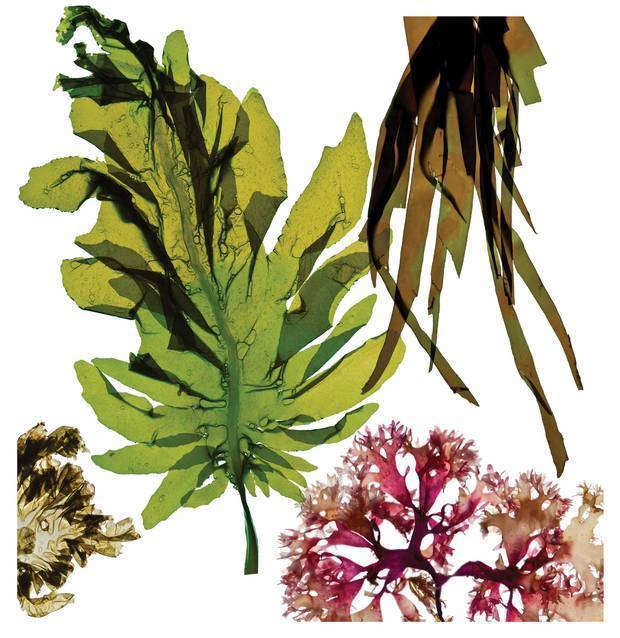
- 3—Volvox & Spirogyra
(eukaryotic algae)
division: chlorophyta (green algae)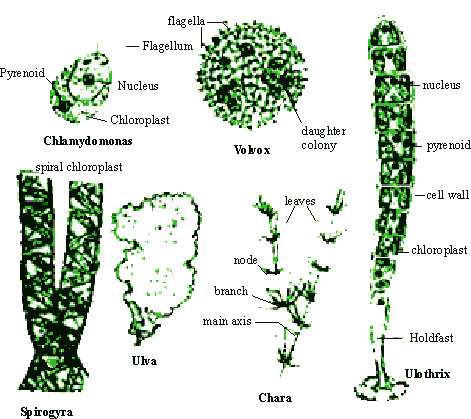
- 4—common name: moss
phylum: Bryophyta
ploidy: haploid
dominant gen: gametophyte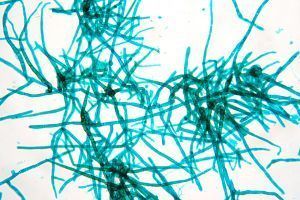
- 5—common name: moss
phylum: Bryophyta
ploidy: haploid
dominant gen: gametophyte
structure: antheridium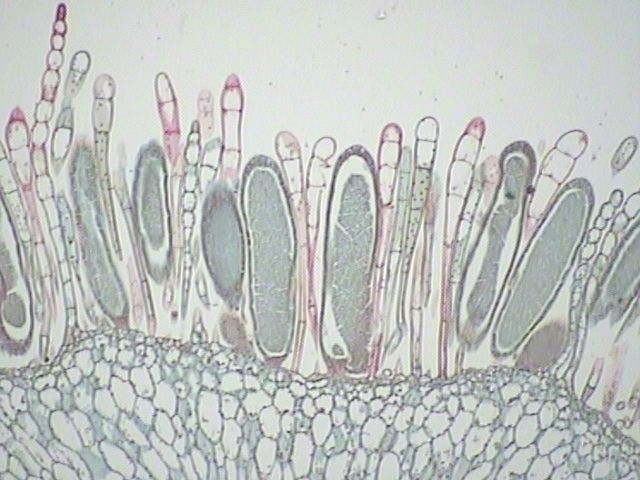
- 6—common name: moss
phylum: Bryophyta
ploidy: haploid
dominant gen: gametophyte
structure: archegonium + egg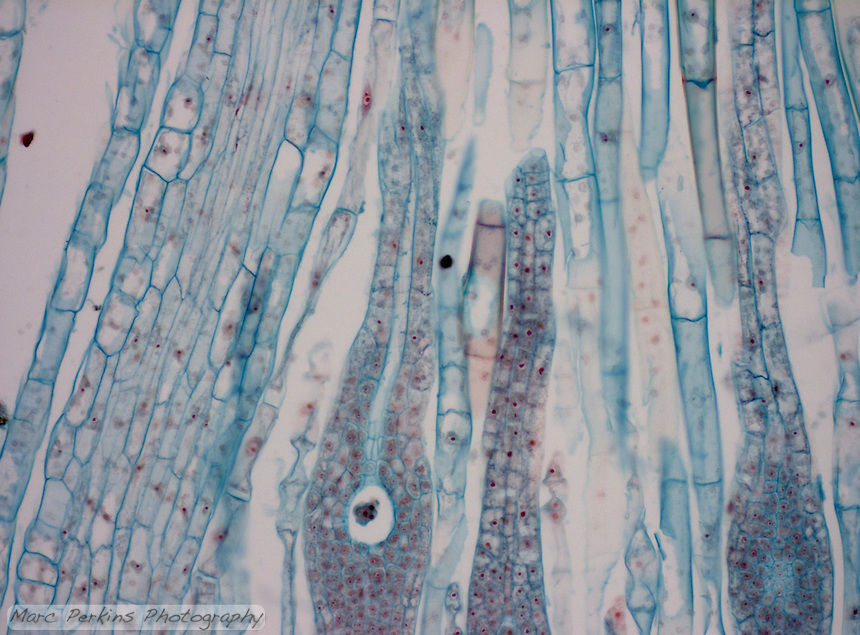
- 7—fern gametophyte (prothallus)
phylum: Monilophyta ("fern")
ploidy: haploid
dominant gen: sporophyte
structures: no cuticle (sporophyte char.), prothallus (heart-shaped), rhizoids (filaments analogous to roots; gametophyte char.), and gametangia (dark dots = archegonia/antheridia)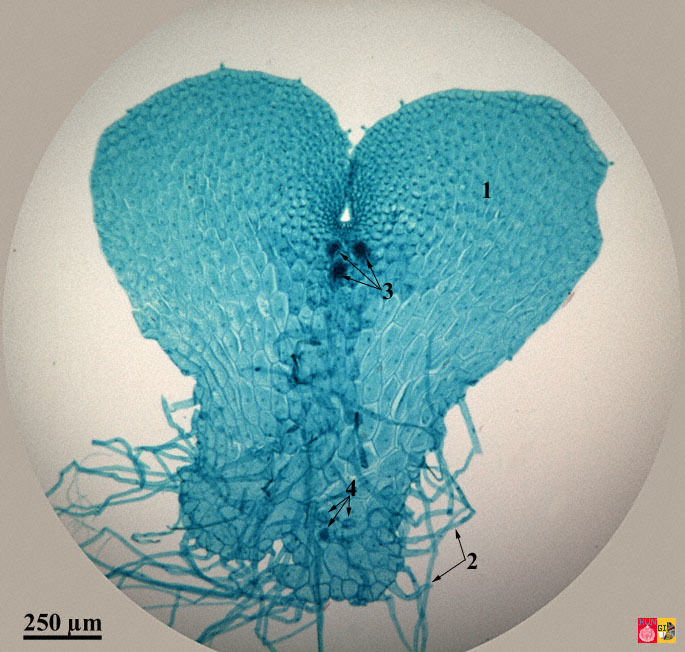
- 8—fern gametophyte + sporophyte
phylum: Monilophyta ("fern")
ploidy: "" + diploid sporophyte
dominant gen: sporophyte
structures: 2n sporophyte (grows from archegonia) and cuticle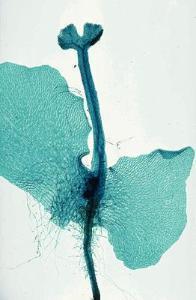
- 9—fern sporangia
phylum: Monilophyta
dominant gen: sporophyte
structures: sori (sporangia) with spores (haploid gametophyte generation)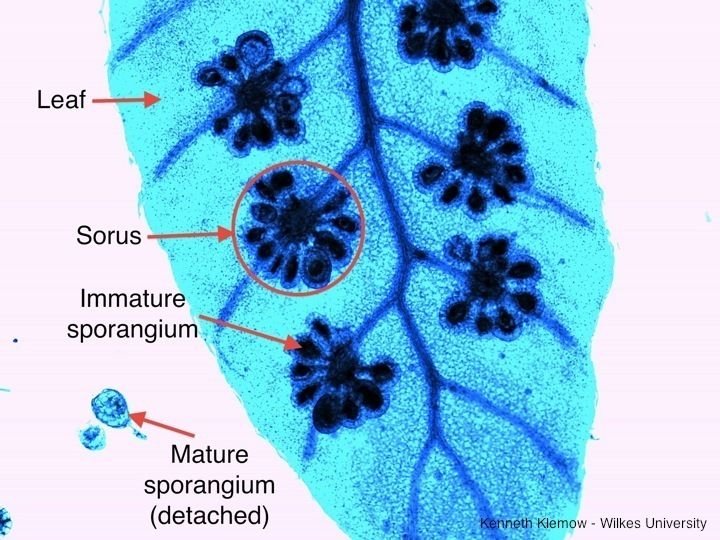
- 10—pinus ovulate cone
phylum: Coniferophyta
ploidy: diploid
dominant generation: sporophyte
structures: sterile bract (subtends branches), megasporophyll (leaves-"tray"), megasporangium/nucellus ("glass"), megasporocyte -> megagametophyte (eggs), micropyle (opening between integuments), apex (top), sporophyte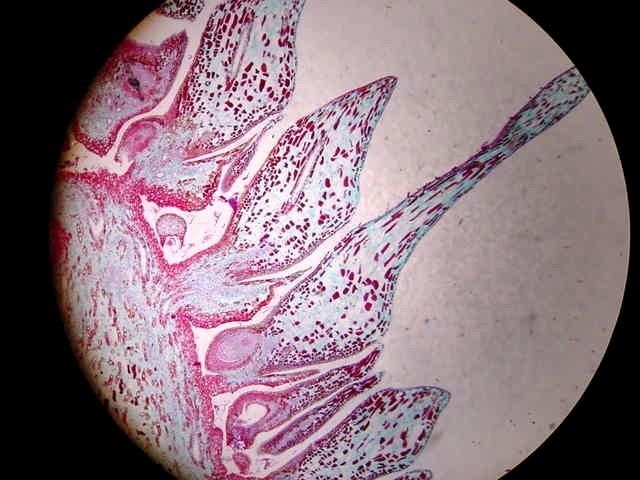
- 11—pinus pollen cone
phylum: Coniferophyta
ploidy: diploid
dominant generation: sporophyte
structures: microsporophyll (scales-leaves), microsporangia (underneath), and contain microspores (4 haploid)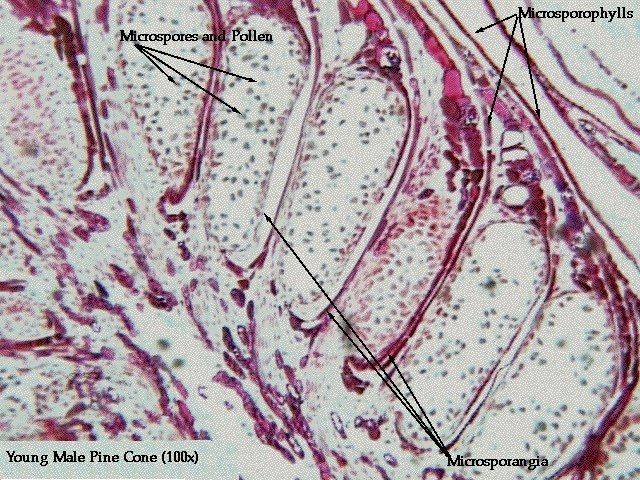
- 12—pinus embryo in seed
phylum: Coniferophyta
ploidy: diploid
structures: embryo = baby sporophyte surrounded by seed coat & pollen grain (not in pic - like badly drawn bees)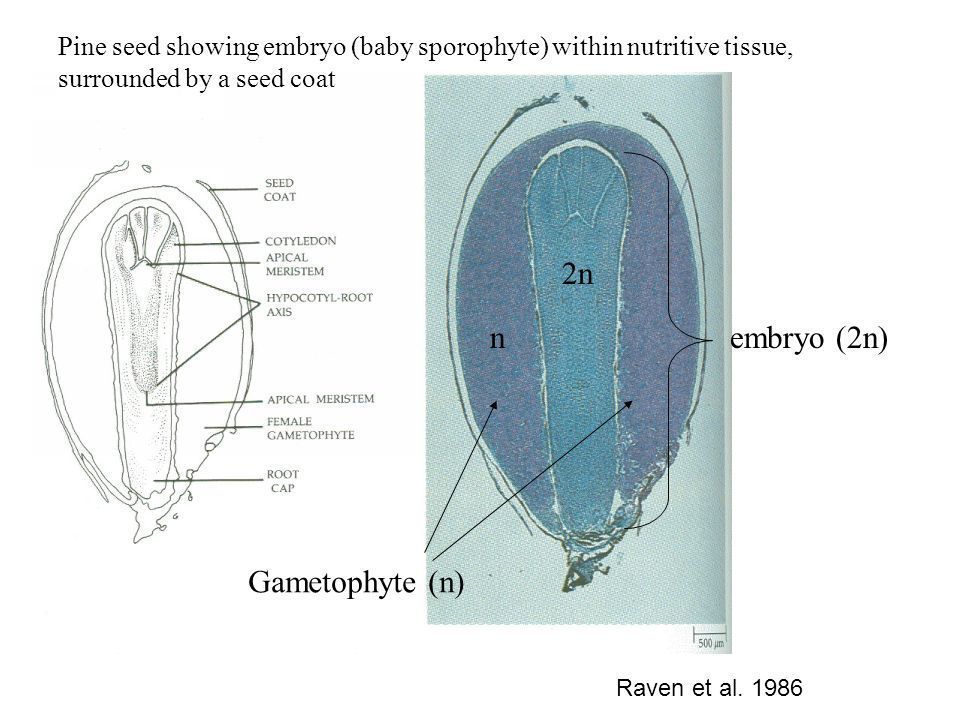
- 13—lillium ovule: megasporocyte
stage: first stage of embryonic series
phylum: Anthophyta
monocot: 6 ovules + 3 carpels
structures: integuments (protecting embryo sac), micropyle (opening), and nucellus (surrounding embryo)
//nucellus (megasporangium) and one 2n megasporocyte (megaspore mother cell)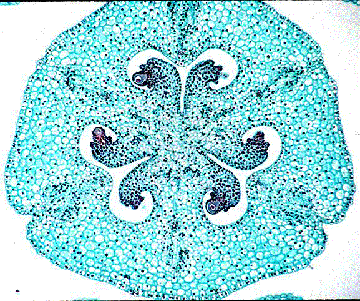
- 14—lillium ovule: megaspores
stage: first 2-celled stage
phylum: Anthophyta
structures: megasporocyte (2n megaspore mother cell), nucellus (megasporangium; thin outer layer enclosing megaspore), and integuments (= parent sporophyte)
//2n megasporocyte undergoes meiosis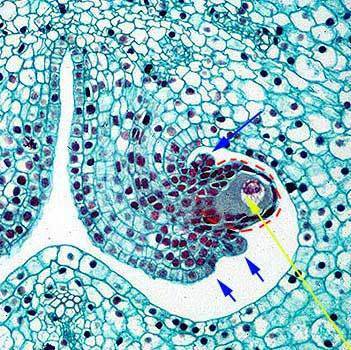
- 15—lillium ovule: migrating nuclei
stage: second 4-nuclei stage
phylum: Anthophyta
ploidy: haploid
structures: megasporangium (nucellus; thin outer layer), integuments (outer layer), nucellus (enclosed megaspore), micropyle
//2n megasporocyte undergoes meiosis to form four n megaspores. 3/4 megaspores disintegrate and remaining 1 forms megagametophyte. Nucleus of megagametophyte undergoes mitosis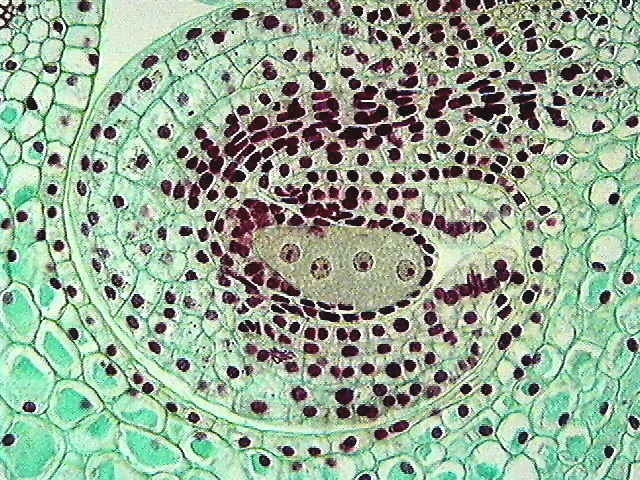
- 16—lillium: mature embryo sac
stage: 8 nuclei --> 7 cells
structures: central cell (2 nuclei), eggs at pole, represents megagametophyte (haploid)
//nucleus of megagametophyte undergoes mitosis 3x to form eight n nuclei. The eight n nuclei develop into seven different cells (one with two polar nuclei = central cell; another = egg cell). Entire thing = embryo sac = mature megagametophyte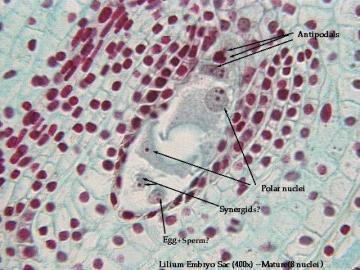
- 17—lillium: double fertilization
stage: double fertilization
structures: endosperm (3n - three nuclei converging at center) develops into cotyledons and embryo (2n - two nuclei converging at pole)
//one sperm fuses with egg cell => 2n embryo & one sperm fuses with two polar nuclei of central cell => 3n endosperm => cotyledons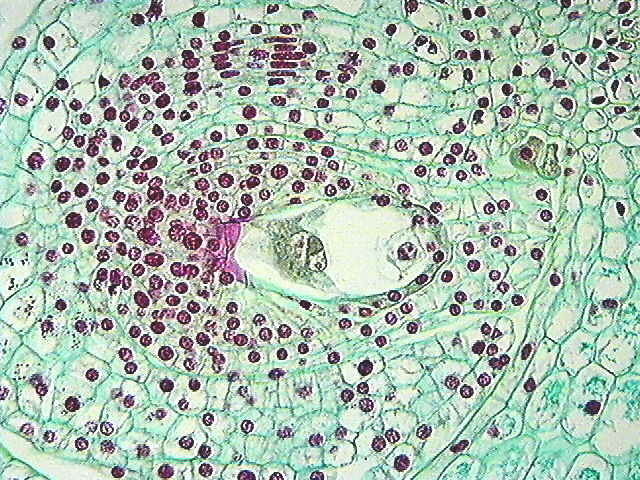
- 18—lillium: anthers
stamen = filament + anthers
structures: anther (bone plate structure...), filament (spine thing...), and pollen (1n - represents microgametophyte) in pollen sac
//cells in anther develop into 2n microsporocytes (microspore mother cells), which undergo meiosis to make four 2n pollen cells, and develop into the microgametophyte (mature pollen grain) with two sperm cells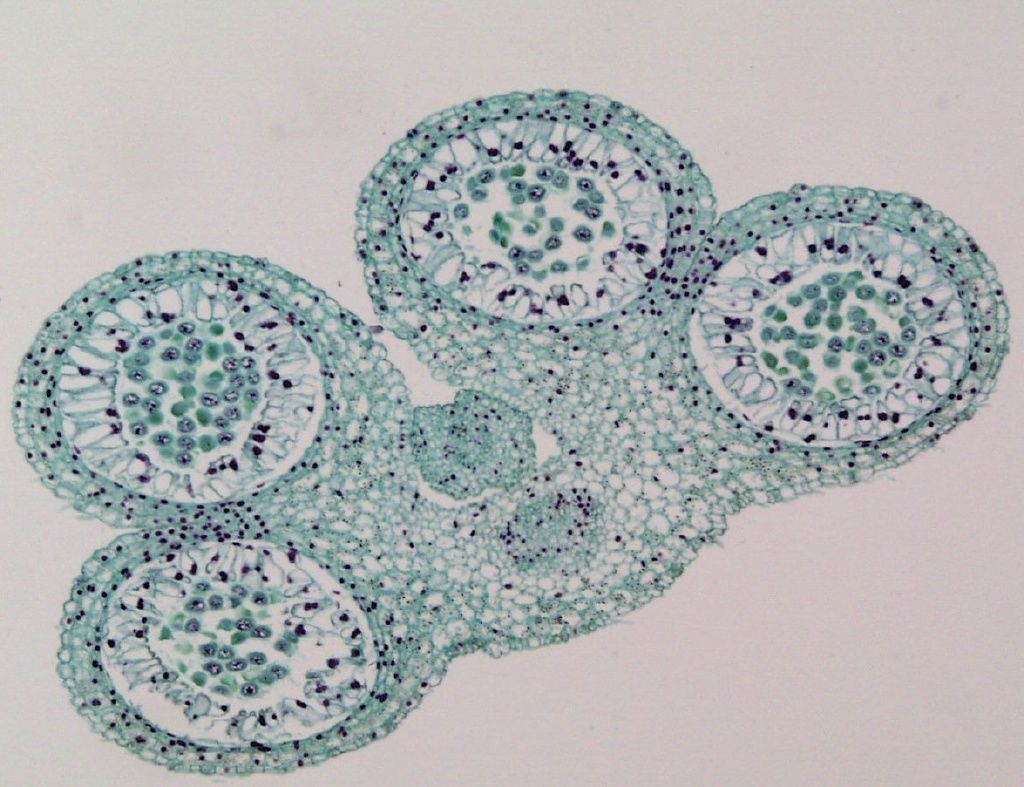
- 19how to reduce water lossleaves & stem fusion = reduce S.A.
water container = succulent
thick cuticle
pointing leaves upward/at sun
deep roots
be an annual
light color
reduced leaves (small leaves) - 20—california sunflower
- thick cuticle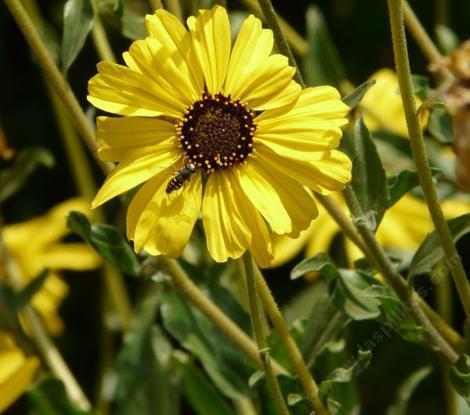
- 21—san diego sunflower
- thick cuticle
//uncommon everywhere but SD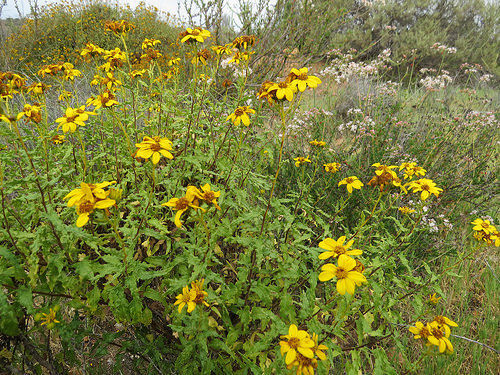
- 22—field mustard
- leaves point toward sun
//grind up to make mustard
//same plant as broccoli/cauliflower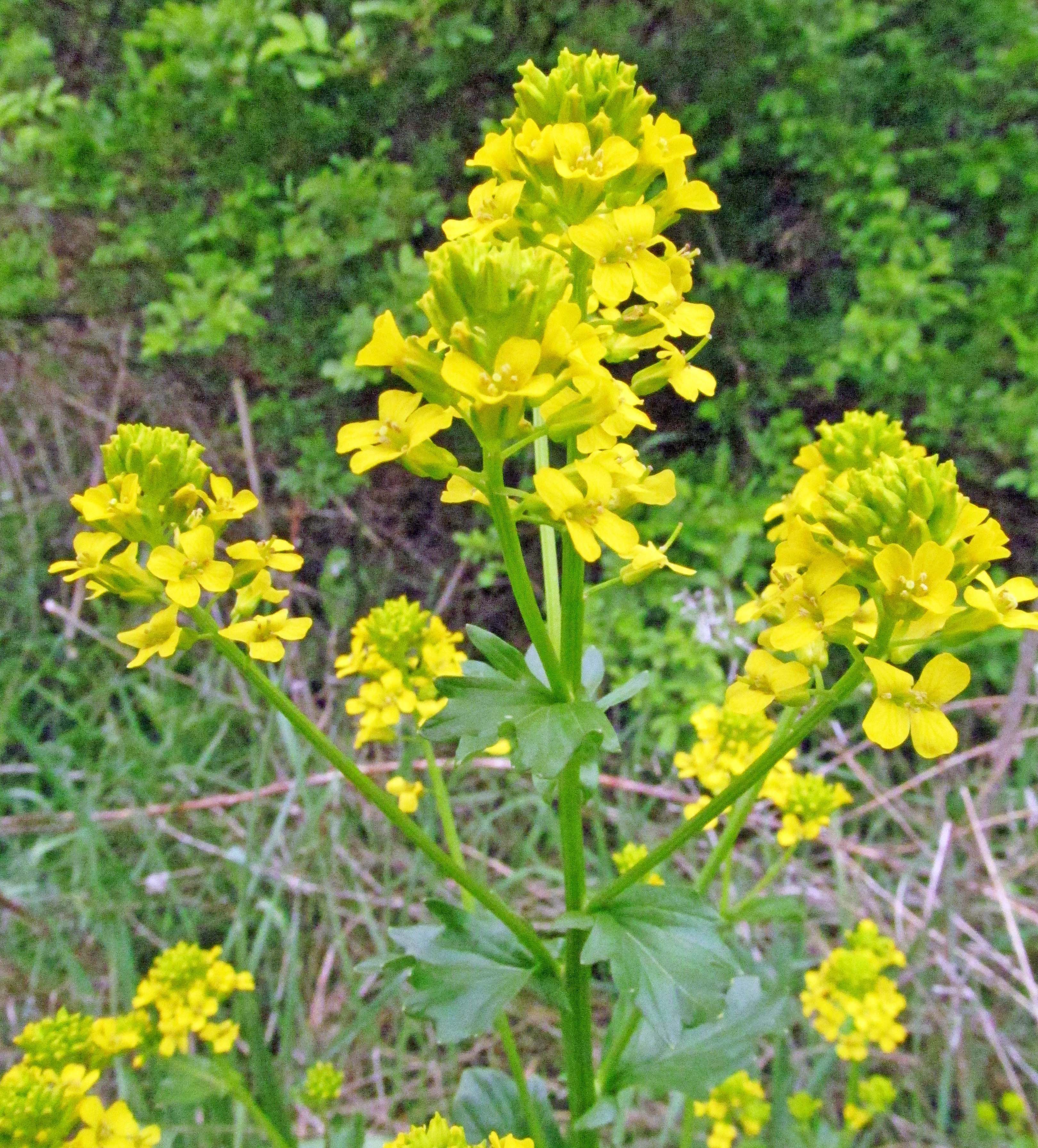
- 23—lemonade berry
- deep roots
- upward leaves
//berries taste like lemonade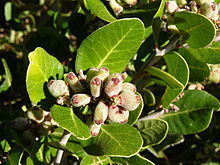
- 24—goatnut, Jojoba
- upward leaves
- rough leaves
- thick cuticle
//dioecious: F has those nuts!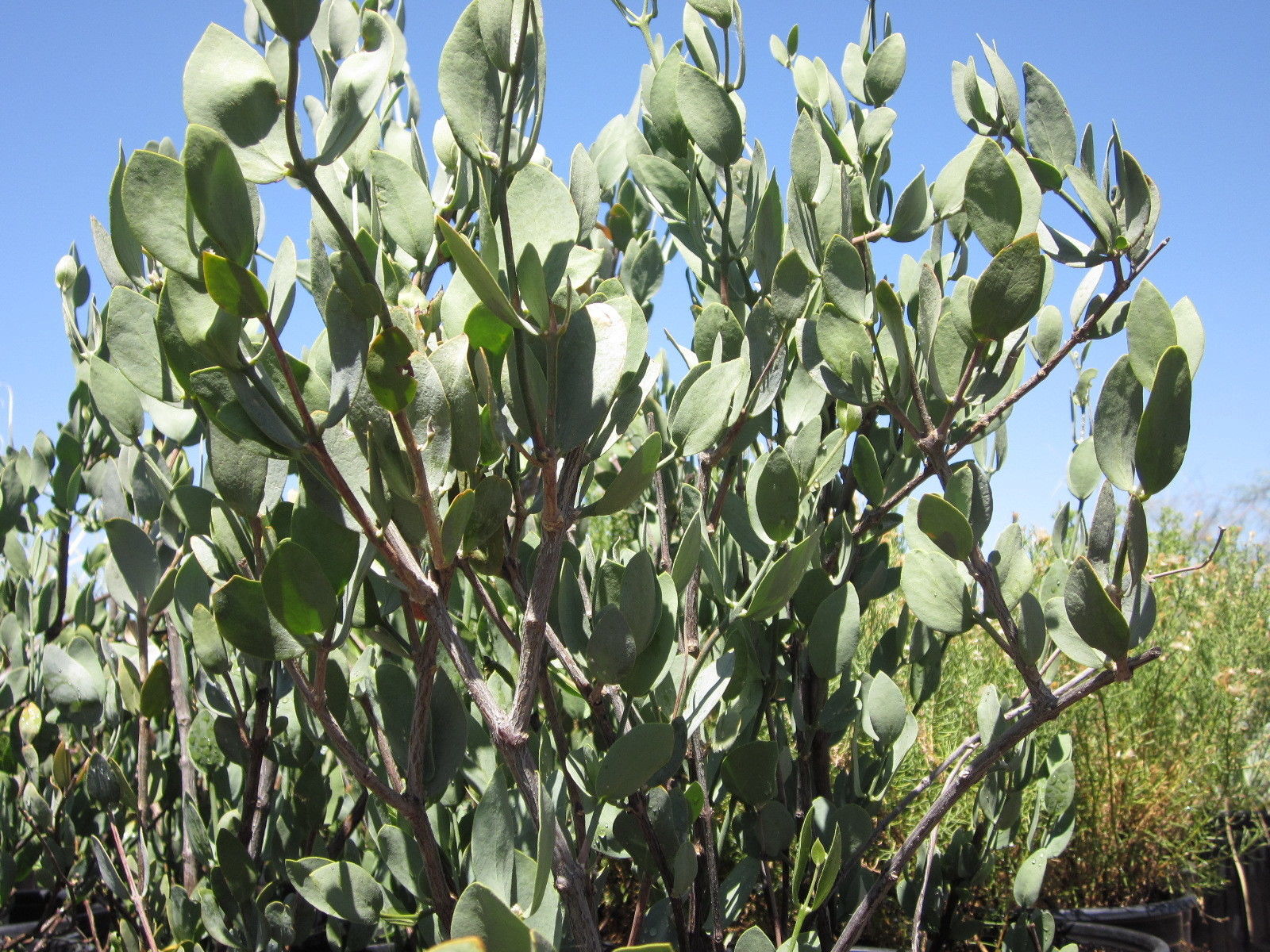
- 25—horehound
- deeply incised
- bushy
- tiny hairs
//mint family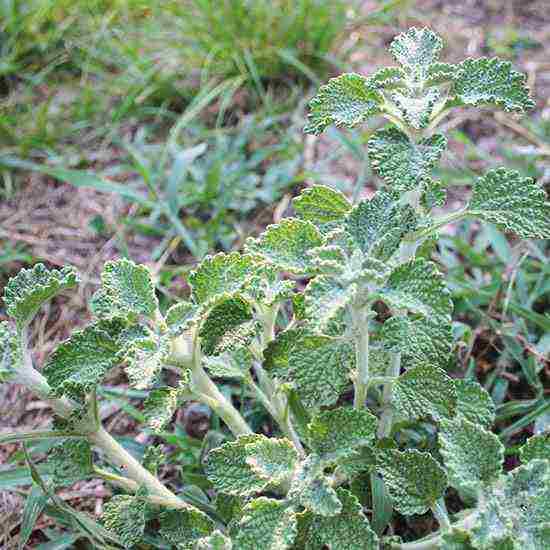
- 26—broom baccharis
- upward leaves
- small leaves
//native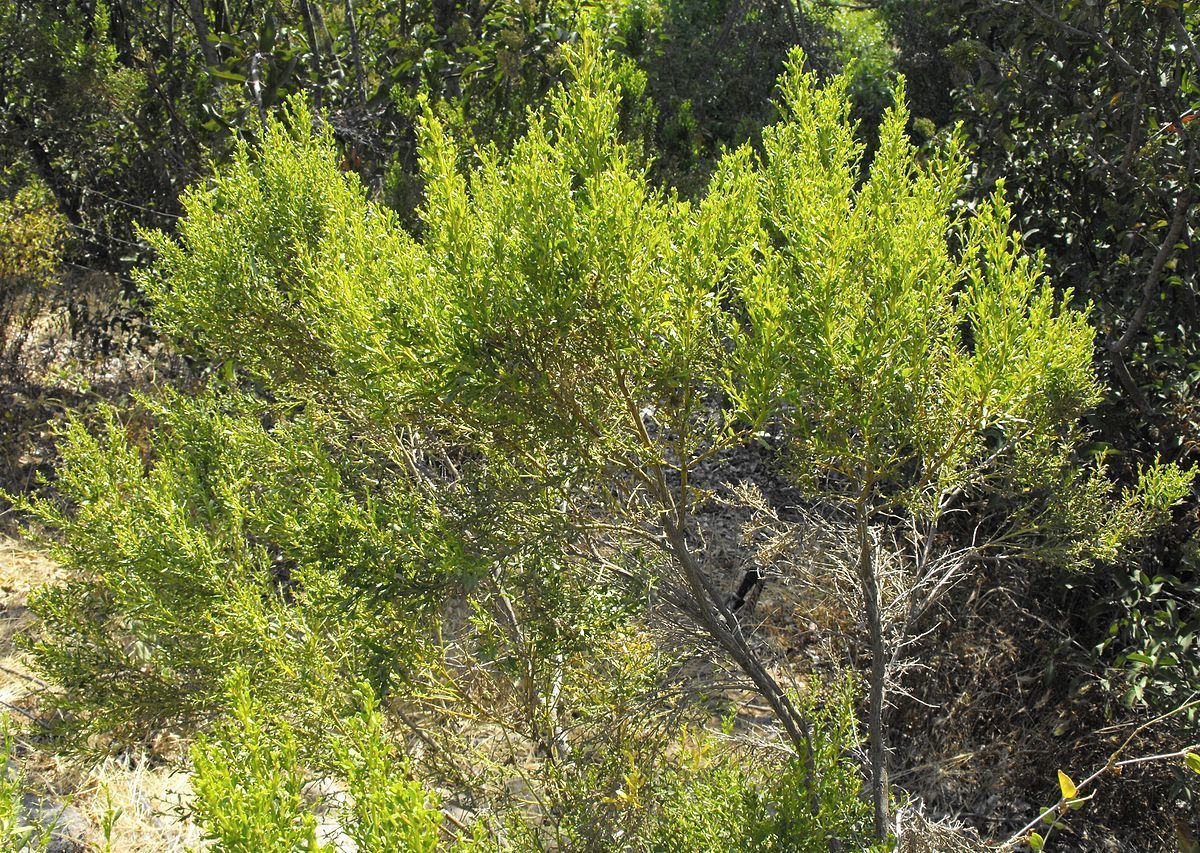
- 27—jumping cholla
- highly modified leaves = burrs
- succulent
- reproduction by fragmentation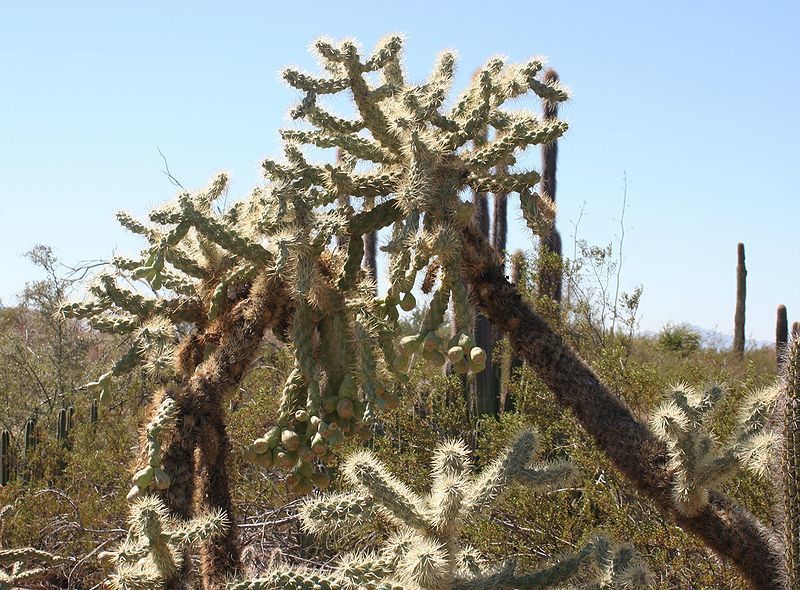
- 28—spanish dagger
- succulent
- thick cuticle
//agave family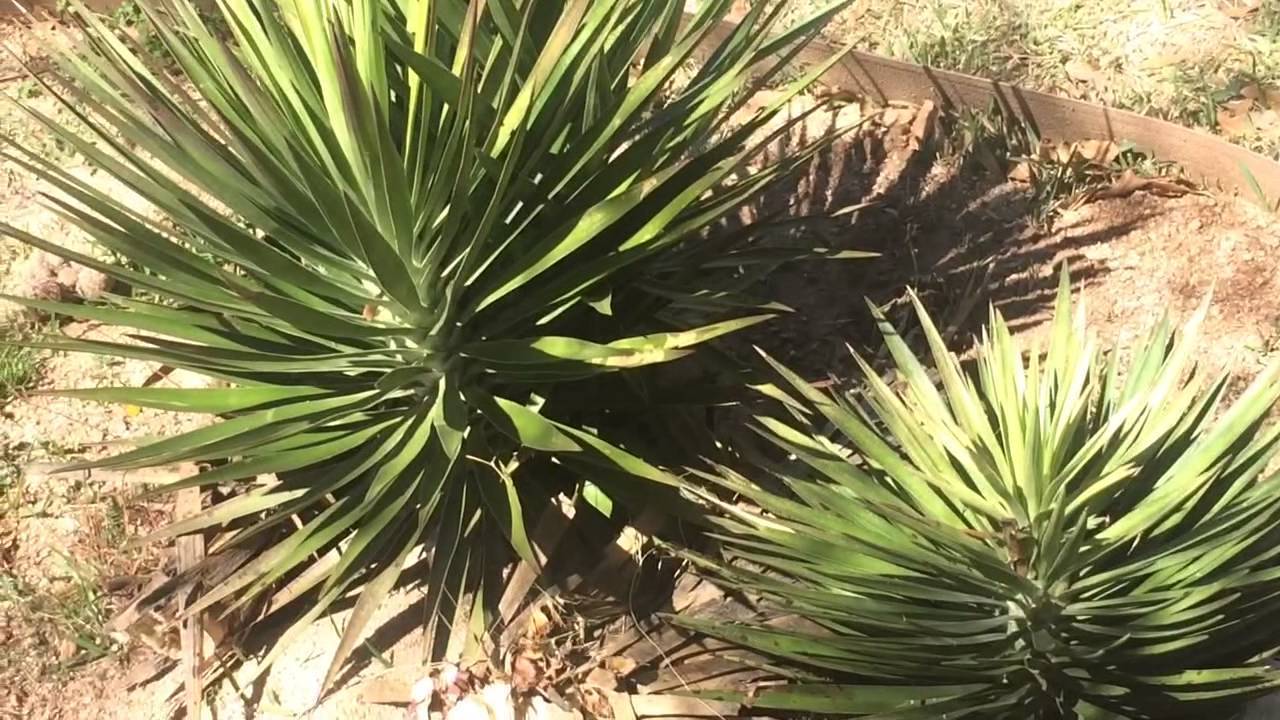
- 29—california sagebrush
- small leaves
- light color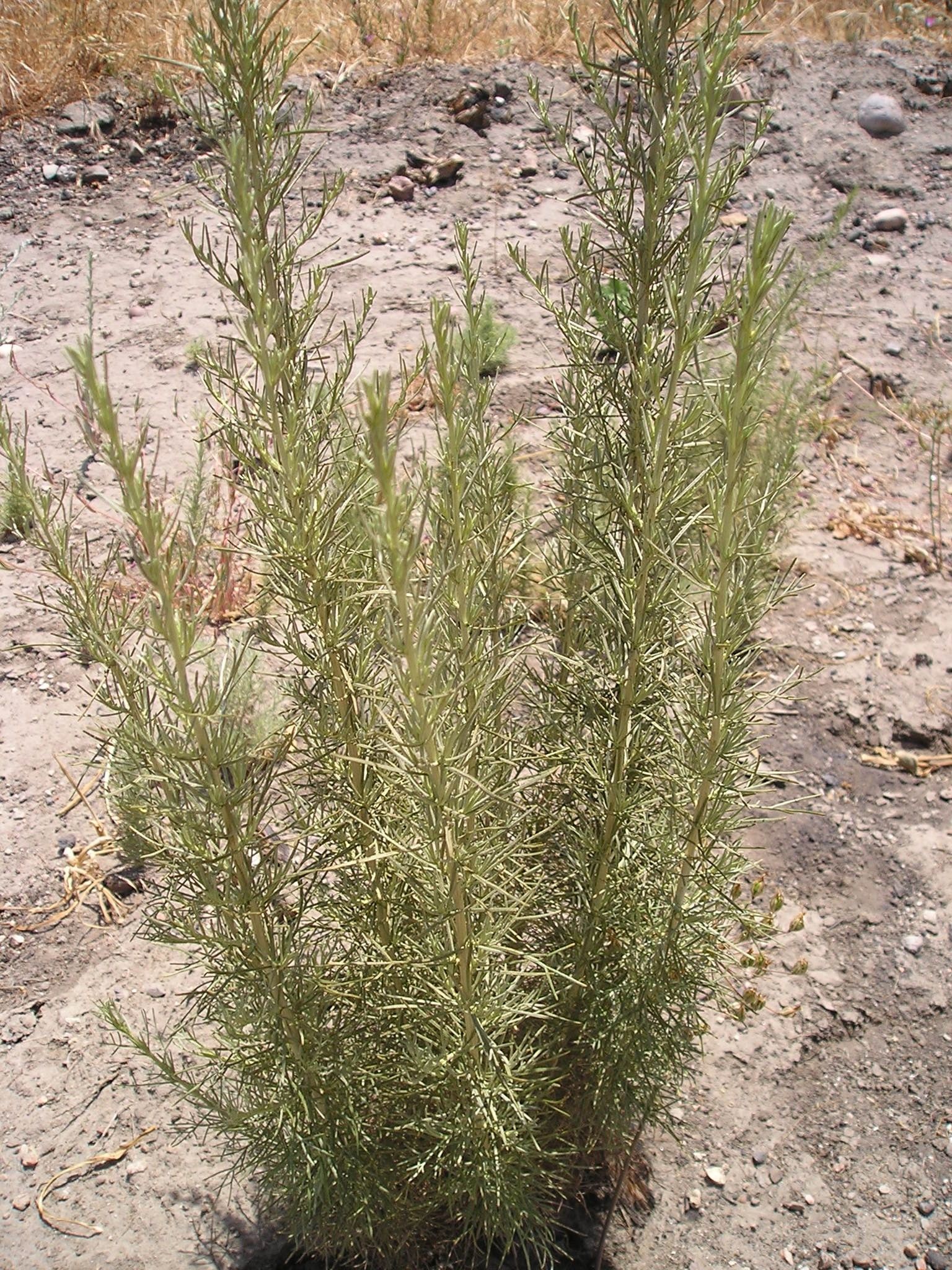
- 30—red bush monkey flower
- sticky leaves
//hummingbird pollinator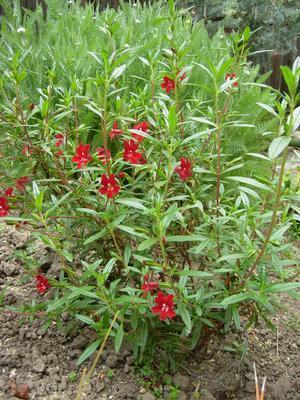
- 31—california buckwheat
- small leaves
- upward leaves
- dormant in summer (annual)
//recognizable pannicle with flat top - 32—black sage
- bushy
- rough leaves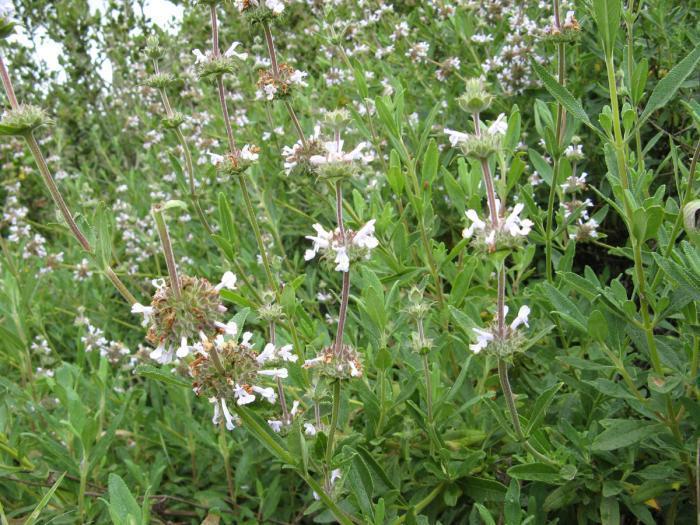
- 33what makes coastal shade chaparral unique?plants evolution to summer drought (+ winter rain)
- 34ancestral flower characteristics- many parts (indefinite)
- spiral / 4 whorls
- ovary superior
- radial symmetry - 35derived flower characteristics- few parts (definite)
- fused / reduced (1,2,3) whorls
- ovary inferior
- bilateral symmetry