
Algorithms flowcharts
283 flowcharts by 245 users · Page 1 of 8
This Algorithms page on GoConqr gathers community-made flowcharts on topics from everyday tasks to linear search. School students, university students and professional candidates can practise following algorithms, while teachers can find material to use. There are over 200 flowcharts spanning school and university levels. Pick a flowchart to explore.
Flowcharts
-
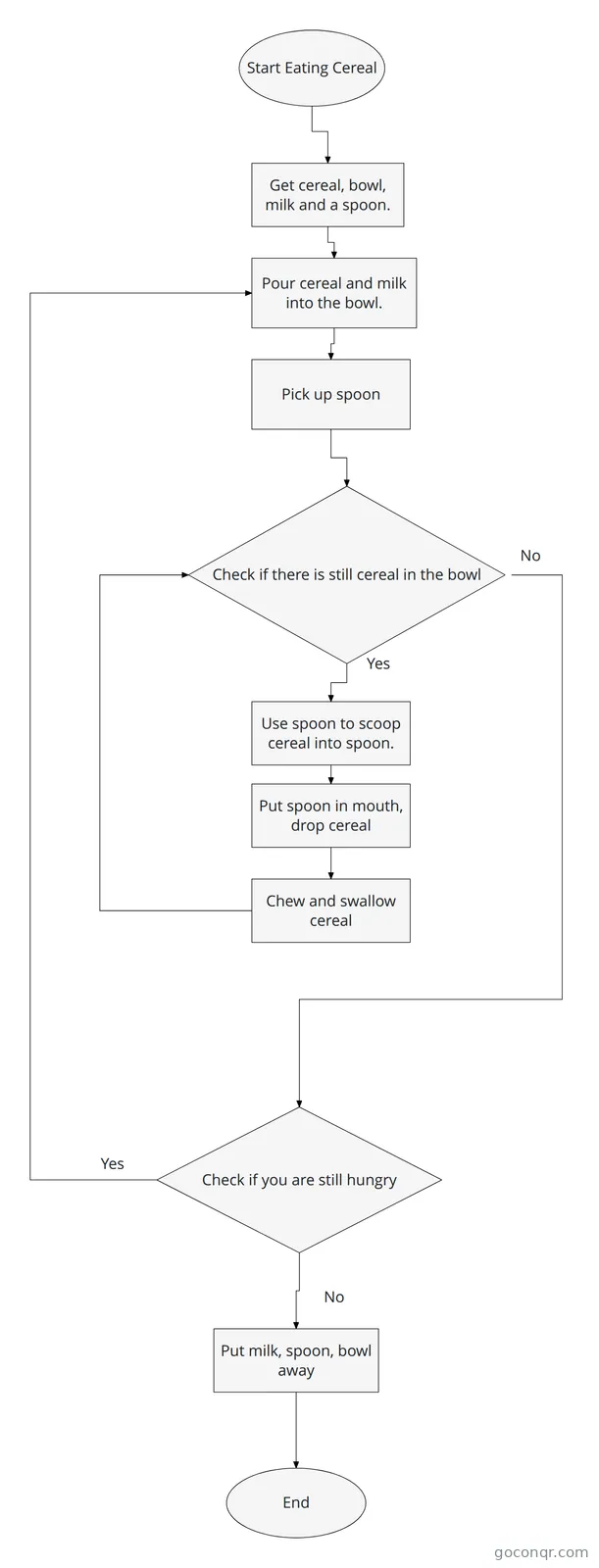 Eating a Bowl of Cereal Flow Chart - Writing Algorithms -A rectangle for an action that happens one time -An oval for start and end -A rhombus (diamond) for a ques...
-
Traffic Lights Flowchart by Finn and Fin A flow chart about Traffic Lights
-
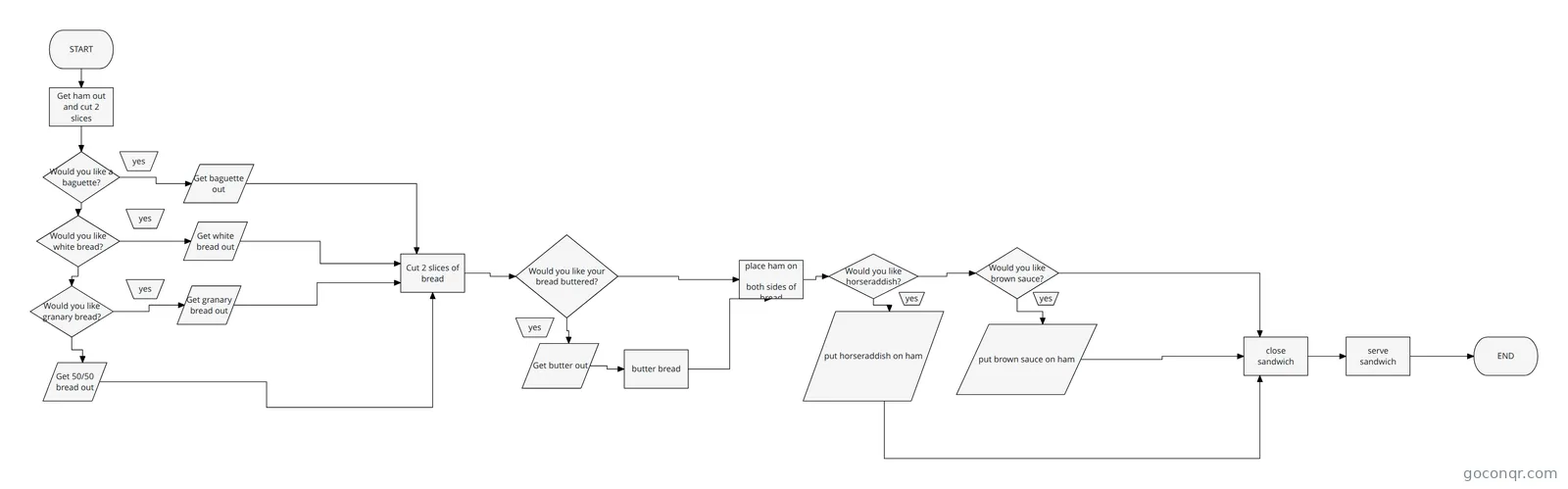 Ham Sandwich How to make a ham sandwich
-
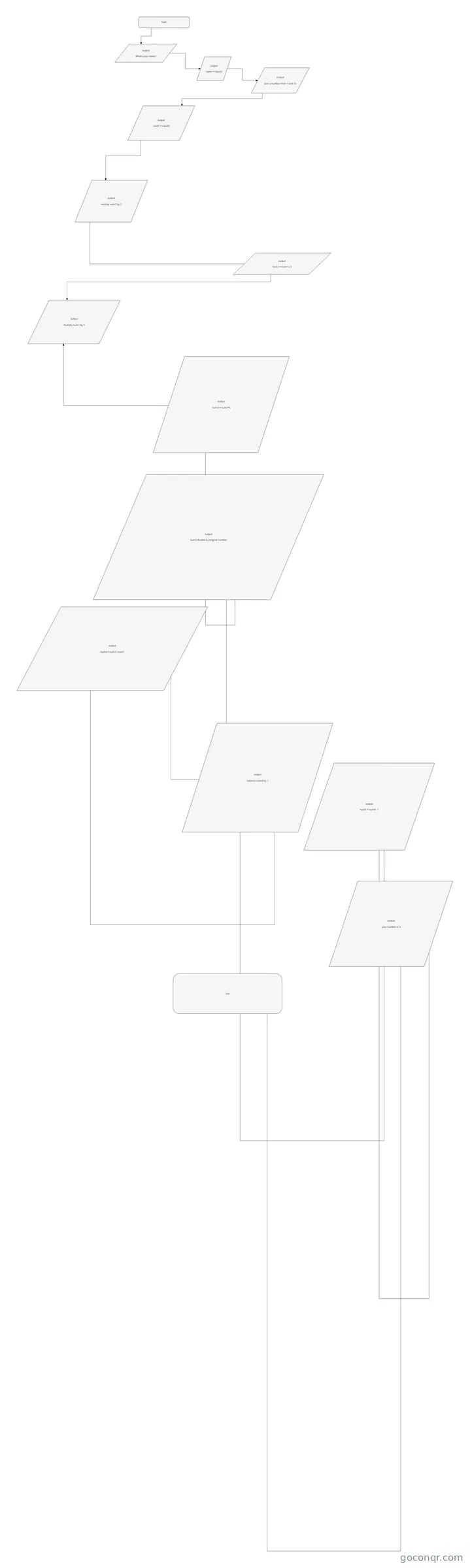 Mind-reading maths trik i read ur mind with mah trik
-
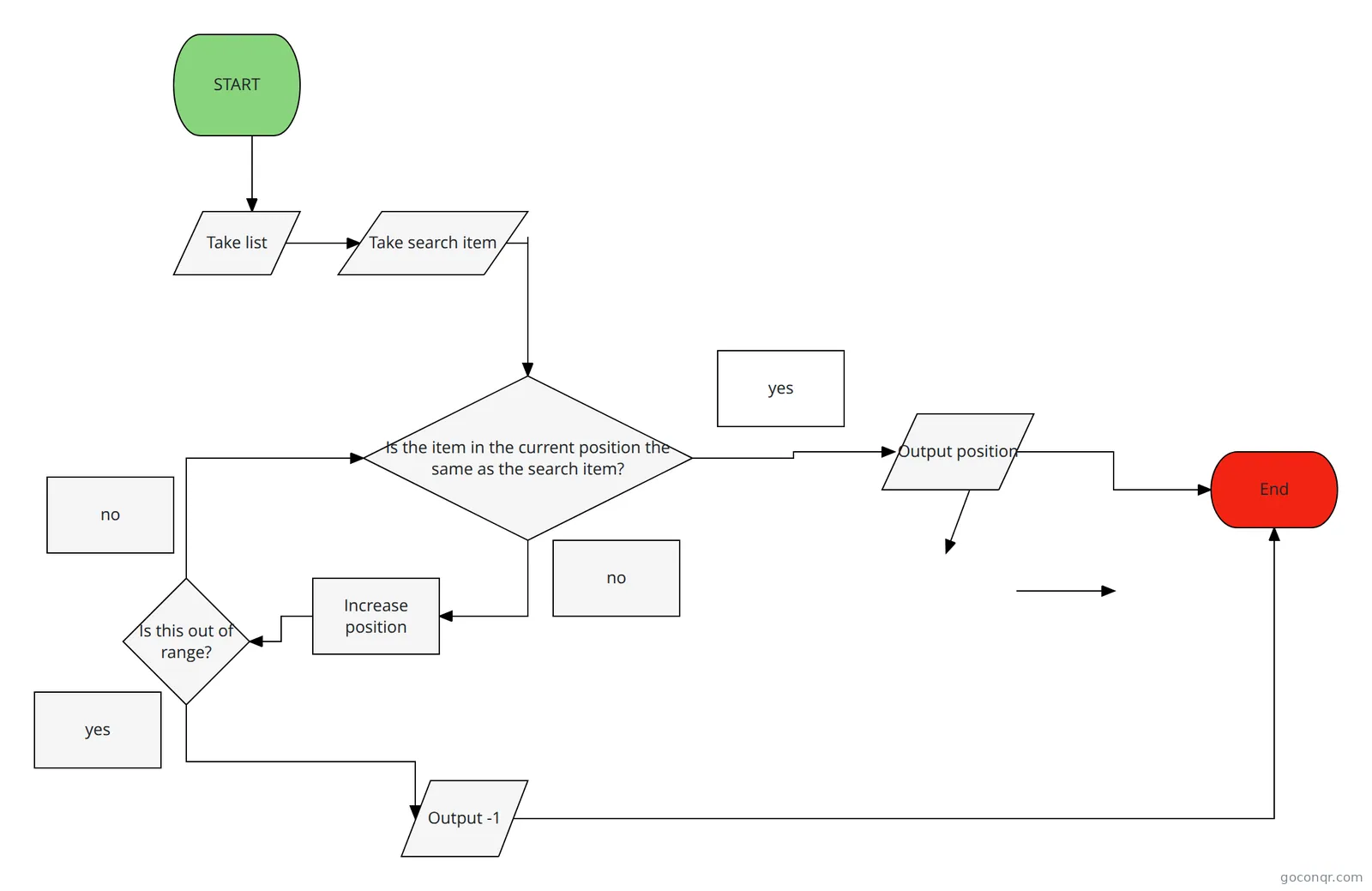 linear search sfdgsfgsfgsegsfgsfgsdfgvcbszsdfwfdzscvzcv yes
-
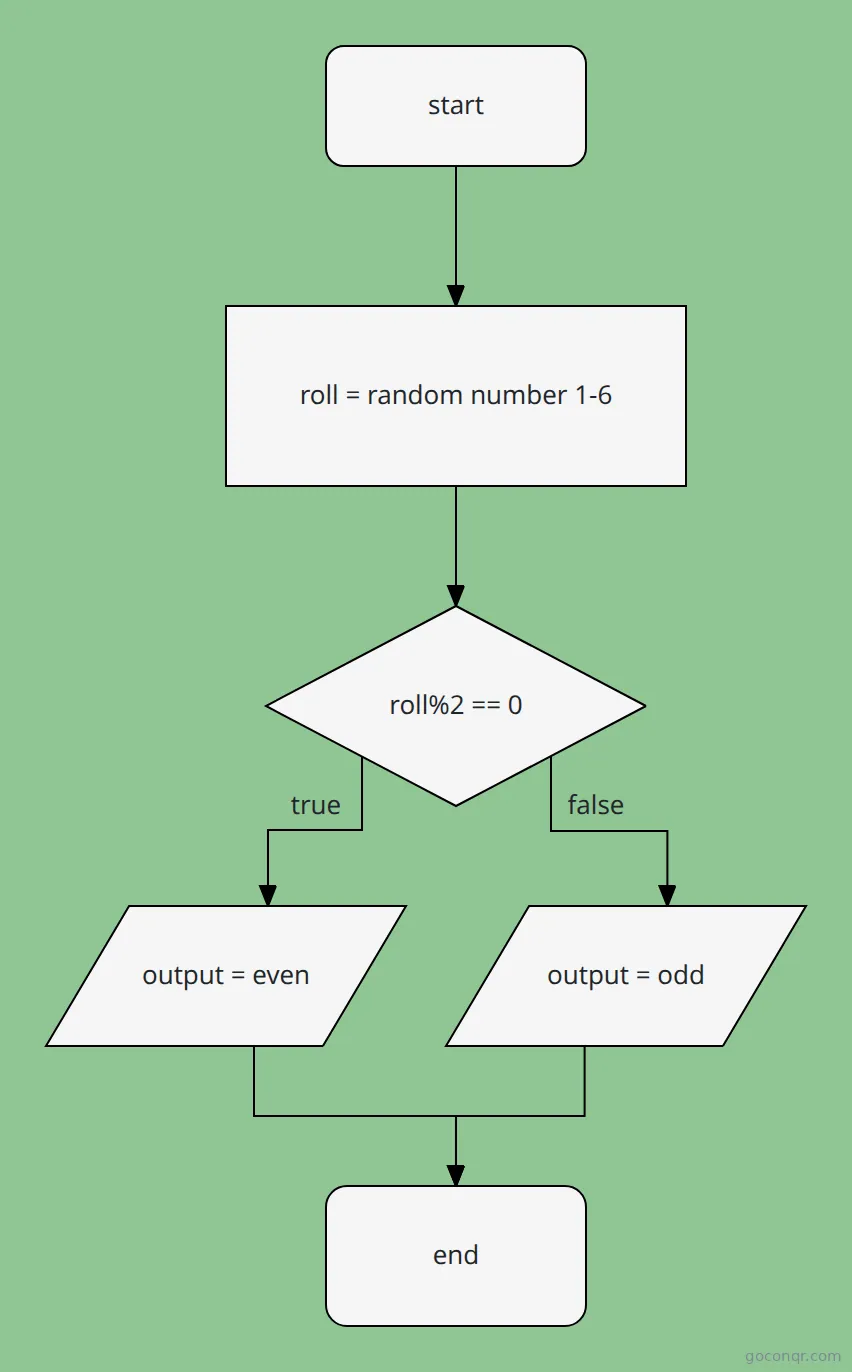 dice roll flowchart for dice roll 19/09/2022 edit for homework odd or even
-
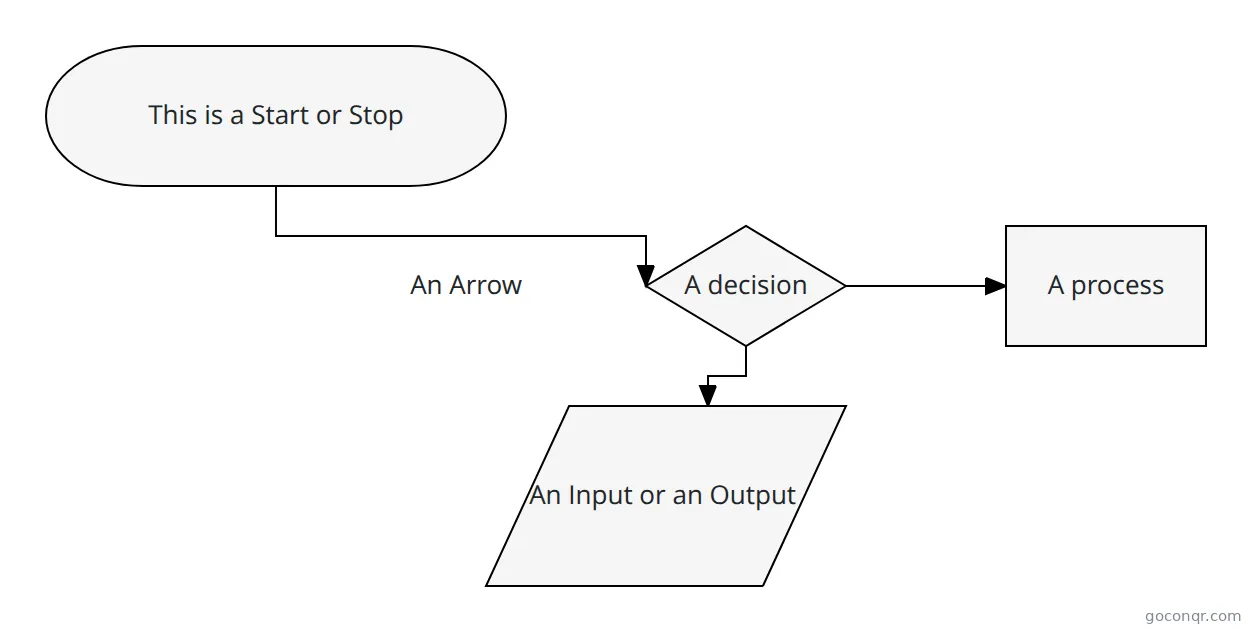 Flow Chart symbols Flowchart symbols
-
my flowchart
-
Grocery Shopping Project
-
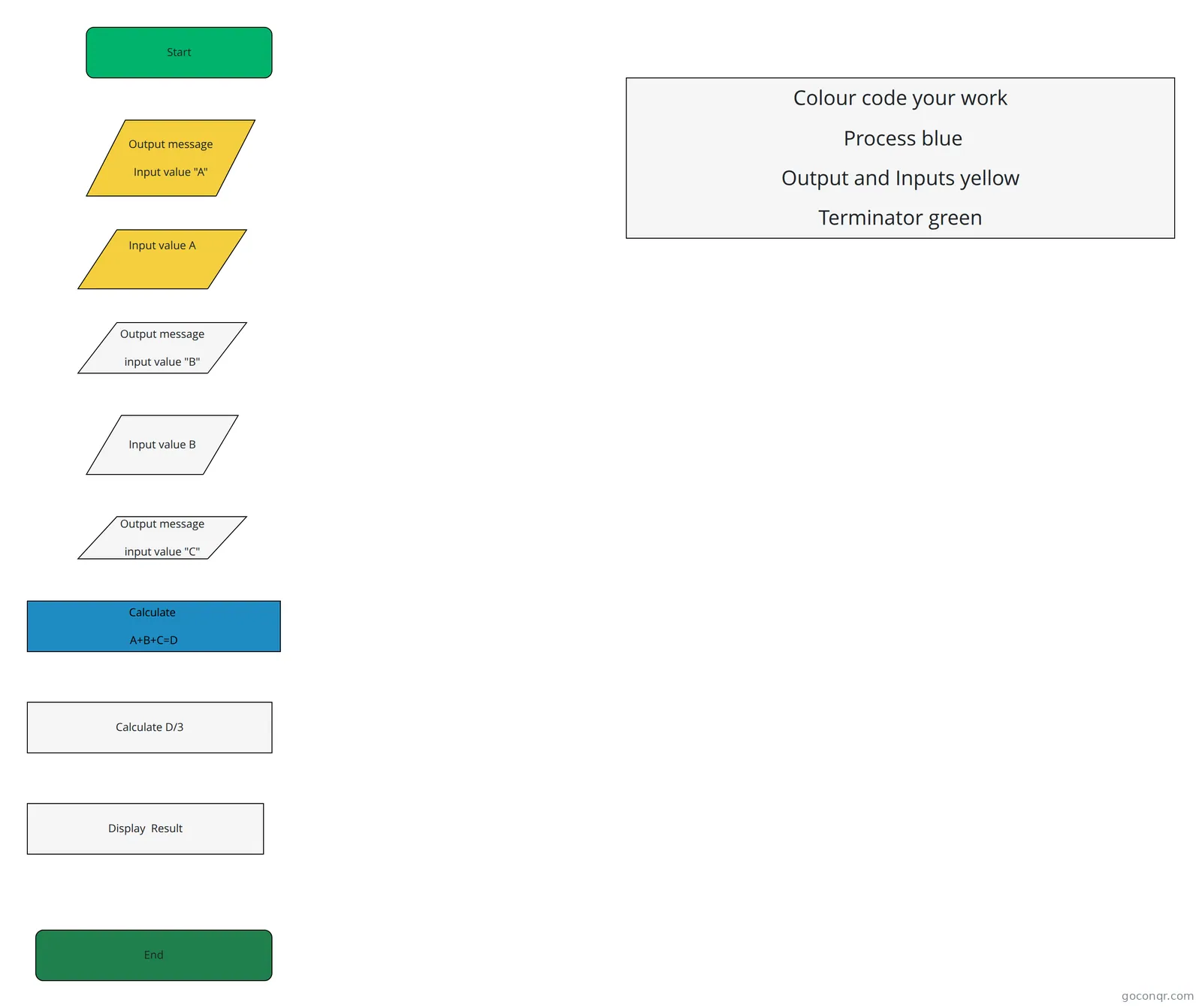 Flow chart task 3 Input 3 values, calculate and divide by 3
-
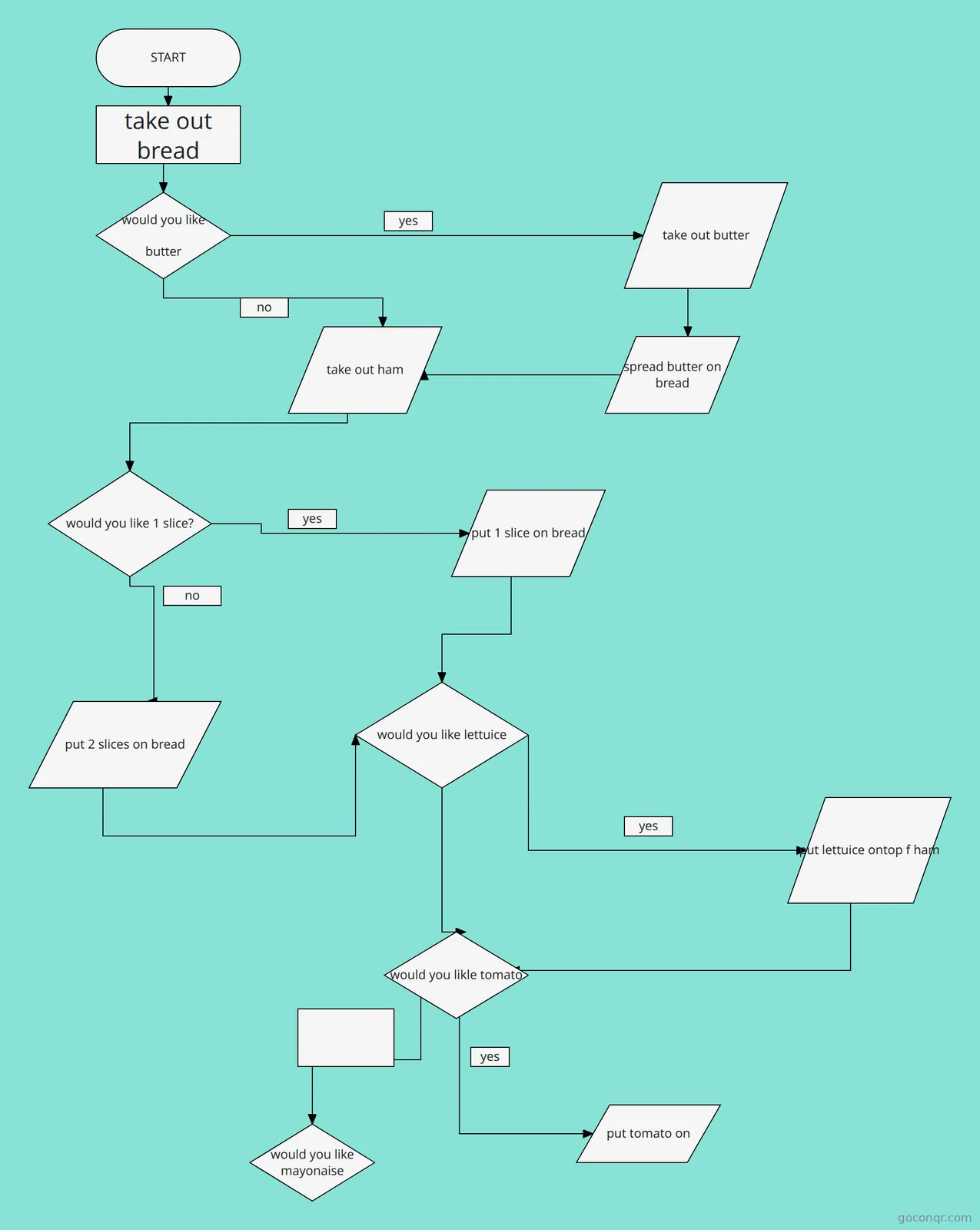 flowchart of ham sandwich hamsandwich
-
Login flowchart login for 2 people
-
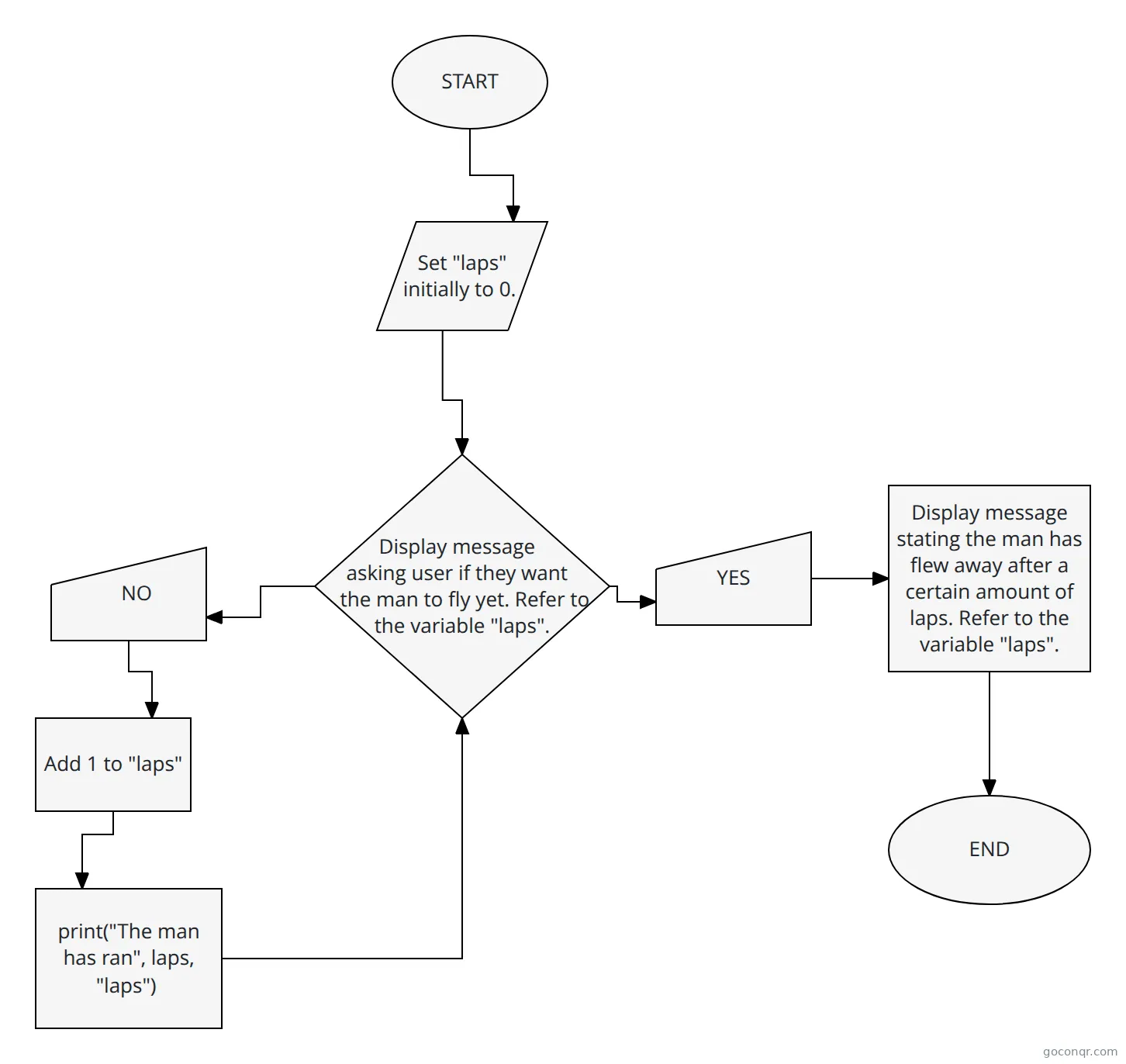 SDD Flowchart Experiment - A Man Flying... This is a flowchart created for revision and an experiment to create readable and valid flowcharts, particu...
-
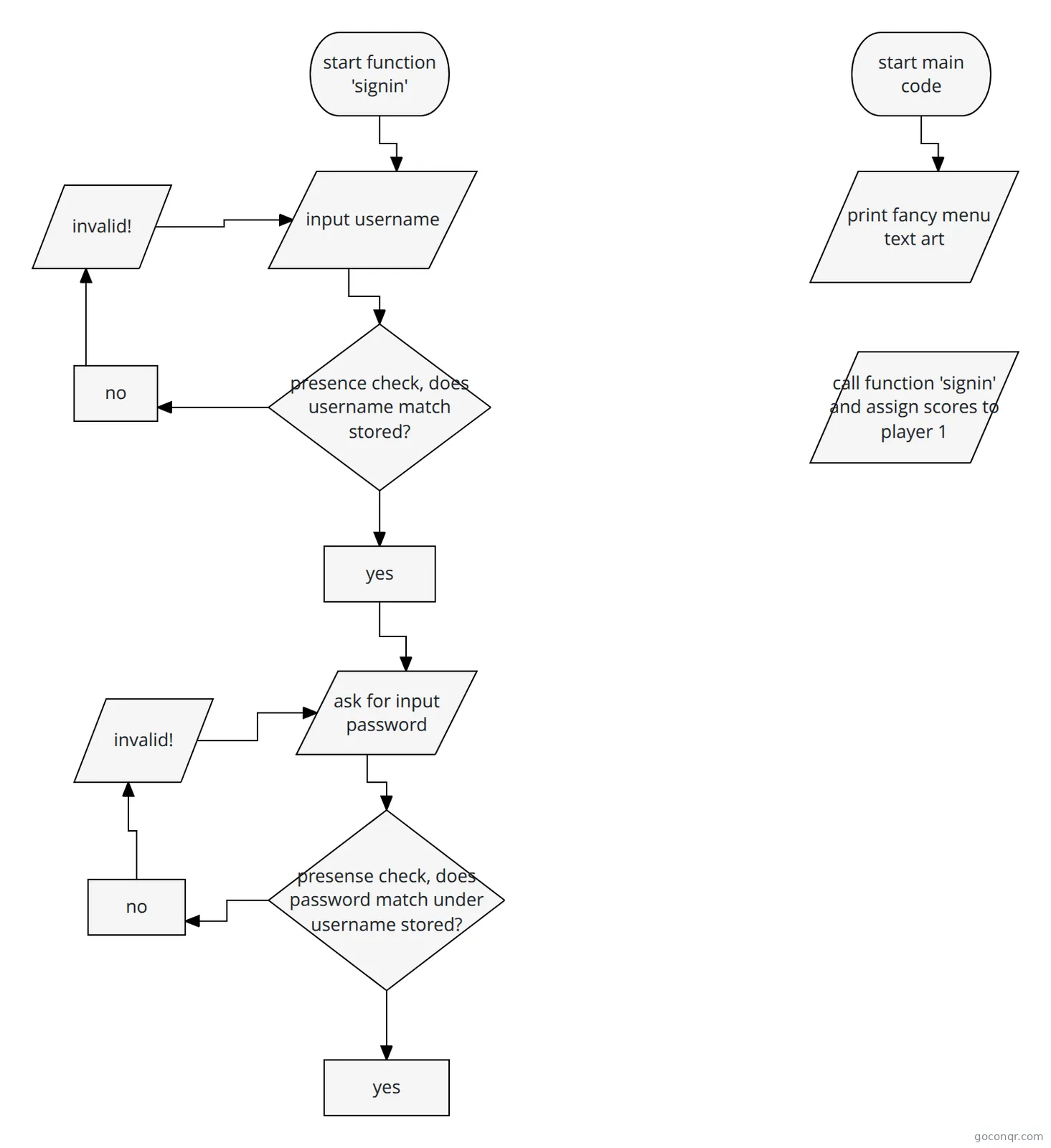 dice game dice game
-
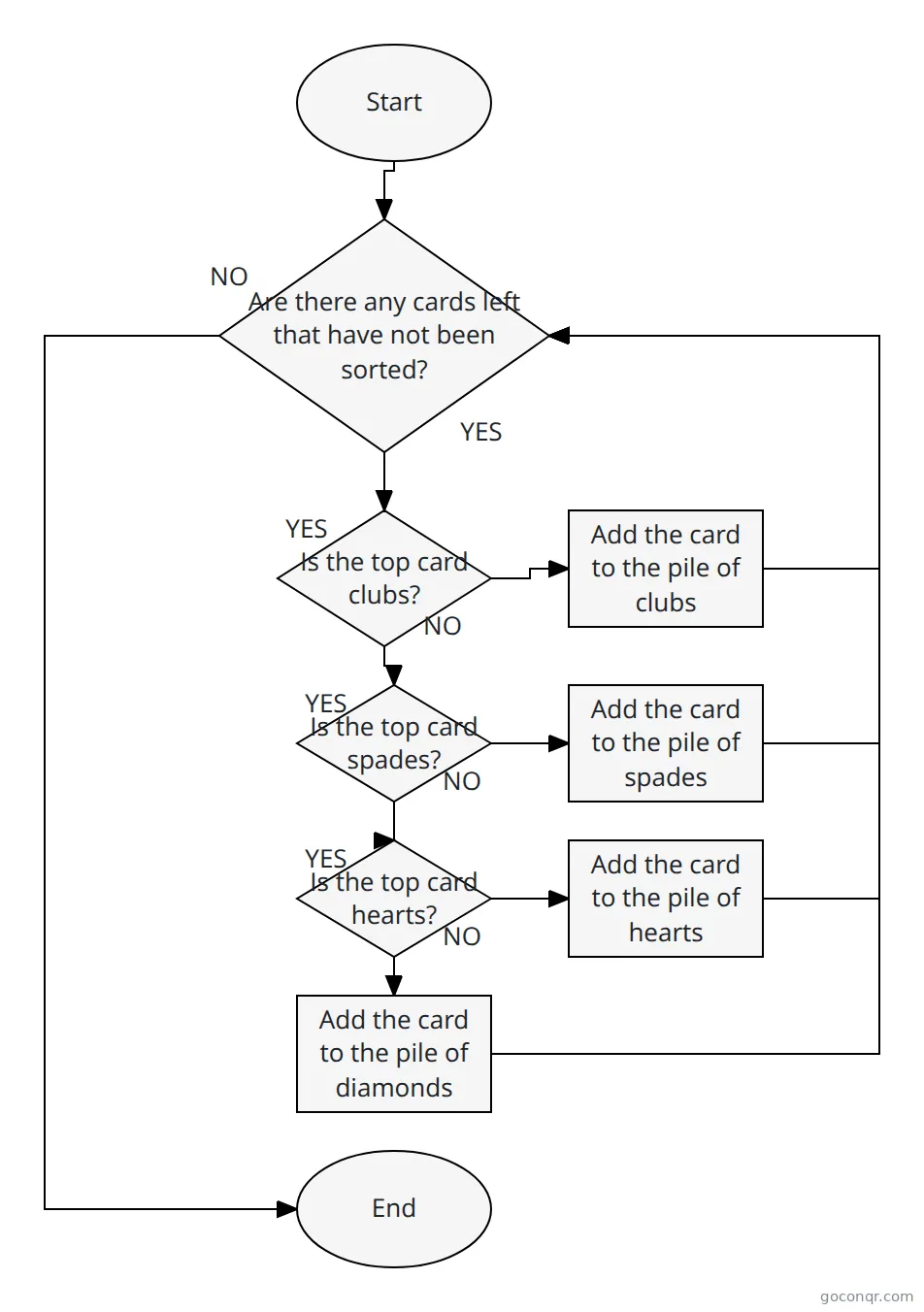 Pack of playing cards answer
-
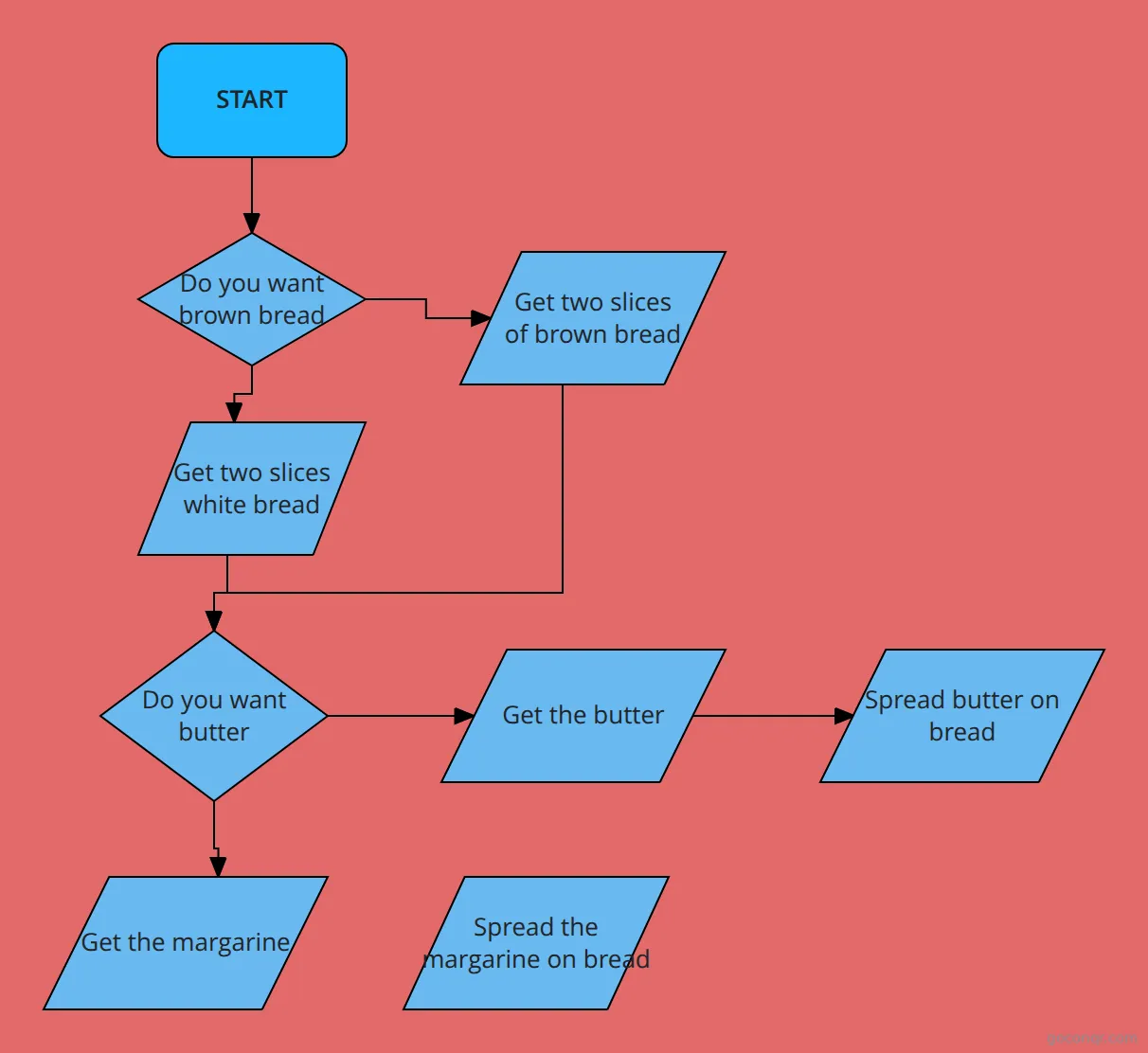 Ham Sandwich
-
flow chart traffic lights
-
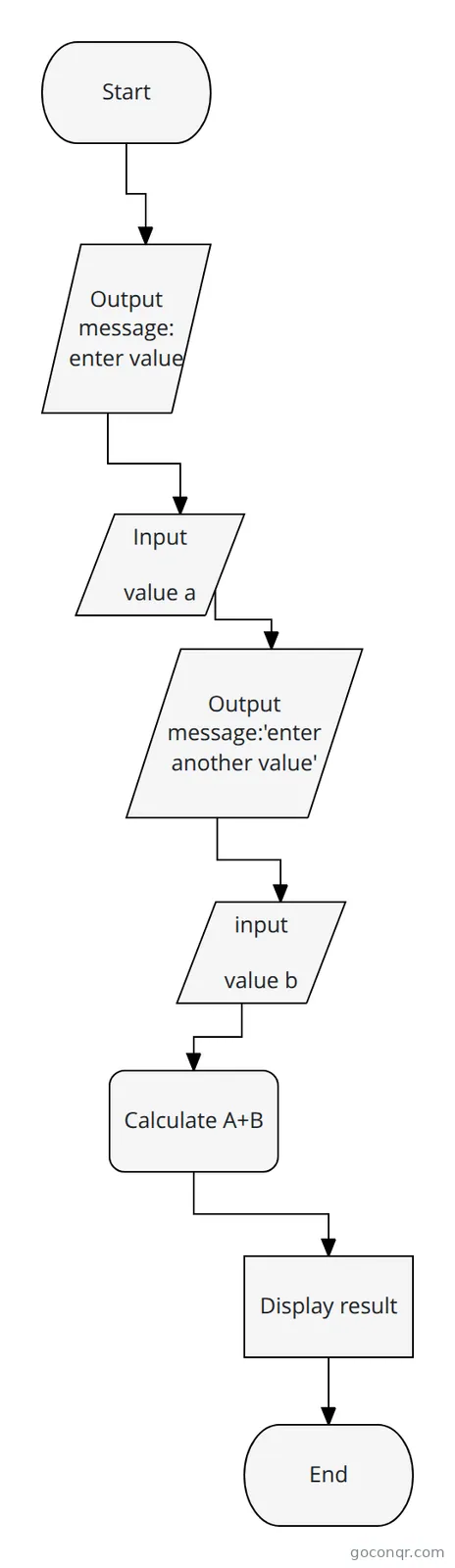 task2 flowchart hi
-
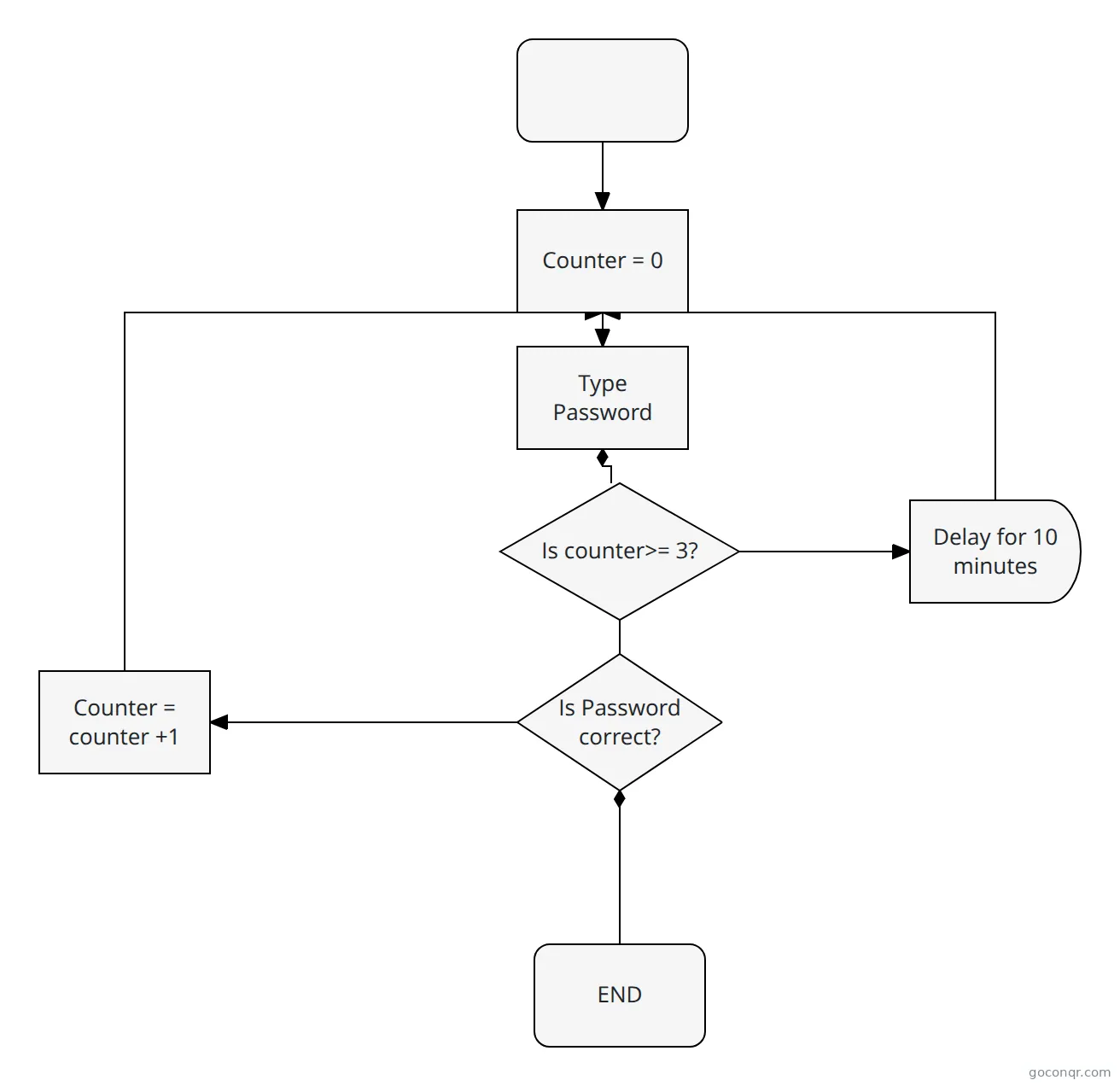 Flowchart L3 Flowcharts : Question 10
-
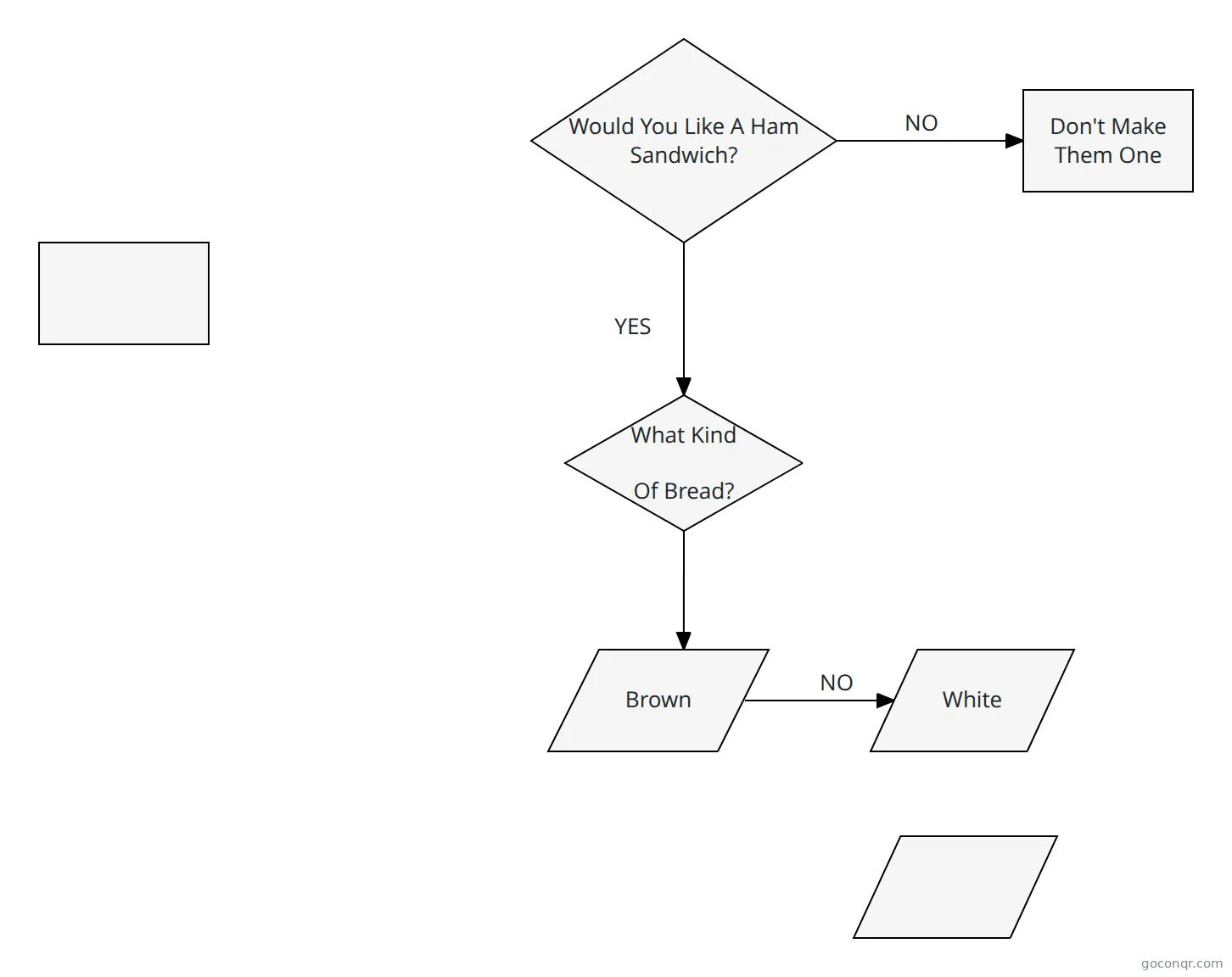 makin' a ham sammich ham sammich iz tasty
-
HAM SANDWICH A flow hart on how to make a ham sandwich
More Algorithms resources
About algorithms flowcharts
GoConqr OriginalExploring algorithms flowcharts
These flowcharts show algorithms as sequences of steps and decisions. The collection includes everyday examples such as Ham Sandwich and a cereal-making flowchart, alongside a linear search and a dice-roll algorithm. There are also diagrams for an arithmetic test and a withdrawal process at an ATM.
How to use a flowchart
Start with the flowchart on symbols to see how it represents a decision, a process, an input or output, and a start or stop. Then follow Ham Sandwich from the start, noting where the path changes according to a choice. The everyday task makes the sequence easy to recognise.
Next, trace the linear search flowchart. Follow what happens when an item matches and when it does not, including how the search reaches the end of the list. If you want to check your understanding after reading a diagram, switch to a quiz on the Algorithms unit page. Choose a flowchart and trace each path in turn.
Frequently asked questions
Which flowchart is a good place to start?
The flowchart on symbols is a useful starting point because it shows how a decision, process, input or output, and start or stop are represented. Ham Sandwich is another approachable choice: it uses an everyday task to show a sequence with choices.
What topics do the flowcharts cover?
The collection ranges from everyday sequences, such as making a sandwich or eating cereal, to algorithms for linear search and a dice roll. Other flowcharts cover an arithmetic test, a withdrawal process at an ATM, and the perimeter or area of a rectangle.
Are the flowcharts free to use?
Yes. Every resource listed here is free to open and study without an account. The flowcharts were made by GoConqr users rather than GoConqr, so you can explore different ways people have represented steps and decisions across the collection.