
Algorithms mind maps
713 mind maps by 624 users · Page 1 of 18
This Algorithms page brings together over 700 mind maps by over 600 users, covering computational thinking, searching and sorting. School students, university students and professional candidates can use them to practise these topics, while teachers can find material for lessons. Pick a map to begin exploring.
Mind maps
-
Computer Science Revision notes for 2.1 Algorithms on paper 2 of the OCR computer science 1-9 scale course.
-
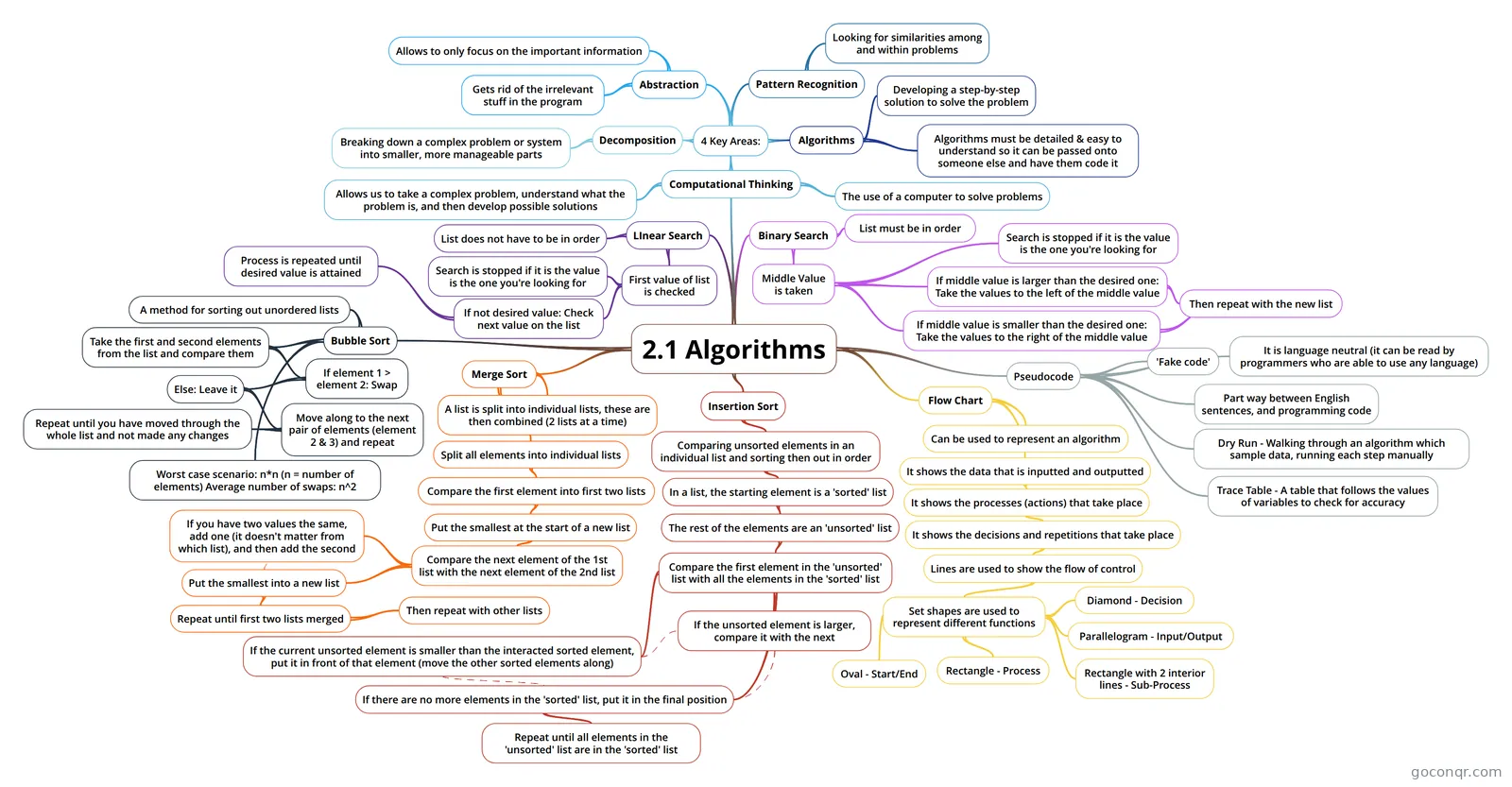 2.1 Algorithms
-
Problem Solving
-
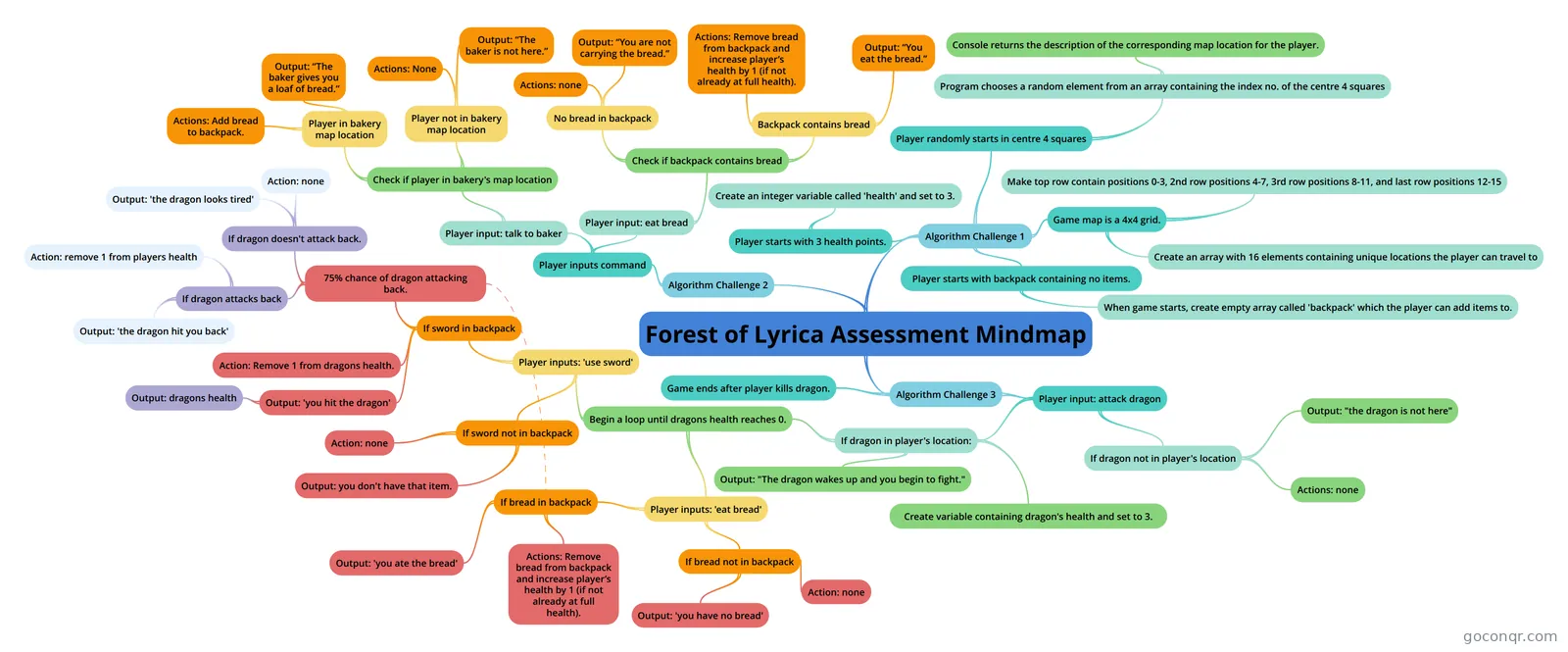 Forest of Lyrica Assessment Mindmap f
-
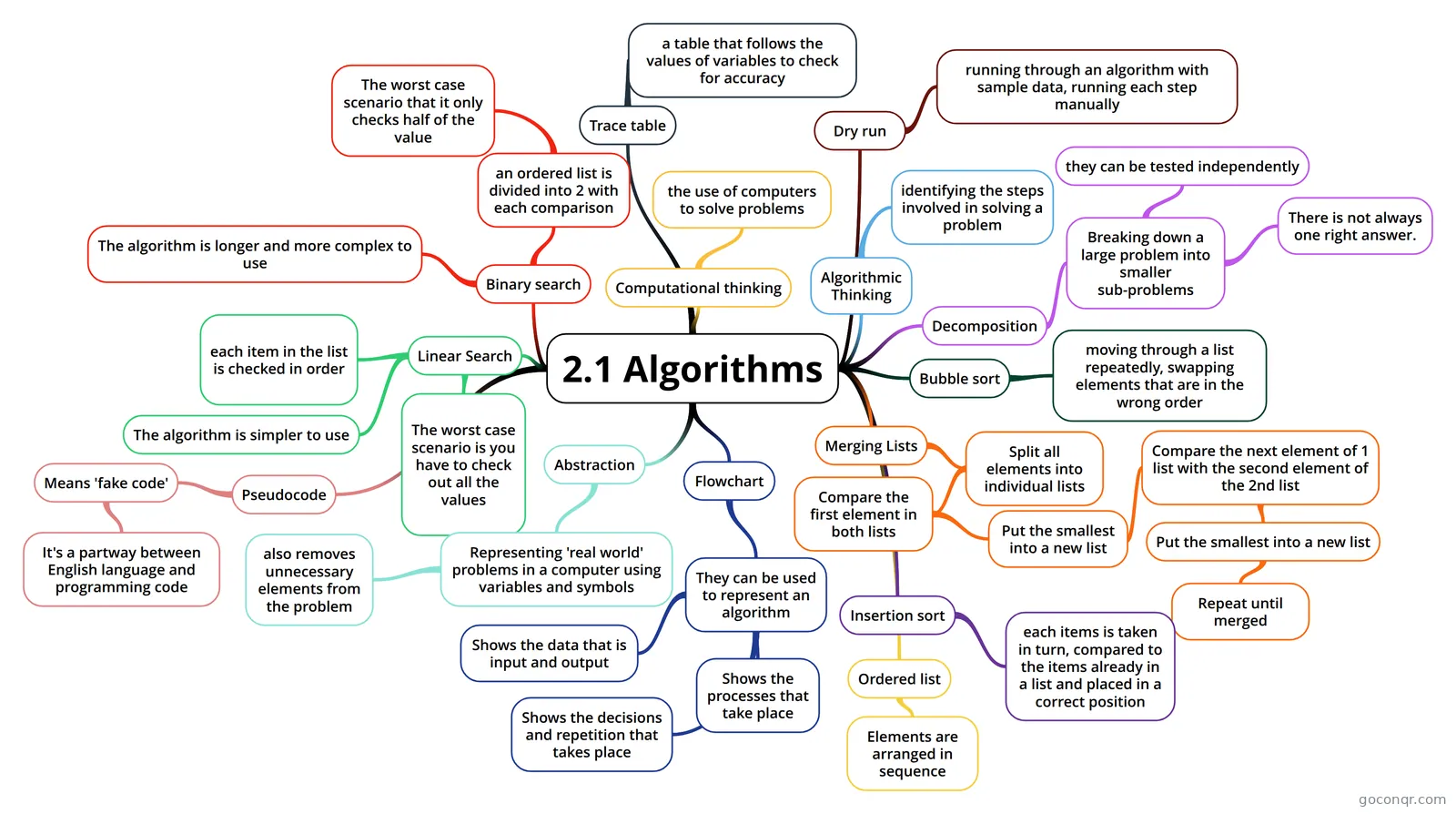 2.1 Algorithms
-
Bubble and Insertion sort
-
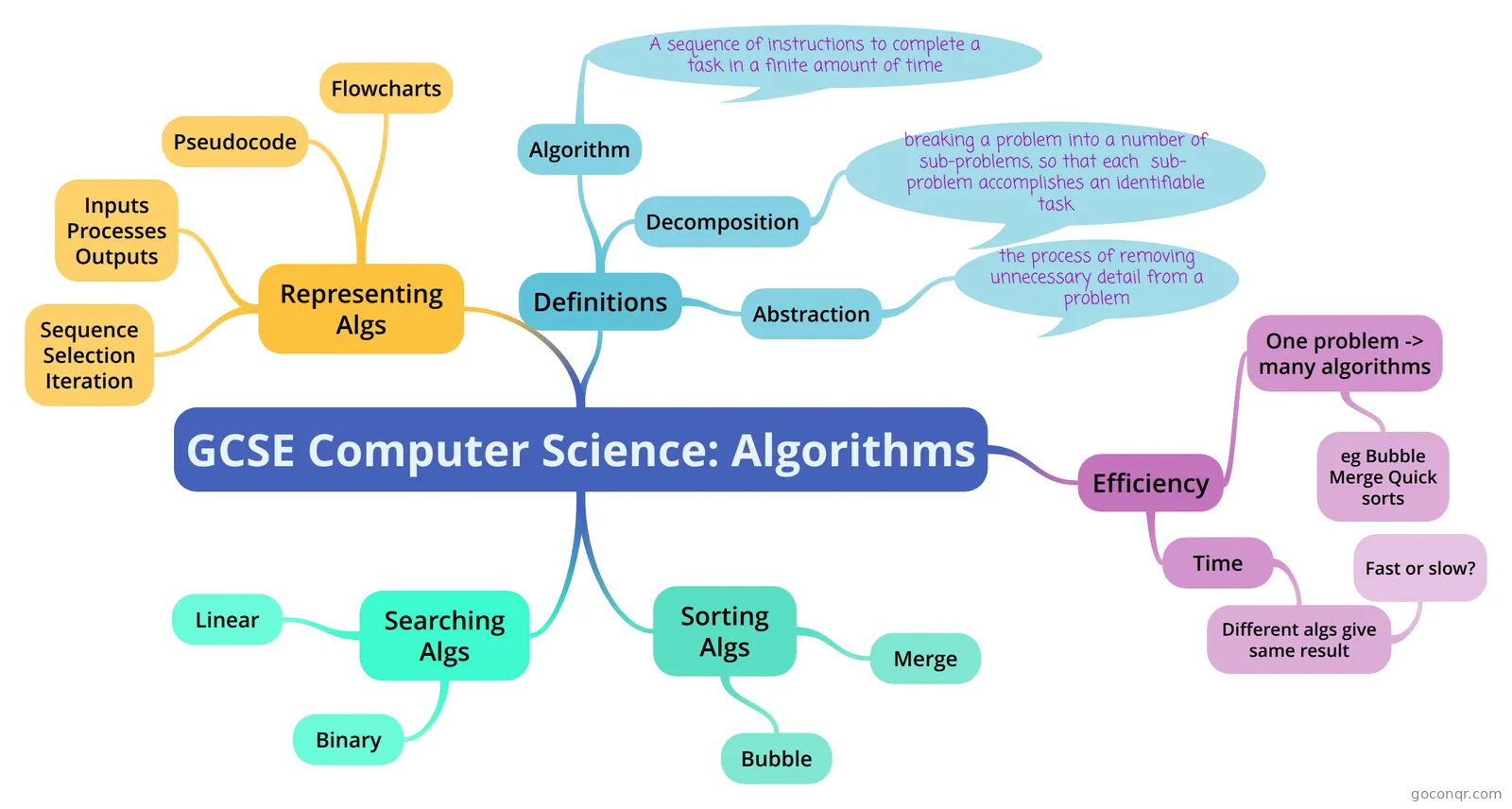 GCSE Computer Science: Algorithms
-
Searching Algorithms
-
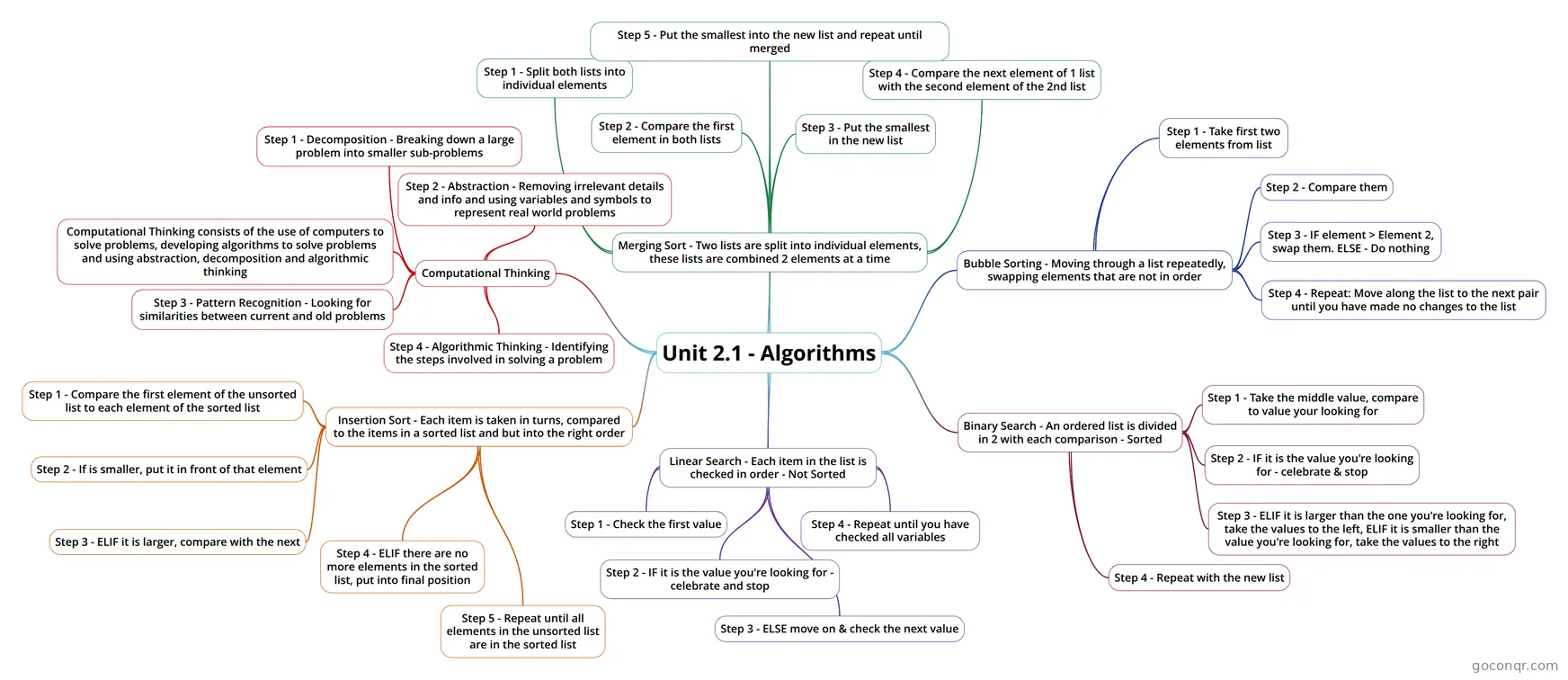 Unit 2.1 - Algorithms
-
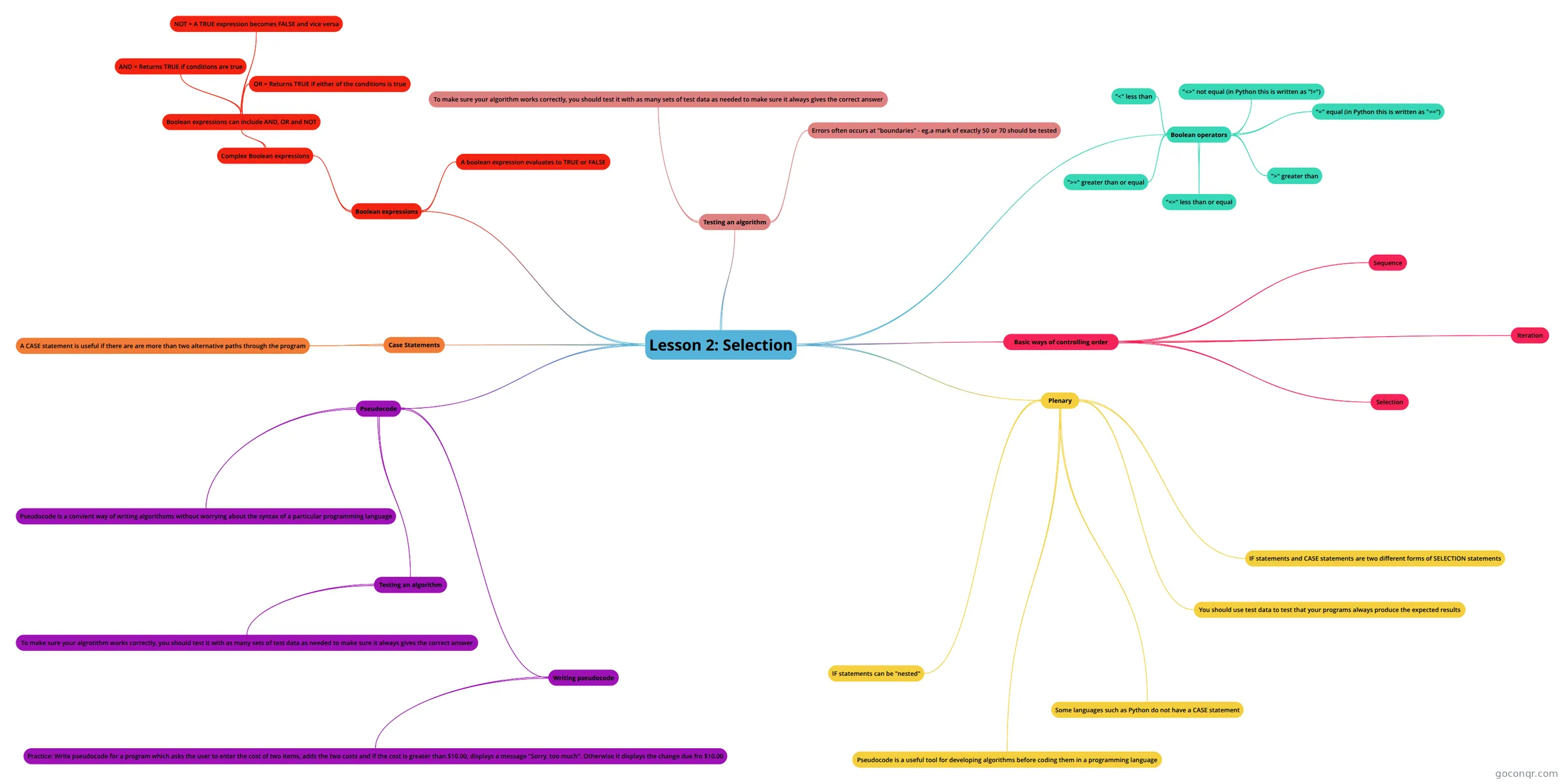 Lesson 2: Selection By: Arianna
-
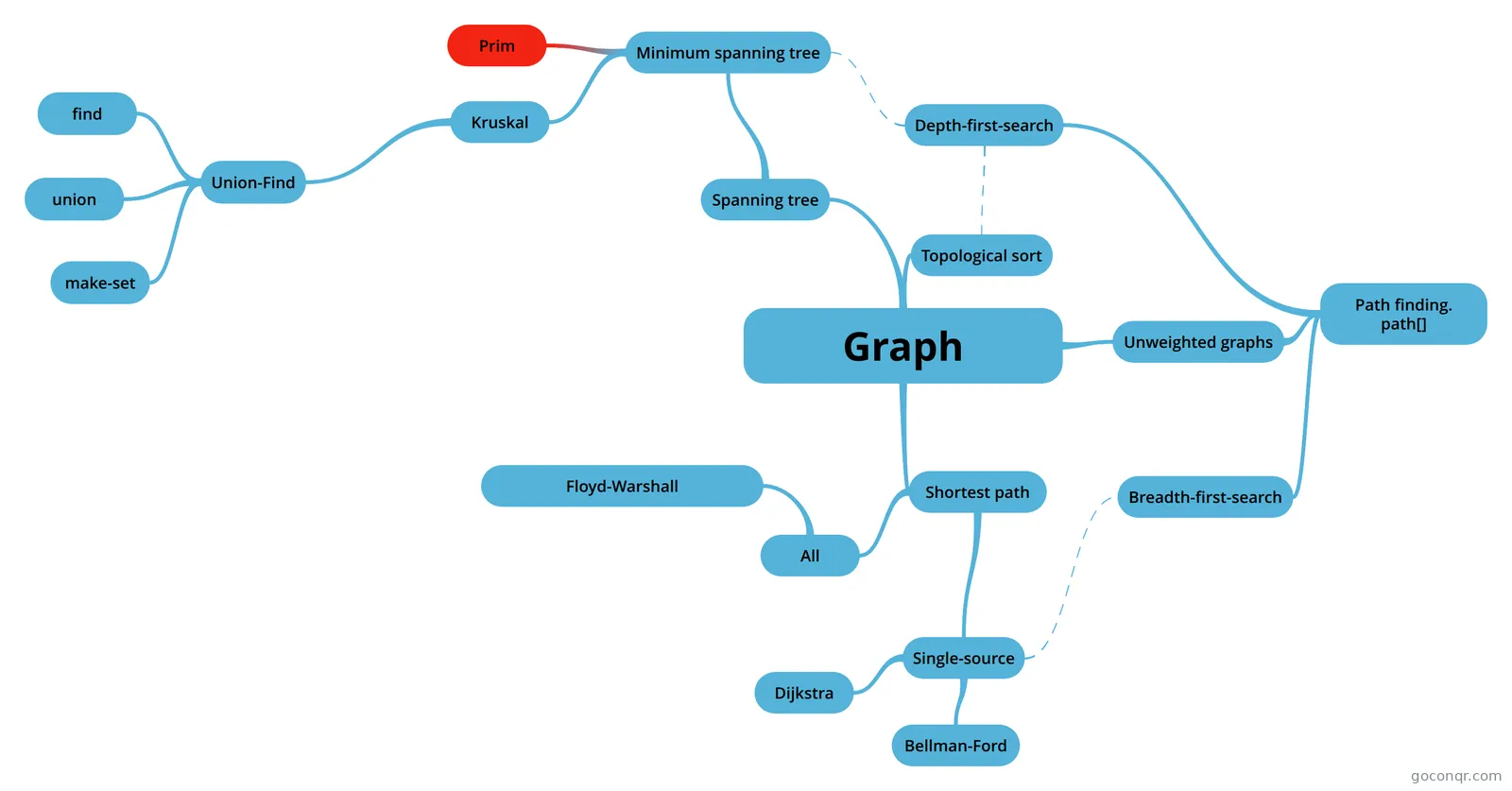 Graph Graphs are a useful model of connections.
-
2.1 - Algorithms
-
Big-O
-
Algorithms
-
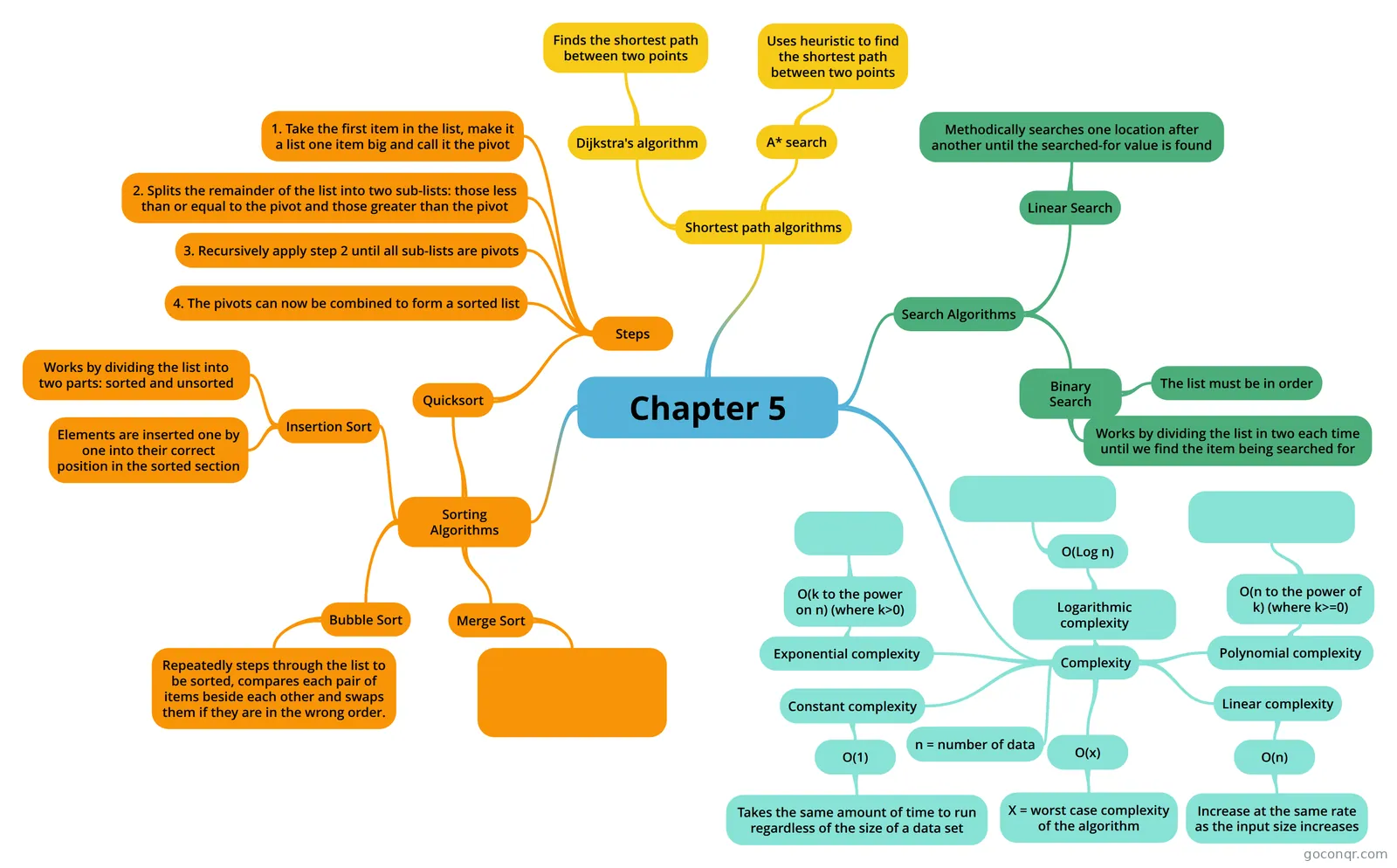 Chapter 5 Algorithms
-
2.1-Algorithms
-
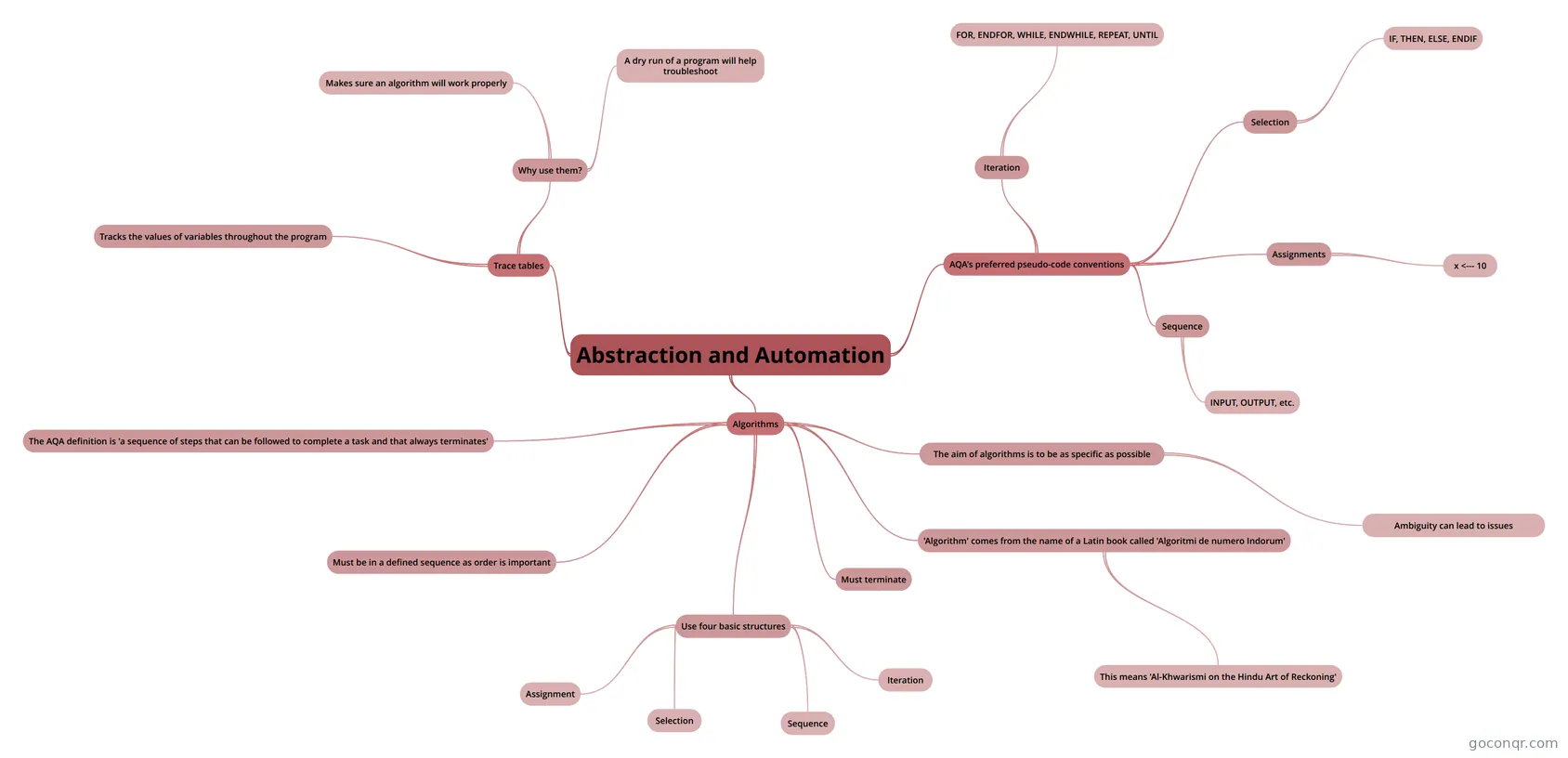 Abstraction and Automation
-
2.1 Algorithm
-
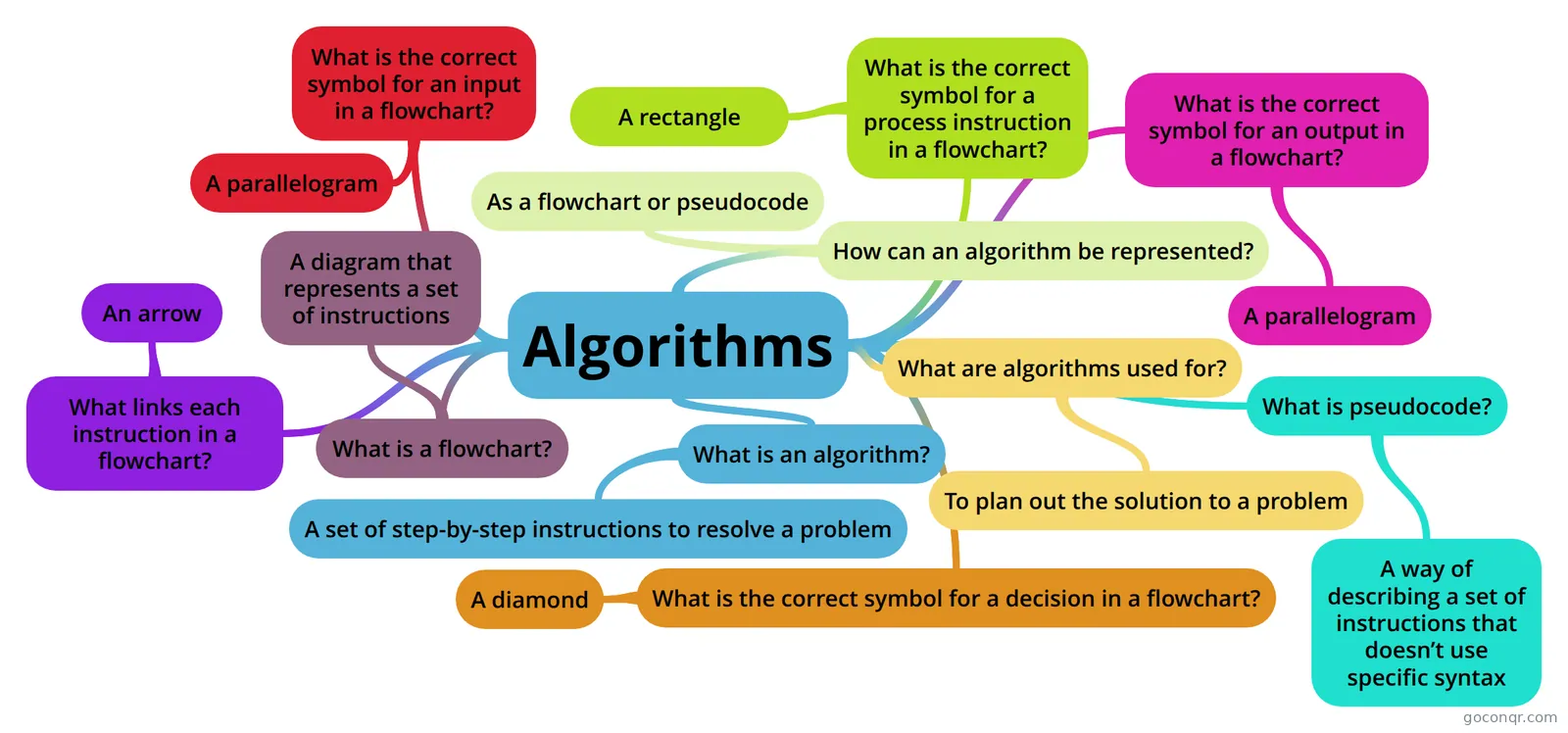 Algorithms
-
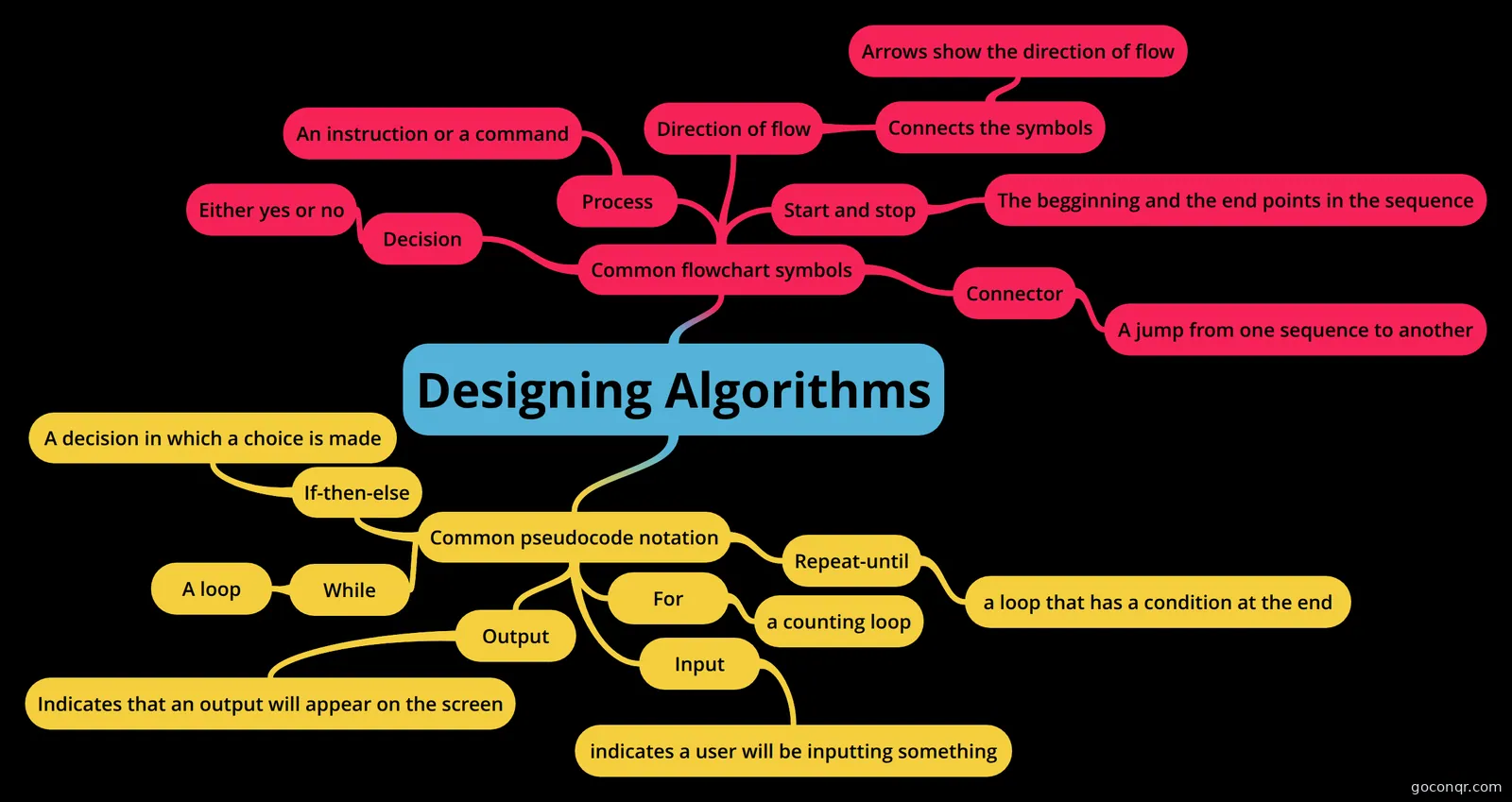 Designing Algorithms
-
Computing - OCR - GCSE - Flowcharts
-
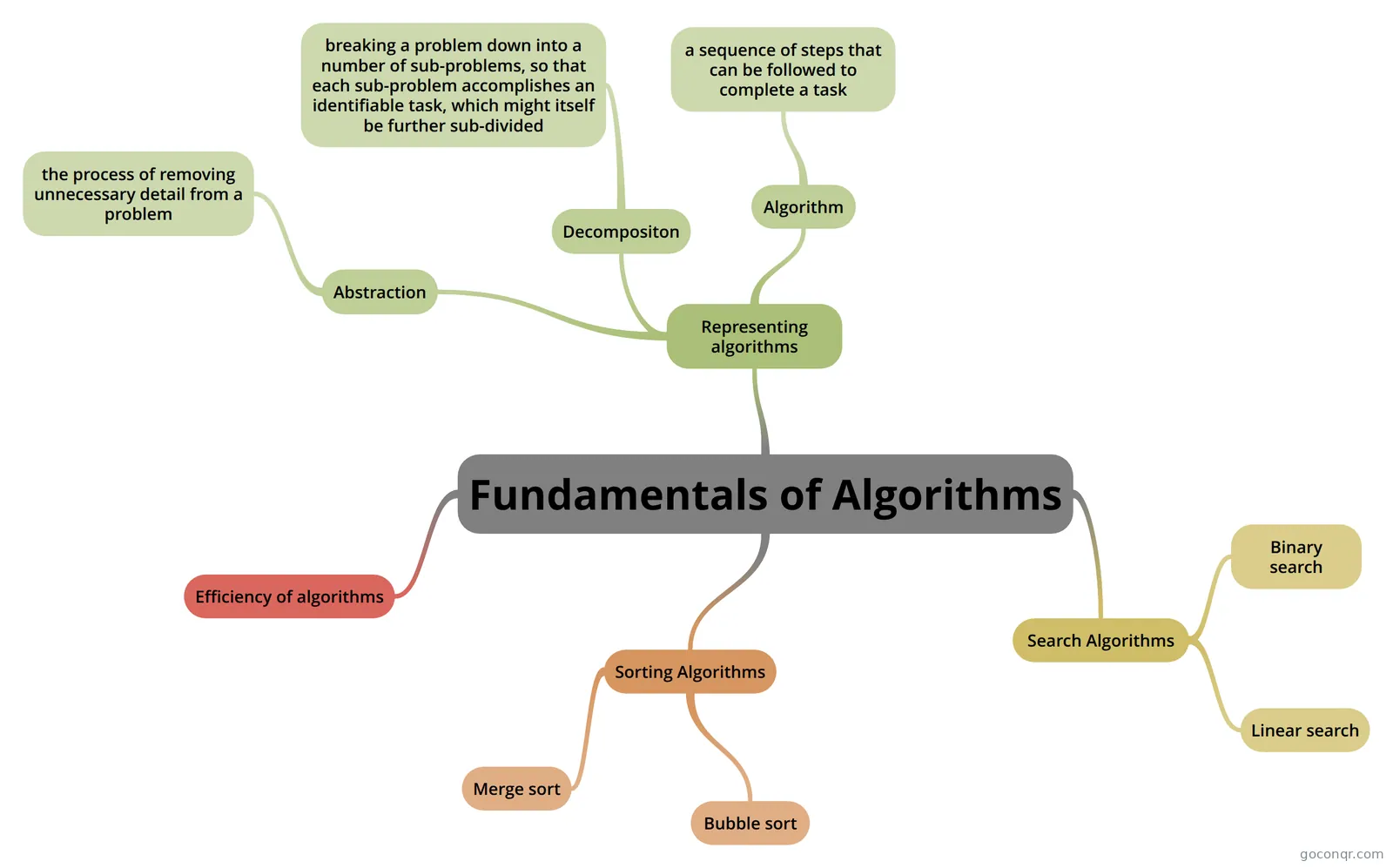 Fundamentals of Algorithms Summary of Algorithms according to the AQA Specification
-
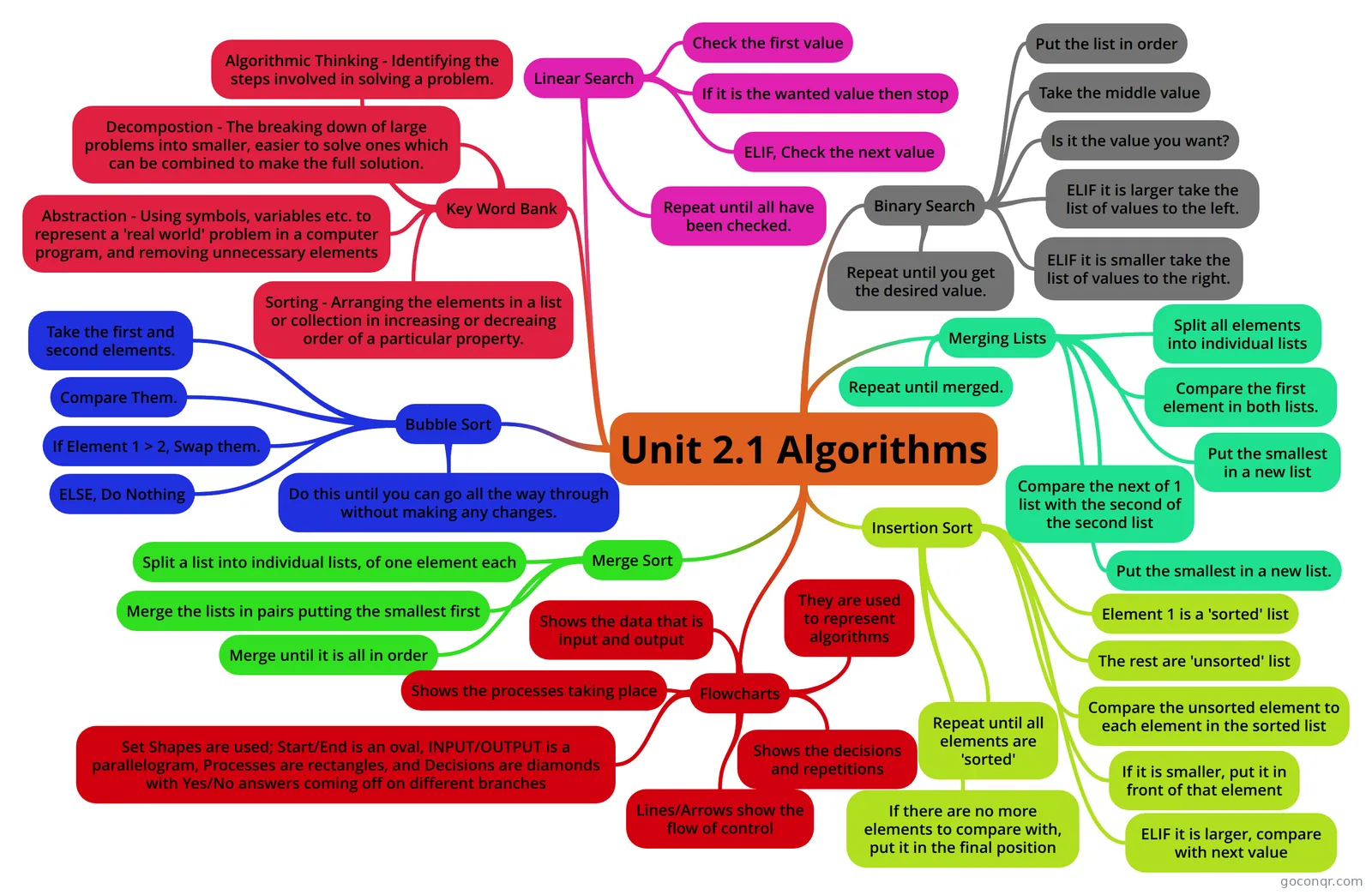 Unit 2.1 Algorithms My Unit 2.1 Mind Map
-
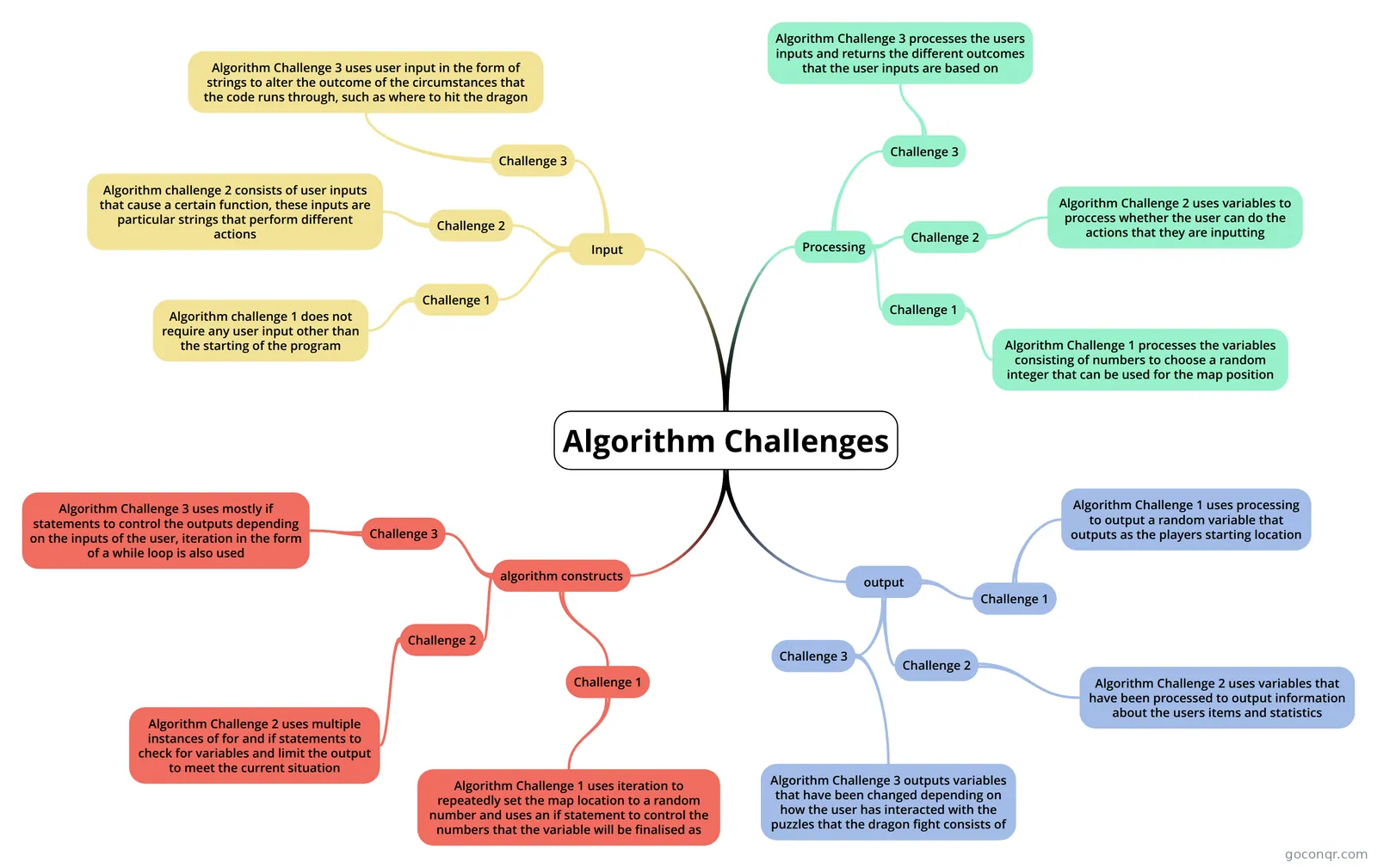 Algorithm Challenges
-
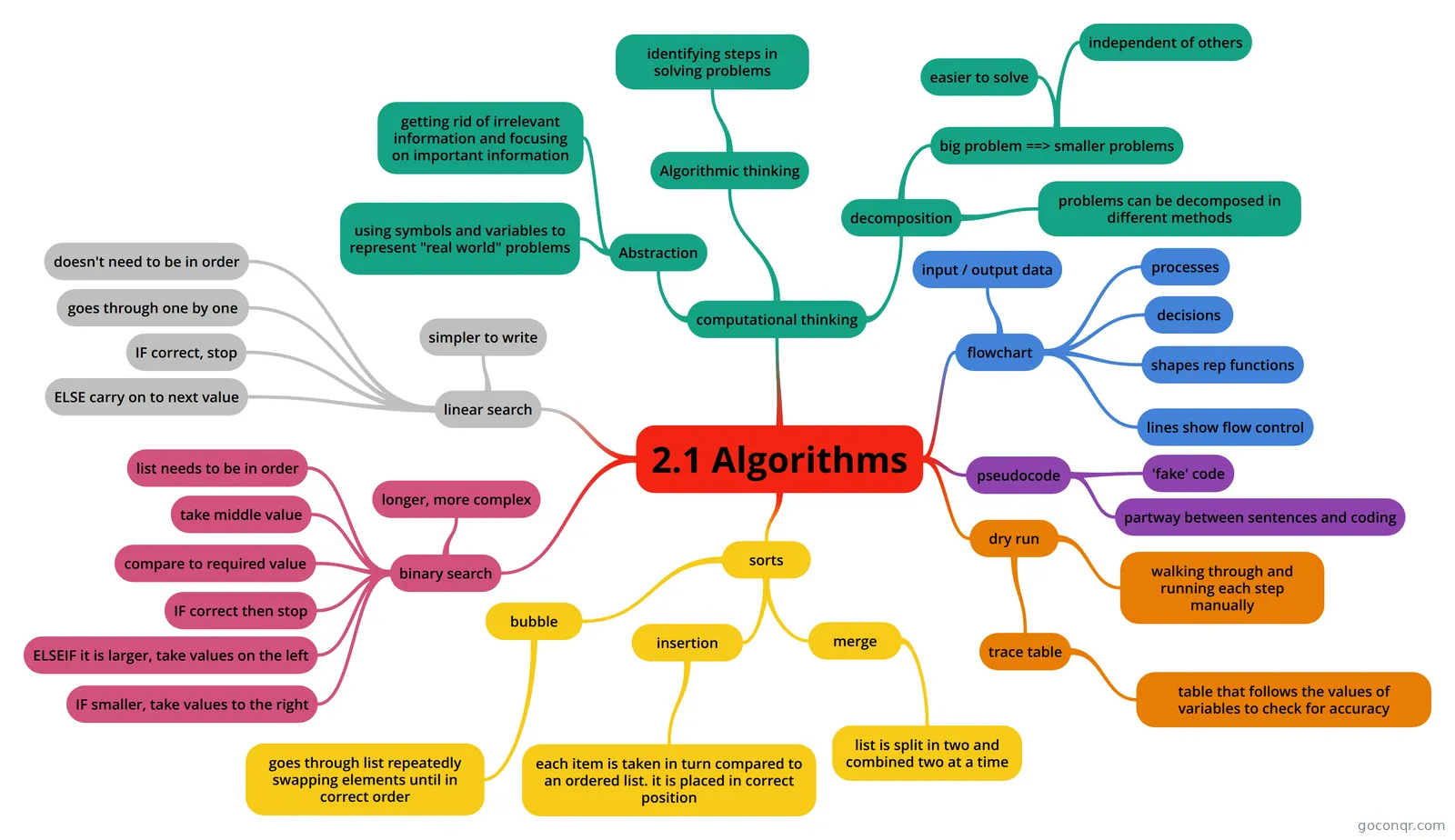 2.1 Algorithms
-
FA1 Mind Map
-
Searching idk im tired leave me alone
-
Algorithms
-
Algorithm
-
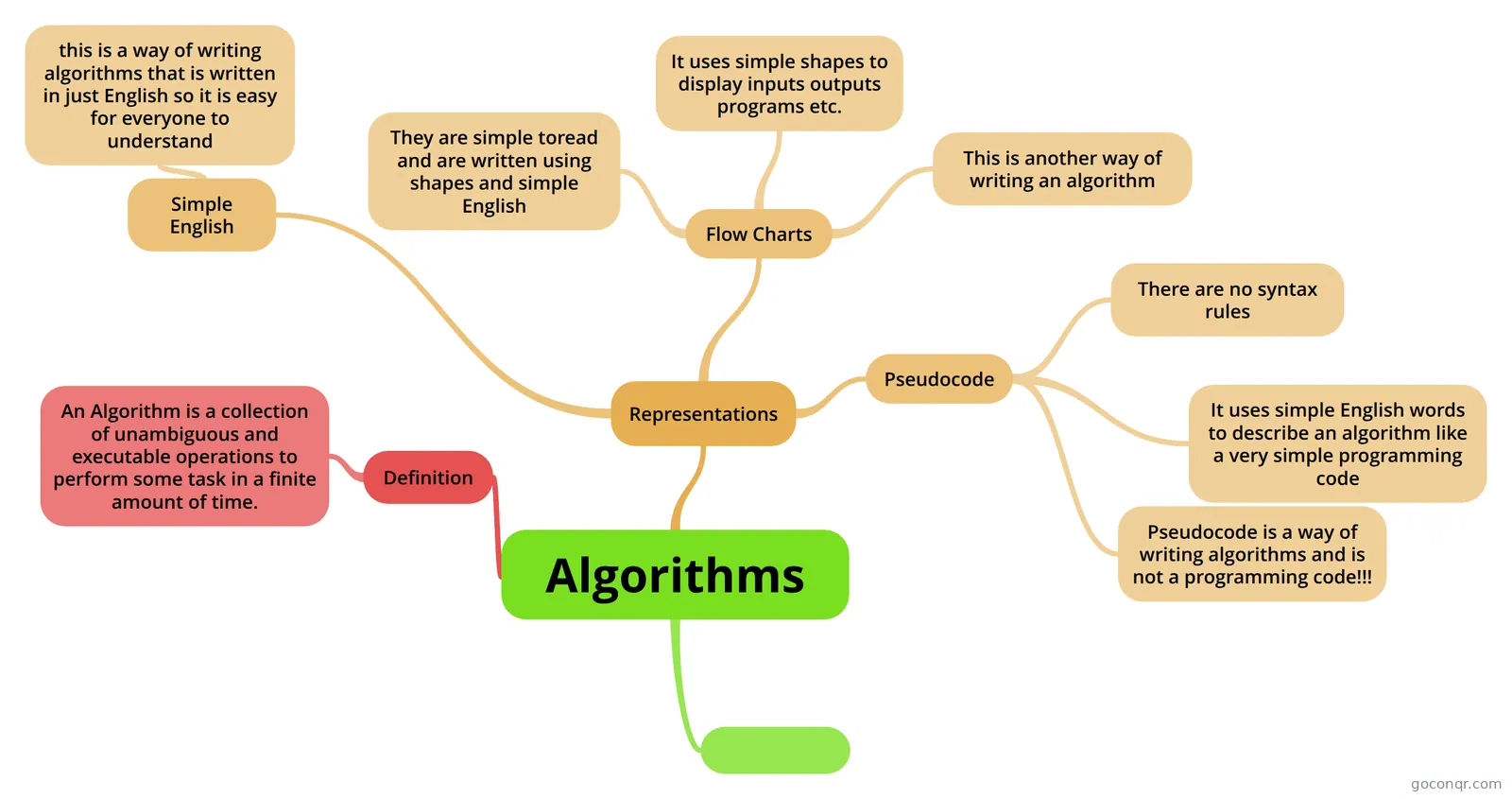 Algorithms
-
2.1 Algorthims
-
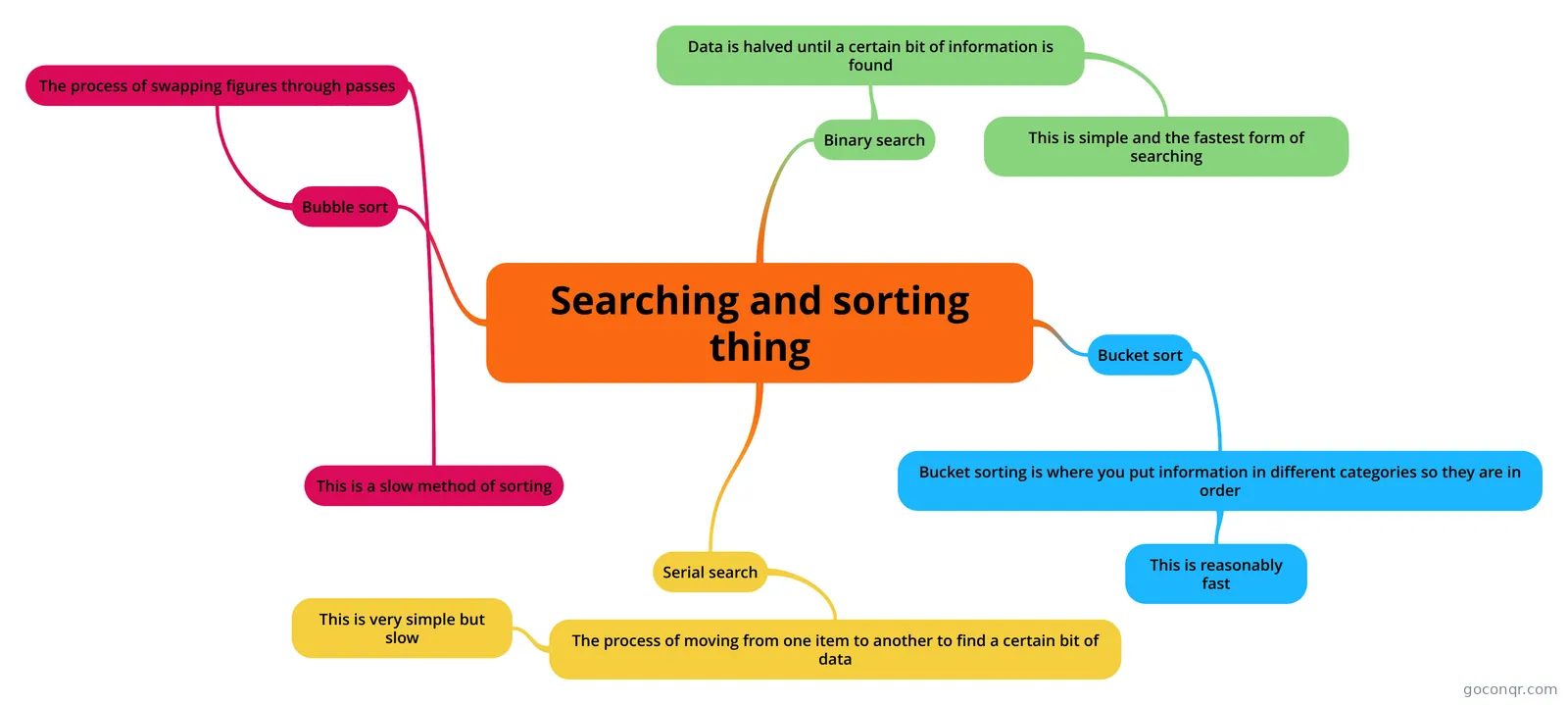 Searching and sorting thing searching and sorting
-
2.1 algorithms
-
Computational Thinking decomposition, algorithmic thinking , abstraction
-
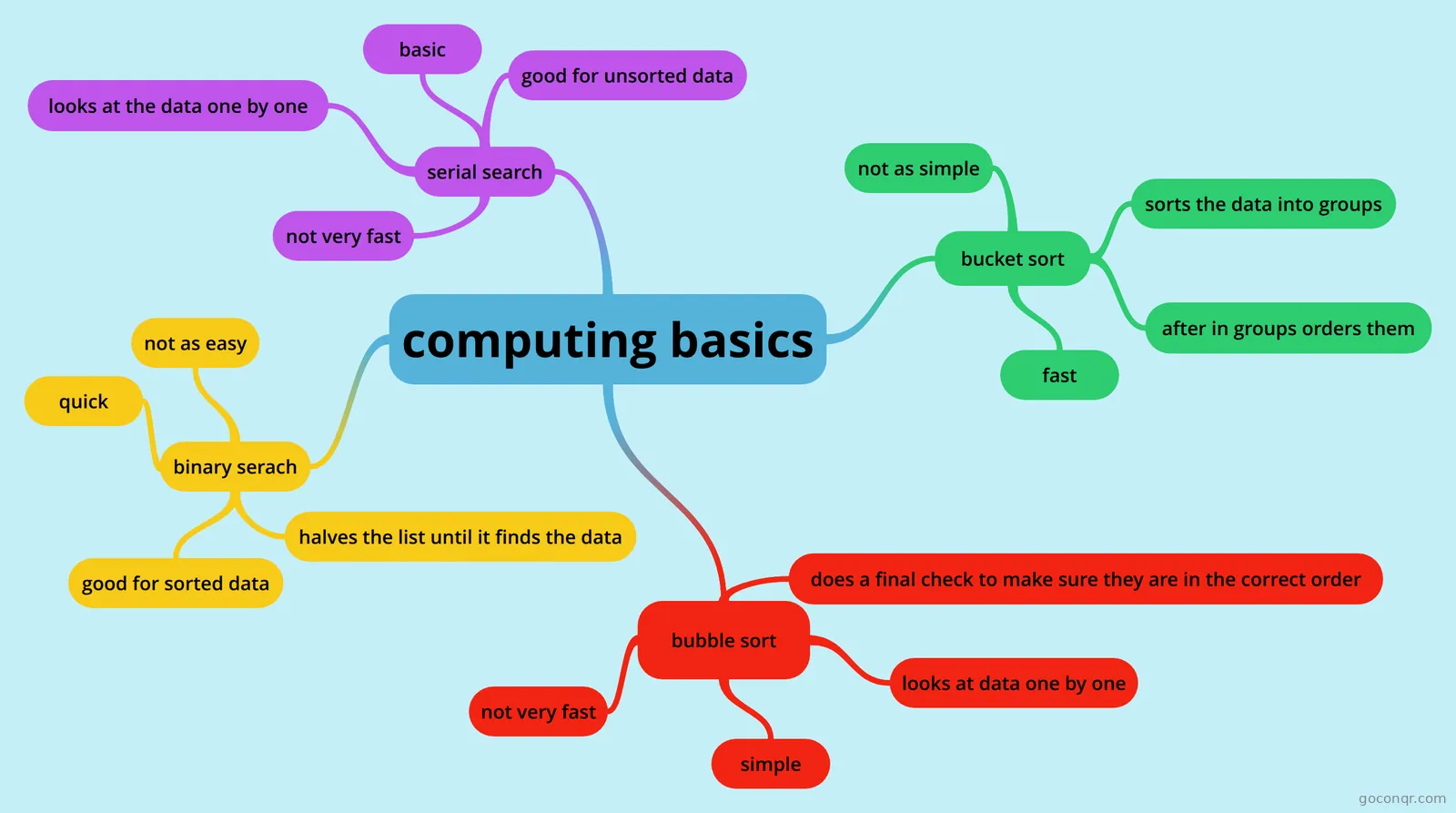 computing basics this has no catches to just a mind map of computer basics
-
Search Types this is stuff
-
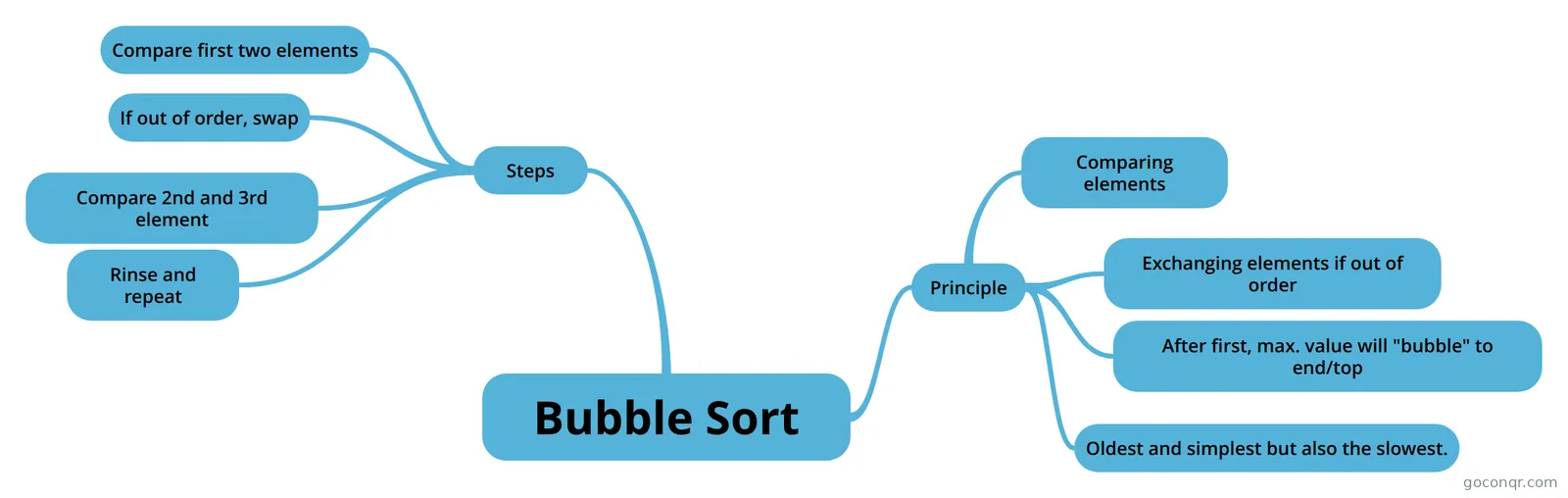 Bubble Sort
-
Computing
More Algorithms resources
About algorithms mind maps
GoConqr OriginalExplore algorithms mind maps
These user-made maps connect ideas within the Algorithms unit. Some introduce computational thinking, while others focus on searching, sorting, flowcharts or efficiency. Their branches give you a way to follow related points without reading the whole unit at once.
Choose a map and revise
For a starting point, Problem Solving introduces algorithms alongside sequence, selection and iteration. Move on to Searching Algorithms for a closer look at linear searching, or Bubble and Insertion sort for sorting methods.
Read one branch at a time, then try to recall its main points before looking again. Compare related branches when you want to connect a method with the wider topic. If you want to check your recall, switch to a quiz on the unit page; use flashcards when you want to revisit terms. Choose a map and follow a branch that interests you.
Frequently asked questions
Which mind map should I start with?
Problem Solving is a useful starting point because it introduces algorithms alongside sequence, selection and iteration. If you already want to focus on a particular method, Searching Algorithms looks at linear searching, while Bubble and Insertion sort covers sorting methods.
What do the mind maps cover?
The maps cover computational thinking, representations of algorithms, searching, sorting and efficiency. For example, GCSE Computer Science: Algorithms brings several of those topics together, including pseudocode and flowcharts. Other maps concentrate on a narrower topic, such as Algorithm Constructs or Searching Algorithms.
Are these mind maps free to use?
Yes. Every resource listed here is free to open and study without an account. The maps were made by GoConqr users, not by GoConqr. A free account also lets you save quiz scores and make your own quizzes, mind maps, flashcards and notes.
Which levels do these maps suit?
The collection includes material for school students, with some university-level resources. It also offers topics for professional candidates and material teachers can use in lessons. GCSE Computer Science: Algorithms is one starting point for students working on the topics named in that map.