
Introduction to Data Science mind maps
86 mind maps by 83 users · Page 1 of 3
This page gathers Introduction to Data Science mind maps, from data manipulation and analytics to business problems. The collection is for university students and professional candidates practising these topics, and teachers looking for material. There are over 80 user-made maps, mostly at university level. Choose a map to explore.
Mind maps
-
Study on IoT systems design Complex knowlage used to design and develope an analytical system for streams analysis
-
Data Science
-
Big Data.
-
Data Science for Decision-Making under Uncertainty (Finance case: housing crisis)
-
Data Science for Decision-Making under Uncertainty (Finance case: housing crisis)
-
BIG DATA
-
BIG DATA 1
-
Introduction to Data Science
-
Data Scientist
-
BigData
-
Data Science
-
Data Science
-
Data science
-
Introduction to Data-Analytic Thinking
-
Understanding the business
-
Advanced Analytics
-
C1. Introduction to Data-Analytic Thinking
-
Data Science
-
Data Fundamentals
-
Understanding the business
-
Data Science
-
Introduce el texto aquí
-
Data Science and Data analytics
-
Extraction, analysis and interpretation of data
-
C2. Business problems and data science solutions
-
Data Science
-
DATA SCIENCE
-
CATEGORIES IN DATA SCIENCE
-
Data science this is the mind map of informatic about data science
-
Beyond Interactive: Notebook Innovation at Netflix
-
Big Data
-
Data Science
-
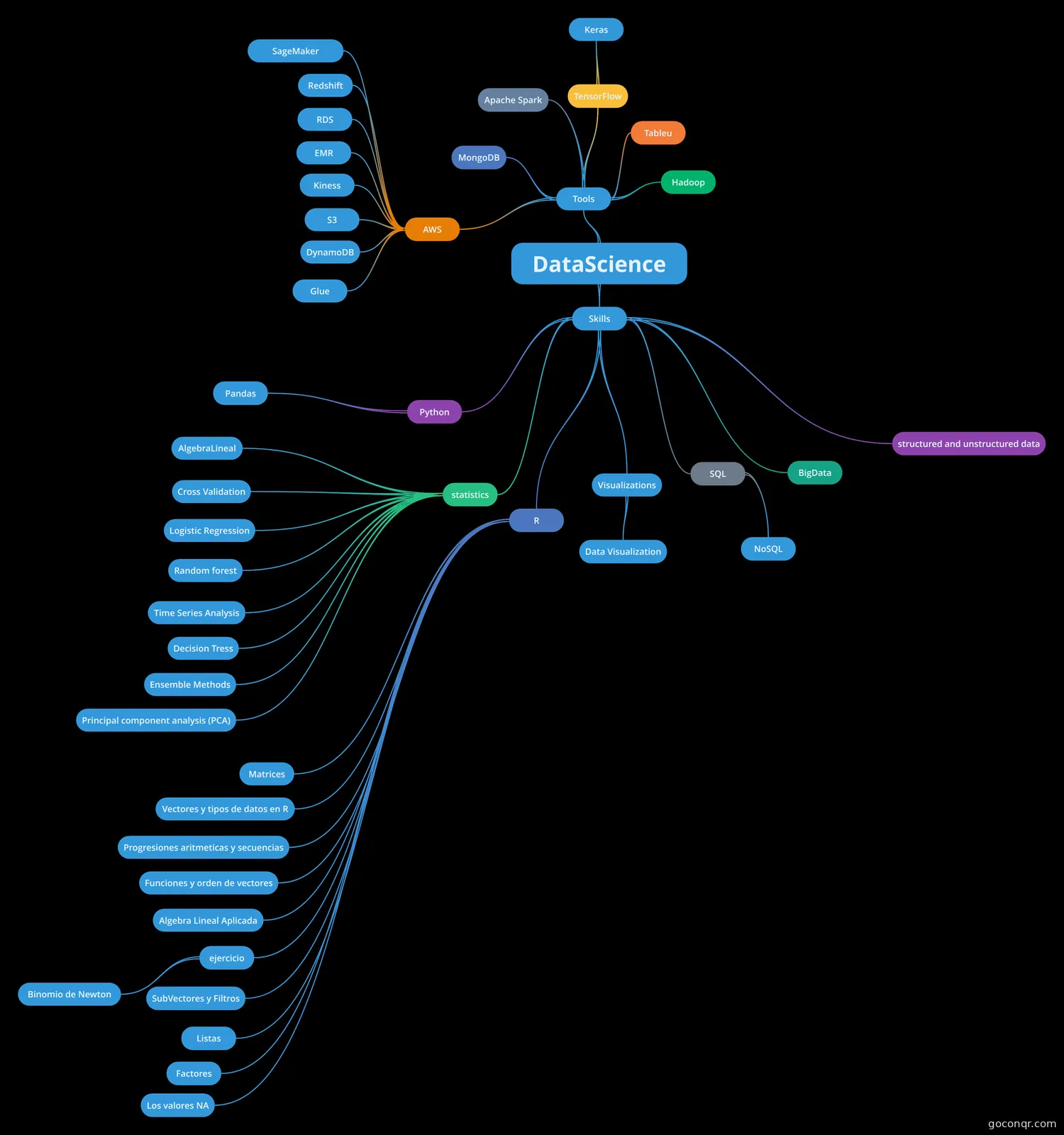 DataScience map
-
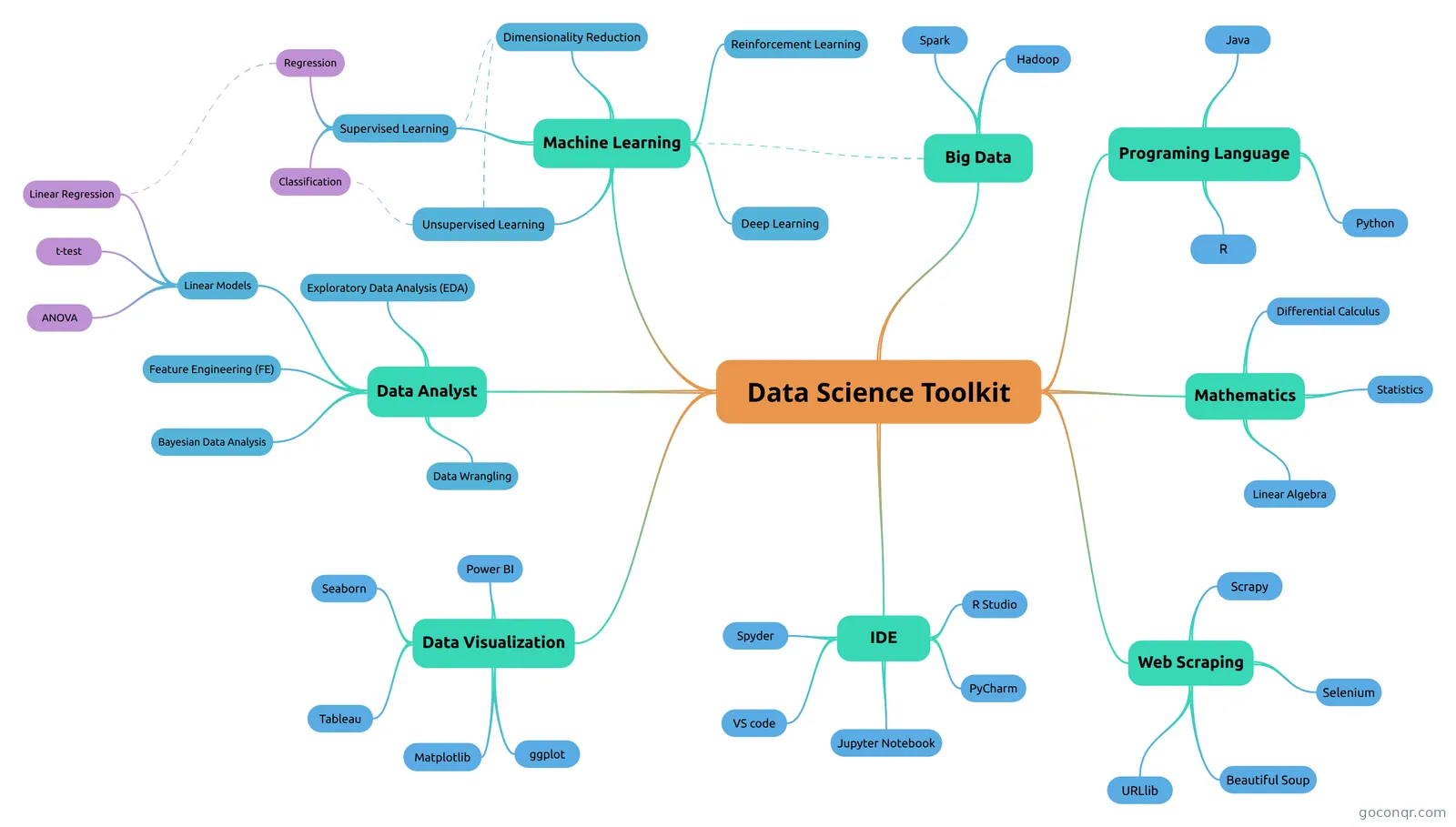 Data Science Toolkit An overview of DataScience tools
-
Data Science Israel Donato Chávez-A01710672
-
Data-Analytic Thinking
-
Study on IoT systems design Complex knowlage used to design and develope an analytical system for streams analysis
-
BIG DATA_2
-
Untitled
-
Data Science
More Introduction to Data Science resources
About introduction to data science mind maps
GoConqr OriginalIntroduction to Data Science mind maps
These maps give you different routes into the unit. Data Scientist covers data manipulation and R functions, while Study on IoT systems design includes stream processing and batch analysis. Data-Analytic Thinking brings together examples such as customer churn and behaviour prediction.
How to use the maps
Start with Introduction to Data Science if you want a broad view of data science and data analytics. Then choose a more focused map for the topic you are studying. Follow its branches and use the connections between terms to organise your revision.
After reading a map, close it and see which branches you can recall. Return to any that need another look. When you want to check your understanding in a different way, switch to a quiz on the unit page; use flashcards there when you want to revisit terms. Pick a map and follow a branch that interests you.
Frequently asked questions
Which mind map should I start with?
Try Introduction to Data Science for a broad look at data science and data analytics. If you are already working on a specific topic, Data Scientist covers data manipulation and R functions. You can then return to the broader map to connect those details with the unit.
Are these mind maps free to use?
Yes. Every map listed here is free to open and study without an account. The resources were made by GoConqr users, rather than GoConqr. A free account also lets you save quiz scores and make your own quizzes, mind maps, flashcards and notes.
Who are these mind maps for?
The collection is mostly at university level. University students and professional candidates can use the maps to practise topics such as data manipulation, analytics and data-analytic thinking. Teachers looking for material can browse the same collection and choose maps relevant to their teaching.