
Quantum Physics and Relativity mind maps
141 mind maps by 125 users · Page 1 of 4
This GoConqr page gathers over 130 Quantum Physics and Relativity mind maps, covering photon emission, quantum mechanics and relativity. School students can revise the photoelectric effect, while university students and professional candidates can explore quantum concepts; teachers can find ready-made material. The collection spans school and university levels. Choose a map to begin.
Select topic
- History of Quantum Theory13
- Blackbody Radiation6
- Photons and the Photoelectric Effect77
- Wave-Particle Duality19
- Atomic Energy Levels and Spectra21
- Quantum Wavefunctions and Operators11
- Perturbation Theory and Scattering6
- Quantum Field Theory and Particle Physics11
- Nanotechnology and Quantum Effects10
- Special Relativity28
- General Relativity and Gravitational Waves6
Mind maps
-
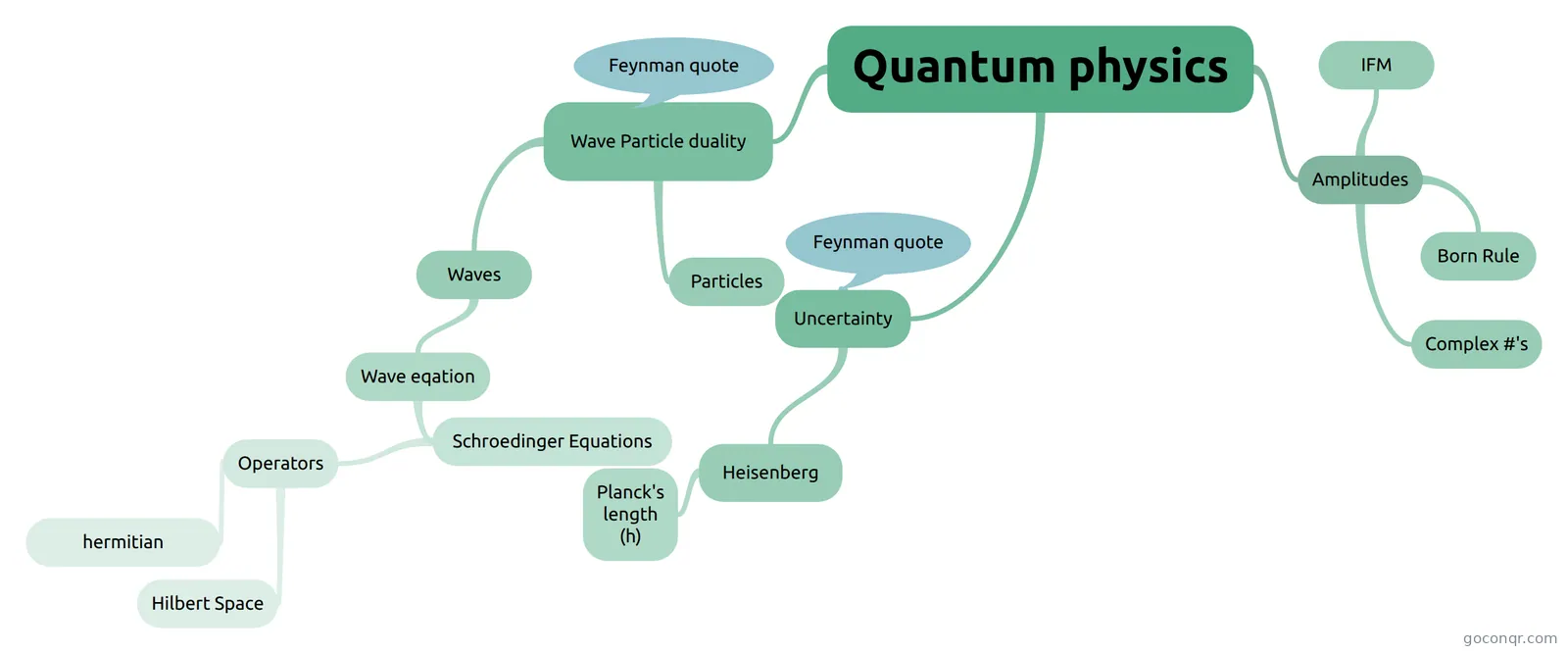 Quantum physics A map of quantum physics stuff
-
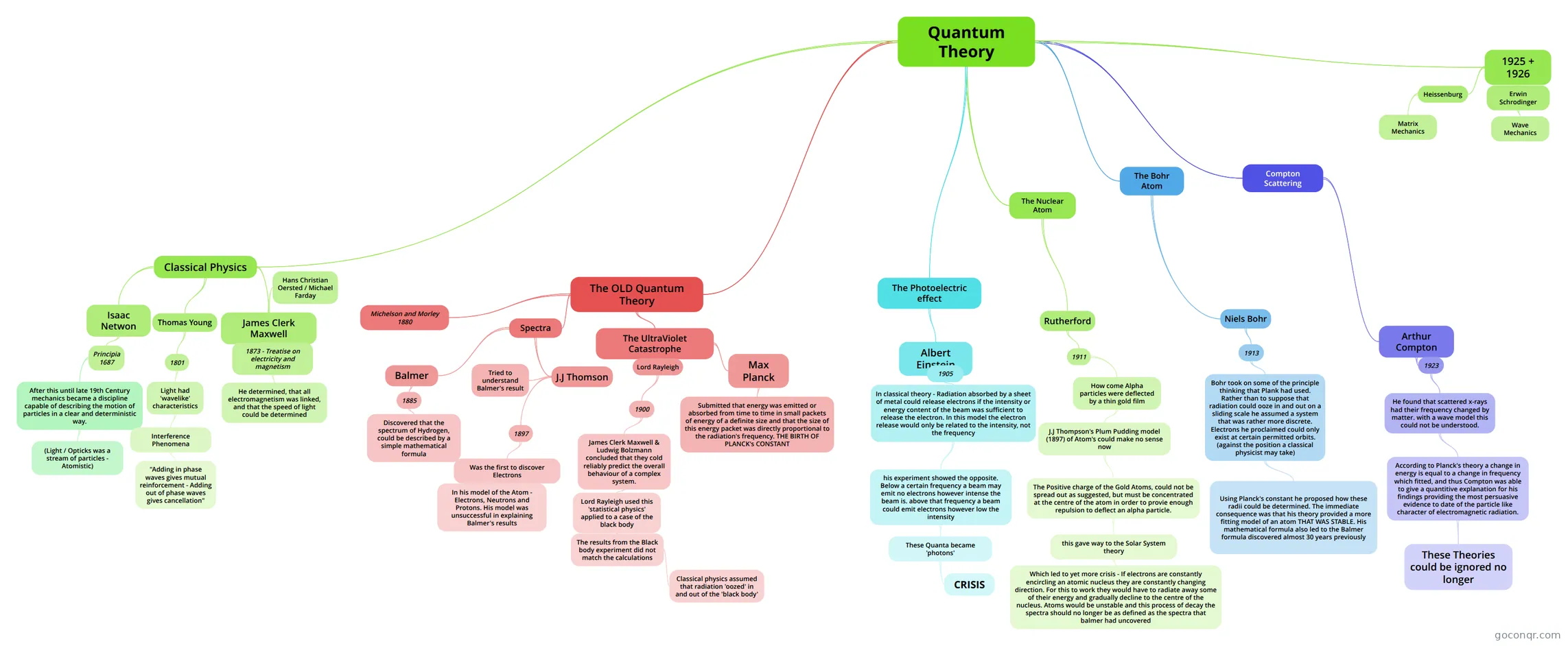 Quantum Theory
-
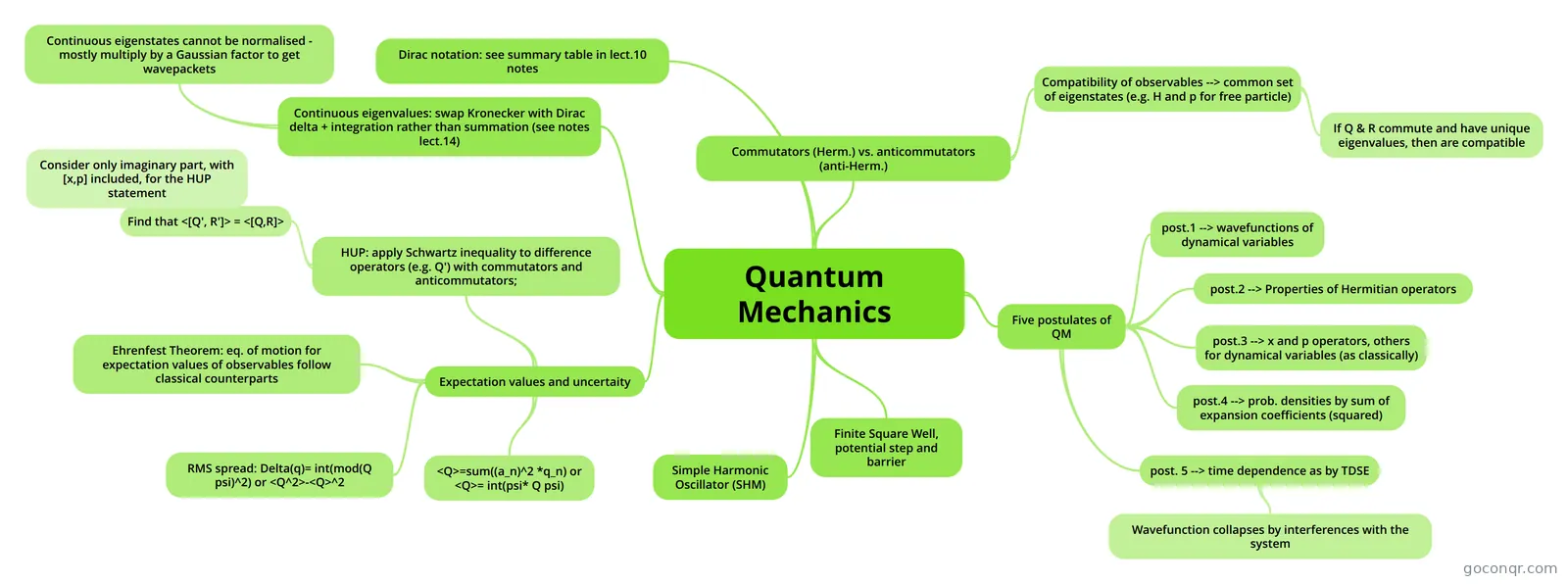 Quantum Mechanics
-
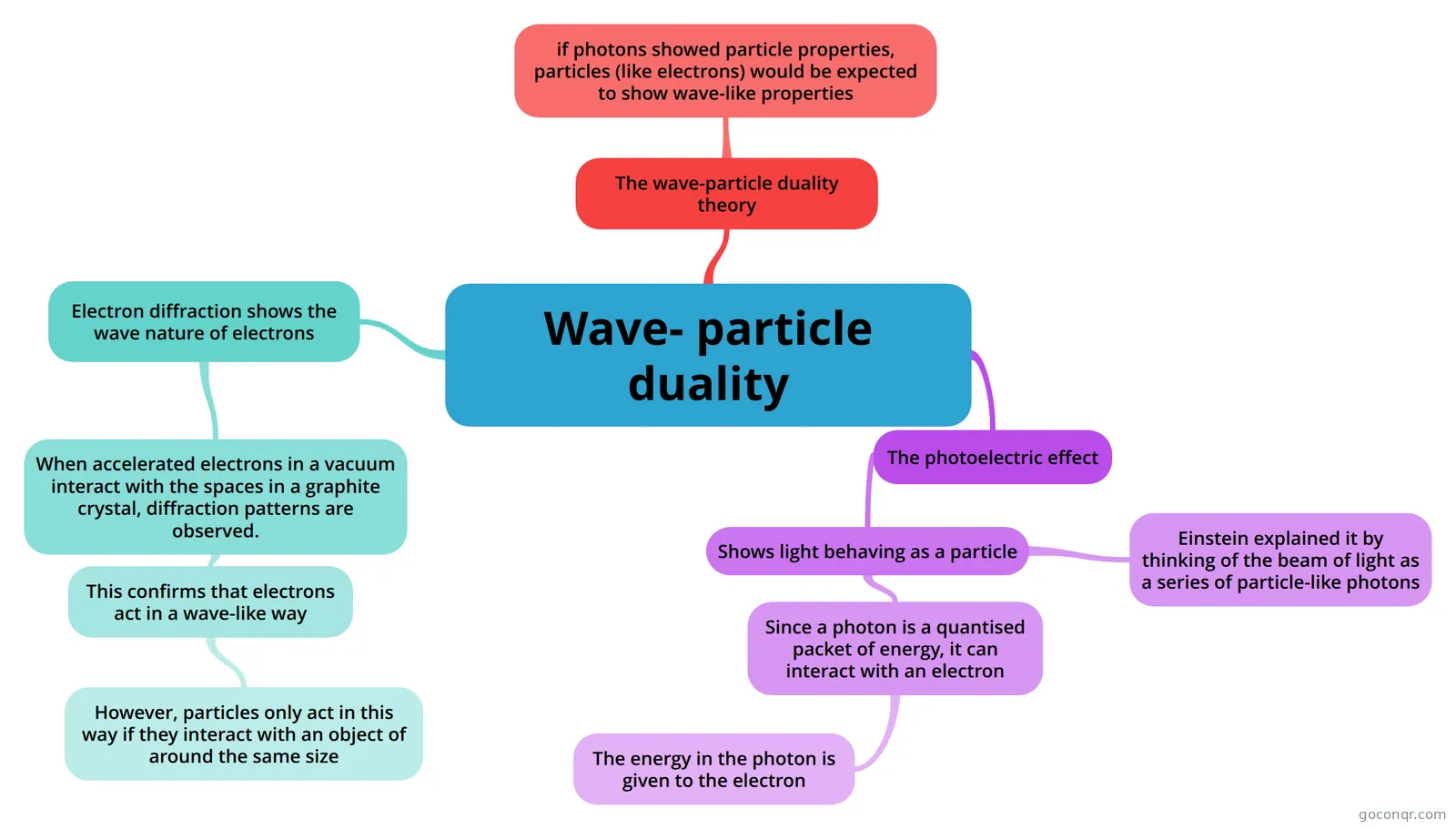 Wave- particle duality
-
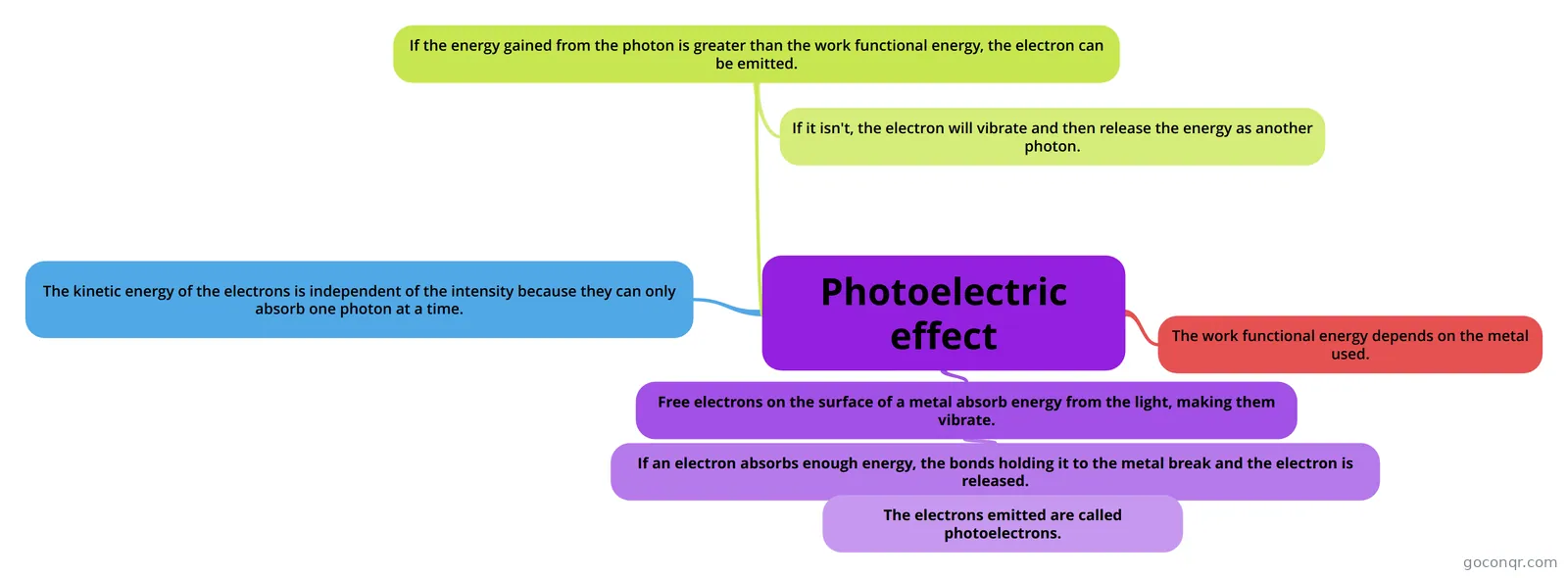 Photoelectric effect
-
The Blackbody radiation + Thermal emission and the photoelectric effect Thanaweya 3ama
-
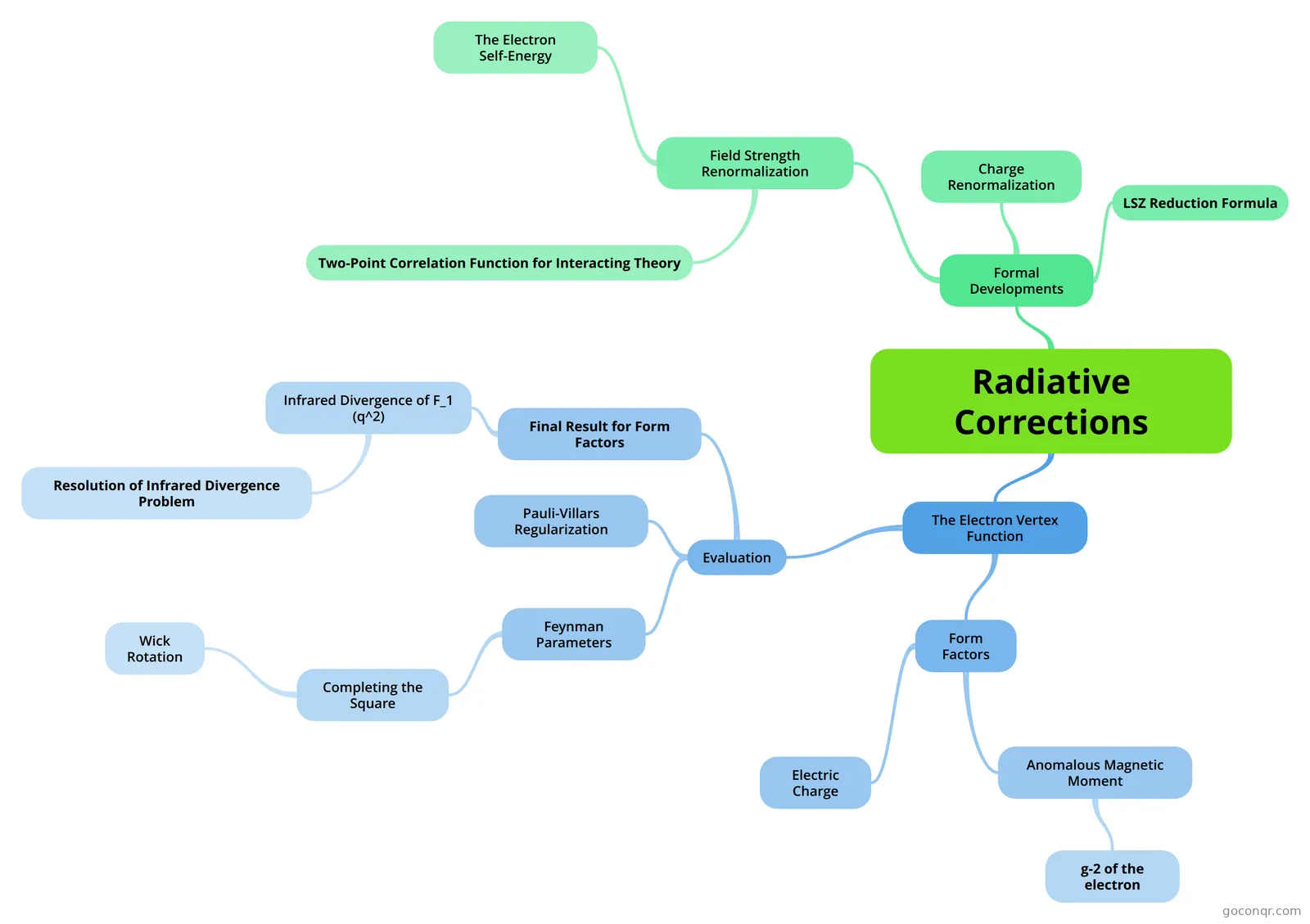 Radiative Corrections
-
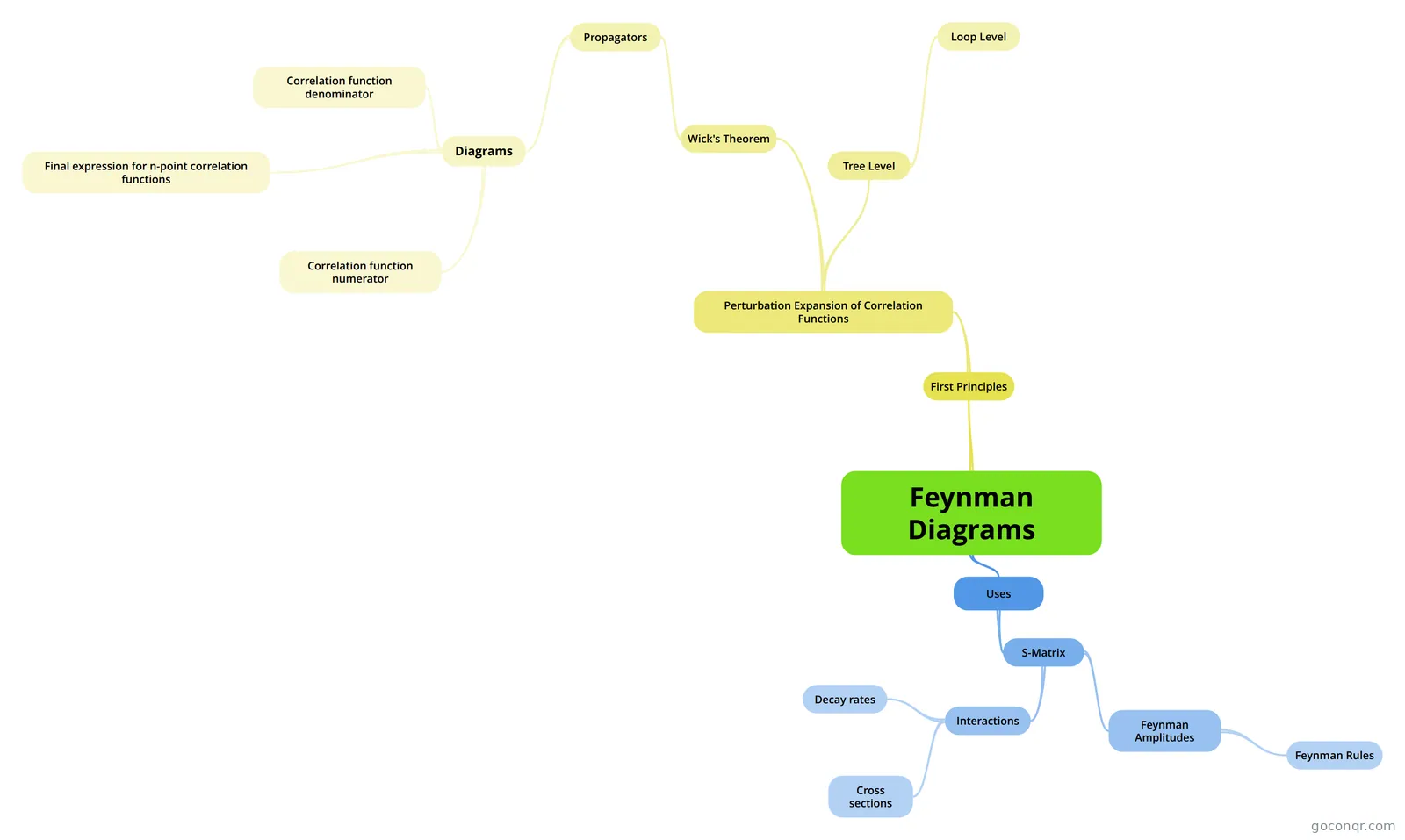 Feynman Diagrams Mind map for question on Feynman diagrams for FY816 exam 2014.
-
Quantum Phenomena
-
CHAPTER 4 WAVELIKE PROPERTIES OF PARTICLES
-
The Atom and the Quantum
-
Power of Entanglement
-
QUANTUM PHYSICS
-
MODERN PHYSICS
-
Quantum
-
Electromagnetic Radiation and Quantum Phenomena
-
Quantum Phenomena
-
Electromagnetic Radiation and Quantum Phenomena
-
Quantum Phenomena
-
Quantum Mechanics
-
Plasmas
-
1_QUANTUM MECHANIC & SPECIAL RELATIVITY
-
2_QUANTUM MECHANIC & SPECIAL RELATIVITY
-
QUANTUM MECHANIC & SPECIAL RELATIVITY
-
QUANTUM MECHANIC & SPECIAL RELATIVITY
-
PHYS2041 Quantum Mechanics
-
Quantum Phenomena
-
Quantum Phenomena
-
Quantum Mechanics
-
Modern Physics
-
Time in Quantum Mechanics
-
Photons
-
Development of Ideas Tachyon Mind map organising the different ideas behind the tachyon re-search project
-
REVOLUTION OF PHYSICS WORLD: QUANTUM MECHANIC AND SPECIAL RELATIVITY
-
electrons waves and photons
-
What did I learn about Matter-Energy Interferance?
-
The nature of light
-
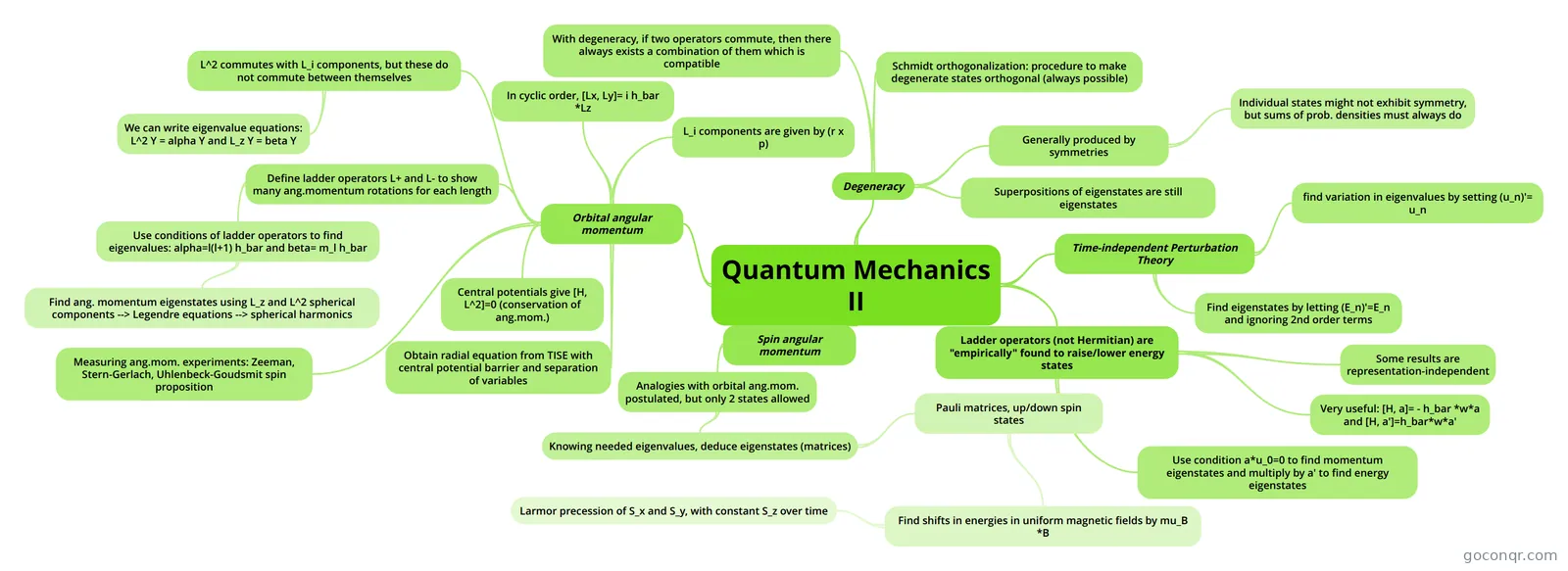 Quantum Mechanics II
-
Quantum Mechanics II
-
Quantum Phenomena
More Quantum Physics and Relativity resources
About quantum physics and relativity mind maps
GoConqr OriginalExplore quantum physics and relativity mind maps
The maps on this page let you follow connections between ideas and focus on individual branches. They cover topics from photon emission and wave–particle duality to quantum mechanics. Some also address special relativity.
Start with Energy levels and photon emission if you want to trace how changes in electron energy relate to emitted photons. For a different route, Basics brings together electron diffraction and Compton scattering.
Revise with a map
Read through a branch, then cover it and try to explain the connections in your own words. Return to the map to check what you missed. When you want to test recall, switch to a quiz on the unit page; use flashcards there for shorter prompts.
For more detailed material, explore Feynman Diagrams or Radiative Corrections. Pick a branch and see how much you can explain without looking.
Frequently asked questions
Which mind map could I start with?
Try Energy levels and photon emission if you want a focused map about electron energy levels and emitted photons. It also includes line emission spectra. If you would rather explore scattering and diffraction, Basics brings those topics together in another map on this page.
What do these mind maps cover?
The collection includes maps on the photoelectric effect, photon emission, quantum mechanics and special relativity. Some focus on a particular topic, while others bring several ideas together. For example, Quantum physics includes uncertainty, waves, particles and operators, while Feynman Diagrams covers interactions and Feynman rules.
Are the mind maps free to use?
Yes. Every resource listed here is free to open and study without an account. The maps were made by GoConqr users, rather than by GoConqr. A free account also lets you save quiz scores and make your own quizzes, mind maps, flashcards and notes.
Who are these mind maps for?
The collection includes material at school and university levels. School students can use maps on topics such as the photoelectric effect, while university students and professional candidates can explore topics such as quantum mechanics. Teachers can browse the same collection for ready-made material to support their teaching.