
Mapa mental
METABOLISM
Contenido del mapa
METABOLISM
FAT METABOLISM
- role of bile salt in lipid absorption and digestion
- emulsification of lipid aggregates
- solubilization and transport of lipid in an aqueous environment
- amount of ATP produced from palmitic acid
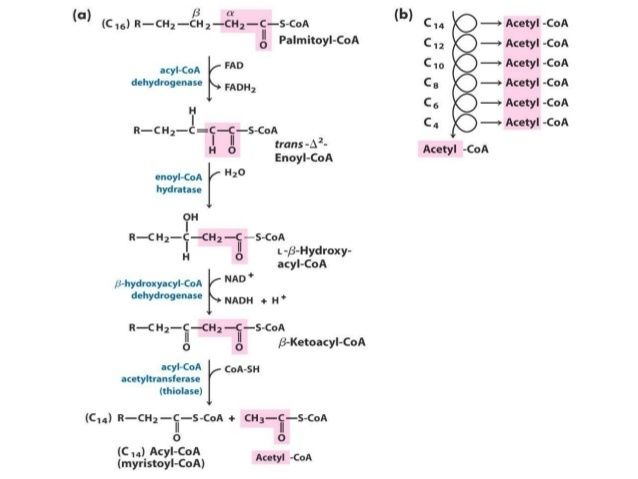
- 7 rounds of Beta Ovidation produce 14 ATP from FADH2 and 21 ATP from NADH
- 8 acetyl CoA produced will enter Kreb Cycle. it will produce 72 ATP from NADH, 16 ATP from FADH2 and 8 ATP from GTP
- TOTAL = 131 ATP - 2 ATP (used to activate FA) = 129 ATP
- 8 acetyl CoA produced will enter Kreb Cycle. it will produce 72 ATP from NADH, 16 ATP from FADH2 and 8 ATP from GTP
- 7 rounds of Beta Ovidation produce 14 ATP from FADH2 and 21 ATP from NADH
- Fatty Acid synthesis VS Beta oxidation
- NADPH as reducing agent (Fatty acid) NAD and FAD as oxidizing agents (Beta oxidation)
- Fatty acid synthesis occur in cytoplasm while beta oxidation occur in mitochondria
- Fatty acid synthesis require 49 ATP while Beta oxidation produce 33 ATP
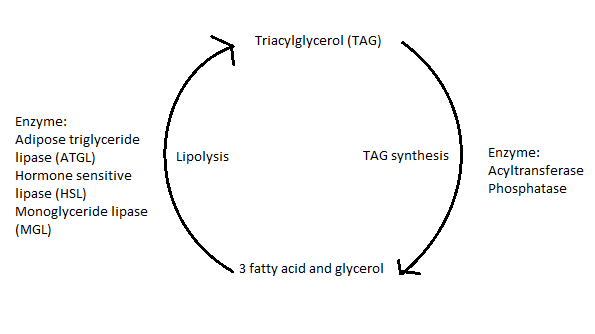
- TAG synthesis vs lipolysis
- regulation of enzyme activities
- Acetyl Co A Carboxylase
- regulation of FA synthesis
- catalyze acetyl CoA to malonyl CoA
- inhibited by hormone mediated phosphorylation
- HMG Co A Reductase
- inhibit by cholestrol
- reduce HMG CoA to mevalonate
- inhibit by Glucagon
- Hormone Sensitive Lipase
- Initiate the hydrolysis of Tri, di and monoglycerols to FA
- triggered by various catecholamines
- inhibit by insulin
- Acetyl Co A Carboxylase
- role of bile salt in lipid absorption and digestion
PROTEIN METABOLISM
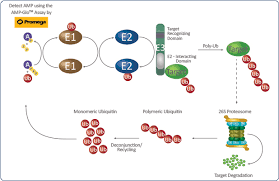
- ubiquitination
- ammonia intoxication in brain
- Ammonia intoxifification occurs when bloodaonium rises
- because the capacity to detoxify it by formation of glutamate and glutamine hasbeen exceed
- concentration of ammonia increase, the reaction proceed by formation of glutamate from alpha-ketoglutarate
- as alpha ketogutarate decrease, rate of TCA cycle activity fall, less energy formed and it effect the ion transport across nerve sell membrane
- Ammonia intoxifification occurs when bloodaonium rises
- phenylketouria
- increases the level of phenylalanine
- Learning disabilities, Behavioural problems, Epilepsy
- factors affecting urea cycle
- the concentration of free ammonia
- liver malfunction
- the presence of ATP
- the presence of carbomyl phosphate synthethase 1
- ubiquitination
CARBOHYDRATE METABOLISM
- ATP synthesized from one molecule of glucose
- ATP produced = 36 ATP
- 2 ATP produced from Glycolysis
- 2 ATP produced from the Kreb Cycle
- 32 ATP from Electron Transport Chain
- 4 ATP from NADH produced in Glycolysis
- 24 ATP from NADH produced in Kreb Cycle
- 4 ATP from FADH produced in Kreb cycle
- inhibitors of enzymes
- importance of hexomonophosphate shunt (HMP shunt)
- Production of NADPH from NADP
- Hahahah
- Bababananms
- Producing Ribose-5-phosphate
- Producing glycolytic intermediate
- Production of NADPH from NADP
- G6PD deficiency
- due to deficiency of glucose-6-phosphate dehydrogenase
- causes haemolytic anemia
- may cause death
- causes haemolytic anemia
- due to deficiency of glucose-6-phosphate dehydrogenase
- importance of TCA
- The final common pathway for oxidation of carbohydrates, lipid and protein because glucose, FA & most AA are metabolized to acetyl CoA or intermediates of the cycle.
- Harvest high-energy electrons from carbon fuels
- 1 acetate unit generates 12 molecules of ATP approx. per turn of cycle.
- Provides intermediates for biosynthesis of various compounds
- 1 acetate unit generates 12 molecules of ATP approx. per turn of cycle.
- Harvest high-energy electrons from carbon fuels
- The final common pathway for oxidation of carbohydrates, lipid and protein because glucose, FA & most AA are metabolized to acetyl CoA or intermediates of the cycle.
- Glycolysis
- Pyruvate
- Acetyl CoA
- TCA Cycle
- ENZYME INHIBITORS (ENZYME)
- NADH (1,2, and 3)
- ATP (1, and 2)
- Succinyl-CoA (1, and 3)
- EXAMPLE OF ENZYMES
- 1. Citrate Synthase
- 2. Isocitrate Dehydrogenase
- 3. ɑ-ketoglutarate dehydrogenase
- ENZYME INHIBITORS (ENZYME)
- TCA Cycle
- Acetyl CoA
- Pyruvate
- Pentose phosphate pathway or HMP Shunt
- Oxidative Pathway
- 2 NADPH
- CO2
- Non-oxidative pathway
- Ribose-5-phosphate
- Glycolytic intermediate
- Fructose-6-phosphate
- Glyceraldehyde-3-phosphate
- Oxidative Pathway
- Glycogenesis
- Liver & Muscle cell
- ATP synthesized from one molecule of glucose
Imágenes y archivos del mapa
Información
- Descripción
- Mapa Mental sobre METABOLISM, creado por biochemistry rx16 el 03/05/2018.
- Creado por
- biochemistry rx16
- Visitas
- 39
- Valoración