
Mapa mental
ANIMALS
Contenido del mapa
ANIMALS
INVERTEBRATES
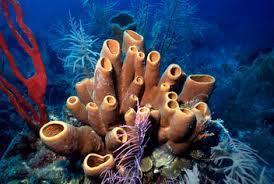
- PORIFERA
- They are sponges and they have a skeleton, they are invertebrates they have neither organs, nerves nor musculature. They are the simplest. They are oviparous and reproduce asexually
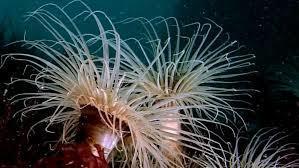
- CNIDARIA
- They are aquatic, mostly marine, organisms. They all have tentacles with stinging cells called nematocysts that they use to capture food. Cnidarians only have two body layers, the ectoderm and endoderm. They are oviparous and some reproduce sexually and others asexually.
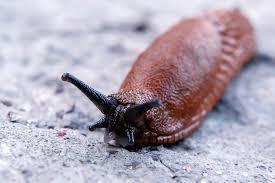
- MOLLUSCS
- They have bilateral symmetry, soft body, insegmented and divided into three parts (head, foot and visceral mass), without articulated appendages, and protected in almost all species by a calcareous shell. They are oviparous and reproduce sexually.
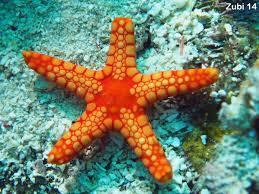
- ECHINODERMS
- Echinoderms have a hard covering made up of hard skins and spines. they all possess five-part radial symmetry around a central disk. Second, they all possess a very unique water vascular system. Some reproduce sexually and others asexually.
- ARTHROPODS
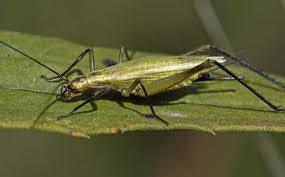
- Are animals that do not have a skeleton, but their body is made up of an exoskeleton called a cuticle. Arthropod animals are animals that have a type of tracheal respiration. They are oviparous and reproduce sexually.
- ANNELIDS
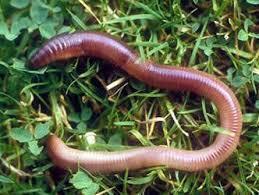
- They live in water or damp soil. Their bodies are long, rounded, and divided into ring-like segments. They are triploblastic. They are oviparous and some reproduce sexually and others asexually.
- Are animal that don´t have a dorsal cord, a vertebral column or an internal skeleton
- PORIFERA
VERTEBRATES
- MAMMALS
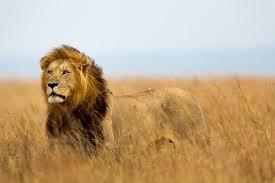
- They are animals that are characterized by the fact that females feed their young through milk-producing mammary glands. They reproduce sexually and they are viviparous.
- FISH
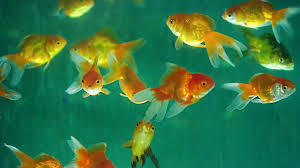
- Fish are aquatic animals that, thanks to having gills, can breathe underwater. Usually they are oviparous (egg-laying) beings and reproduce sexually.
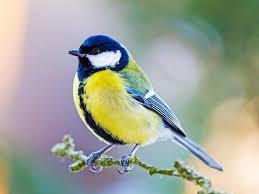
- BIRDS
- There skin is covered with feathers , they have wings, their bones are very lightwight. They don´t have teeths. They are oviparous and reproduce sexually
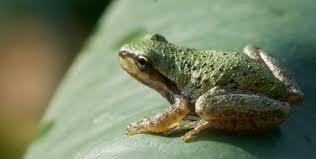
- AMPHIBIANS
- They are characterized in most cases by suffering metamorphosis, that is, important changes in their organism; They mainly develop two types of phases, a larval one in which their breathing is branchial and a pulmonary one when they reach adulthood. They can live both on land and submerged in water. They reproduce sexually and they are oviparous
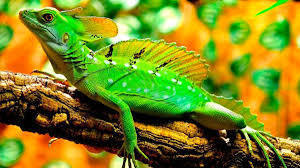
- REPTILES
- They breathe through the lungs, their skin is covered by horny scales or a shell and reproduces by eggs. They are oviparous and reproduce sexually.
- Are those animals which have a dorsal cord, a skeleton and a skull
- MAMMALS
Imágenes y archivos del mapa
Información
- Descripción
- 1º de ESO Biología y Geología Mapa Mental sobre ANIMALS, creado por Beatriz Reina el 18/06/2020.
- Creado por
- Beatriz Reina
- Visitas
- 0
- Historial
-
- Creado por Beatriz Reina · 17 jun 2020
- Copiado por Beatriz Reina · 17 jun 2020
- Copiado por Beatriz Reina · 17 jun 2020
- Copiado por Beatriz Reina · 18 jun 2020
- Copiado por Beatriz Reina · 18 jun 2020
- Valoración