
Mind map
Animal vs. Plant Cells
Map content
Animal vs. Plant Cells
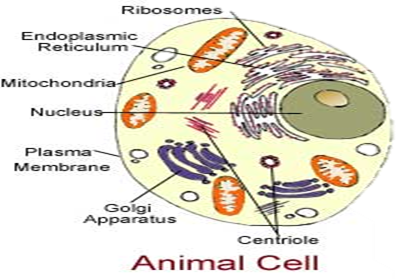
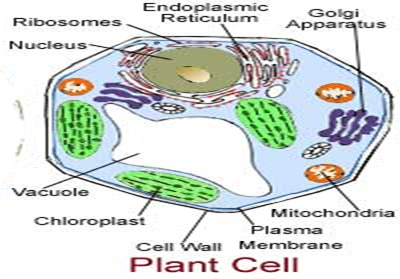
Ribosomes: mRNA translation in protein synthesis.
Endoplasmic Reticulum: folding of protein molecules in sacs called cisternae and the transport of synthesized proteins in vesicles to the golgi apparatus.
Mitochondria: powerhouse of the cell, aerobic respiration to make ATP and release energy.
Nucleus: contains genetic material and controls the cell's activities.
Plasma Membrane: selectively permeable to ions and organic molecules and controls the movement of substances in and out of cells.
Golgi Apparatus: modifying, sorting and packaging of proteins for secretion, also involved in the transport of lipids around the cell, and the creation of lysosomes.
Centriole: help with cell division in animal cells.
Cell Wall: provide protection and support for the plant.
Vacuole: provides structural support, as well as serving functions such as storage, waste disposal, protection, and growth.
Chloroplasts: contain chlorophyll for photsynthesis.
Images and files in the map
Information
- Description
- Animal and Plant Cell structures and functions based on the OCR AS Level Biology Specification.
- Created by
- JimJam5
- Views
- 537
- Tags
- History
-
- Created by sophieisnotakise · Oct 8, 2014
- Copied by JimJam5 · Oct 8, 2014
- Rating
More on Plant and Animal Cells