Mapa mental
Introduction to Immunology
Contenido del mapa
Introduction to Immunology
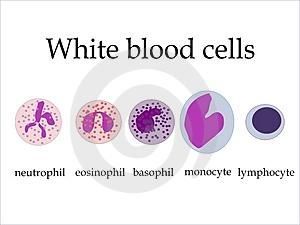
Types
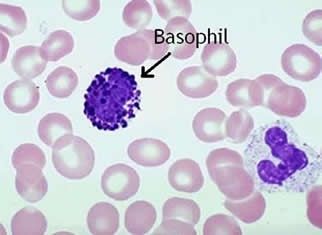
- Basophils
- Reacts to inflammation (allergic reaction)
- Makes up 0.4% to 1.4% of white blood cells
- Condition that increase basophil count: asthma, chronic dermatitis, hypothyroidism
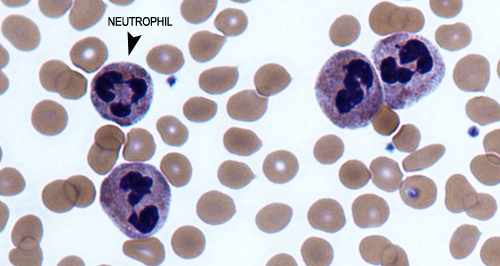
- Neutrophil
- first responders to puncture of skin and formation of cancer cells
- Makes up to 40% to 75% of white blood cells
- Major component in pus (Causing yellowish colour)
- High count of this cells indicate body are fighting serious infection
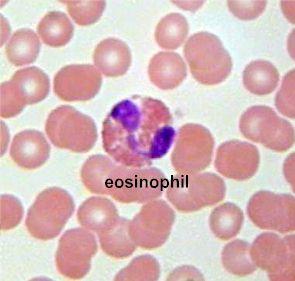
- Eosinophil
- A.k.a Acidophiles and specialized in killing multinucleated parasites (worms)
- Produced and matured in bone marrow
- Makes up 1% to 6% of white blood cells
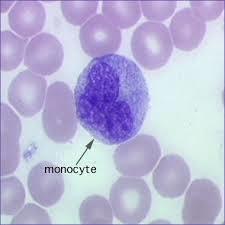
- Monocyte
- A.k.a leukocytes, fights cancerous cells and remove dead or damaged body tissues
- makes up 1% to 10% of white blood cells
- High count indicates: chronic infections, auto immune disorder, tuberculosis, parasitic and virus infection
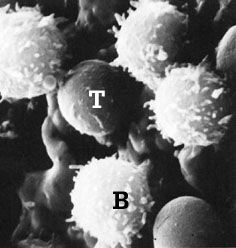
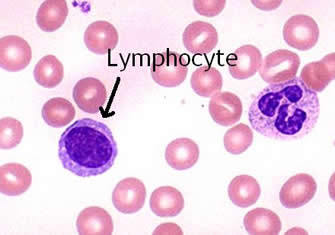
- Lymphocyte
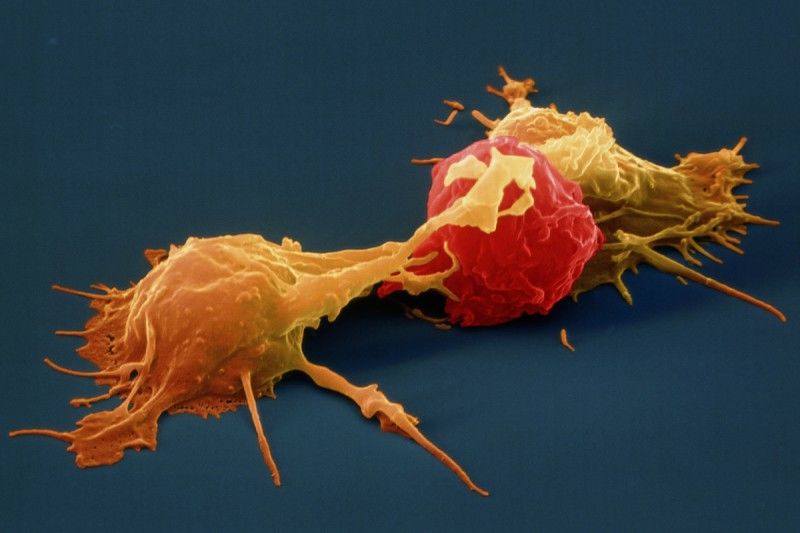
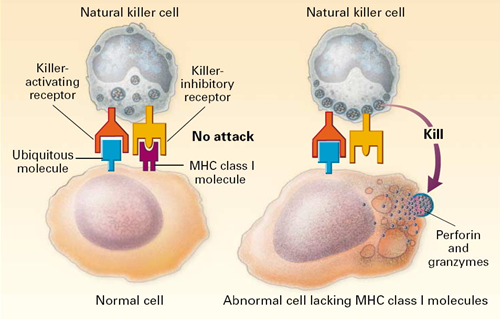
- Natural killer (NK) cells, that belongs innate immune respones
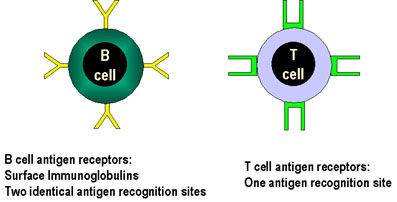
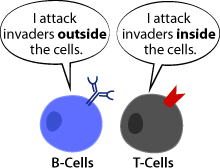
- Thymus (T) cells and Bone marrow derived (B) cells are included in adaptive immune response.
- Natural killer (NK) cells, that belongs innate immune respones
- Basophils
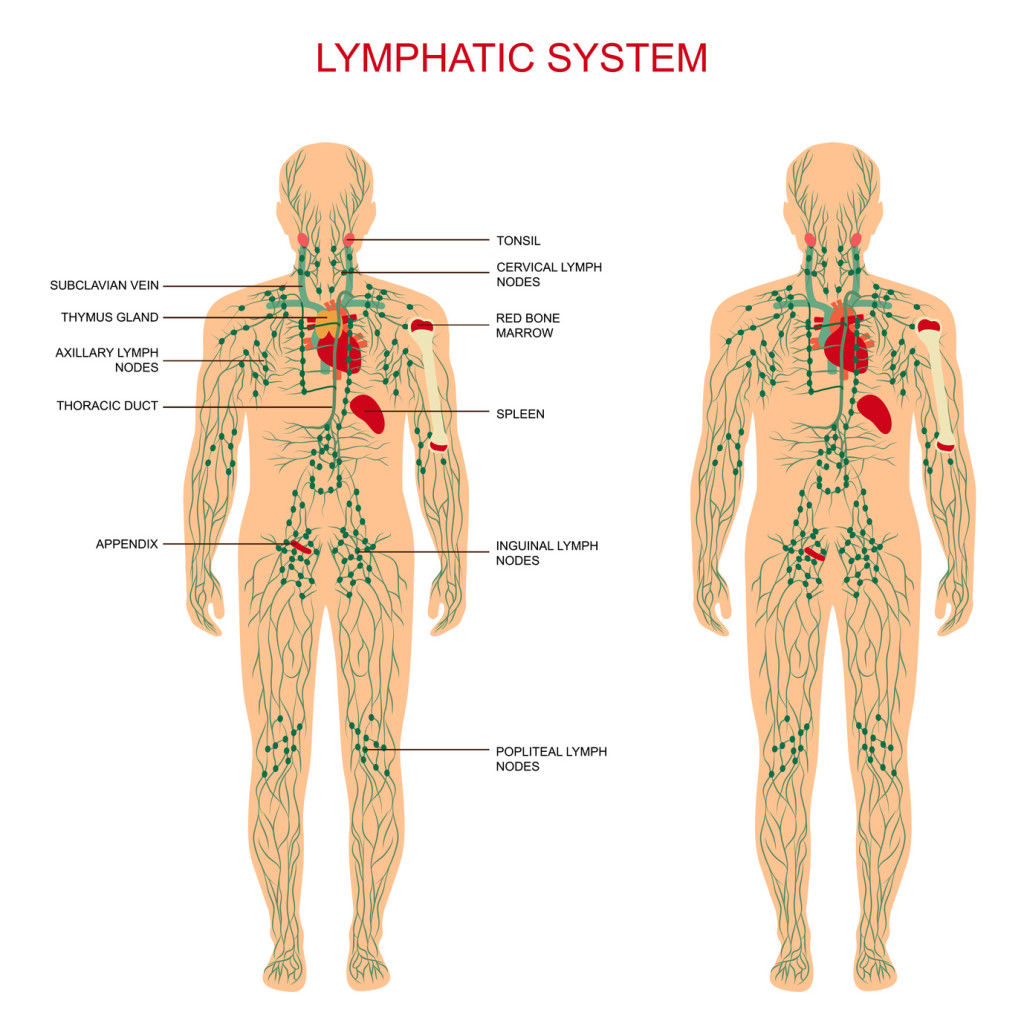
Components
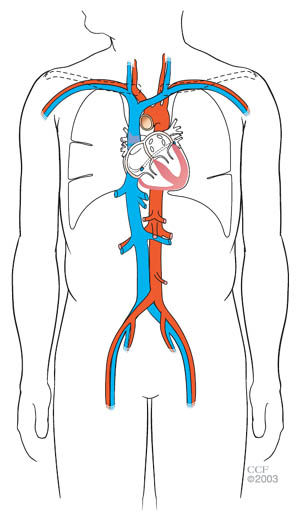
- Cardiovascular system: Heart and blood vessels
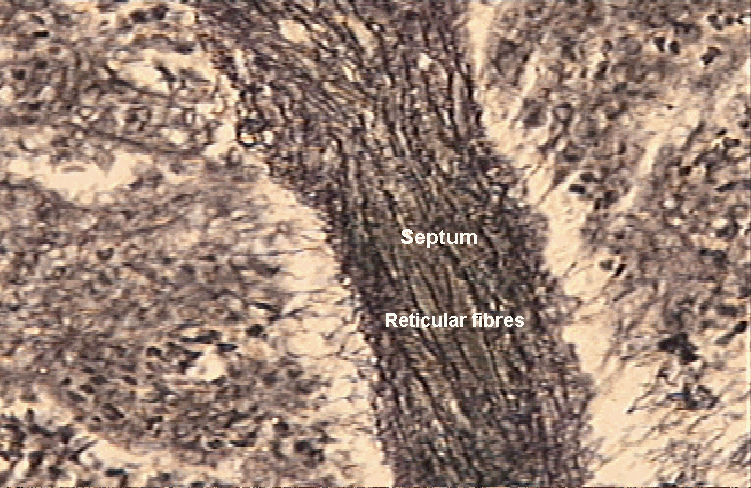
- Mononuclear phagocyte system: Network of reticular fibres and phagocytes
- Lymphatic System
- Cardiovascular system: Heart and blood vessels
Third Line
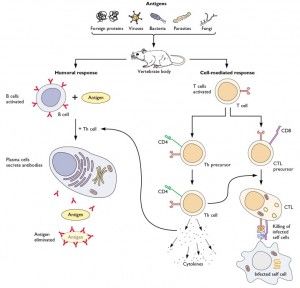
- Adaptive Immune response
- Adaptive Immune response
innate Immune response: Non specific, components preformed, magnitude of response same first and second encounters, no memory
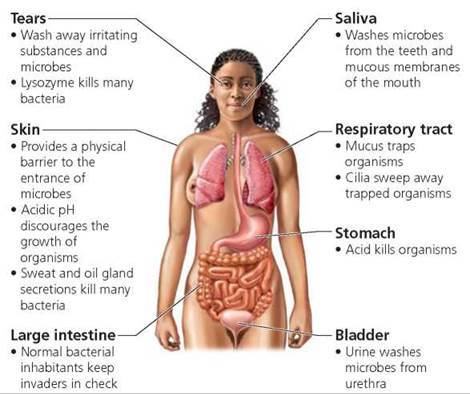
- First Line of Defence
- Second line defence
- Internal Physiological barriers
- Four Component: Fever, inflammation, Phagocytosis and antimicrobial proteins
- Internal Physiological barriers
- First Line of Defence