
Mapa mental
Evolution
Contenido del mapa
Evolution
Adaptation
- a process that helps an organism survive an reproduce in an environment
- structural
- physical traits that helps survival & reproductive sucess
- mimicry
- one species resemble another species
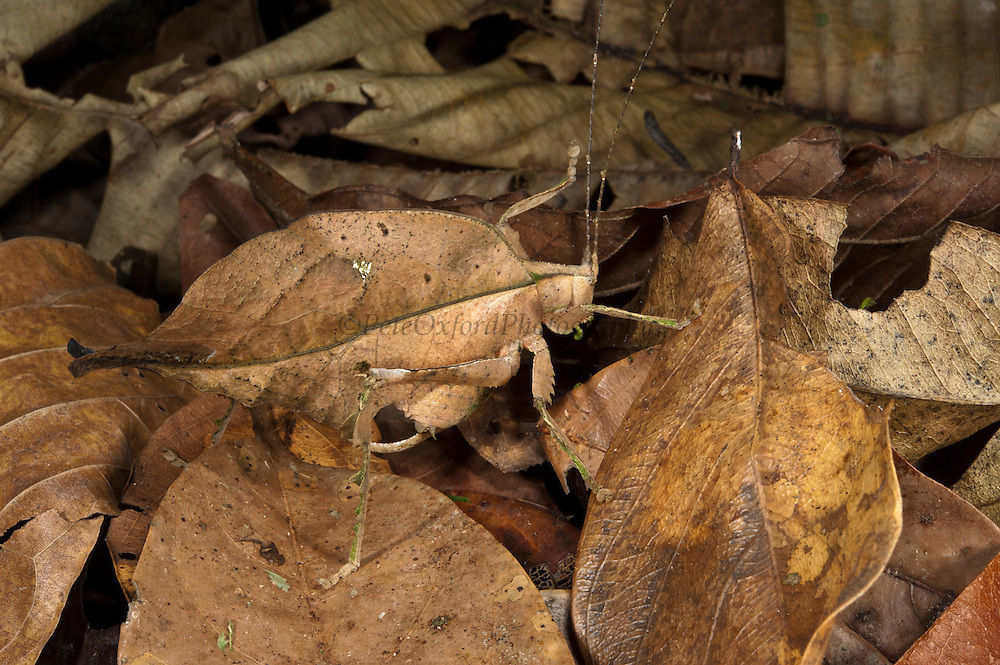
- katydid mimics a dead leaf to remain unseen
- behavioural
- actions/types of behavior that gives an organism the best chance to live
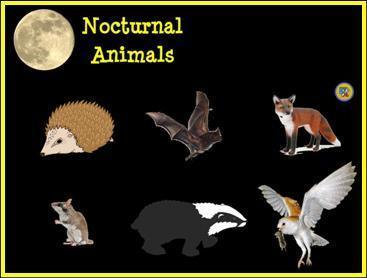
- nocturnal animals are awake at night, conserve energy & avoid overheating during day
- physiological
- the systematic response of an individual to specific external stimulus in order to maintain homeostasis
- metabolic adjustment with cell/tissues of an organism in response to an environmental stimulus
- improved ability of an organism to cope with its changing environment
- tanning of skin is a response to sunlight, skin releases melanin which absorbs UV rays therefore protecting skin
- development
- through mutations in DNA that are passed on & accumulate over generation
- mutations are changes in DNA, can be harmful or provide organism genetic advantage
- through mutations in DNA that are passed on & accumulate over generation
uses variation causes by meiosis & sexual reproduction
looks as how species change because of the environment
Natural Selection
- Antibiotic Resistant Bacteria
- bacteria produce fast, allowing large genetic variation in population
- antibiotic introduced to bacteria's environment, bacteria has resistance to it & survive while bacteria without resistance die
- surviving bacteria, multiply, produce offspring that have same resistance to antibiotic
- variation
- member a of population have slight differences among them & much of variation is heritable
- some beetles are green and some are brown
- selective pressure
- population tend to create more progeny than can survive
- not all survive due to competition for food, nesting sites, mates etc.
- green beetles tend to get eaten by birds and survive to reproduce less often than brown beetles
- population tend to create more progeny than can survive
- survival of the fittest
- better adapted individuals survive & reproduce
- the surviving brown beetles have brown baby beetles because this trait has genetic bases
- gradual change
- over course of many generations, the more advantageous traits become common in the population
- brown coloration allows beetles to have more offspring, so becomes more common in population
- if process continues, eventually all individuals in population will be brown
- Peppered Moth (Biston Betularia)
- occur in 2 forms (morphs)
- grew with dark splotches (mottles)
- completely dark (melanic)
- dark moths rare in early 1800
- white moths very abundant
- dark moths in industrial regions because tree trunks darkened by soots
- dark moths camouflaged by dark background;white moths were not
- birds more likely to prey on white moth
- 1895: 98% of moths dark
- birds more likely to prey on white moth
- dark moths camouflaged by dark background;white moths were not
- occur in 2 forms (morphs)
- Darwin's finches
- finch=small bird;13 species
- finches on Galapagos descendants of finches from South America
- finches morphologically similar but vary in beak size and shape
- beak size influence feeding efficiency
- large beaked finches break larger seeds easily
- small beaked more efficient with smaller foods
- Antibiotic Resistant Bacteria
Mechanisms
- genetic drift
- change in gene pool of small population due to chance
- bottleneck effect
- reduction of alleles
- result from disaster that drastically reduces population size
- earthquakes, volcanic eruption, hunting, asteroid hitting earth,
- founder effect
- resulting from colonization of new location by small number of individuals
- results in random change of gene pool
- colonization of Galapagos Islands by birds from mainland South America (first Darwin's Finches)
- gene flow
- gain/loss of alleles from population by movement of individuals/gametes
- results from immigration/emmigration
- increase variation within population by introducing new alleles that produced by mutation in another population
- Praire dog colonies only allow new members to join group once a year, bringing new genetic information
- mutation
- change in organism's DNA that makes a new allele
- inheritable mutations can be neutral, harmful or beneficial
- beneficial: mutation becomes frequent within gene pool
- lethal mutation: die because of natural selection (only if it prevents reproduction; then no die)
- I950. warfarin used to control rat population. Few rats had mutations that made them resistant
- 1960: many warfarin resistant rats
- organisms become adapted due to toxic in body to be able to break down
- 1960: many warfarin resistant rats
- non-random mating
- selection of mates other than by chance
- inbreeding
- mating between close relatives
- results in loss of genetic variation amongst population
- assortive mating
- individuals mate with those that have similar phenotype
- tall people mate with tall people
- individuals mate with those that have similar phenotype
- sexual selection
- occurs when males compete for right to reproduce
- females choose to mate with males that have particular phenotype
- occurs when males compete for right to reproduce
- natural selection
- individuals with favourable traits, more likely to leave more offspring better suited for environment
- stabilizing selection
- directional selection
- diversifying selection
- genetic drift
Evidence
- fossil record
- shows preserved remains/traces of organisms/its activity
- amber
- fossilized sap of trees holds well-preserved insects
- fossilized shell of trilobite, Modocia typical, dominant life-form in early years
- biographical distribution
- compares past &present geographical distribution of species
- closely related species found in same region
- compares past &present geographical distribution of species
- comparative anatomy
- study of similarities and differences in anatomy of organisms
- homologous structure
- body parts have similar structure, different function
- analogous structure
- body parts have similar functions, different anatomy
- vestigal structures
- have no current function
- embryology
- pre-birth staged of organism's development
- DNA
- similar in DNA indicates common ancestor
- amino acid comparison
- percent of amino acid that are identical to amino acid in Human hemoglobin, polypeptide
- example
- artifical selection
- rapid, heritable changes have been produced in domestic animals & plants by selectively breeding organisms with desired features
- industrial mechanisms
- evolution of black coloration among peppered moths in response to darkening of their environment by industrial pollutants
- artifical selection
- fossil record
Speciation
- formation of new species due to evolution
- new species come from existing one
- modes
- new species created when 2 populations are reproductively isolated
- Sympatric speciation
- when population slit into separate gene pools & continue to share similar geographic location
- new species originate within same geographic are of parent species
- two frogs in same area (one is diploid; other is tetraploid)
- mutation
- Allopatric speciation
- induces when ancestral population is separated by geographical barrier
- genetic drift
- Ecological niche
- ecological role &physical distribution of species in its environment
- Adaptive radiation
- diversification of common ancestral species into a variety of differently adapted species
- reproductive barriers
- any mechanism that impedes two species from producing fertile/ viable hybrid offspring
- Pre-zygotic
- occurs before formation of zygote takes place
- most cases mating doesn't occur
- temporal isolation (sympatric)
- breeding occurs at different times for different species
- habitat isolation (allopatric)
- species breed if different habitats
- behavioural isolation (both)
- little or no sexual attraction between species
- mechanical isolation
- structural differences prevent gamete exchange
- gametic isolation
- gametes die before uniting with gametes of other species
- Post-zygotic
- when fertilization occurs successfully between closely related species,
- some incompatibility results in zygotic mortality
- hybrid inviability
- unlikely to live long
- hybrid sterility
- infertile (cannot produce gamete)
- hybrid breakdown
- hybrids of crossed species are viable &fertile BUT it two hybrids mate, offspring is sterile/weak
- when fertilization occurs successfully between closely related species,
- Pathways of evolution
- divergent
- evolution in which 2 or more species evolve different traits resulting in diversifying selection/ genetic drift
- evidence: homologous feature
- convergent
- evolution in which unrelated species become very similar in phenotype if they live in similar area
- evidence: analogous features
- coevolution
- evolutionary change in which one species evolves in response to evolution of another
- evidence: predator-prey; parasite &host
- divergent
- formation of new species due to evolution
changes in gene population from 1 generation to another
Pace of Evolution
- gradualistt model (Neo-Darwinian)
- evolution occurs slowly, at a steady pace where changes overtime accumulate in population
- punctured equilibriam
- evolution occurs quickly in rapid bursts
- gradualistt model (Neo-Darwinian)
Microevolution
- change in population's gene pool over succession on generations
- evolutionary changes in species over relatively brief periods of geological time
Macroevolution
- origin of taxonomic groups higher than species level
symbiosis
- one's harmed
- predator/prey
- pollutant/flower
Phylogenetics
- history of how organisms evolvesd
- trees
- diagrams that show evolutionary relationships between species
- taxa joined together in tree are implies to have descended from common ancestor
- diagrams that show evolutionary relationships between species
By: Raman Chung
Imágenes y archivos del mapa

Información
- Descripción
- Grade 11 Biology Mapa Mental sobre Evolution, creado por Ramandeep Chung - Sandalwood Heights SS (2442) el 08/04/2018.
- Visitas
- 0
- Valoración