
Mapa mental
Microbiology
Contenido del mapa
Microbiology
BACTERIA
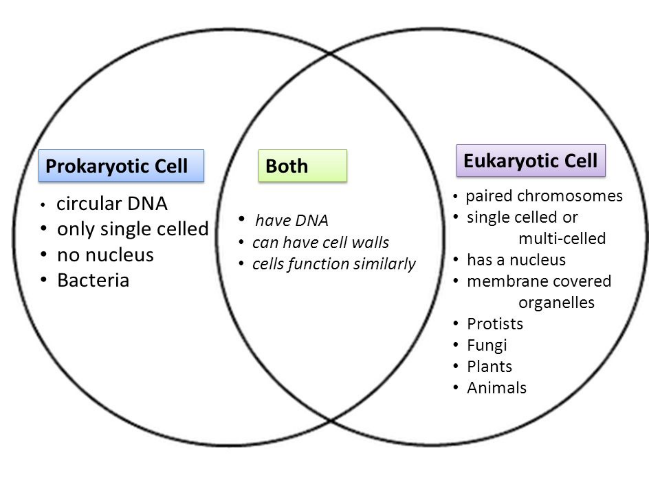
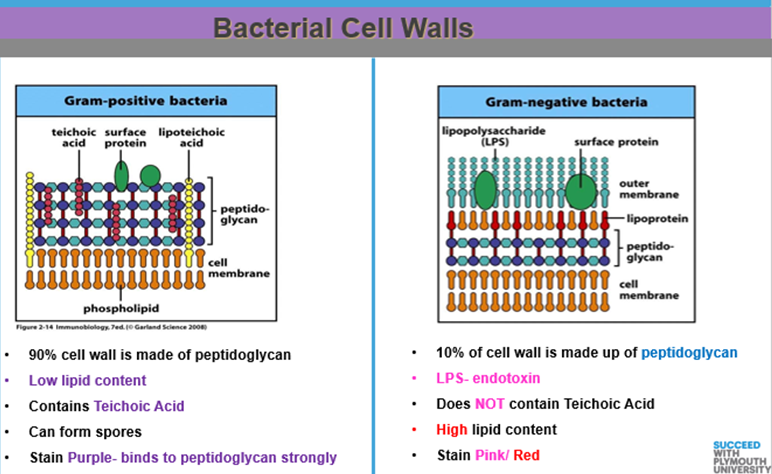
- Prokaryotes with peptidoglycan which composes Gram-positive cell walls
- Anaerobic or aerobic
- 1 to 10um
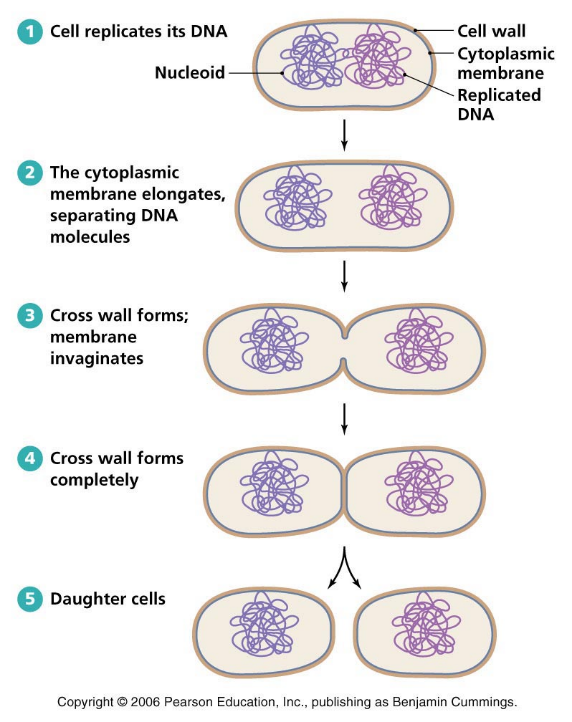
- Chromosomes pulled apart by attachments to inner membrane
- External cell wall
- RNA and protein synthesized in the single compartment
- No organelles
- No endo or exo cytosis
- Rods or cocci
- BACTERIAL SPORE FORMATION
- Gram-positive bateria in rod shape can produce spores
- Spores are highly resistant to chemicals, desiccation and nutrient depletion
- Heat resistant so can survive pasteurisation/cooking
- Dormant but germinate when the environment is optimal
- BACTERIA ASSOCIATED WITH FOOD
- Pathogenic bacteria: food poisoning
- Gram negative rods (Enterobacteriaceae non-spore forming rods) E.G. E coli.
- Gram negative rods (Pseudomonads)
- Gram positive rods (Clostridia)
- Cultured bacteria
- Gram positive rods (Lactobactilli - found in yoghurt)
- Pathogenic bacteria: food poisoning
- BACTERIAL STRUCTURE AND THE GRAM STAIN
- Three types of cell wall layers; Gram positive, Gram negative and Acid fast
- GRAM STAIN
- 1. Add bacteria to microscope slide
- 2. Set and stain with Crystal Violet (only retained in Gram positive cell walls
- 3. Wash and stain Iodine
- 4. Wash and destain with Ethanol
- 5. Counterstain with Safranin
- BINARY FISSION
- Asexual
- Genomic DNA replicates
- Cell doubles its mass
- In ideal growth conditions E. coli is capable of undergoing one cell cycle every 20 minutes
- CONTROLLING PATHOGENIC BACTERIA
- Sterilisation
- Complete destruction/elimination of all viable organisms
- E.G. spores, sterile objects, heat, radiation, chemicals and physical removal of cells
- Disinfection
- Kills, inhibits or removes organisms that may cause disease
- Vegetative microorganisms but not spores
- Inanimate objects (not safe for living tissues)
- Decontamination with biocides
- Kills, inhibits or removes organisms that may cause disease
- Vegetative microorganisms and potentially spores
- Very strong
- Used for inanimate objects, healthcare
- Sterilisation
EUKARYA
- 10 to 100um
- Anaerobic or aerobic
- Internal cytoskeleton
- Long linear DNA
- RNA synthesized and processed in nucleus; proteins synthesized in cytoplasm
- Endo and exo cytosis
- Chromosomes pulled apart by attachments to cytoskeletal components
- FUNGI
- Three groups: Moulds, Yeasts and Mushrooms
- Cell walls made of chitin
- Fungal cell walls made of hyphae
- Together these make a mycelium
- Form branches
- Can reproduce sexually or asexually- fungal spores
- Yeast 'bud'
ARCHAEA
- Prokaryotes without peptidoglycan
VIRUSES
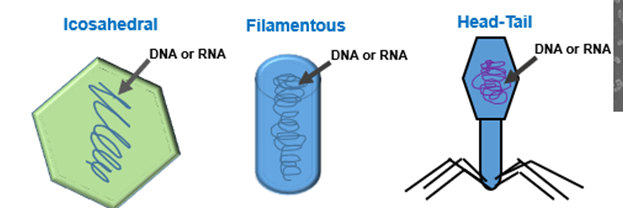
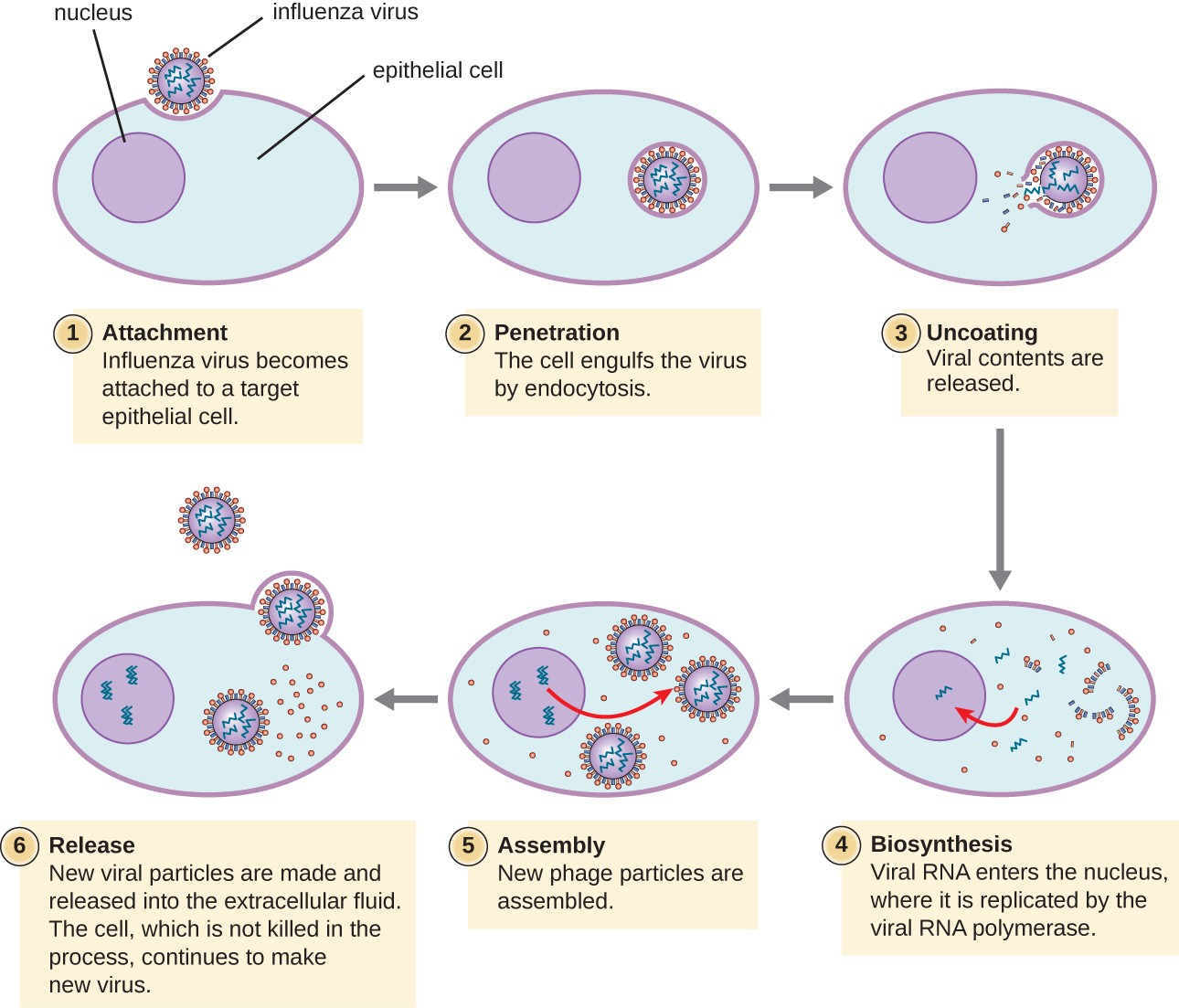
- Contains either RNA or DNA and replicates in cells
- Has an extracellular state
PRIONS
- Entirely protein
- No nucleic acids
- Infectious
- Causes disease in animals
- Currently not found in plants
MICROBIAL NUTRITION
- AUTOTROPHS
- Capable of synthesising complex organic molecules from a simple non-organic molecules
- HETEROTROPHS
- Use organic molecules such as carbon
- AUTOTROPHS
GROWING MICROBES IN THE LAB
- OPTIMAL CONDITIONS
- Nutrient source
- Optimal temperature
- Water availability
- pH
- Gaseous atmosphere
- No antimicrobials (agent that kills microorganisms or stops their growth)
- CULTURE
- 1. Nutrient source
- Carbohydrate - sugars
- Proteins/amino acids - meat/yeast extracts
- Minerals/Vitamins
- 2. Broth culture
- Test tubes/bottles
- 3. Solid media
- Test tubes/bottles
- Culture media can be formulated to:
- Meet nutritional requirements of certain bacteria
- Selectively grow bacteria, inhibit others
- Be diagnostic
- 1. Nutrient source
- OPTIMAL CONDITIONS
MICROBES
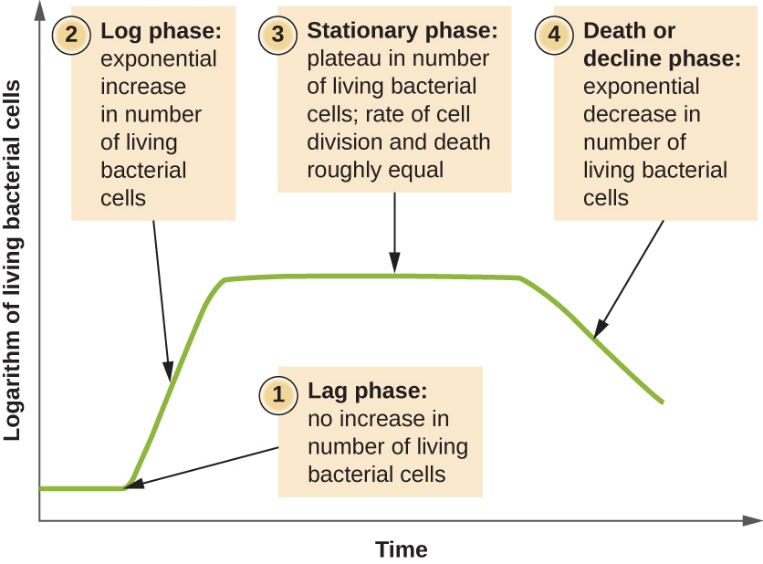
- MICROBIAL GROWTH IN LIQUID (broth)
- When bacteria grow in a liquid broth the normally follow a standard pattern of growth
- MICROBES AND TEMPERATURE
- High temperatures cause:
- Membrane disruption
- Protein denaturation
- For every 10C increase in temperature the metabolic rate and growth rates approximately double
- Low temperatures cause:
- Adaptations to maintain membrane fluidity
- Slow metabolic processes
- Slow growth rates
- High temperatures cause:
- MICROBIAL GROWTH IN LIQUID (broth)
Imágenes y archivos del mapa
Información
- Descripción
- Introduction to Microbiology
- Creado por
- Eleana Landregan
- Visitas
- 112
- Etiquetas
- Valoración