
Mapa mental
Ch. 2 Making finance -Social Science
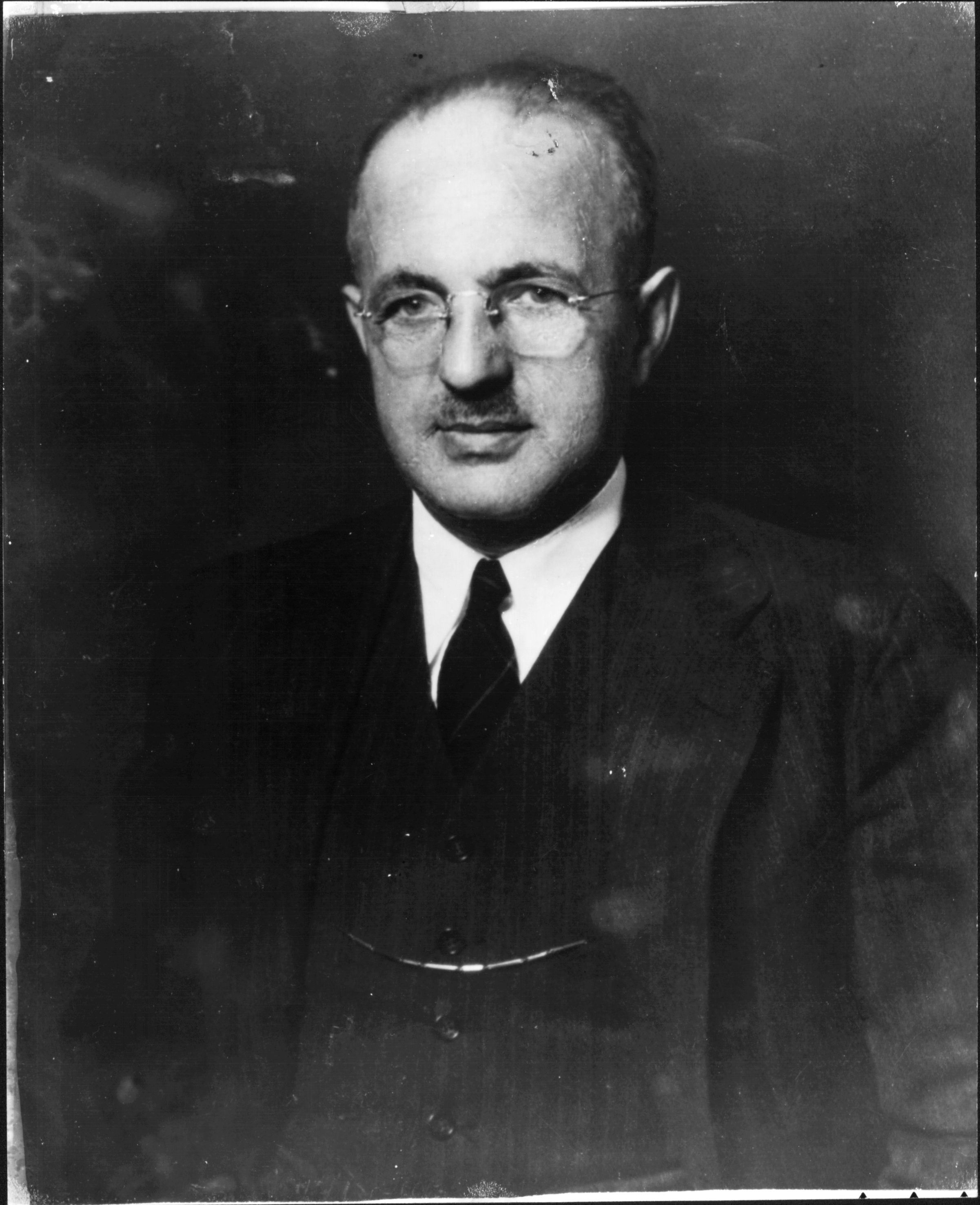
Contenido del mapa
Ch. 2 Making finance -Social Science
Human-produced flows
- movements of commodities, goods, people, ideas
Bretton Wood conference: 1944 establish gobal architecture for financial systems
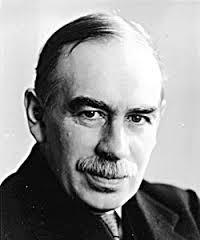
- Keynes and White drew the Bretton Woods Agreement
- Blueprint for post war financial systems
- fixed but adjustable exchange rates
- Allowed for states to control stable passage of financial flows
- Financial architecture was a dream or concept of how flows could move between territories with a min. risk
- TERRITORIALLY BASED
- Blueprint for post war financial systems
- Governments agreed to establish rules and give stability to international financial systems
- System collapsed in early 1970s
- Shift of power from state to financial markets: flexible exchange rates
- NEO-LIBERALISM
- a belief in free market, corporate power and free regulation
- Financial globalisation
- Unregulated capitalism
- Financial globalisation
- Last 30 years
- Thatcher, Reagan champions of neolib.
- Pro liberalisation: relationship bw. territories and private flow is very clear
- If country play by the rules , financial flows will get in, economic long term grow and living standards for poorer countires
- Ending geography barriers
- Anti liberalisation: Patnaik: developing countries don't benefit in the long term. They have to offer tax benefits for private investors
- Interdependency between nation states
- Martin 1994: power is with private sector org. investment banks, IMF, pernsion funds, capitalist countries (G7, G8 or G10).
- This is not ending geography, it is reconfiguring geographies of money, power and dependency (Martin 94 p, 66)
- a belief in free market, corporate power and free regulation
- FINANCIAL FLOWS
- Financial flows create a set if interdependencies btw. territories (p. 92)
- Financial power can reshape territories, like poorer countries. financial resources can or cannot be made available from the global financial markets ( 92)
- Financial flows create a set if interdependencies btw. territories (p. 92)
- Financial markets are sophisticated combination of technology and human resouces located in specific territories (p72)
- London, New York , Tokyo have 68% of world capitalisation of stock, 60% of key global financial markets - Concentration of power rather than dispersal, p 75
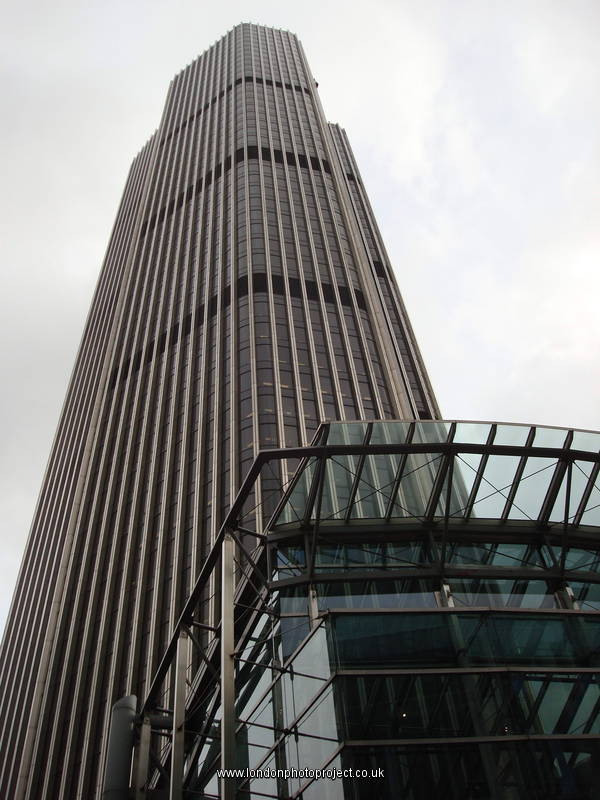
- Financial Centres are important for the global finance to happen, they are the territories, buildings, face to face contact etc. (p76)
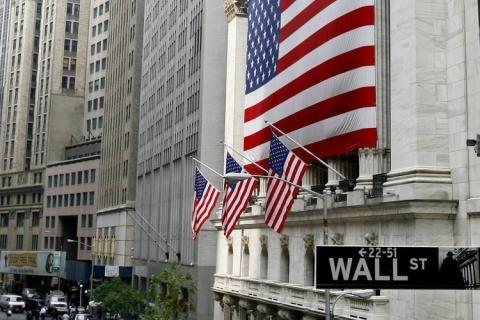
- London and NY symbolise financial power and strenght of private finance (p.76)
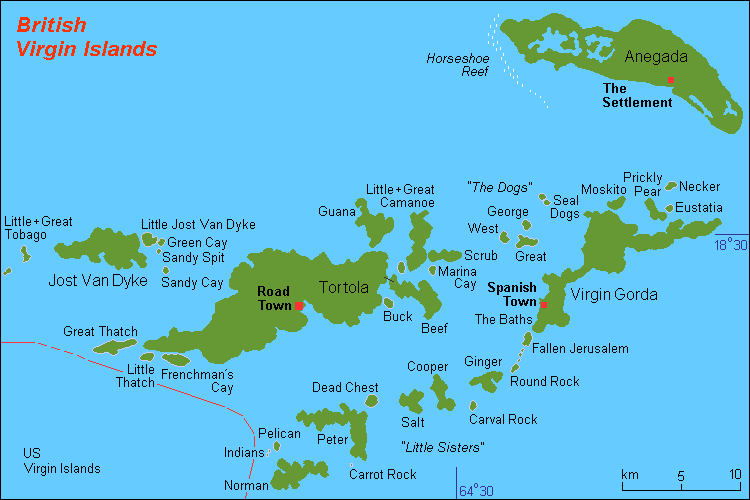
- OFC: Offshore Financial Centres show the complex interdependency bw. territory and financial flows shaping new territories (p. 83)
- OFC are considered a problem for tax evasion and responsibility (reading by Duncan Bell Guardian p. 101)
- Global responsibility linked to Young's concept of responsib. in a globalised world. (Barnett et al. 2008)
- OFC are considered a problem for tax evasion and responsibility (reading by Duncan Bell Guardian p. 101)
- Financial Centres are important for the global finance to happen, they are the territories, buildings, face to face contact etc. (p76)
- Global finc. markets and flows create a potential for controlling and having economic power over territories of states around the world (p. 72)
- Digital technology allows territory and flows to interconnect and be interdependent (p.74)
- London, New York , Tokyo have 68% of world capitalisation of stock, 60% of key global financial markets - Concentration of power rather than dispersal, p 75
- NEO-LIBERALISM
- Shift of power from state to financial markets: flexible exchange rates
- Keynes and White drew the Bretton Woods Agreement
World Bank: shapes economic policy at global level
IMF: central coordinator of international monetary system
Imágenes y archivos del mapa

Información
- Descripción
- Chapter 2 Making finance making worlds
- Creado por
- Daniela Pirisi · feb 2015
- Actualizado
- 17 ene 2017
- Visitas
- 110
- Etiquetas
- Valoración