
Mapa mental
Bonding
Contenido del mapa
Bonding
Ionic
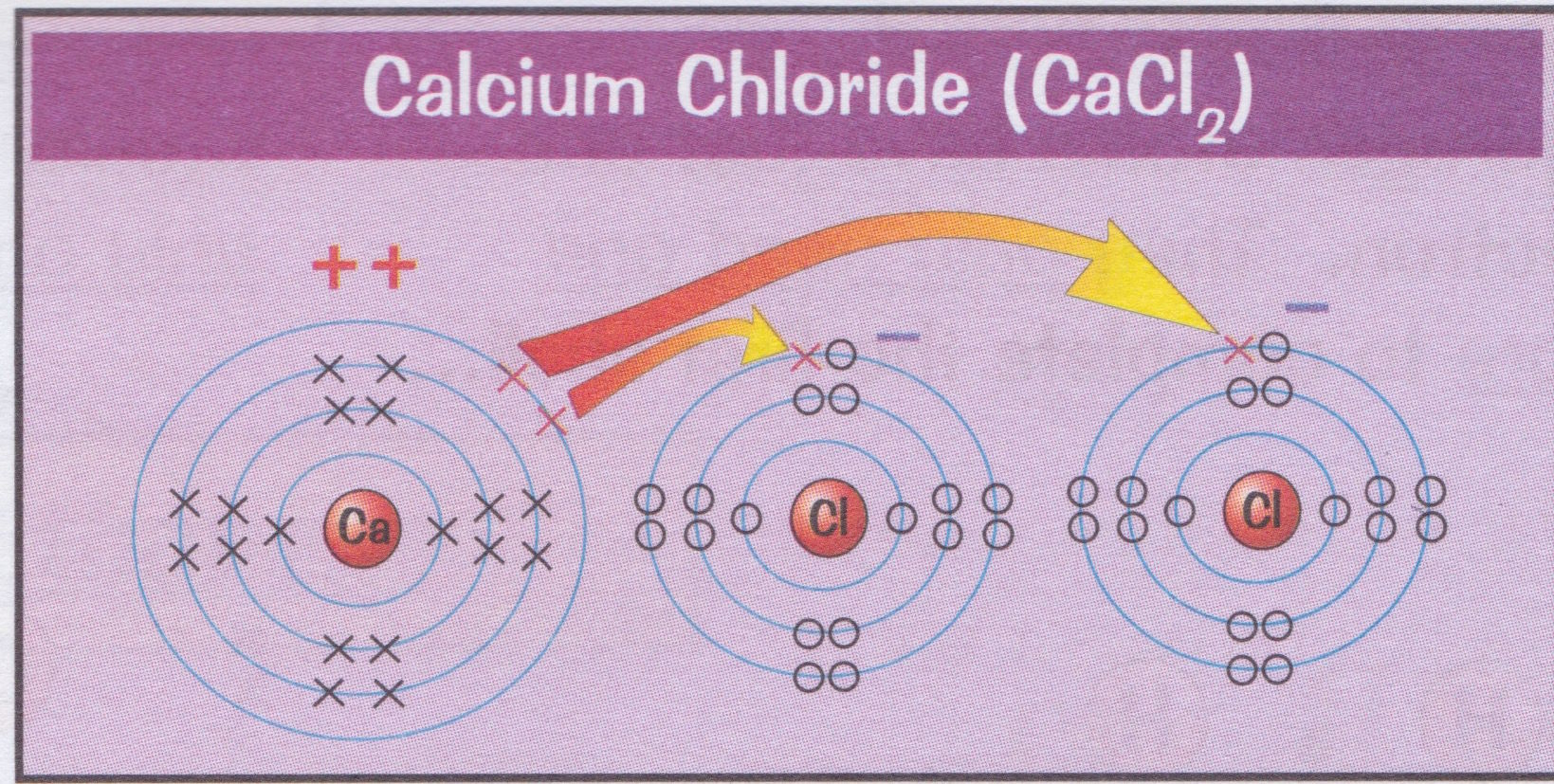
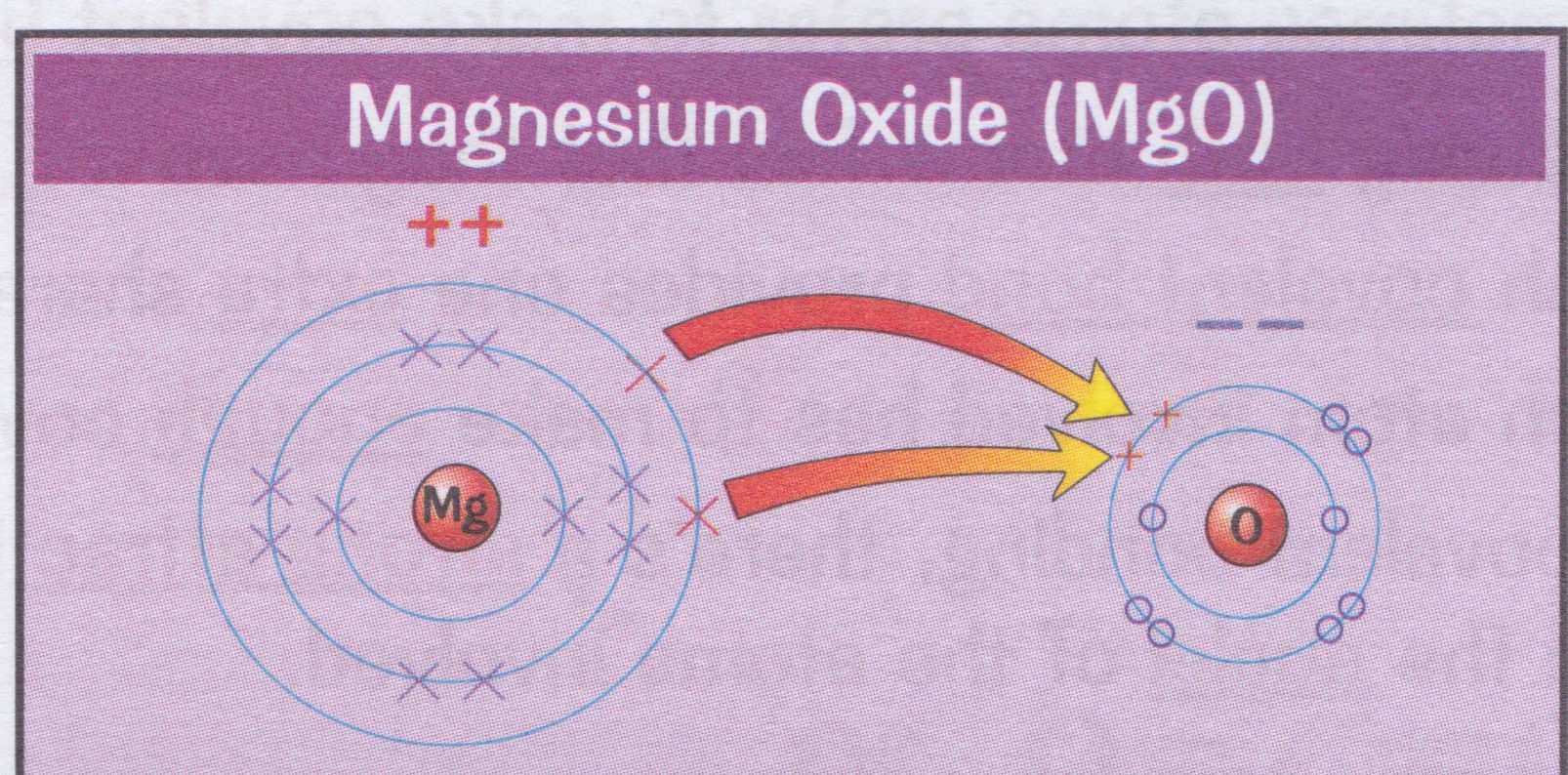
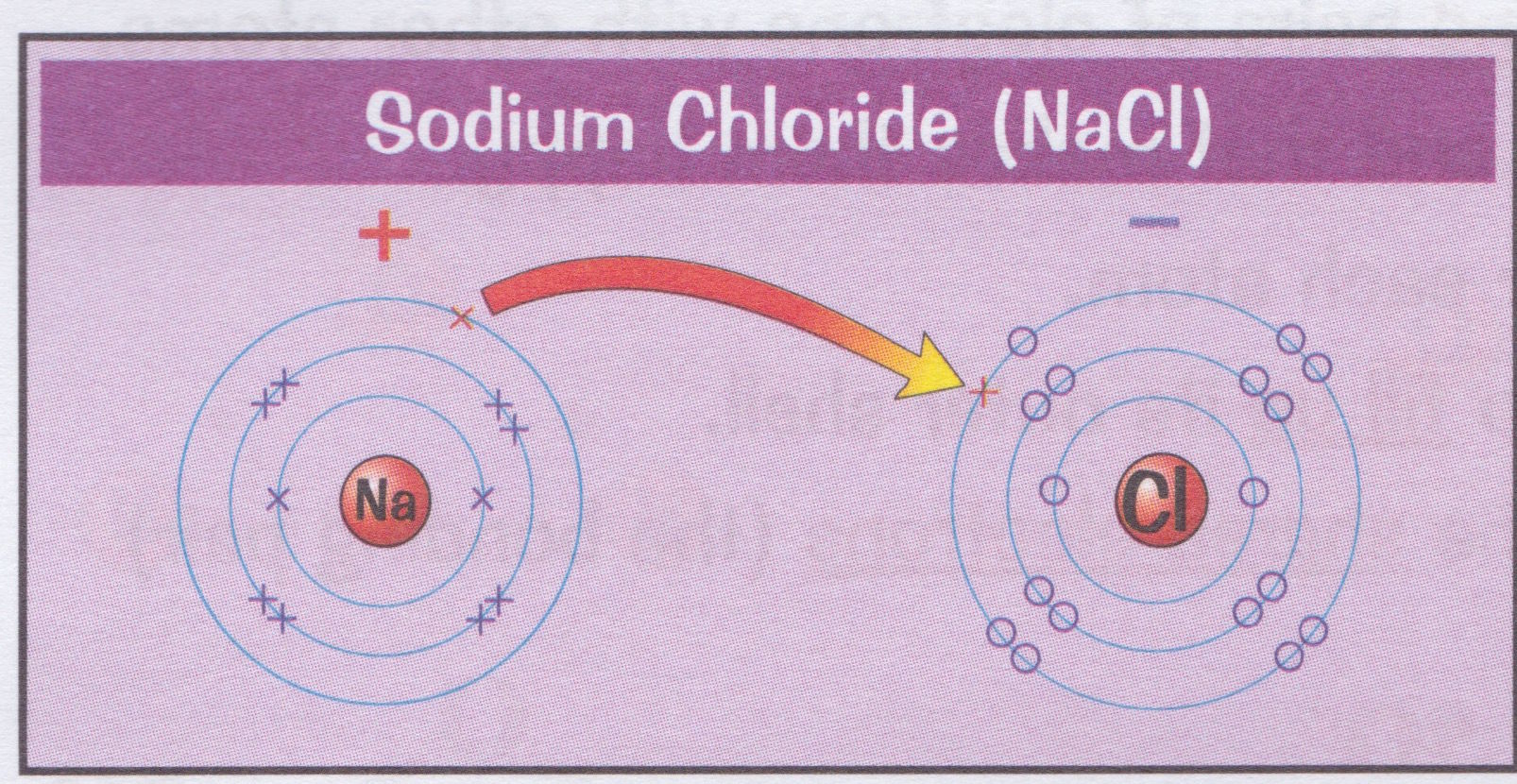
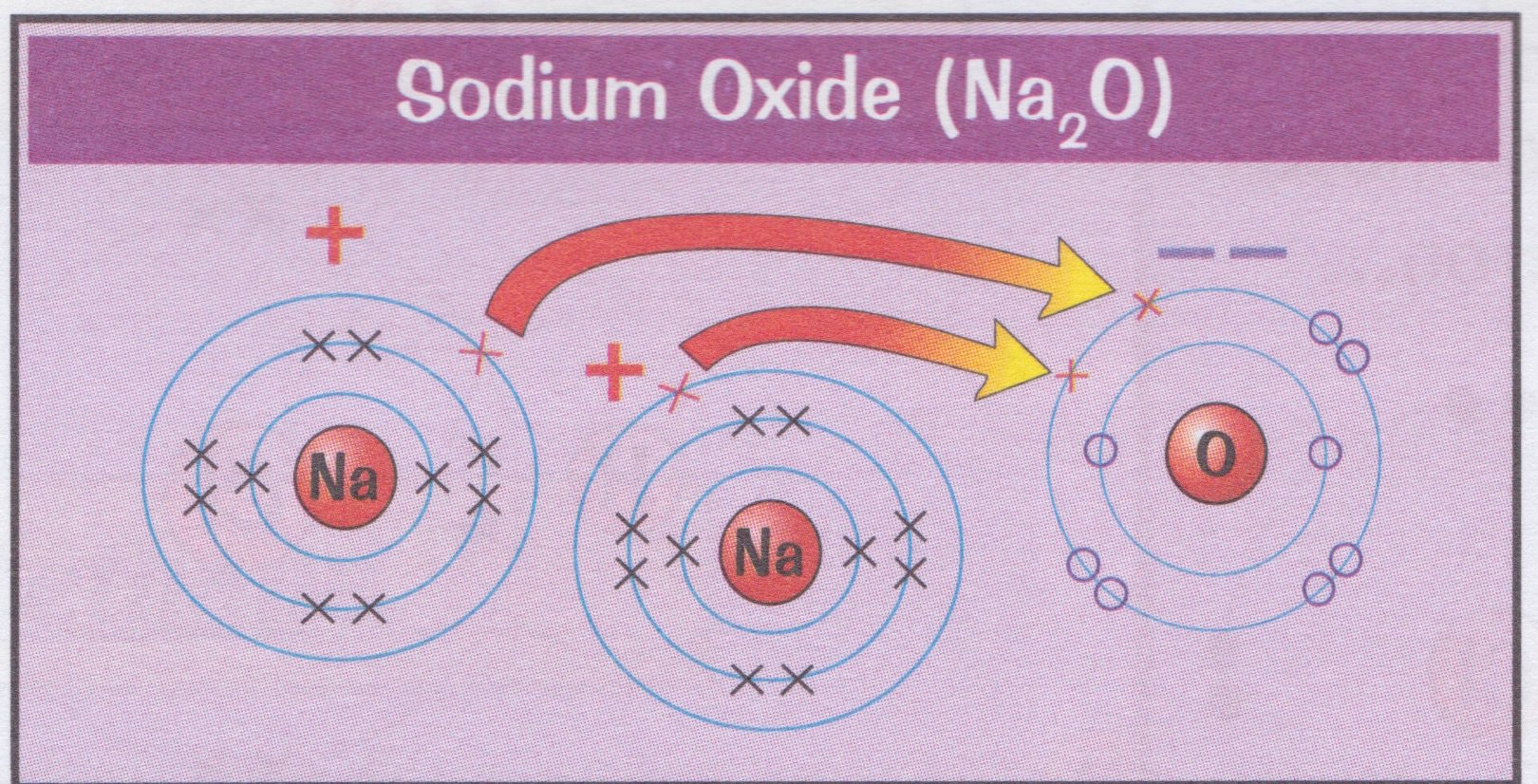
- Involves the loss or gain of electrons
- REDOX ( Reduction Oxidation )
- OILRIG Oxidation Is Loss of electrons Reduction Is Gain of electrons
- Between Non-Metals and metals
- Non-Metals Commonly Groups 1+2
- Metals Commonly Groups 6+7
- Charged particles form (ions) because no. of protons and electrons are no longer equal
- Therefore the + & - particles are strongly attracted - Electrostatic forces of attraction
- Which gives ionic compound their high melting & boiling points
- Therefore the + & - particles are strongly attracted - Electrostatic forces of attraction
- Common Examples:
- Involves the loss or gain of electrons
Covalent
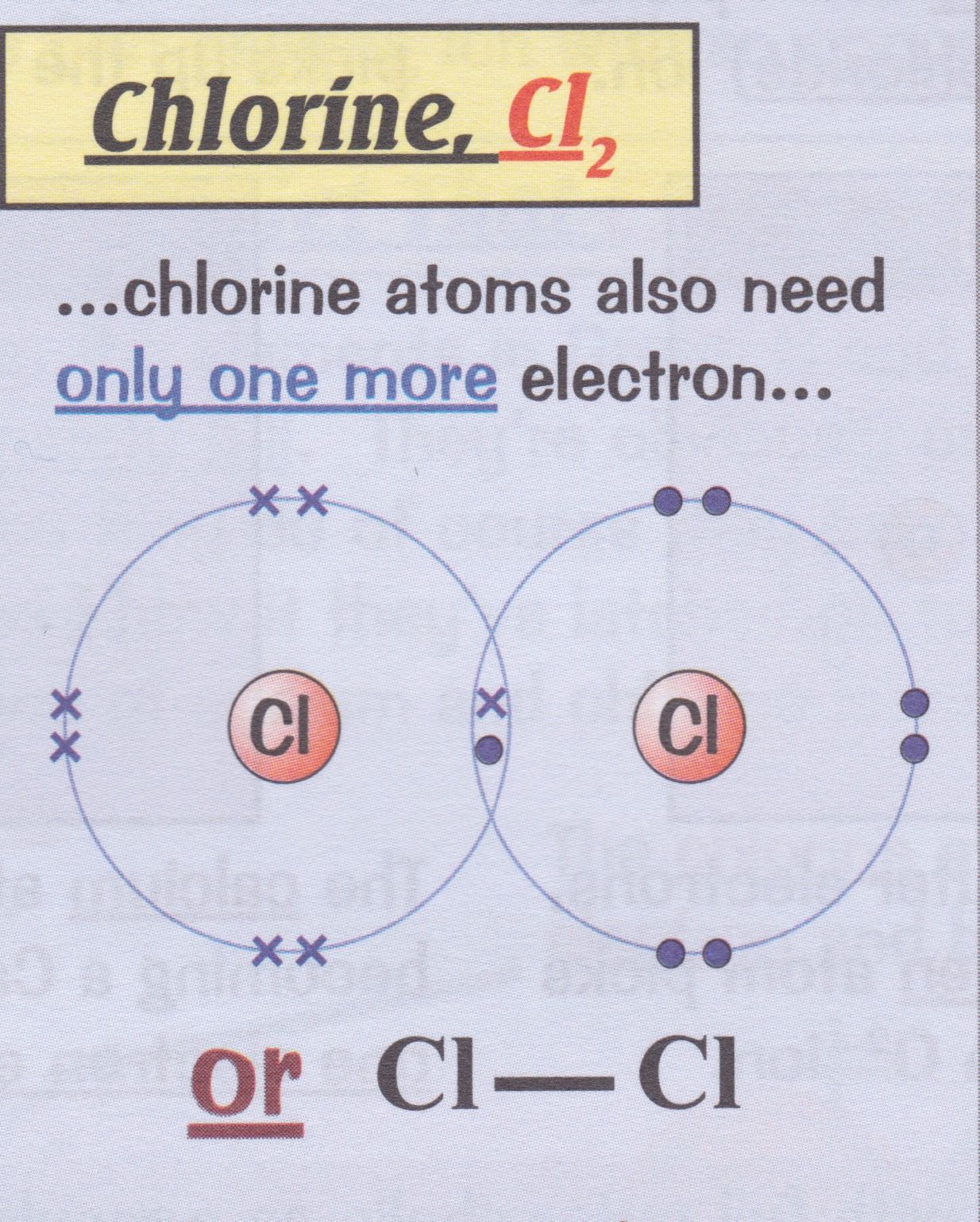
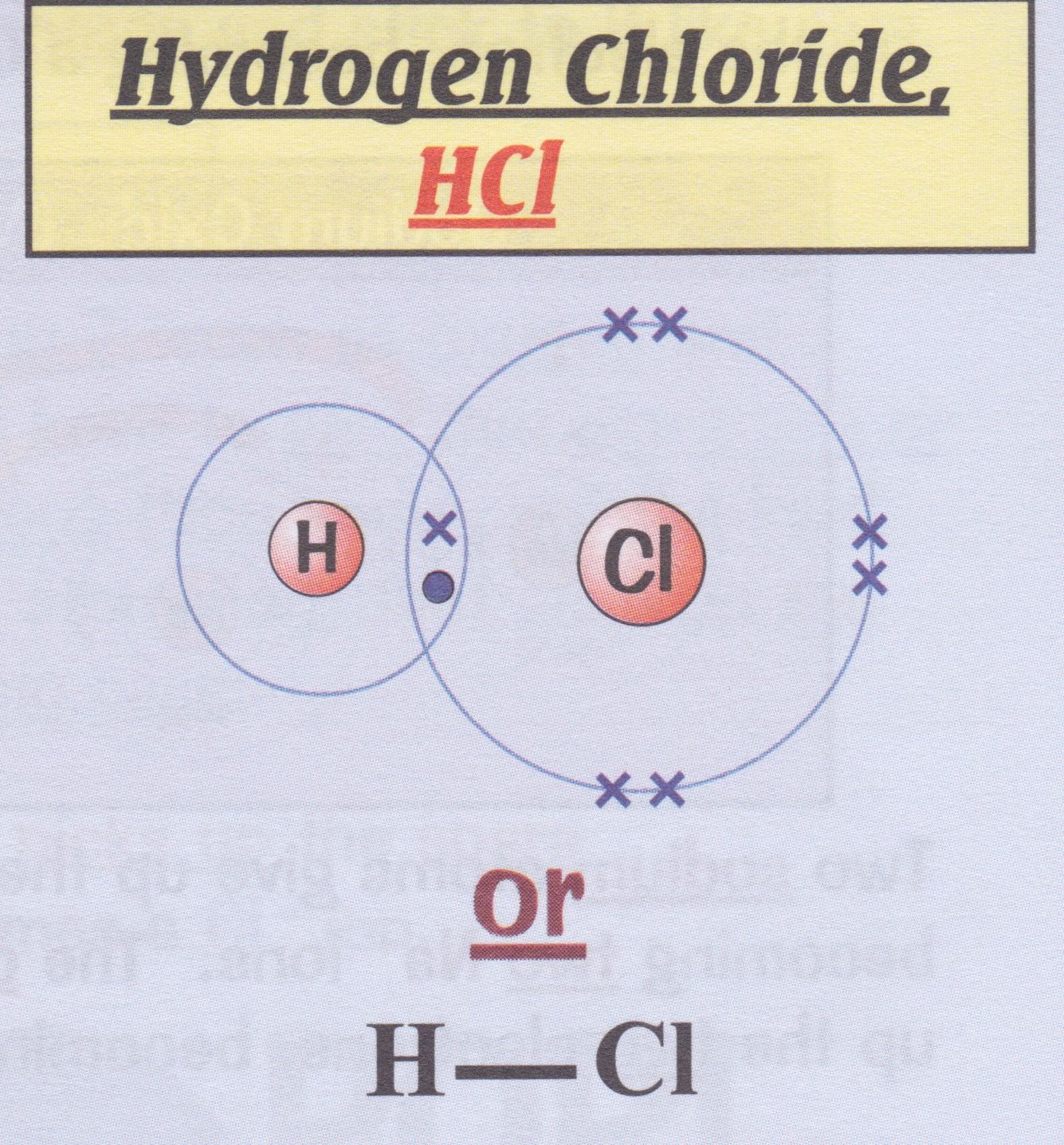
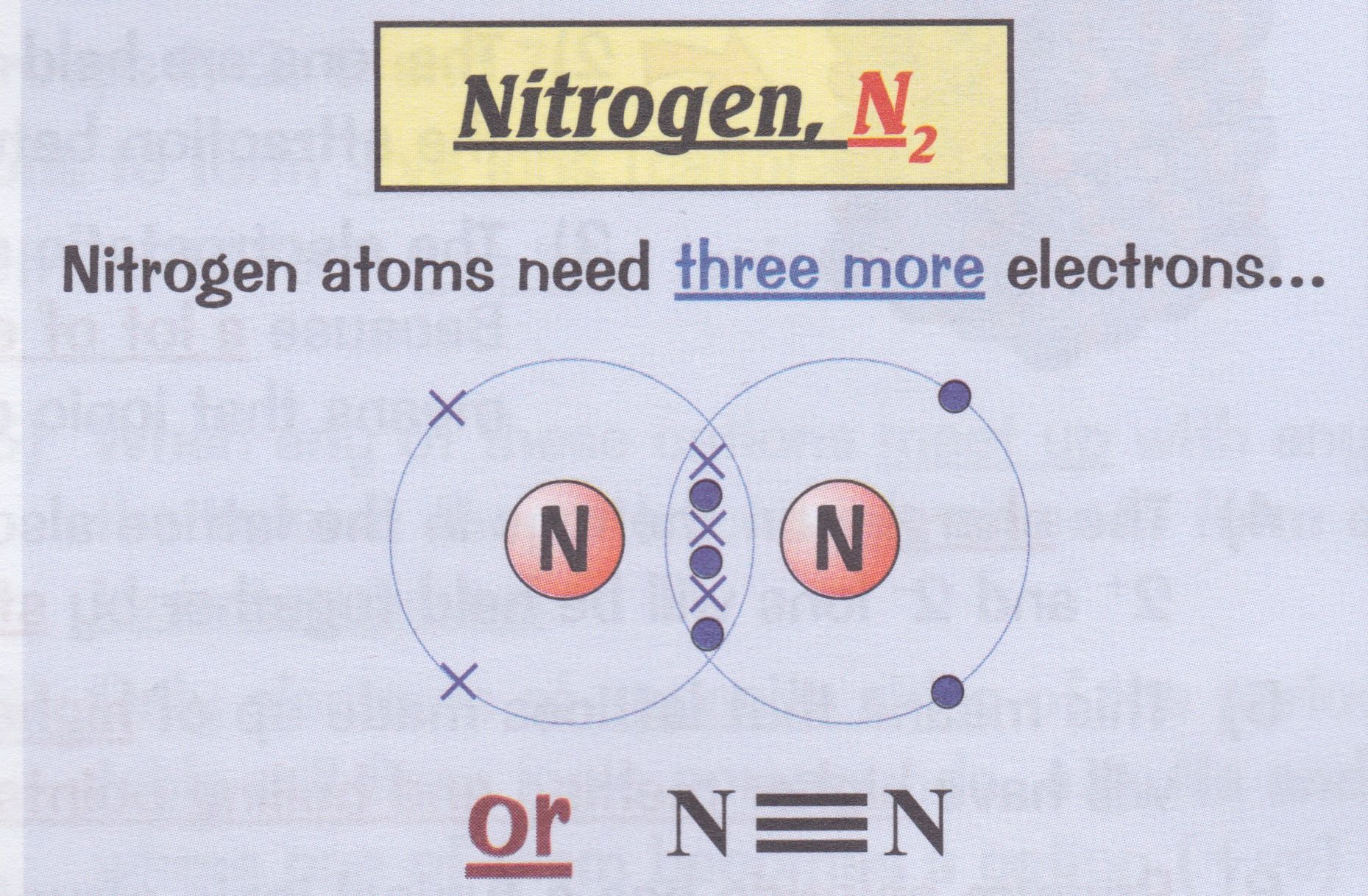
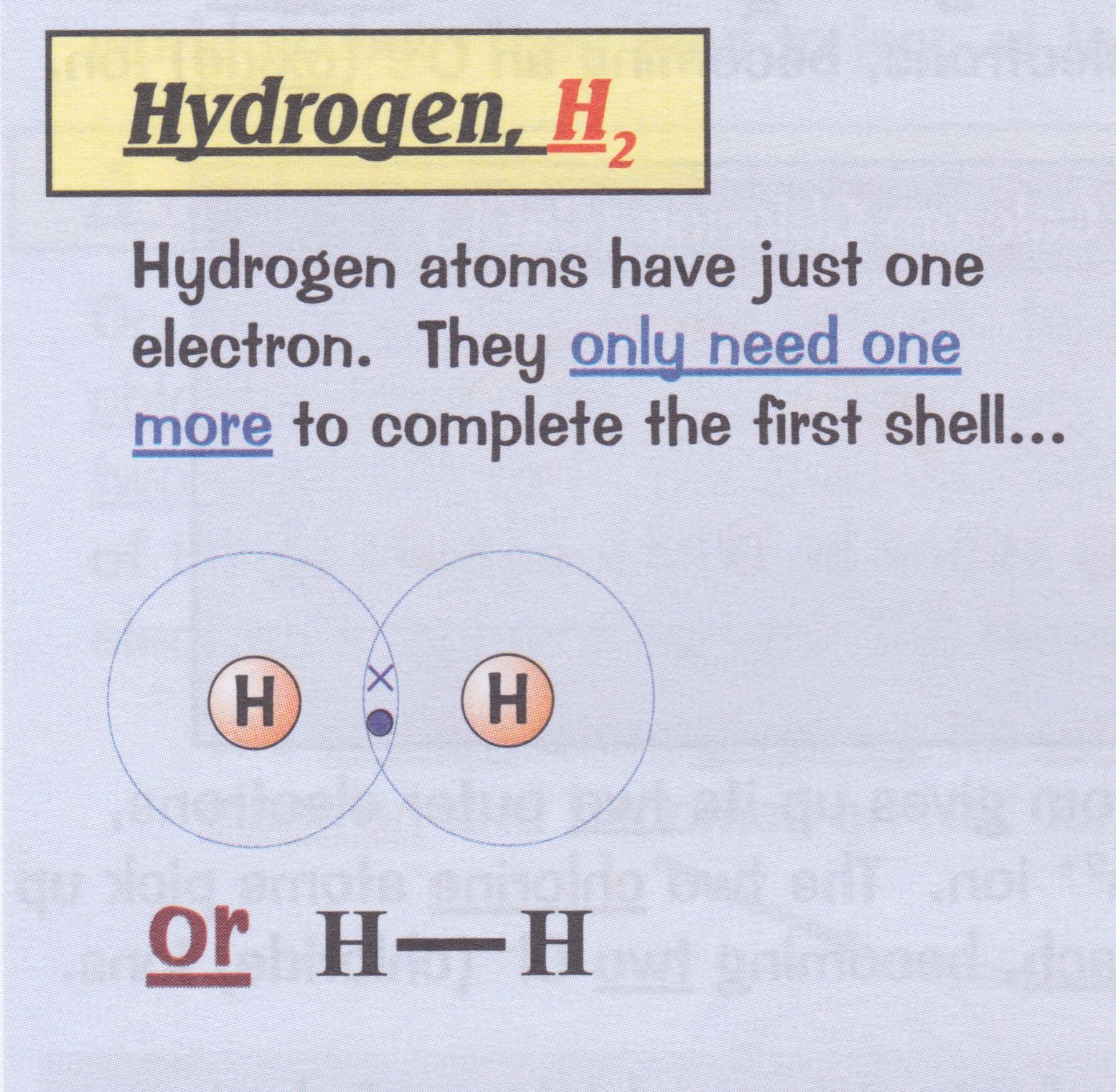
- Involves the sharing of a pair of electrons
- So atoms feel like they have a full shell
- Between Non-Metals only
- An example is di-atomic molocules
- H2 - N2 - 02 - Cl2
- An example is di-atomic molocules
- There are strong bonds between the shared e- and the nuclei of the atoms
- Some examples:
- The forces of attraction or intermolecular forces are very weak
- SO the melting and boiling points are very low as it takes little energy to break the intermolecular forces
- As A result most molecular substances are a liquid or gas at room temp
- SO the melting and boiling points are very low as it takes little energy to break the intermolecular forces
- Involves the sharing of a pair of electrons
Metallic
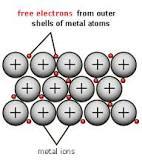
- Metallic Bonding:
- The substance is describes as having a sea of delocalised electrons
- When bonding occurs the outer electron(s) become free or delocalised.
- These electrons are not paired to any atom so can flow throughout the whole substance
- WHich is why metallic compounds conduct electricity
- These electrons are not paired to any atom so can flow throughout the whole substance
- Metallic Bonding:
Imágenes y archivos del mapa
Información
- Descripción
- An overview of bonding from the Edexcel IGCSE Chemistry Syllabus
- Creado por
- Noah Swanson
- Visitas
- 178
- Etiquetas
- Valoración