
Mapa mental
Ionic bonding
Contenido del mapa
Ionic bonding
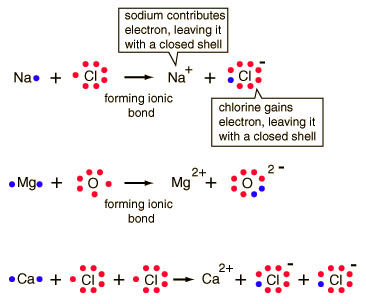
the electrostatic attraction between cation and anion after electron transfer.
Combined atoms which have a large difference of electronegativities
- Metal loses electron(s) : cation. Non-metal gains electron(s) : anion.
Ionic compound
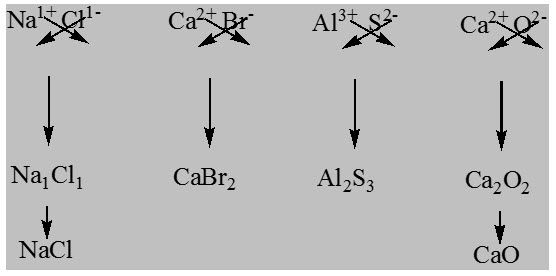
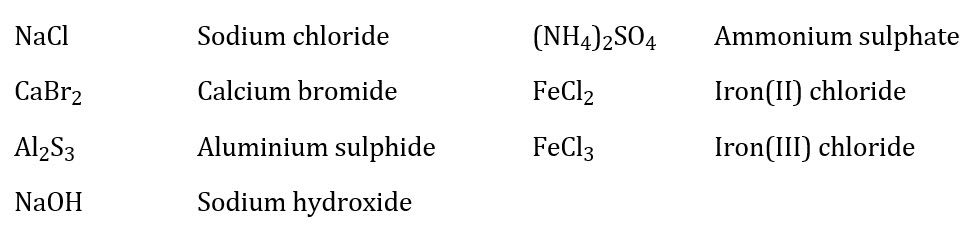
- Writing formula by write cation followed by anion and balance the charge.
- Naming compounds by name cation followed by anion ended with -ide. If the compounds consists polyatomic ions, use the name of polyatomic ions
- Cation + Anion
- can be polyatomic ions
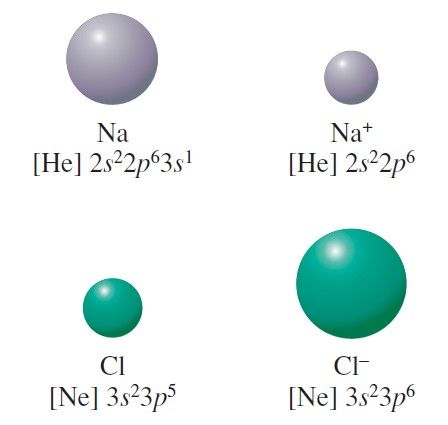
- Ionic radius
- Cation is smaller than its corresponding atom.
- Anion is larger than its corresponding atom.
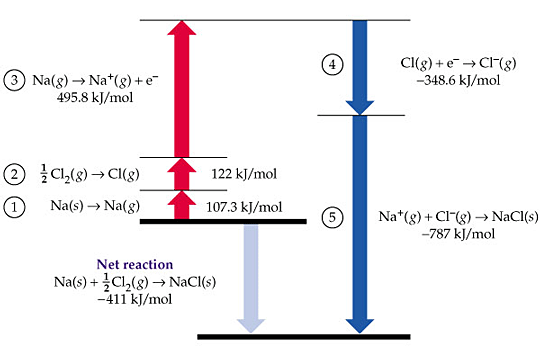
Born-Haber Cycle
- Energies involve in forming ionic compounds.
- Ionization energy : metal loses electron(s). (step 3)
- Electron Affinity : non-metal gains electron(s). (step 4)
- Lattice energy : energy released from combination of cation and anion. (step 5)
- Definition: Lattice energy is the energy needed to separate an ionic solid into isolated ions in the gas phase.
- Lattice energy depends on size and charge of ions.
- Lattice energy determines the strength of ionic bonds and solubility of ionic compounds.
- Energies involve in forming ionic compounds.
Imágenes y archivos del mapa
Información
- Descripción
- University first year (Chemical Bonding) GeneralChemistry1 Mapa Mental sobre Ionic bonding, creado por Chuleeporn Thanomsilp el 24/05/2014.
- Creado por
- Chuleeporn Thanomsilp
- Visitas
- 208
- Etiquetas
- Valoración