
Mapa mental
Interdependence and Adaption - B1
Contenido del mapa
Interdependence and Adaption - B1
Organisms are well adapted to survive in their normal environment
- changes in the environment may affect the distribution and behaviour of organisms
- environments are changing constantly due to living and non-living factors
- this affects the distribution of organisms living there
- some non-living factors:
- pollution
- floods
- droughts
- temperature changes
- living indicators:
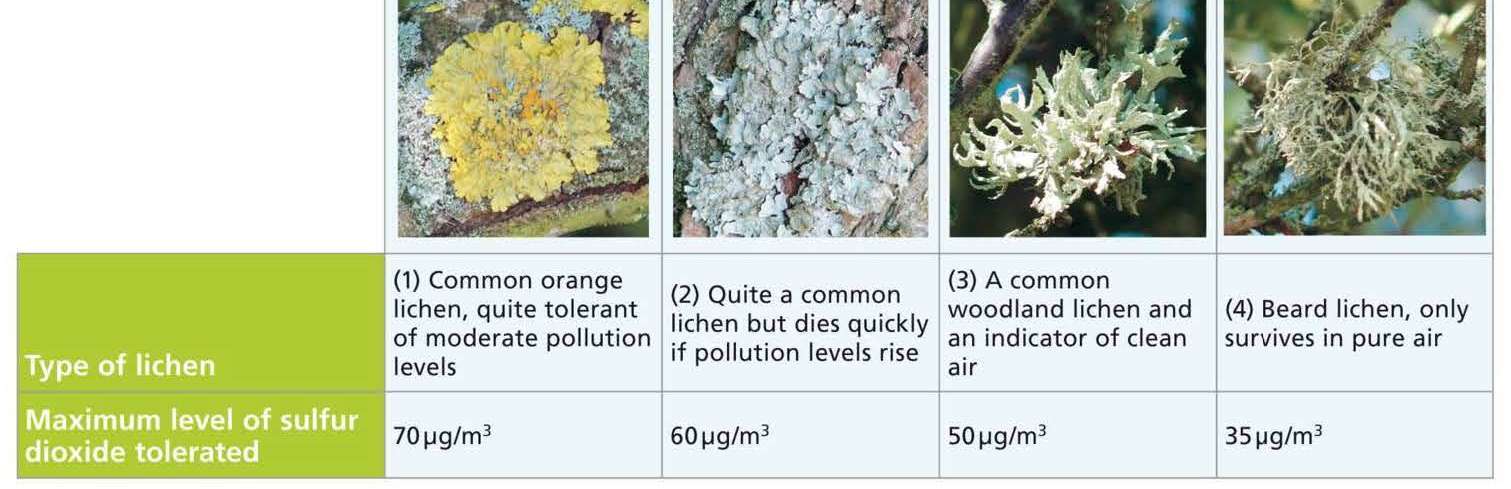
- lichen populations can be used to determine levels of sulphur dioxide in the air
- invertebrates living in ponds and streams indicate water pollution and the concentration of dissolved oxygen
- non-living indicators measure these changes:
- oxygen levels
- temperature
- rainfall
- some non-living factors:
- this affects the distribution of organisms living there
- environments are changing constantly due to living and non-living factors
- changes in the environment may affect the distribution and behaviour of organisms
Population size depends on a variety of factors including:
- COMPETITION
- all animals and plants require a supply of materials from their surroundings and from other organisms that live there
- ANIMALS
- compete for:
- food
- mates
- territory
- compete for:
- PLANTS
- compete for:
- light
- space
- water
- nutrients from soil
- compete for:
- ADAPTATION
- organisms including microorganisms have features and adaptations that enable them to get the materials they need from their habitat and survive
- COLD ENVIRONMENT
- e.g. polar bears
- a thick layer of fat for energy and insulation
- thick fur for insulation
- white fur for camoflauge
- large canine teeth for killing
- large paws for swimming
- e.g. polar bears
- HOT, DRY ENVIRONMENTS
- e.g. camels
- fat stored in a hump, as a supply of food and water
- thick fur for insulation for cold nights and hot days
- large feet for walking on soft sand
- long eyelashes to keep sand out of their eyes
- nostrils that close during sandstorms
- PLANT ADAPTATIONS
- e.g. cacti
- large root systems
- small surface area of leaves to reduce water loss
- waxy surface of leaves
- water storage tissue
- e.g. cacti
- e.g. camels
- ANIMALS
- all animals and plants require a supply of materials from their surroundings and from other organisms that live there
- PREDATION
- DISEASE
- HUMAN INFLUENCES
- COMPETITION
Imágenes y archivos del mapa
Información
- Descripción
- GCSE (B1) Biology Mapa Mental sobre Interdependence and Adaption - B1, creado por Georgia Freeman el 24/05/2014.
- Creado por
- Georgia Freeman
- Visitas
- 192
- Etiquetas
- Valoración