
Test
PHSI3011 11-2 Liver in Metabolic Homeostasis
Este test tiene tipos de pregunta que se abren en el reproductor de siempre.
Preguntas del test (31)
1Glycolysis turns [blank_start]__________[blank_end] into [blank_start]__________[blank_end].
- AGlucose-6-P
- BPyruvate
- CGlucose
- DGlycogen
- ELactate
- FGlycerol
- GAmino Acids
2Glycogenesis turns [blank_start]__________[blank_end] into [blank_start]__________[blank_end].
- AGlucose-6-P
- BPyruvate
- CLactate
- DGlucose
- EGlycerol
- FAmino Acids
- GGlycogen
3Gluconeogenesis turns [blank_start]__________[blank_end] into [blank_start]__________[blank_end].
- APyruvate
- BGlucose-6-P
- CGlucose
- DGlycogen
- EGlucagon
4Glycogenolysis turns [blank_start]__________[blank_end] into [blank_start]__________[blank_end].
- AGlycogen
- BGlucose-6-P
- CPyruvate
- DGlucose
- ELactate
- FGlycerol
- GGlucagon
- HAmino Acids
5The three rate-limiting steps of Gluconeogenesis are:
- AGlucose 6-Phosphatase
- BFructose 1,6-bisphosphatase
- CPEP carboxykinase
- DPyruvate kinase
- EPhosphofructokinase-1
- FHexokinase
6The three rate-limiting steps of Glycolysis are:
- AGlucose 6-Phosphatase
- BFructose 1,6-bisphosphatase
- CPEP carboxykinase
- DPyruvate kinase
- EPhosphofructokinase-1
- FHexokinase
7Which one is which: Glycolysis vs Gluconeogenesis
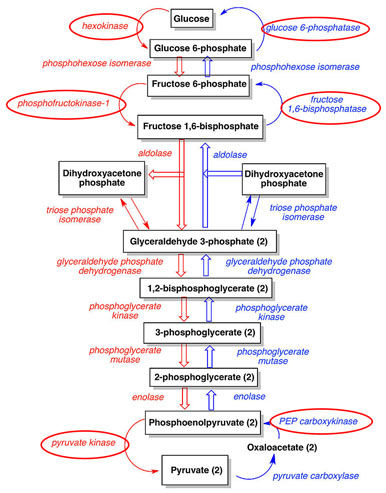
- AGluconeogenesis
- BGlycolysis
8Put the three rate-limiting steps (of each side) in the right places.
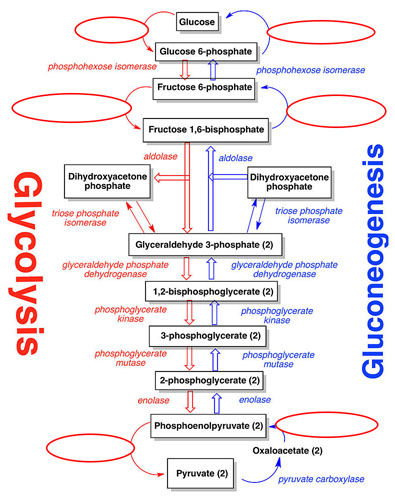
- AGlucose 6-Phosphatase
- BFructose 1,6-bisphosphatase
- CPEP carboxykinase
- DHexokinase
- EPhosphofructokinase-1
- FPyruvate kinase
9Does insulin STIMULATE or SUPPRESS glucose disposal and glycogen&lipid synthesis?
- AStimulate
- BSuppress
10Does insulin STIMULATE or SUPPRESS glucose production and VLDL secretion?
- AStimulate
- BSuppress
11What’s a LIRKO?
- ALiver-specific Insulin Receptor KnockOut mouse
- BLoss of Insulin Receptor KnockOut mouse
- CLiver-specific Insulin Receptor Knockout Organism
- DLoss of Insulin Receptor Knockout Organism
12What results in a LIRKO in regards to blood&serum glucose levels?
- ABlood increase; serum increase
- BBlood increase; serum decrease
- CBlood decrease; serum increase
- DBlood decrease; serum decrease
13Loss of PTEN expression in the liver results in increased Liver Triglyceride levels. What’s PTEN?
- APhosphatase and TENsin homolog
- BPhosphatase and TENsin ligand
- CPhosphatase and TENsin binding factor
- DPhosphatase and TENsin lipase
14Glucose is taken up in a GLUT2-dependent manner. It’s then stored as [blank_start]__________[blank_end] until blood glucose levels drop.
- AGlycogen
- BGlucose 6-Phosphate
- CPyruvate
- DGlucagon
- EGlycerol
15The liver contributes to the homeostasis of circulating levels of which?
- AFatty Acids
- BCholesterol
16The liver is the main clearance tissue for removal of Fatty Acids from circulation, then repackages them in what?
- AVLDL-TAG
- BLDL-TAG
- CHDL-TAG
- DChylomicron-TAG
17Stages of Lipoprotein and FA uptake:
[blank_start]_____[blank_end] – [blank_start]__________[blank_end] resides on endothelial cells to hydrolyse VLDL-TAG to FAs for uptake- AStage 1
- BStage 2
- CStage 3
- DHepatic lipase (and Lipoprotein lipase)
- EPeriphery
- FLiver
18Stages of Lipoprotein and FA uptake:
[blank_start]_____[blank_end] – [blank_start]__________[blank_end]: TAG-rich VLDL interacts with VLDL-R, enters lysosomal pathway for hydrolysis and TAG synthesis.- AStage 1
- BStage 2
- CStage 3
- DHepatic lipase (and Lipoprotein lipase)
- EPeriphery
- FLiver
19Stages of Lipoprotein and FA uptake:
[blank_start]_____[blank_end] – [blank_start]__________[blank_end]: VLDL-remnants interact with a range of receptors for endocytosis.- AStage 1
- BStage 2
- CStage 3
- DHepatic lipase (and Lipoprotein lipase)
- EPeriphery
- FLiver
20Fatty Acid metabolism. The major pathways are:
De novo lipogenesis: [blank_start]__________[blank_end]
TriAcylGlycerol metabolism: [blank_start]__________[blank_end]
β-Oxidation: [blank_start]__________[blank_end]- ASynthesis of fatty acids from non-lipid
- BEsterification, Lipoprotein and Lipolysi
- CFA-CoA >> acetyl-CoA
21Fatty Acid Metabolism: loss of Lipolysis-Stimulated Receptor (LSR) expression does what?
- AIncrease in Serum TriGlyceride levels
- BDecrease in Liver TriGlyceride levels
- CDecrease in Serum TriGlyceride levels
- DIncrease in Liver TriGlyceride levels
22Loss of CD36 in the liver leads to [blank_start]__________[blank_end] Plasma FA levels. Plasma FAs [blank_start]__________[blank_end] LPL activity. Therefore loss of CD36 [blank_start]__________[blank_end] Chylomicron/VLDL-TAG hydrolysis (breakdown). …Leading to [blank_start]__________[blank_end] of TAG in the circulation.
- AIncreased
- BUnaffected
- CReduced
- DInhibit
- EStimulate
- FReduces
- GIncreases
- HAccumulation
- IShortage
23True or false: The Hepatokine ILGF stands for Insulin-Like Growth Factor.
- AVerdadero
- BFalso
24What's this bit called?
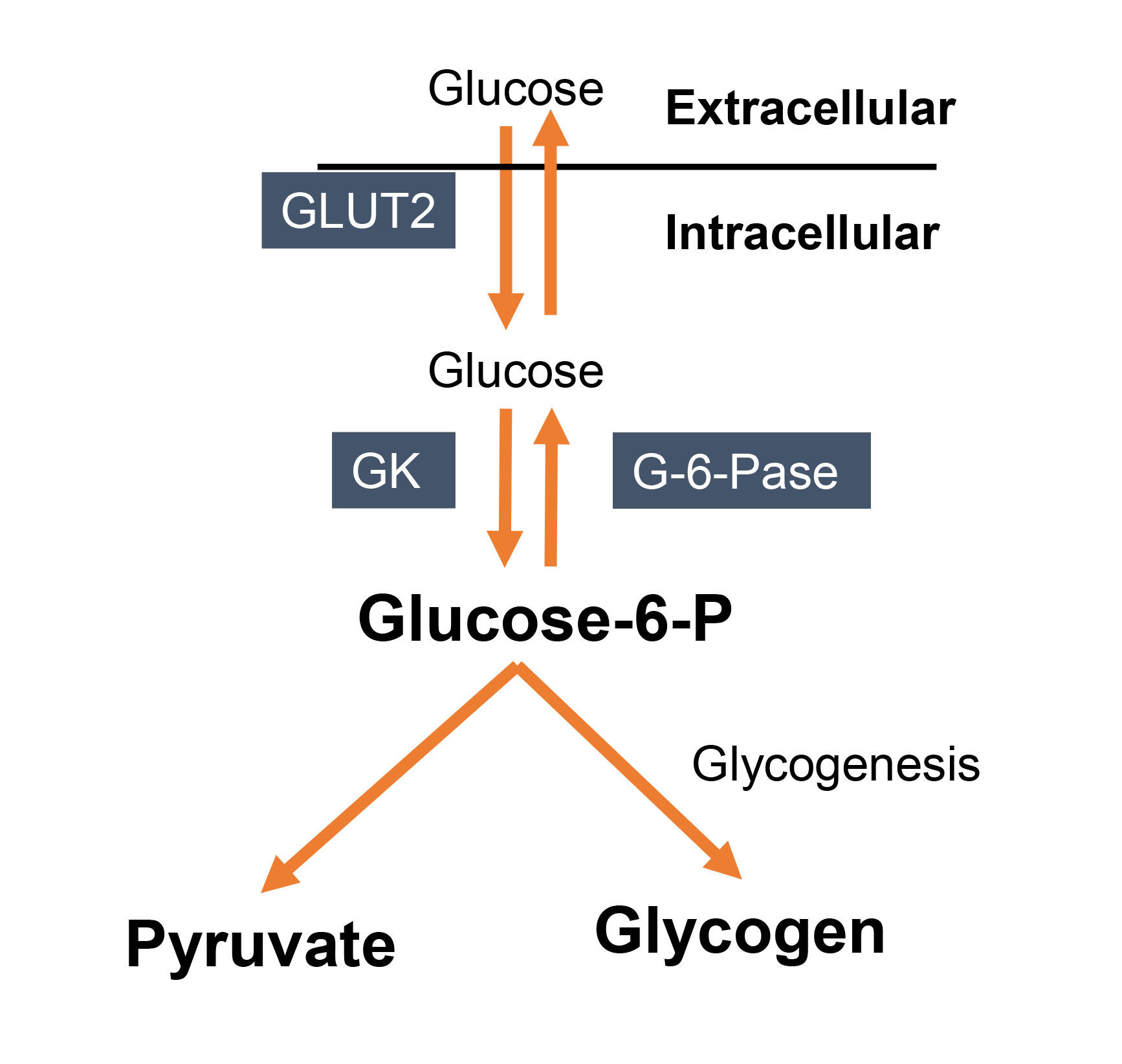
- AGlycolysis
- BGlycogenesis
- CGluconeogenesis
- DGlycogenolysis
25What's this bit called?
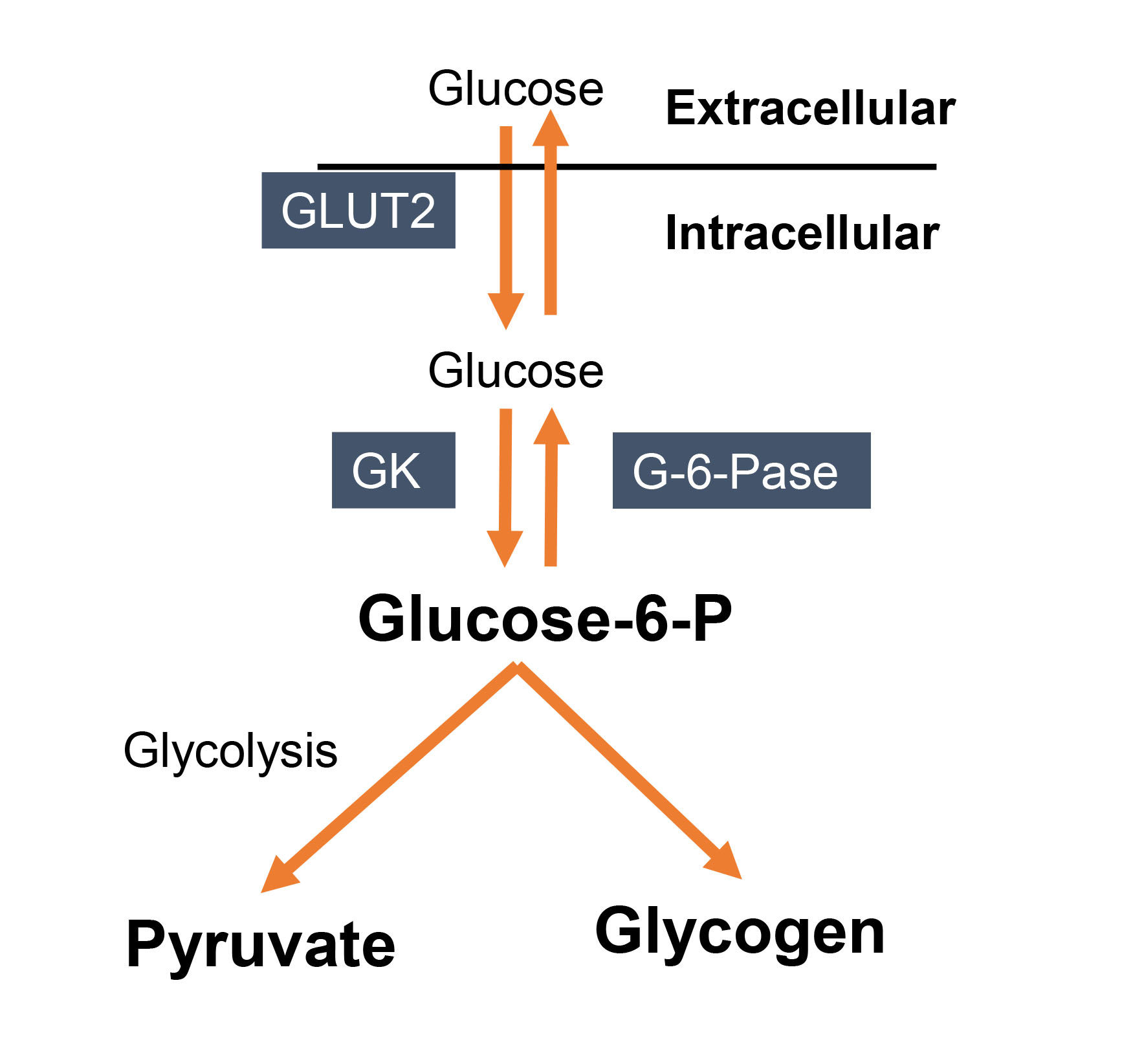
- AGlycolysis
- BGlycogenesis
- CGluconeogenesis
- DGlycogenolysis
26What's this bit called?
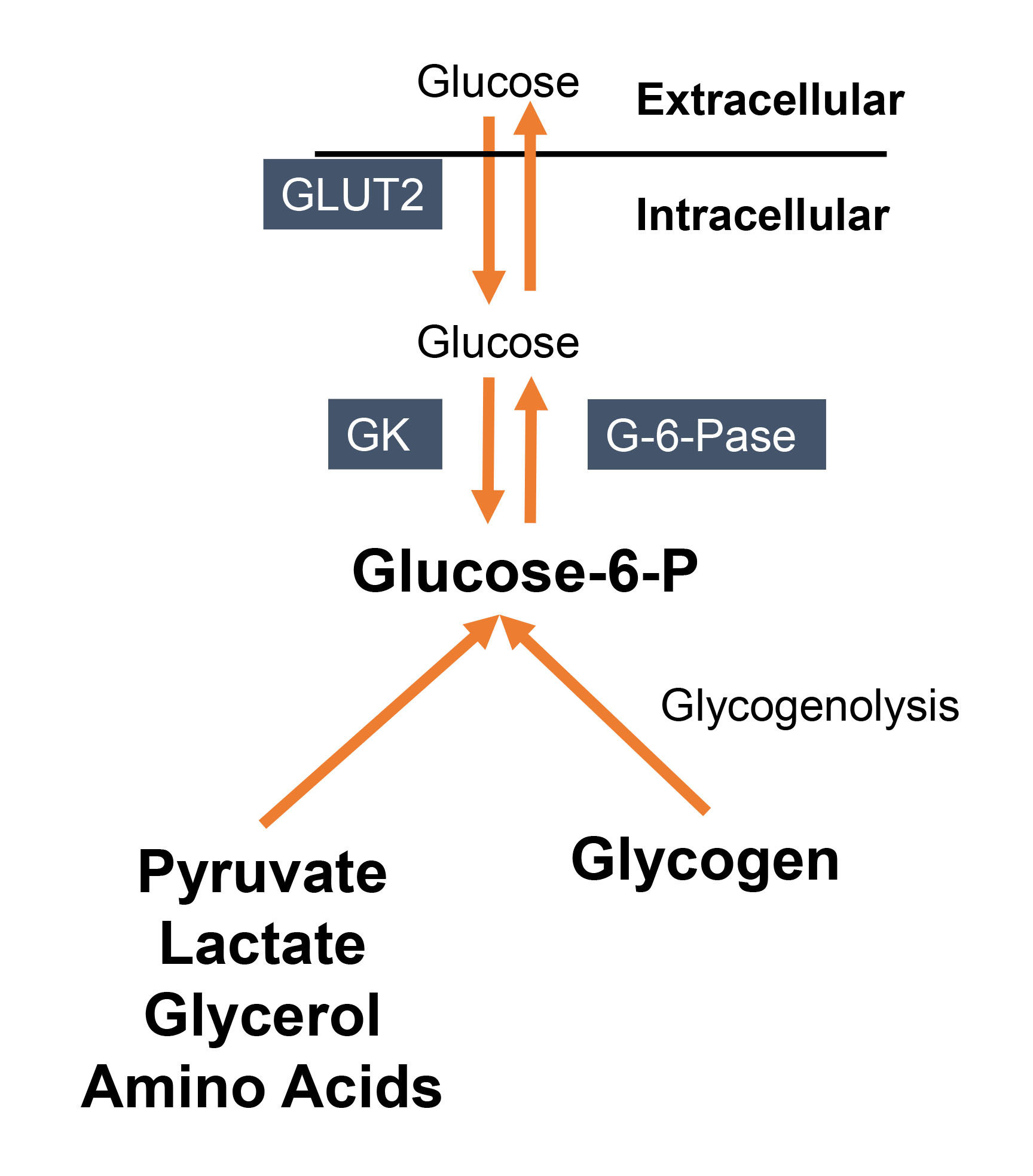
- AGlycolysis
- BGlycogenesis
- CGluconeogenesis
- DGlycogenolysis
27What's this bit called?
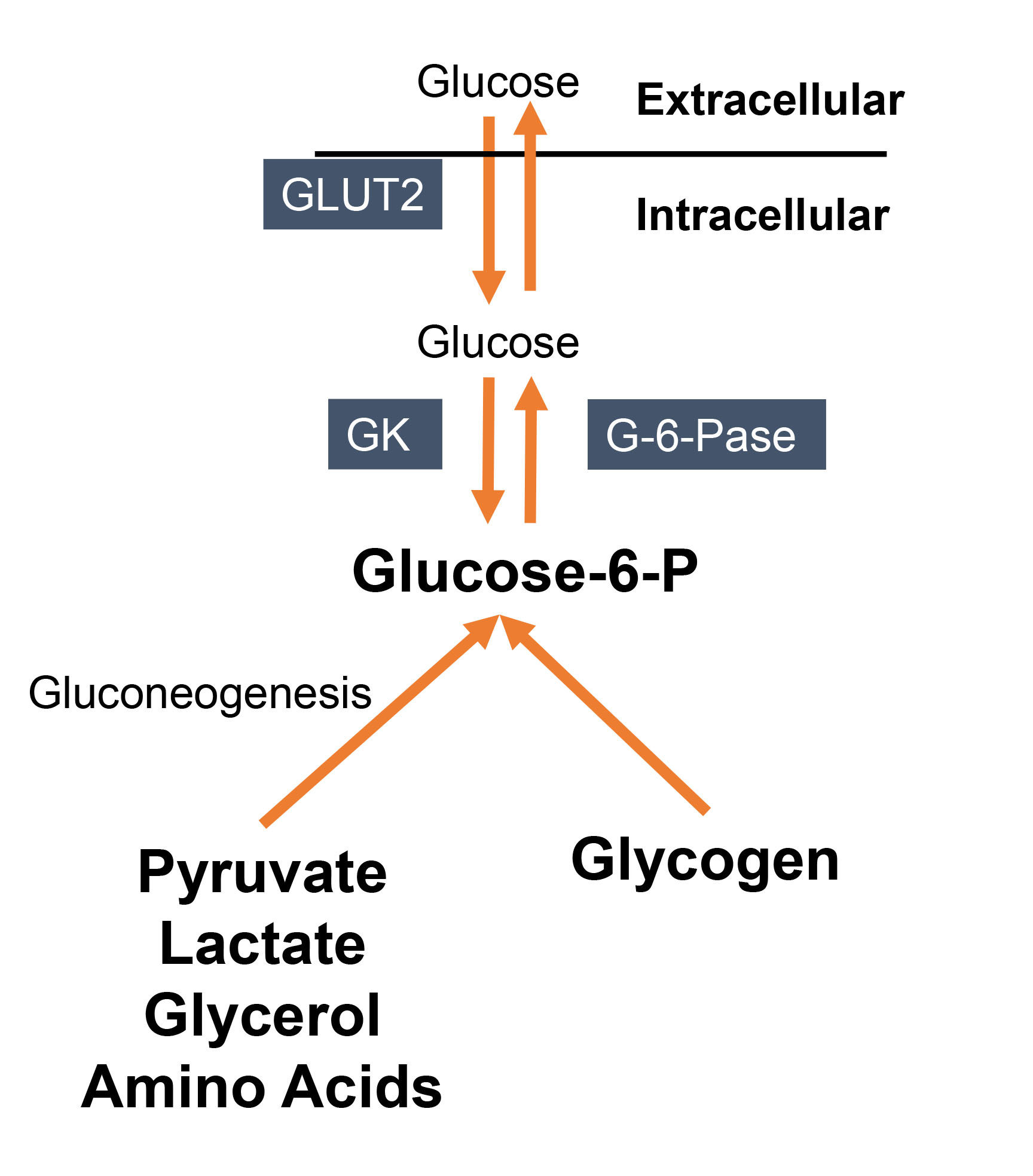
- AGlycolysis
- BGlycogenesis
- CGluconeogenesis
- DGlycogenolysis
28What could be here?
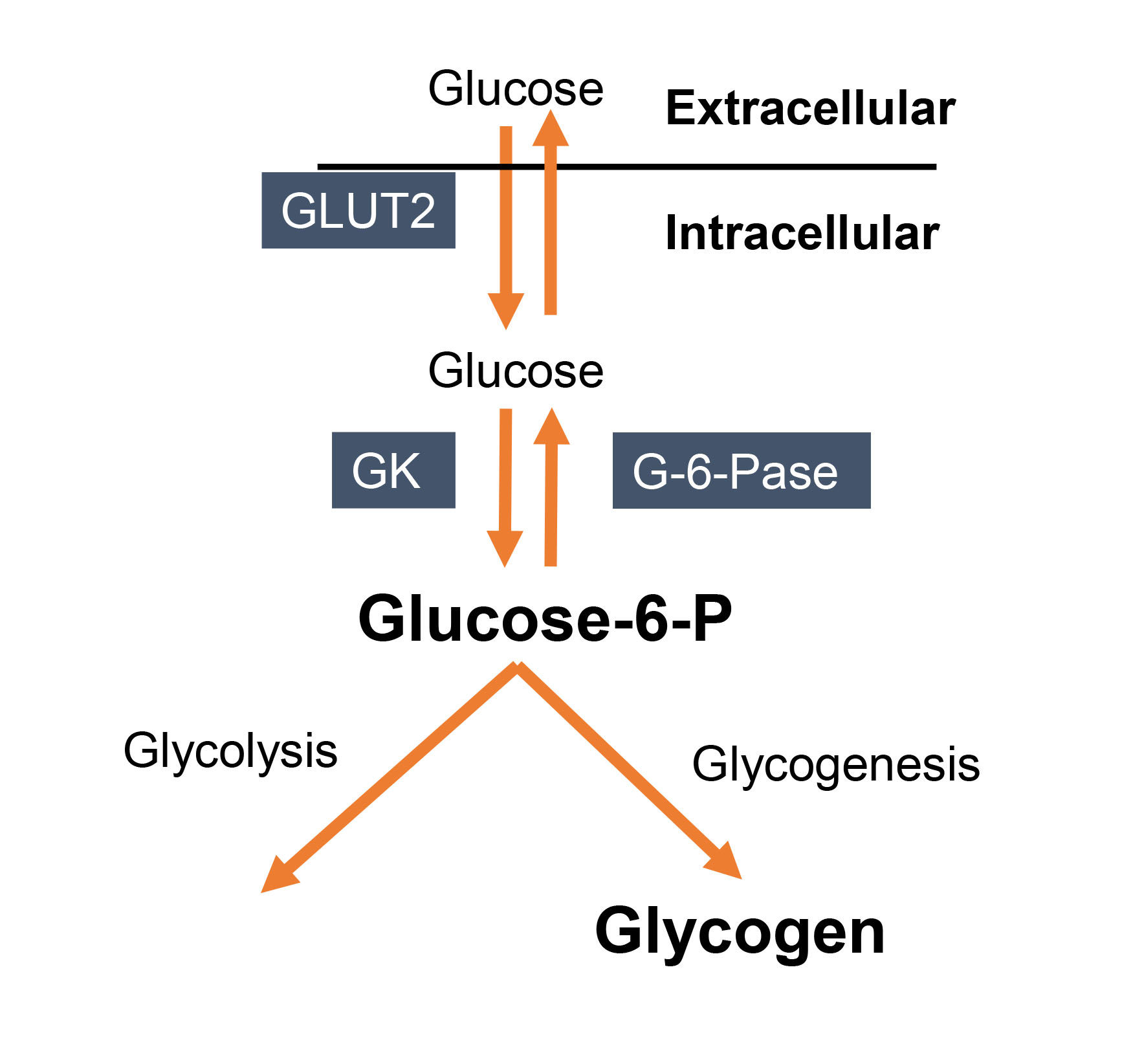
- APyruvate
- BGlycogen
29What could be here?
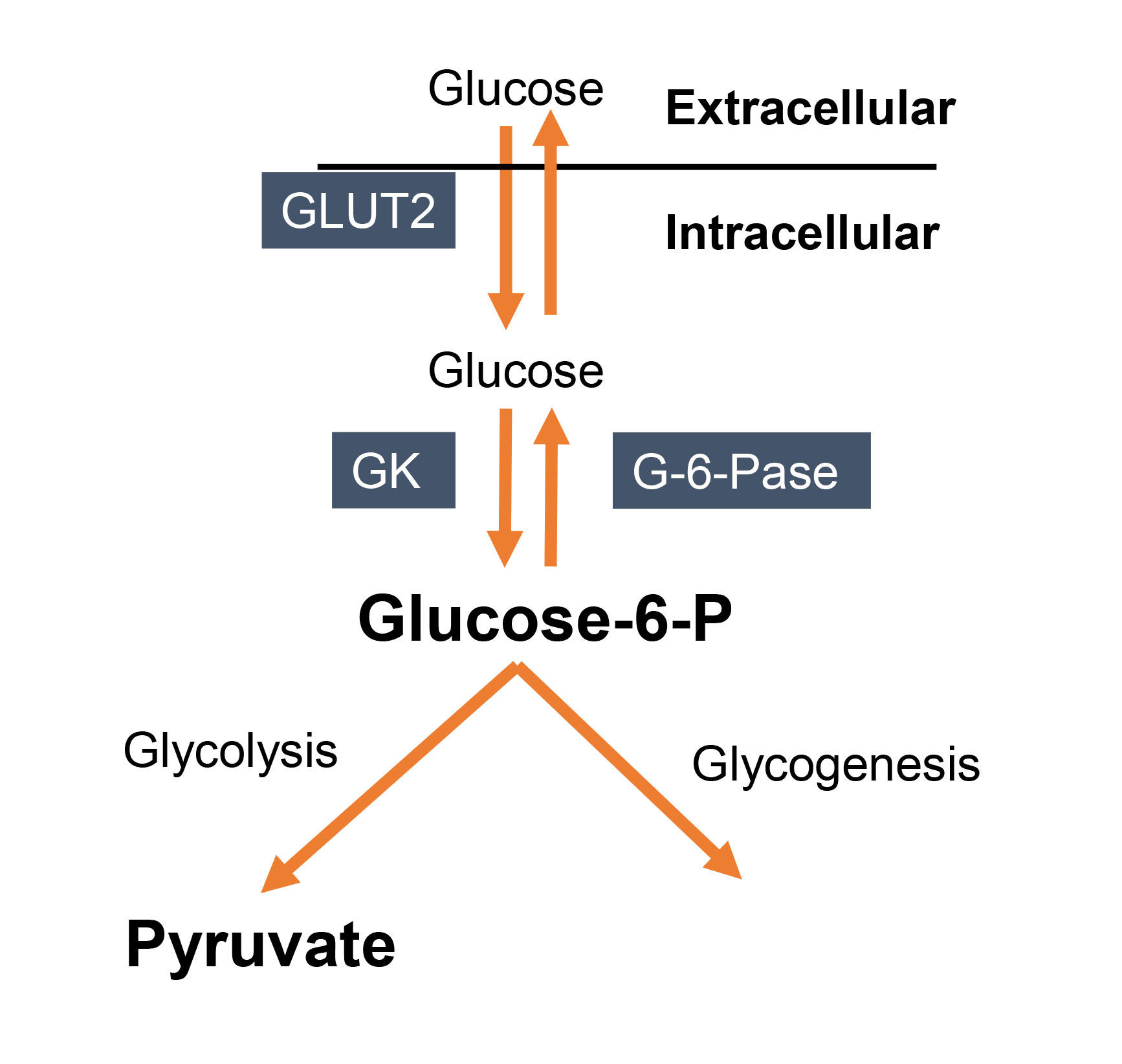
- APyruvate
- BGlycogen
30What could be here?
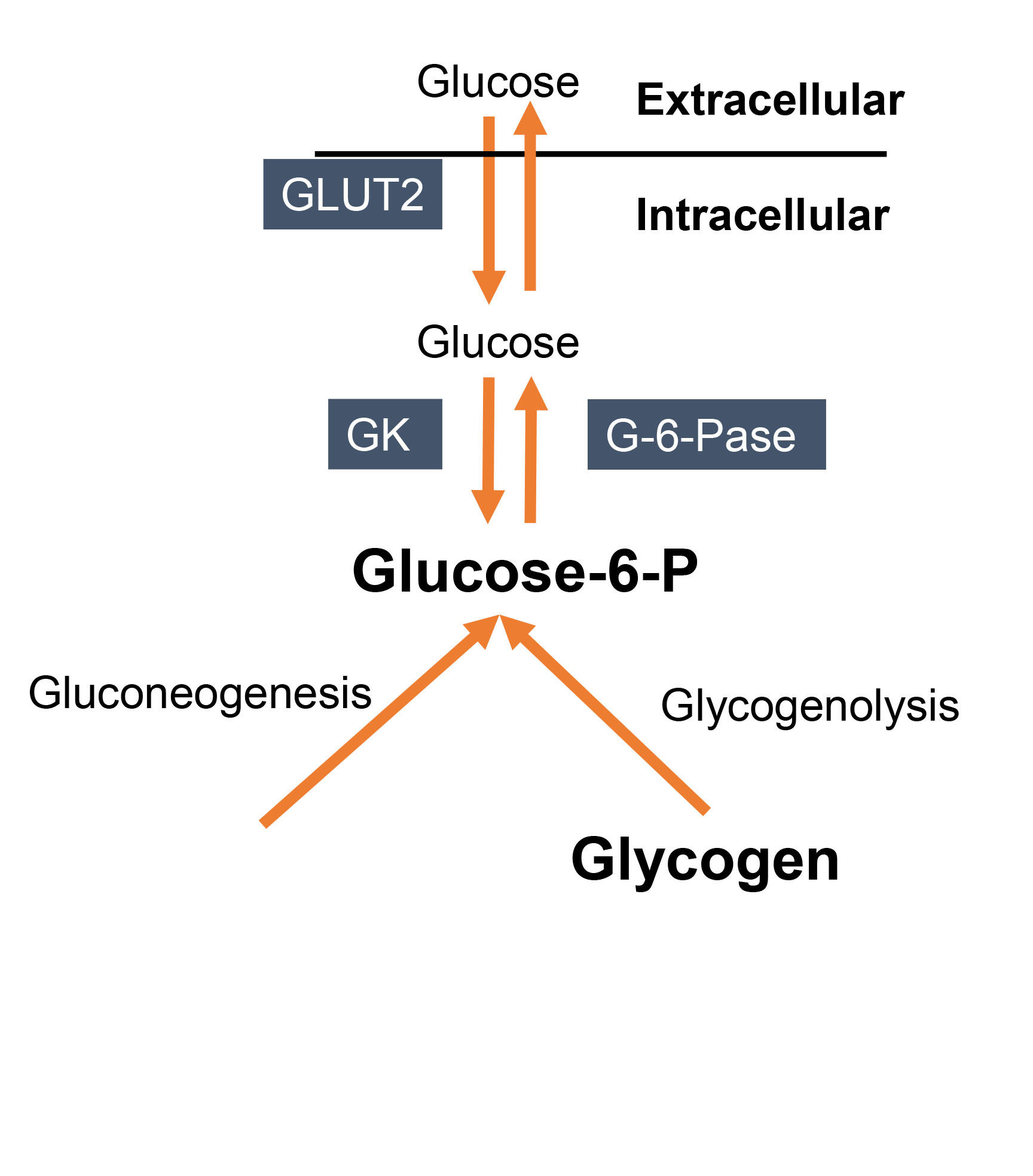
- APyruvate
- BGlycogen
31What could be here?
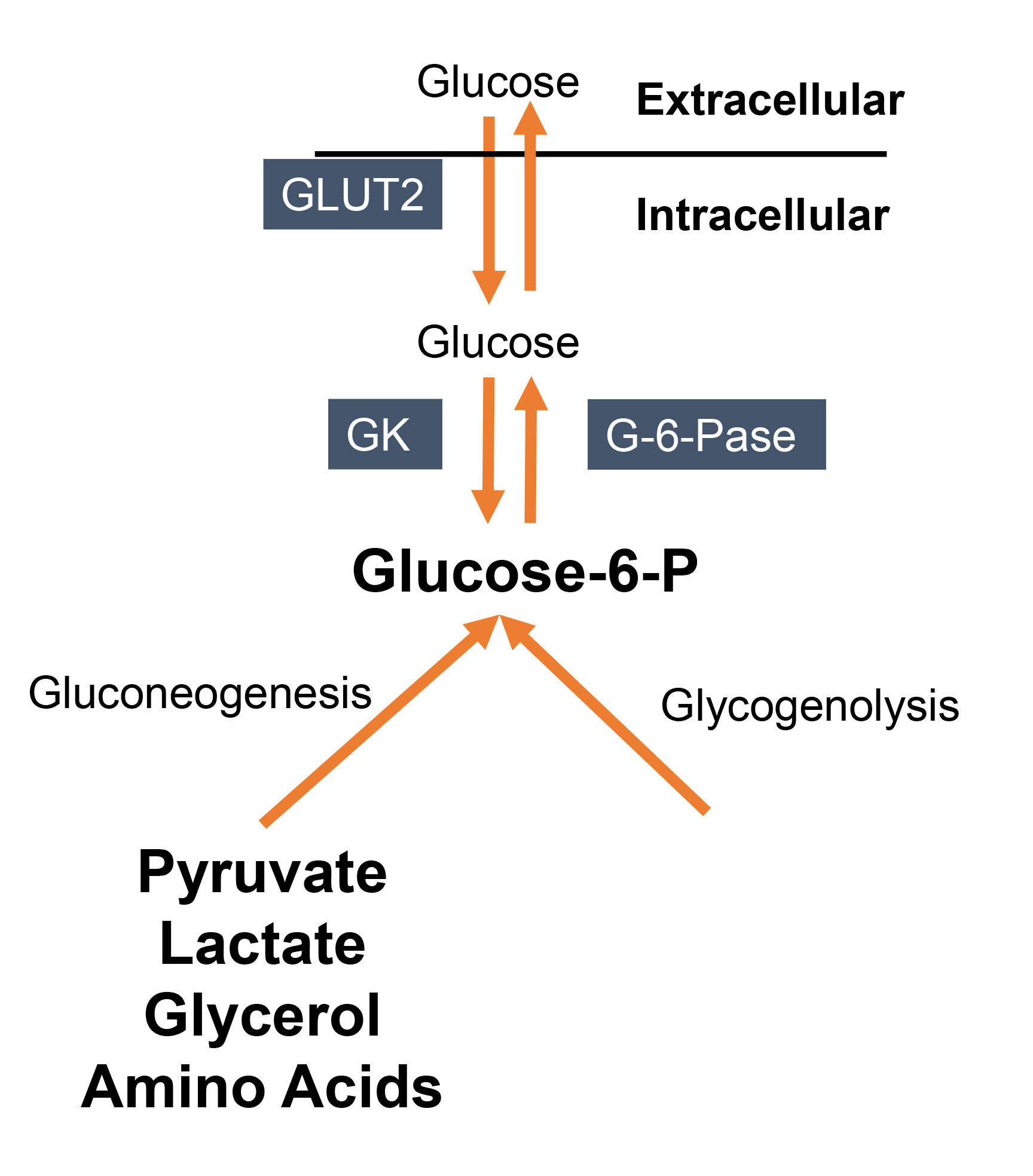
- APyruvate
- BGlycogen
Información
- Descripción
- PHSI3011 11-2 Liver in Metabolic Homeostasis
- Autor
- Michael Jardine
- Idioma
- English
- Visitas
- 193
- Etiquetas
- Valoración
- Aún sin valoraciones Valora este test