
Flashcards
Flash Notes
Cards in this deck (21)
- 1—Paleolithic
Artist-Anonymous
Art movement- Woman of Willendorf, Created 25,000-21,000 BCE
Formal analysis-The Venus of Willendorf represents an abstracted, symbolic form of the female human body.
Socio-historical- There were significant environmental, cultural, and survival-related factors during this period that likely influenced the creation of the figurine.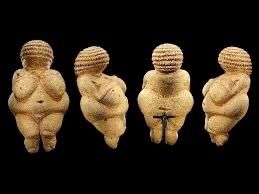
- 2—Paleolithic
Artist-Anonymous
Art movement- Hall of Running Bulls
Created-15,000-13,000 BCE
Formal Analysis- The bulls are in a large hall of a cave with irregular space, the artists took advantage of the natural curves, textures, and surface irregularities of the cave walls to create the paintings.
Socio-historical- The people who created the art at Lascaux were part of nomadic hunter-gatherer groups. These societies were small, mobile, and reliant on cooperation for survival.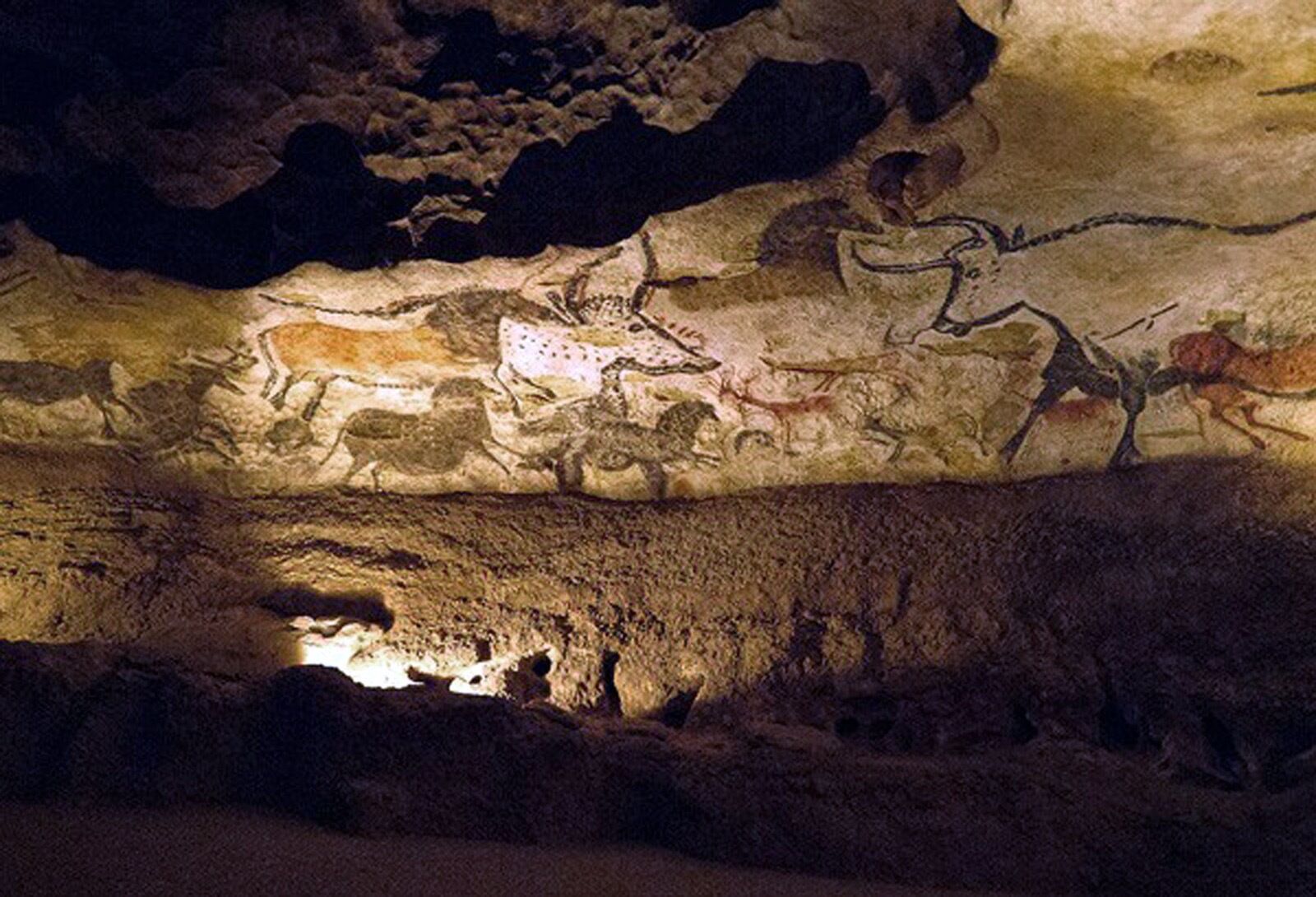
- 3—Neolithic
Artist-Anonymous
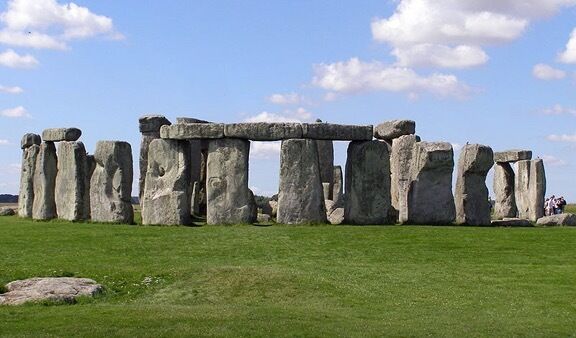
Art movement-Stonehenge
Created- 2800-1500 BCE
Formal analysis-Stonehenge consists of a circular arrangement of large standing stones (megaliths) arranged in a pattern that includes both upright stones and horizontal lintels placed on top. The structure is divided into several concentric rings of stones, with the most famous arrangement being the outer circle of massive stones and the inner horseshoe-shaped formation.
Socio-Historical- The creation of Stonehenge had a unifying role in Neolithic society. As people in different regions began to develop more complex social structures, monumental architecture became a symbol of shared identity and power. - 4—Ancient Egyptian Art and Architecture
Artist-Anonymous
Art movement- Palette of Narmer
Created 3100 BCE
Formal analysis- This piece of art is a two-sided artifact, both sides presenting key symbolic imagery that communicates the message of King Narmer’s unification of Egypt. The reliefs on both sides are rich with symbolic representations of god like power
Socio-Historical- The unification of Upper and Lower Egypt, traditionally attributed to King Narmer (also called Menes in later sources). This unification marked the end of the political division between the northern and southern regions of Egypt, which had been separate kingdoms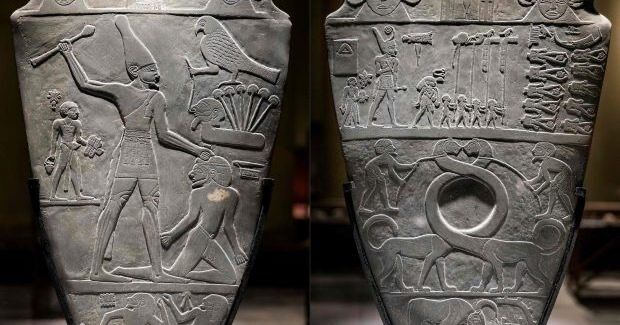
- 5—Ancient Egyptian Art and Architecture
Artist-Anonymous
Art movement-Great Pyramids
Created-2551-2472 BCE
Formal analysis- The pyramids show powerful symbols of ancient Egyptian kingship, divine authority, immortality, and cosmic order. Their size, built precision, and alignment with the stars show a deep connection to both the religious and political structures of ancient Egypt.
Socio-Historical- created in the context of significant events and developments in ancient Egypt. The rise of power and divine kingship, the Old Kingdom, technological and architectural advancements.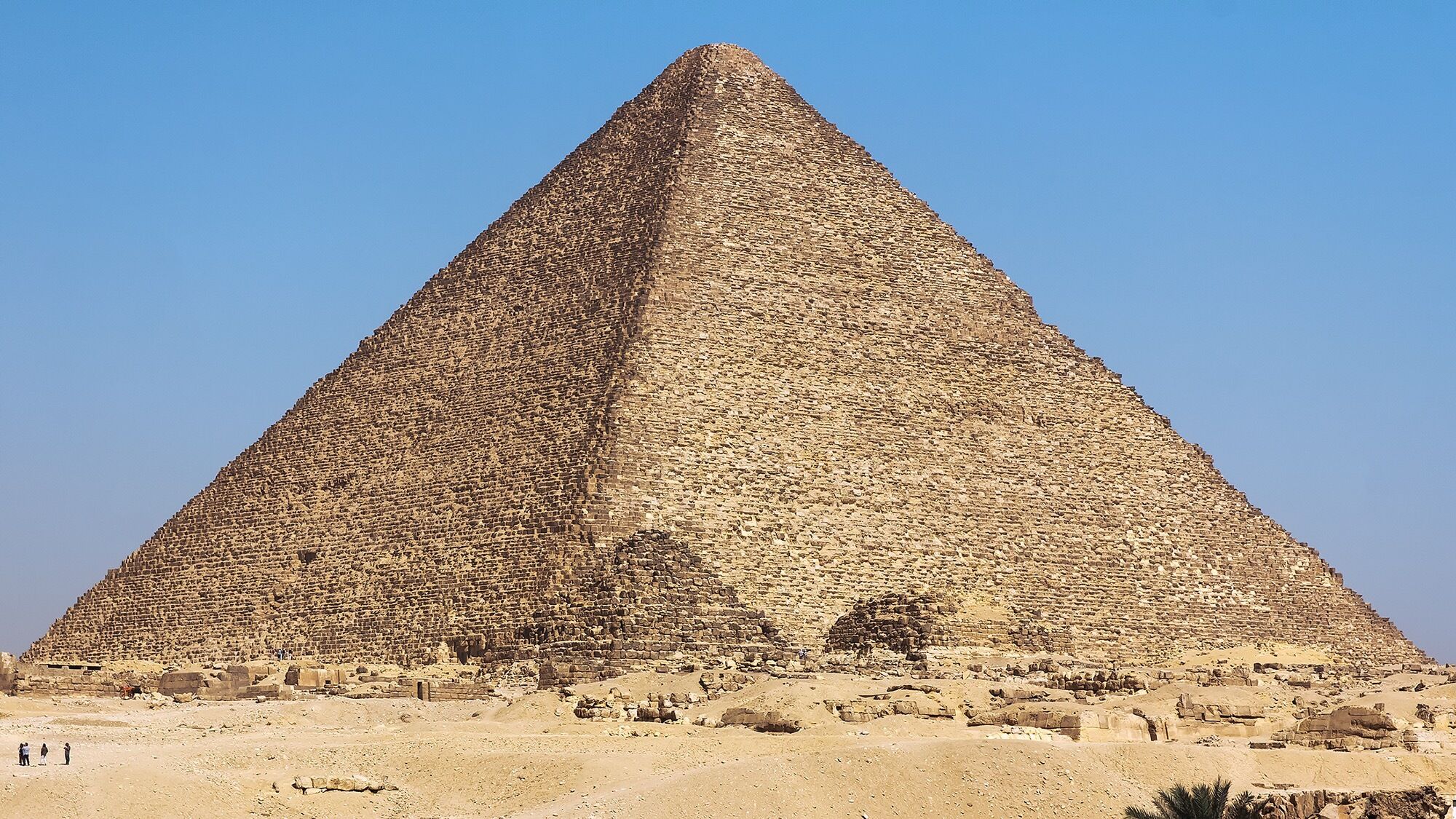
- 6—Ancient Greece
Artist-Polykleitos
Art movement- Doryphoros/Spear Bearer
Created-440 BCE
Formal analysis-
Socio-Historical: This art was shaped by a number of significant events and cultural developments. For starters the victory in the Persian Wars, the rise of Athenian democracy, the advancement of Greek philosophy, and the evolution of artistic techniques.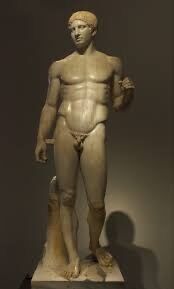
- 7—Ancient Rome
Artist: Anonymous
Art movement: Augustus of Prima Porta
Created: 1st C. CE
formal analysis statue was created to publicize a certain image of the emperor Augustus, combining elements of realism with idealization to promote his political and divine status.
Socio-Historical: This art movement was deeply influenced by the social conditions of its time. It was not just a representation of Augustus but a powerful tool of political and social messaging, designed to promote the stability, peace, and moral restoration that Augustus’s reign symbolized.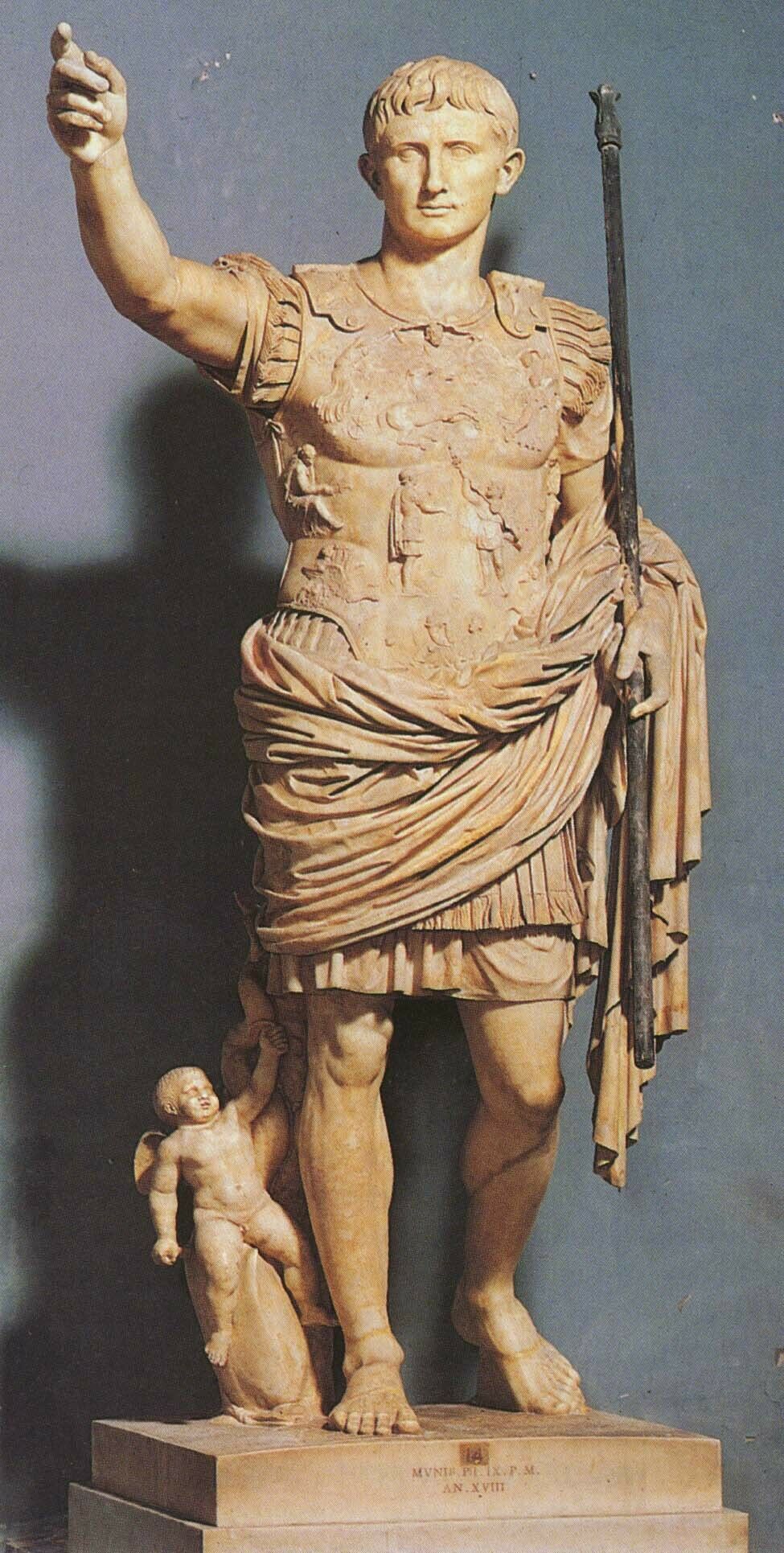
- 8—Early Christian Art & Architecture
Artist: Anonymous
Art movement:The Good Shepard, Catacomb of Priscilla, Rome, Italy,
Created: c. 225
Formal analysis: This art movement features representation that combines idealized, symbolic, and spiritual imagery. The shepherd is depicted as a compassionate figure who leads his flock to safety and spiritual nourishment.
Socio-Historical: This art piece was influenced by quite a few significant contemporary events, the persecution of Christians, the spread of Christianity, the eventual legalization of Christianity, and the influence of classical art traditions.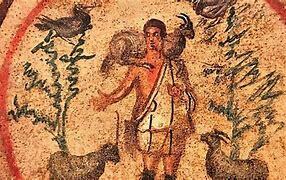
- 9—The Early Middle Ages
Artist: Anonymous,
Art movement: Lion Symbol of Saint John, from the Book of Durrow [Hiberno-Saxon]
Created:650 CE
Formal analysis--This art movement shows traits of strength, royalty, courage, authority, and resurrection. It reflects Jesus as a powerful, authoritative, and victorious figure.
Socio-Historical: This art movement context represents the powerful and spiritual Gospel, which emphasizes the divinity and majesty of Christ.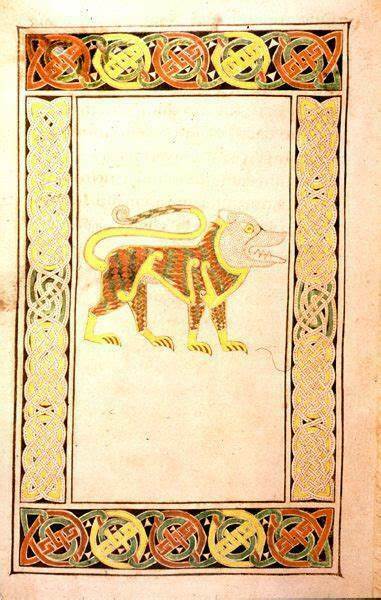
- 10—The Gothic Era
Artist: Anonymous
Art movement: Notre Dame Chartres Cathedral (Chartres, France)
Created:1140
Formal analysis: The huge art movement represents several key forms of artistic and theological expression through its architecture, sculptures, stained glass windows, and overall design.
Socio-Historical: This is one of the most important and influential Gothic cathedrals in France. It was built during a period of significant historical, social, religious, and political changes.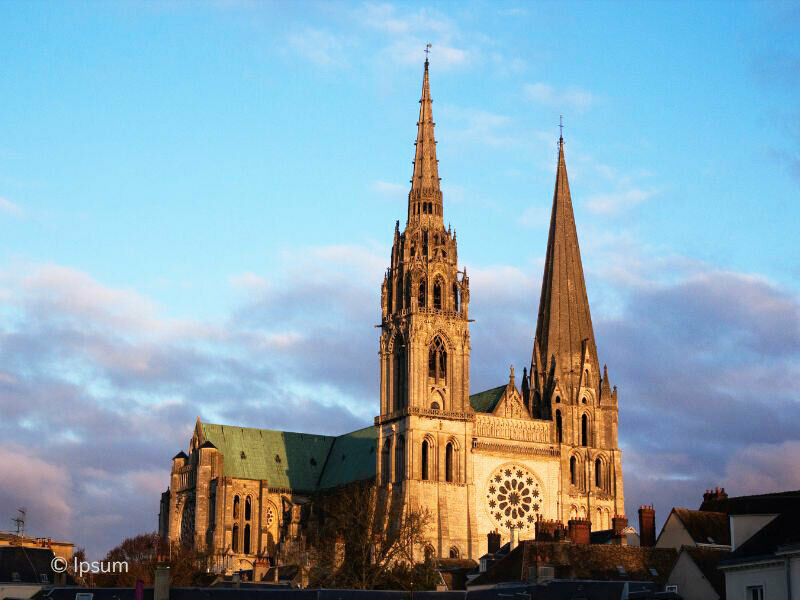
- 11—The Early Renaissance
Artist: Alberti
Art movement: Rucellai Palace,
(Florence, Italy)
Created:1446-1450
Formal analysis- ThIs Art movement is significant as it reflects key themes of humanism, classical ideals, and social status.
Socio-Historical:The Palace reflects humanist principles through its use of classical elements, such as columns, pilasters, and a focus on proportion and symmetry.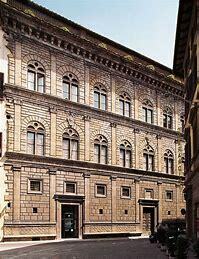
- 12—The High Renaissance
Artist:Leonardo:
Art movement: The Last Supper
Created:1495-98
Formal analysis: This art movement represents psychological depth, religious significance, and narrative drama, with Da Vinci using emotion, symbolism, perspective, and individual expression to depict a pivotal moment in Christian history.
Socio-Historical: This art movement exemplifies Renaissance humanism, with da Vinci highlighting emotion and psychological depth in the apostles' reactions to Jesus' announcement of betrayal.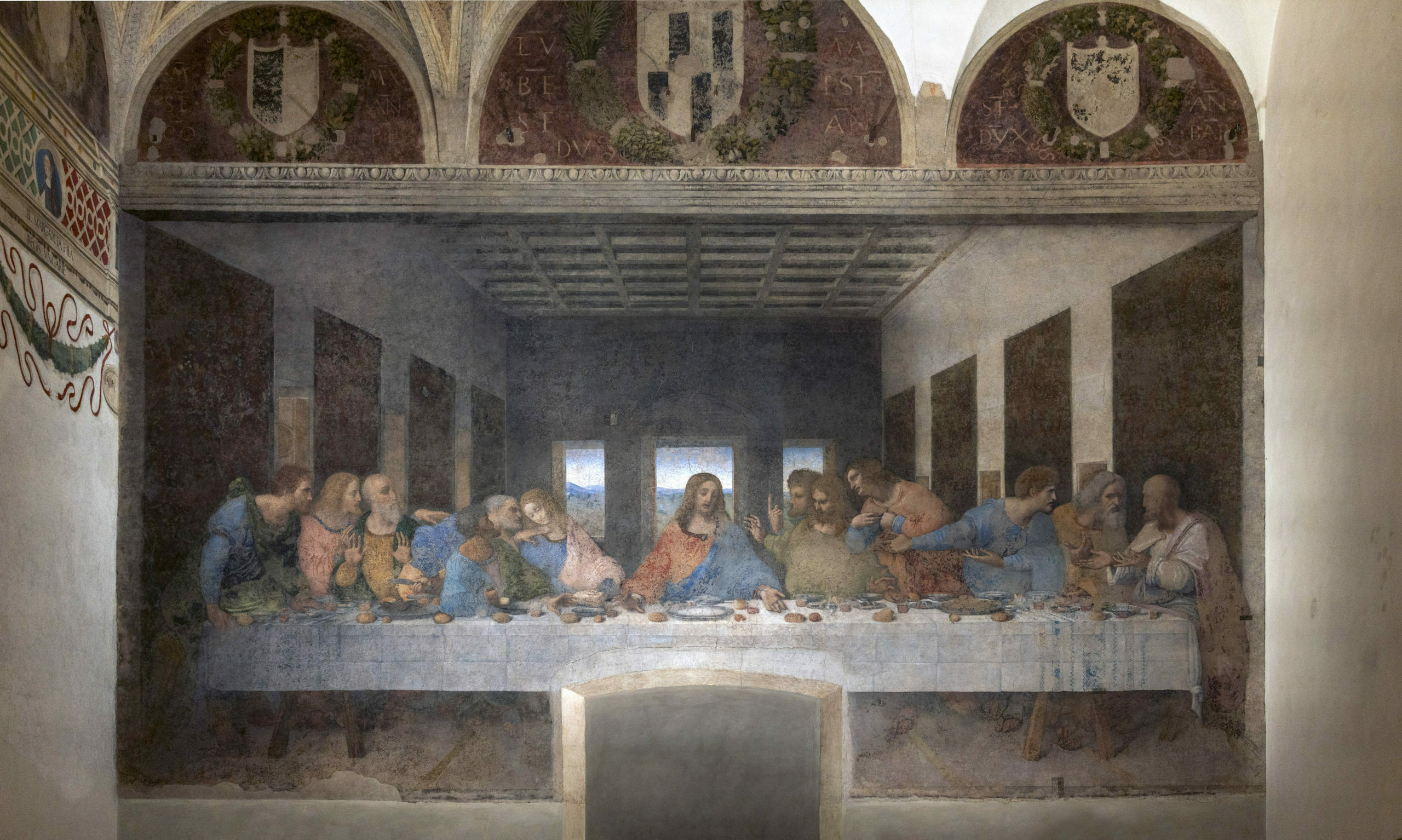
- 13—Counter Reformation Art/Baroque Art in Italy
Artist- Caravaggio
Art movement- The Calling of St. Matthew
Created-1599-1600
Formal analysis-The Calling of St. Matthew by Caravaggio uses realism and chiaroscuro to depict the spiritual transformation of Matthew, emphasizing the theme of divine grace and redemption.
Socio-Historical: The Art movement was influenced by the Counter-Reformation, which sought to use art to inspire religious devotion and convey divine grace. The realistic style and dramatic use of light reflected the Baroque movement's focus on emotional intensity and personal spiritual connection.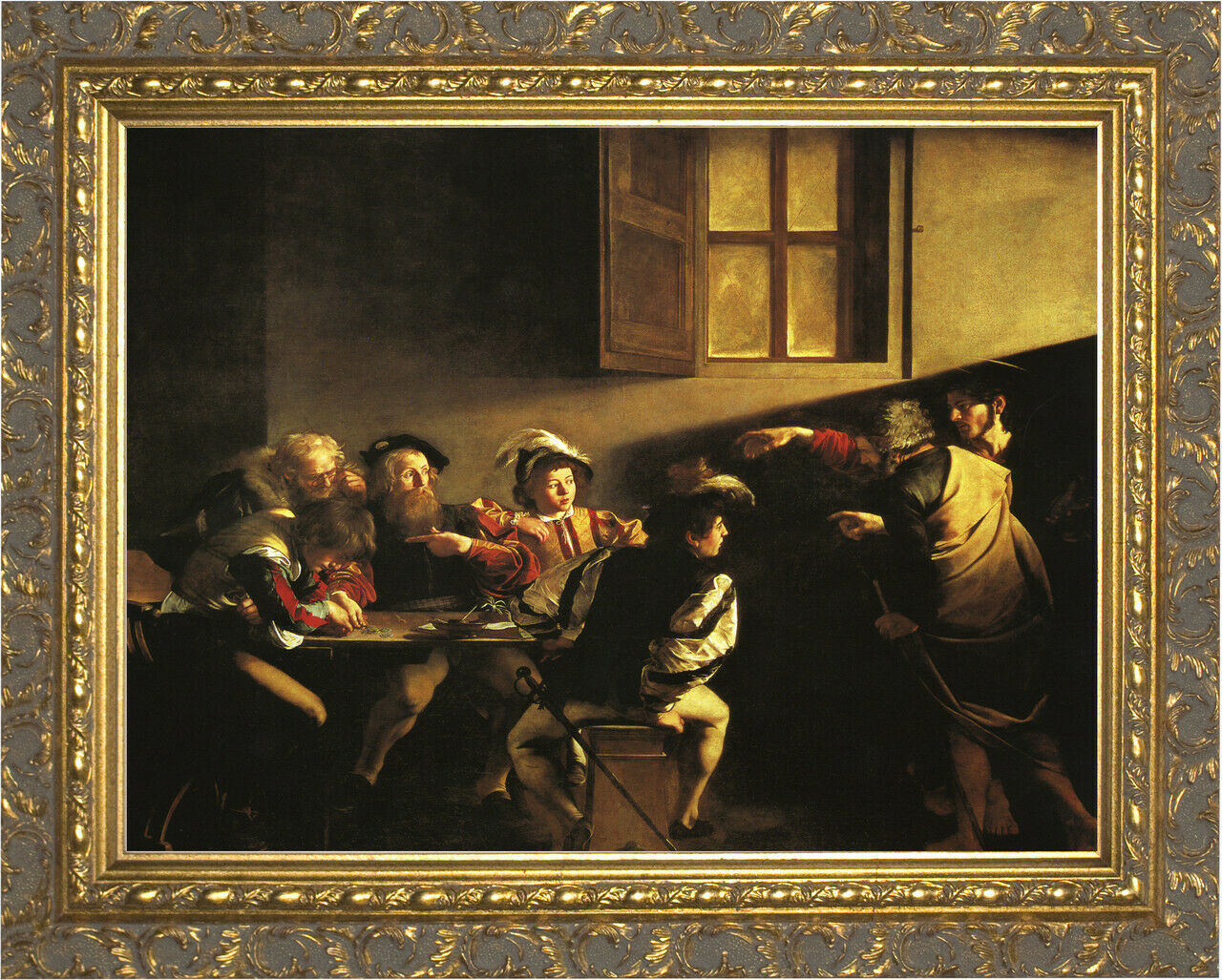
- 14—Baroque Art & Architecture in France
Artist-Mansart and LeBrun
Art movement- Palace of Versailles (Versailles, France)
Created-1623-1710
Formal analysis-The Palace of Versailles represents absolute monarchy and the centralization of power, with its grand architecture and lavish interiors symbolizing Louis XIV’s authority and divine right to rule.
Socio-Historical: This art movement was made to symbolize one of the area's leaders absolute power and centralized authority, moving the court away from Paris. Its grand Baroque design reinforced the king's control over the nobility and showcased France’s strength and magnificence.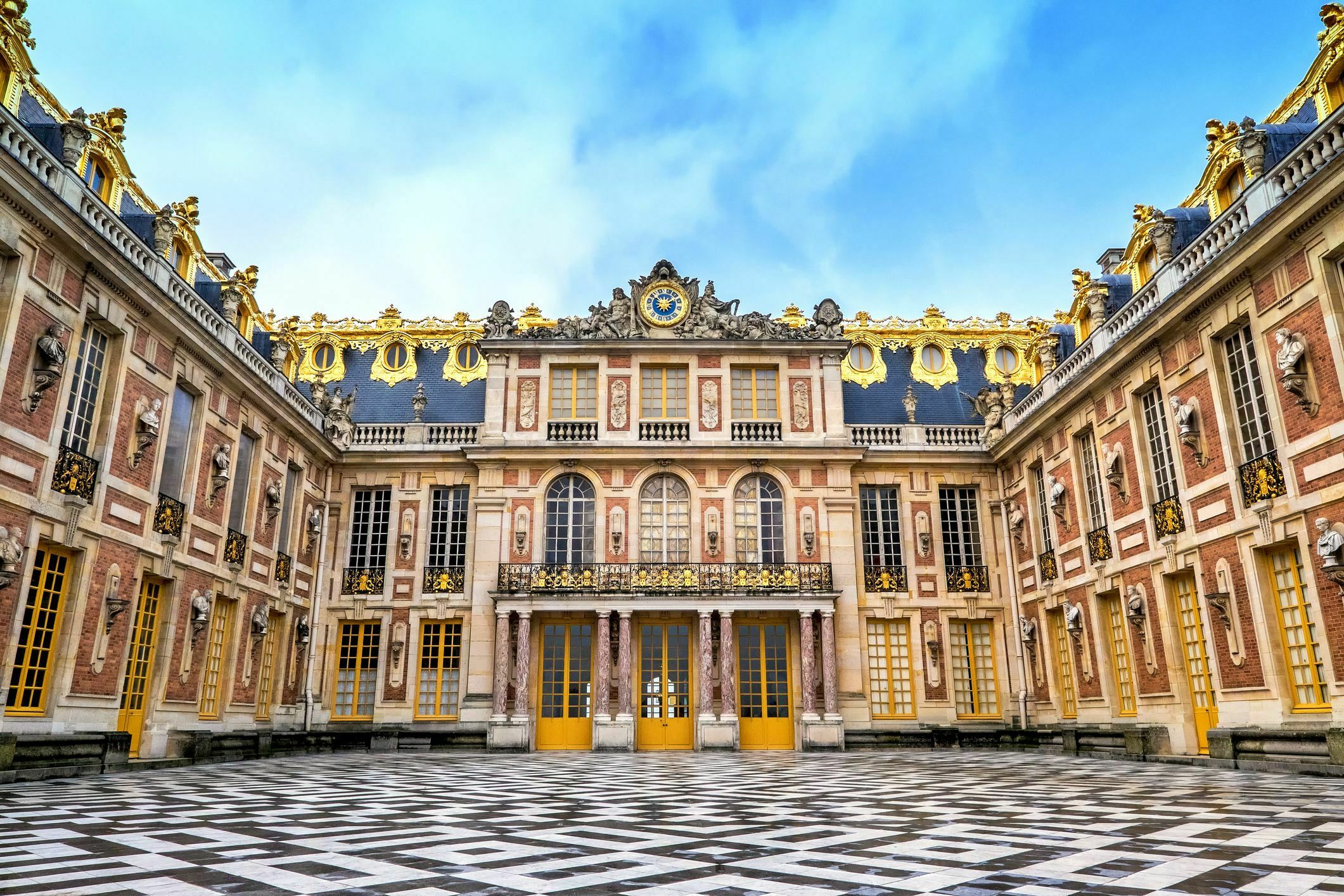
- 15—French Rococo
Artist-Jean-Honoré Fragonard:
Art movement: The Happy Accidents of the Swing
Created:1766
Formal analysis: This art movement represents the Rococo style with its playful, sensual, and light-hearted depiction of romantic love and flirtation. The painting uses vibrant color, dynamic movement, and soft lighting to convey a sense of luxury
Socio-Historical: This art movement was created during the Rococo era a time when the French aristocracy embraced a life of leisure and indulgence. The painting reflects the era's focus on sensuality, playfulness, and light-heartedness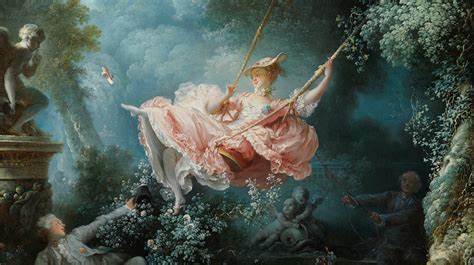
- 16—Romanticism
Artist: Theodore Gericault,
Art movement: Raft of the Medusa
Created:1819
Formal analysis: This art movement represents the aftermath of a real-life shipwreck, depicting the suffering, despair, and human endurance of the survivors. The dramatic composition, emotion, and focus on the heroic struggle reflect the Romanticism movement’s
Socio-Historical: This piece was created in response to the real-life tragedy of the Medusa shipwreck, which exposed the incompetence of French leadership and the brutal consequences of political corruption.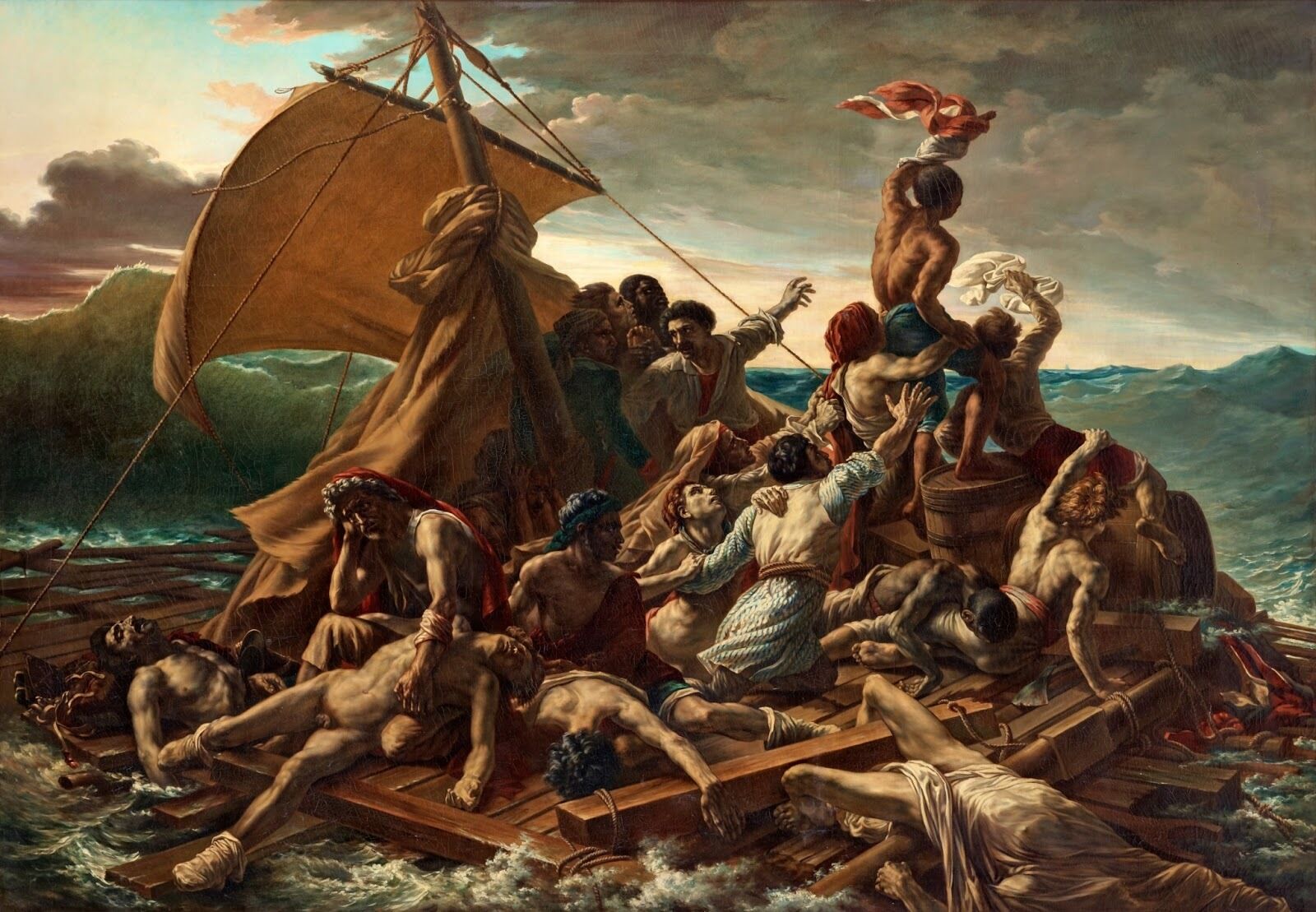
- 17—Modern Art Movement: Realism
Artist-Gustave Courbet
Art movement-The Stonebreakers
Created-1849
Formal analysis- The art movement shows Realism, depicting the laborious, gritty work of two men breaking stones in a harsh, unidealized manner.
Socio-Historical: An art movement that was made during a time of social and political upheaval in France, as industrialization and class divisions were widening, with a rising awareness of worker exploitation.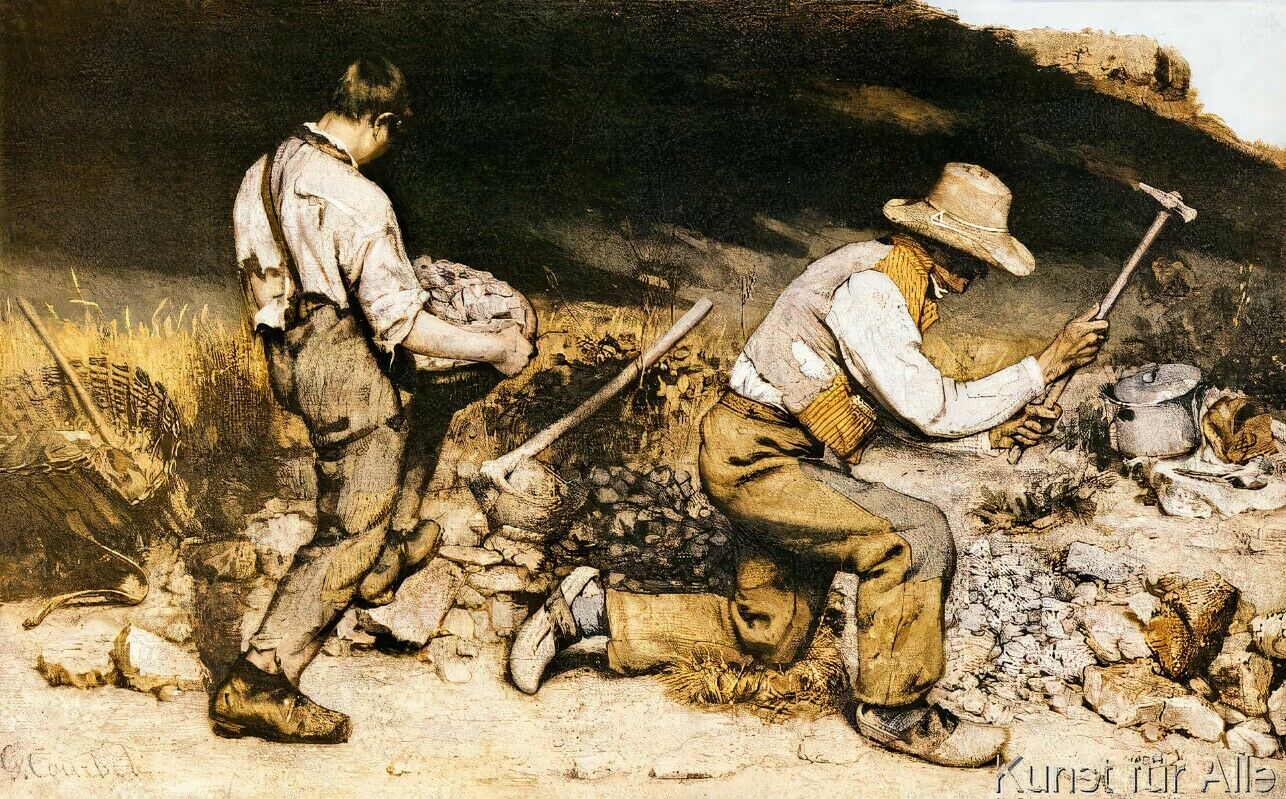
- 18—The Independents/French Impressionism
Artist-Auguste Renoir
Art movement-Le Moulin de la Galette/The Pancake Mill
Created-1876
Formal analysis- The picture shows lots of Impressionism, capturing a lively outdoor picture filled with bright colors, light, and movement. The painting emphasizes the joy and energy of Parisian social life
Socio-Historical: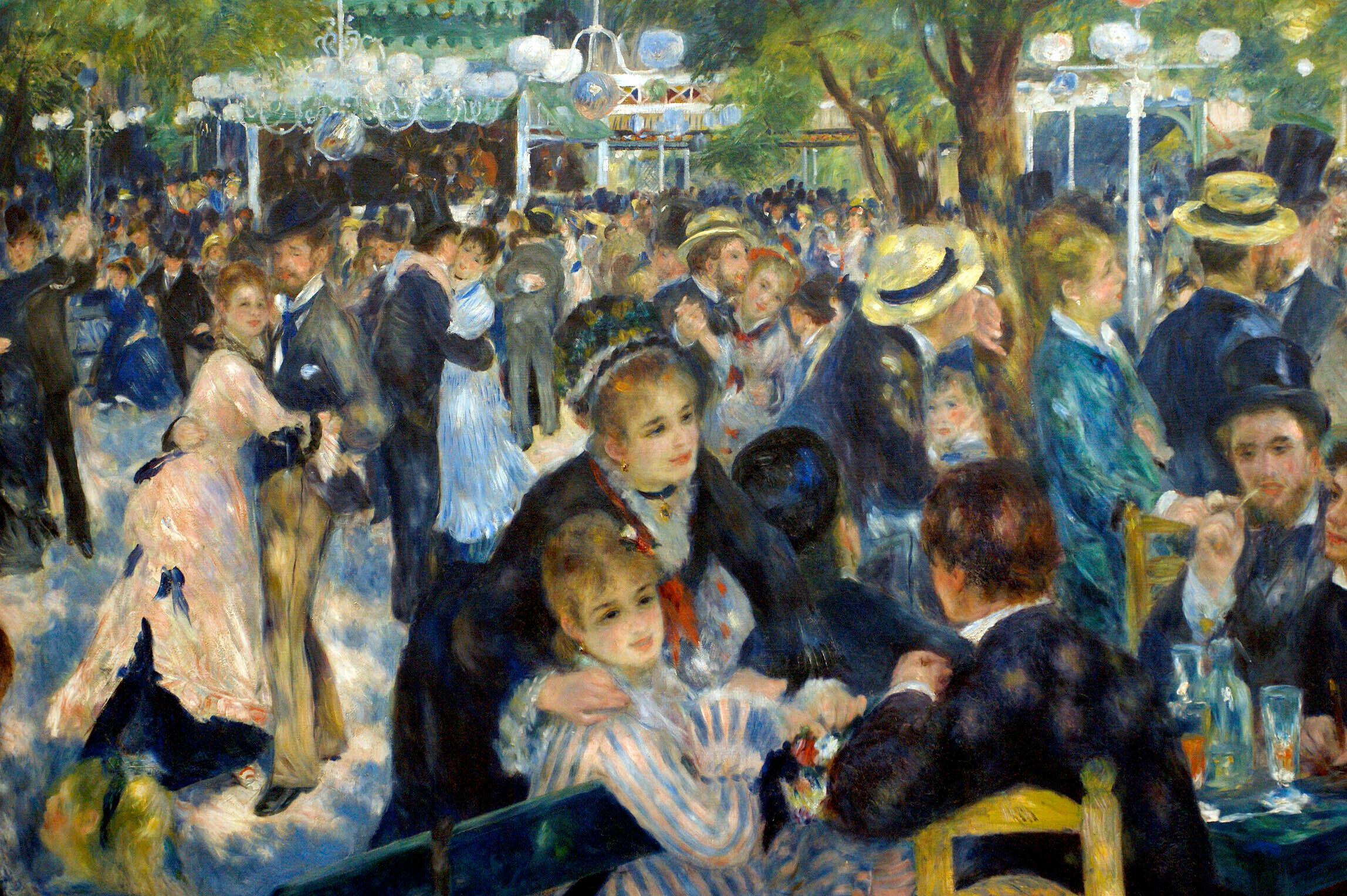
- 19—Post-Impressionism
Artist-Vincent van Gogh
Art Movement- The Starry Night
Created-1889
Formal analysis- The art movement shows a deeply emotional portrayal of the night sky, blending vibrant swirls of color to show a sense of movement and intensity.
Socio-Historical: This was made during a time of personal crisis for Vincent van Gogh who struggled with mental health issues while living in a psychiatric asylum. The painting reflects the growing interest in Expressionism, capturing the artist’s emotional turmoil.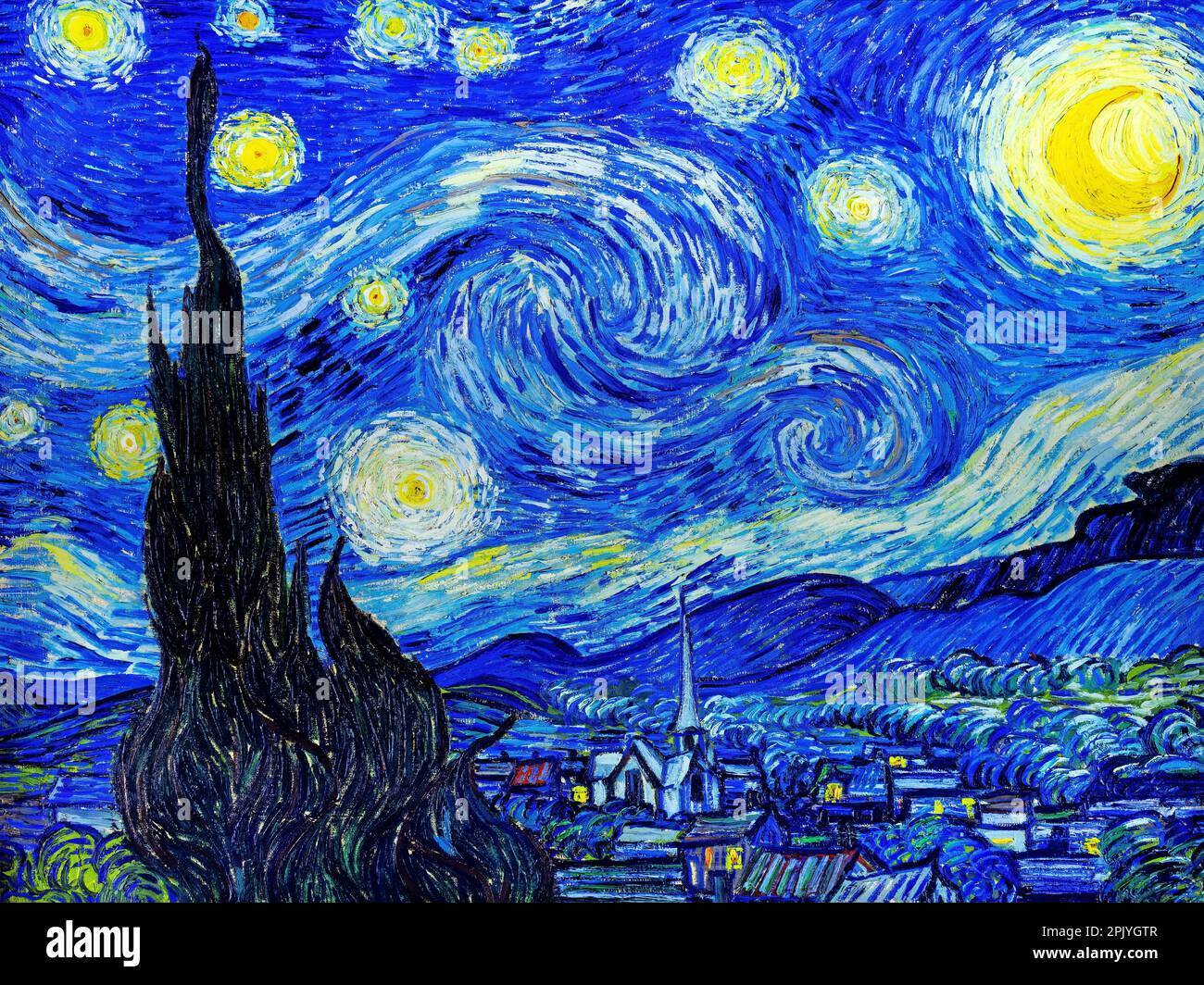
- 20—Post-Impressionism
Artist-Grant Wood
Art movement-American Gothic
Created-1930
Formal analysis- This art movement shows an empty, almost austere portrayal of rural American life, focusing on two figures that embody the values of hard work and stoic resilience
Socio-Historical: During the time of the Great Depression when many Americans faced economic hardship and rural communities were struggling. The piece reflects the era's growing interest in social realism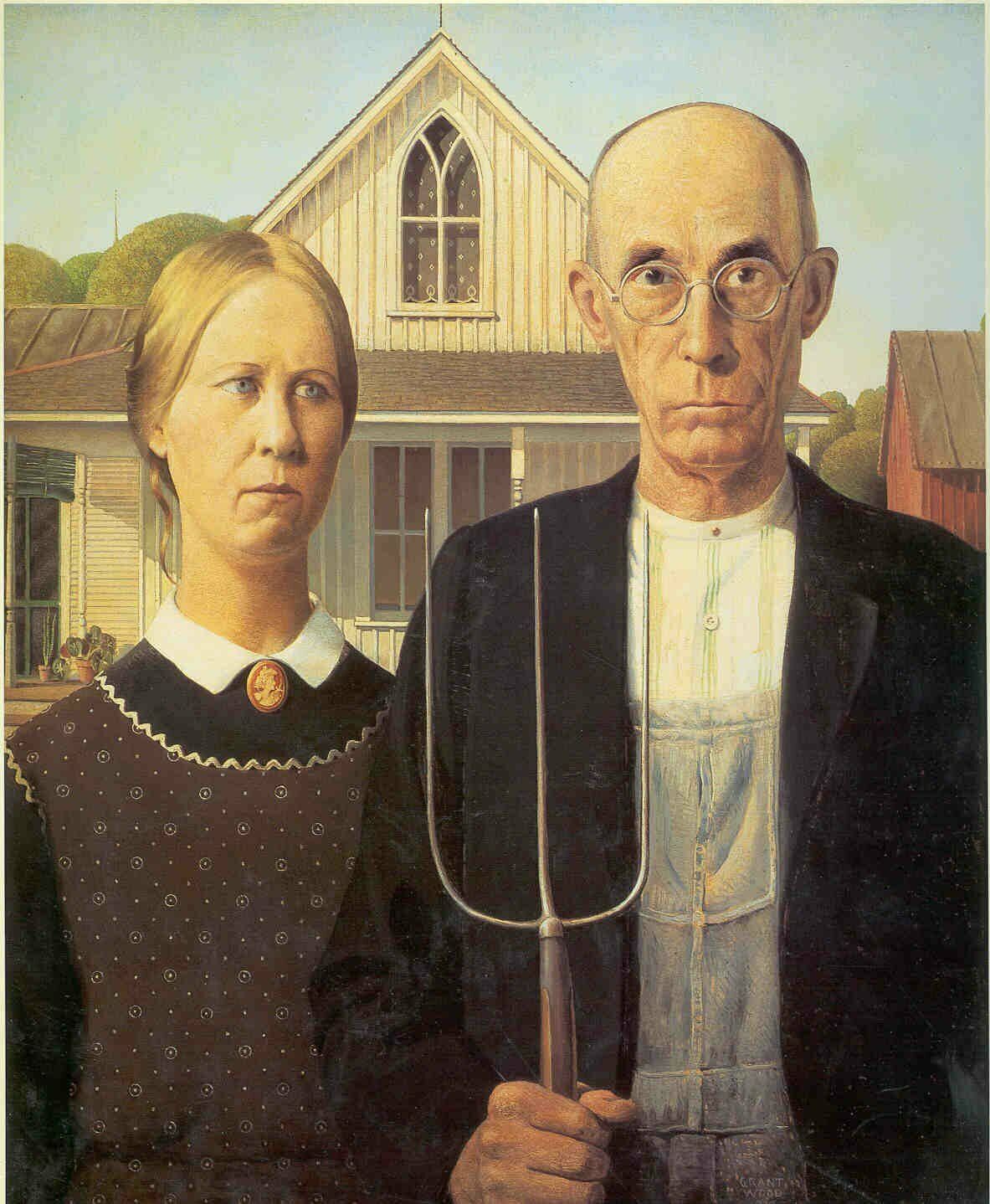
- 21—Minimalism
Artist-Dan Flavin
Art movement-Untitled
Created-1977
Formal analysis- This art movement shows simple light installations to explore the relationship between space, light, and perception.
Socio-Historical: These minimalist light installations emerged during the mid 20th century when the art world was moving away from the emotional intensity of Abstract Expressionism and embracing minimalism.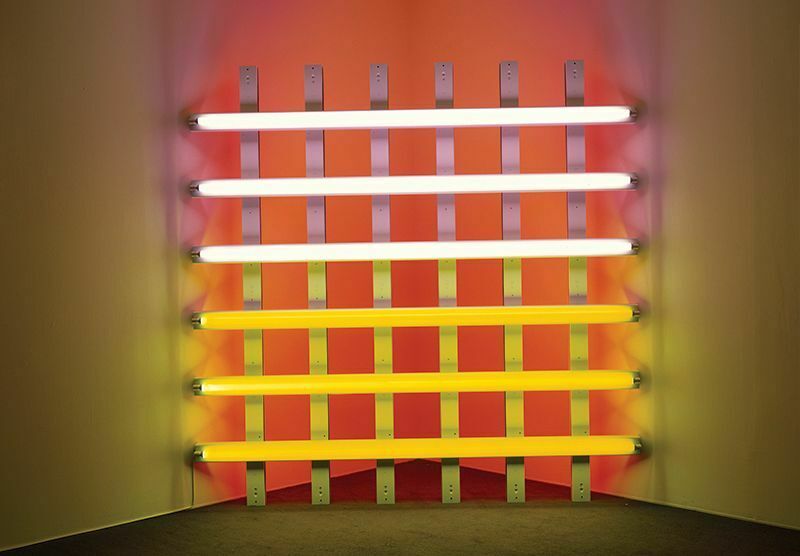
Information
- Description
- Arts Flashcards on Flash Notes, created by Bakir Edwards on 12/03/2025.
- Created by
- Bakir Edwards
- Views
- 0
- Rating