
Flowchart
Timeline
Flowchart content
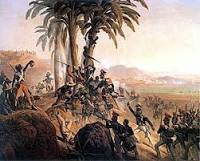
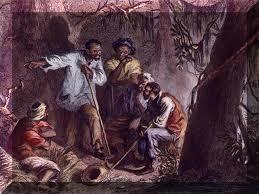
Haitian Revolt
Lasted from August 21, 1791 - January 1, 1804
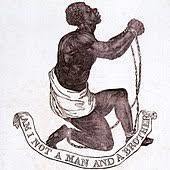
It helped splinter the Atlantic basin into clear zones of freedom and slavery. It shattered the long-standing assumption that African-descended slaves could not be rulers. It marked a powerful break in slavery's history. Thousands of slaves were freed. Free black communities began to emerge.
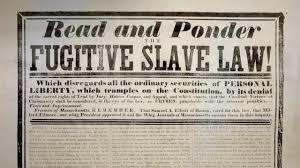
Fugitive Slave Act of 1850
Began in 1850
It enraged abolitionists and increased social tensions. People began to riot and fight. The south was dependent on slave labor, but the north was not as dependent and created a largely urban society.
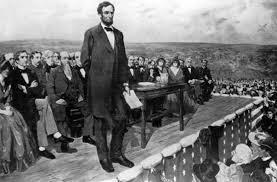
Election of Abraham Lincoln
Took place on November 1860
Southerners were outraged because Abraham Lincoln was working to stop slavery from spreading any farther than it already had. He wrote the Emancipation Proclamation. He was part of the Republican Party, which planned to end slavery. The election led to the Civil War.
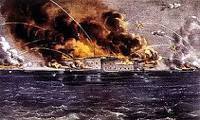
Attack on Fort Sumter
Lasted from April 12, 1861 - April 13, 1861.
It was the battle that led to the Civil War. There were no casualties. The tensions became overwhelming after the battle, which led to the Civil War.
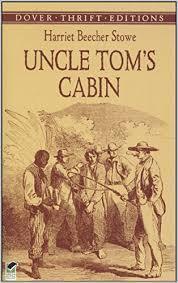
Uncle Tom's Cabin
Published in 1852.
It touched the emotional side of its readers. It encouraged Americans in the north to stop obeying the Fugitive Slave Act of 1850. Southerners were outraged by the book. It increased the stength of anti-slavery attitudes.
Vesey Revolt
Began in 1822.
It threatened lives and property throughout the Carolinas. It represented the discontent that African Americans had with the challenge that westward expansion brought the consensus that was made.
End of International Slave Trade.
Enacted in 1807.
It caused slave-trading to become a capital offense. Many were outraged that they could no longer trade their slaves. There was rioting and fighting.
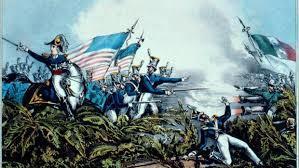
Mexican American War
Lasted from April 25, 1846 - February 2, 1848.
It resulted in the Compromise of 1850. Tensions between the North and the South greatly increased. The South wanted to allow slavery in the new Mexican cession, but the North did not want to permit slavery into new territories. This greatly impacted sectionalism.
Eli Whitney's Cotton Gin
Created in 1794.
It rapidly expanded plantation slavery, leading to more fighting about slaves and slave labor. Although cotton production and purchase rapidly increased, many Americans, including Thomas Jefferson, believed that slavery was a temporary institution and would soon die out.
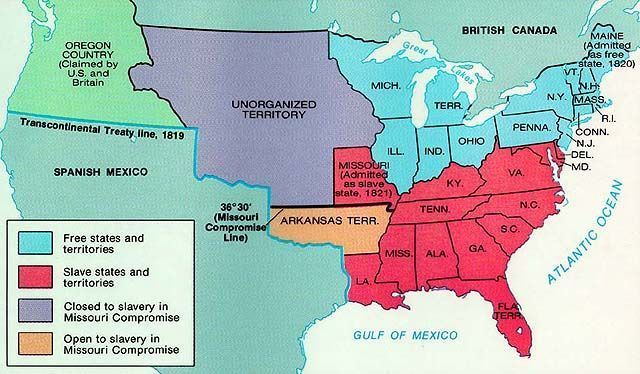
Missouri Crisis
Took place in 1819.
It resulted in the Missouri Compromise. It caused tensions over federal policy between the North and South. The balance of political power between northern and southern states became the focus of public debate. It lead to slavery ending in new territories in the Louisiana Territory, and it ended slavery in Maine.
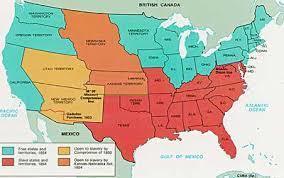
Kansas-Nebraska Act
Passed on May 30, 1854.
It greatly pleased southerners because it allowed the citizens to decide whether or not slavery would be permitted, but it terrified northerners. Northerners realized that the act violated the Missouri Compromise. It led to social and political tensions. It contributed to the Civil War, and it led to Bloody Kansas.
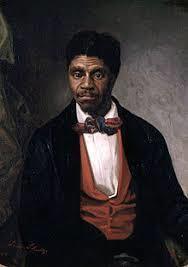
Dred Scott Case
Happened in 1857.
It led to the decision that affirmed the right of slave owners to take their slaves into the Western territories, which severely undermined the platform of the newly formed Republican Party. It also led to bitterness from the south because it negated the doctrine of popular sovereignty.
Second Great Awakening
Began in 1790.
It sharpened political differences by promoting schisms within the major Protestant churches, which also became increasingly sectional in nature. Sectionalism drew on new political parties, new religious organizations, and new reform movements.
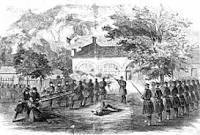
Harper's Ferry Raid
Lasted from October 16, 1859 - October 18, 1859.
It was an attempt to start an armed slave revolt and destroy the institution of slavery. It led to the death of several men on both sides of the battle. It raised the stakes for the 1860 presidential election. The raid helped make any further accommodation between the North and South nearly impossible.
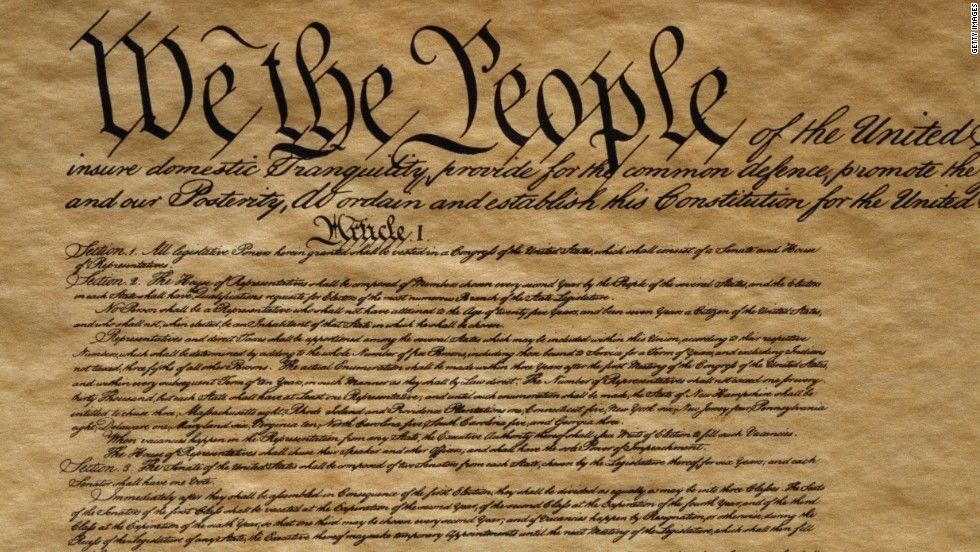
U.S. Constitution
Established on September 17, 1787.
It caused sectionalism, bitterness between the states, and compromises involving slavery and other topics.
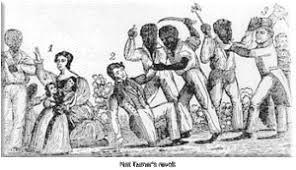
Nat Turner Rebellion
Happened in August 1831.
It lead to the death of nearly sixty white citizens. The insurrection served to increase tensions between the northern and southern United States, which intensified over the following decades. They continued to intensify until they finally culminated into the Civil War.
Cotton Revolution
Lasted from about 1820 to 1860.
It caused many planters and workers to go into massive amounts of debt because they were constantly working against others. It increased the demand and purchase of slaves and slave labor.
Sources
https://www.history.com
http://www.americanyawp.com/text/13-the-sectional-crisis/

Information
- Description
- A timeline of the late 1700s and 1800s.
- Created by
- Kellen Haynes
- Views
- 9
- Rating