
Flowchart
Using Research Instruments
Flowchart content
Using Research Instruments
Questionnaires
Content analysis
Observation
Researching the things people say and do
Interviews
Focus groups
While questionnaires can be very detailed, covering many subjects or issues,they can also be very simple and focus on one important area.
Why use a questionnaire? Why might they be useful?
Interviews have long been used in research as a way of obtain-ing detailed information about a topic or subject.
Types of questionnaire
Design issues and other considerations when using questionnaires.
Draft the interview
The interview development process begins by broadly indicating the questionswhich you’d like to ask. The number, type and format of your questions will beinformed by the level of structure to be imposed on the interview.


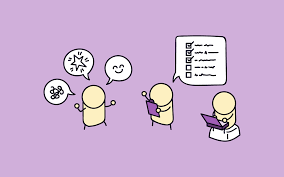
In other chapters we discuss the collection of data through a numberof instruments including questionnaires, interviews and focusgroups. Within these instruments we have also discussed anddetailed the procedures and conventions for recording responses to open-ended questions.
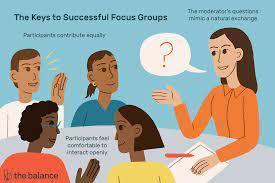
What are focus-group interviews?
Might your research benefit from conducting focus groups?

What is observation?
Merely asking about or reporting the activities people carry out in different socialsettings and situations will no doubt give you a flavour of what is involved
Why choose observation?
The video-camera
This final chapter considers another research instrument you may wish to employin your own research: the video-camera
The video-camera is not intrinsically a research instrument. Neither are its audio-only counterparts, the humble tape-recorder and the more high-tech mini-disc-recorder. None of these was invented as a tool with which to conduct researchand none was designed with the researcher in mind.
Information
- Description
- Ingles Flowchart on Using Research Instruments, created by Fernanda Iglesias mejia on 25/10/2021.
- Created by
- Fernanda Iglesias mejia
- Views
- 3
- Rating