
Mind map
VERTEBRATES
Map content
VERTEBRATES
Characteristics
- Vertebrates are multicellular, eukaryotic, heterotrophic organisms that have a backbone. The backbone, also called the spinal column, is made up of articulated segments of bone known as vertebrae.
- Vertebrates live in a variety of habitats: terrestrial, aquatic and aerial or arboreal
- The body structure of a vertebrate
- A vertebrate’s body has bilateral symmetry and it is generally divided into three parts: head, trunk and tail.
- The body is covered in skin which can have scales, feathers, fur or hair. It can also have different types of associated glands, such as poison glands and mammary glands.
- All vertebrate animals have an internal skeleton made up of a skull and a backbone, to which four limbs are attached.
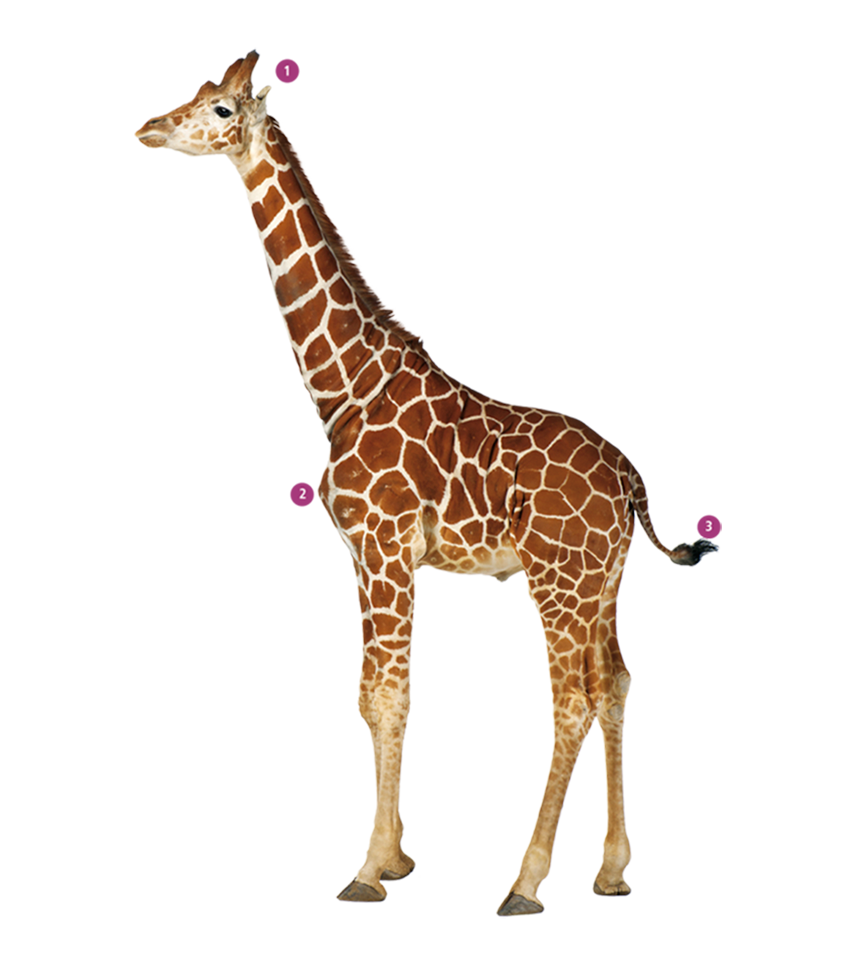
- The body structure
- 1 The head contains the brain and most of the sense organs.
- 2 The trunk has two pairs of jointed limbs which may take the form of legs, wings or fins. In some cases, they may have disappeared completely. The type of limbs limb (n): appendage of an animal such as an arm, leg, wing or fin depends on the way the animal moves and its habitat.
- 3 Some vertebrates have a tail which helps with locomotion.
- 2 The trunk has two pairs of jointed limbs which may take the form of legs, wings or fins. In some cases, they may have disappeared completely. The type of limbs limb (n): appendage of an animal such as an arm, leg, wing or fin depends on the way the animal moves and its habitat.
- 1 The head contains the brain and most of the sense organs.
- REGULATION OF BODY TEMPERATURE
- Fish, amphibians and reptiles are ectotherms (also called cold-blooded animals). They create very lendothermsittle of their own body heat and rely on heat from their environment to regulate their body temperature. Lizards, for example, bask in the sun to regulate their body temperature. Birds and mammals are (also called warm-blooded animals). They maintain a constant internal temperature, regardless of their environment.
Classlfying
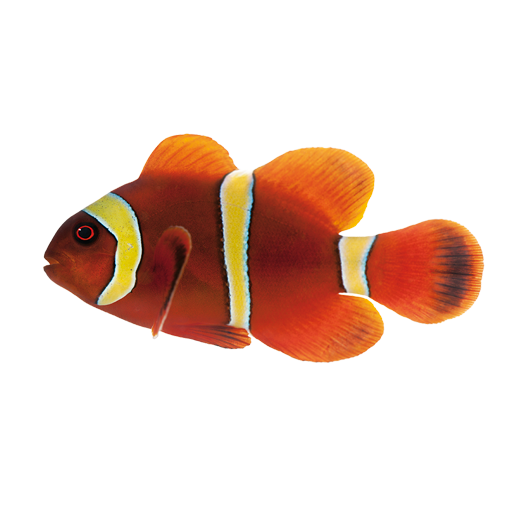
- Fish
- vertebrates with gills, scales and fins
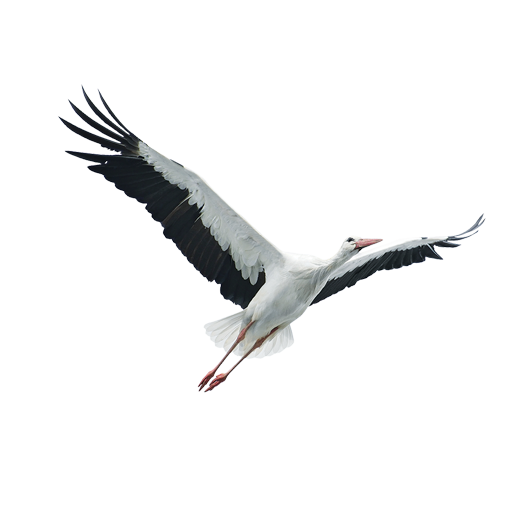
- Birds
- vertebrates with feathers, beaks and wings
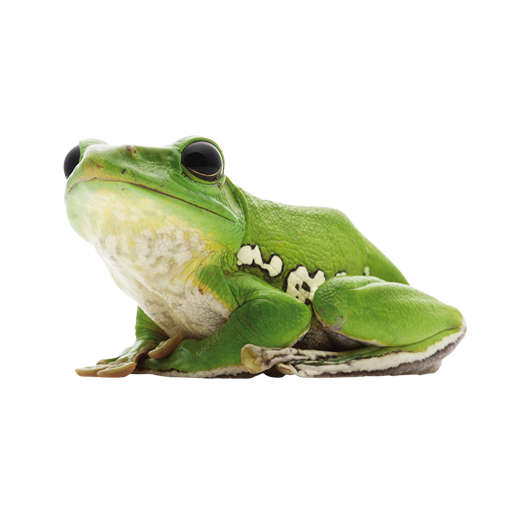
- Amphibians
- vertebrates with a soft skin and four legs
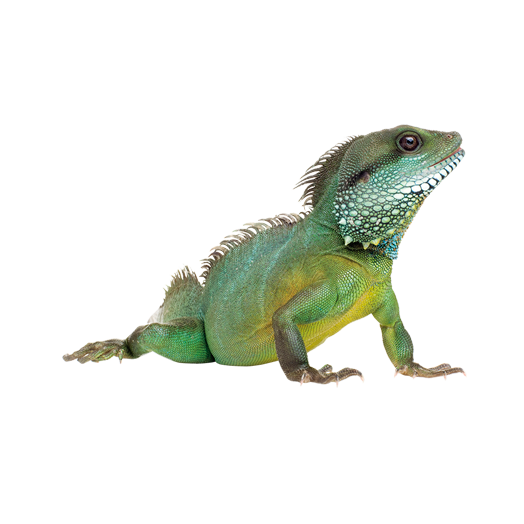
- Reptiles
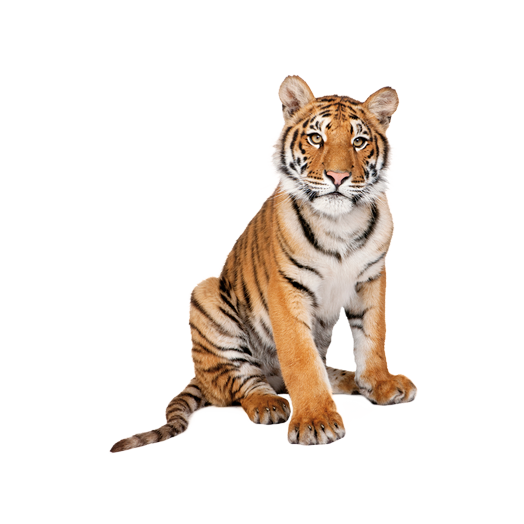
- vertebrates with a hard skin covered in scales and four legs
- Mammals
- ertebrates with four limbs and mammary glands
- Fish
Vital functions
- Nutrition
- Vertebrates have a complete digestive system. There are herbivores, carnivores, omnivores and also filter-feeders (ducks). Vertebrates breathe through gills or lungs, depending on whether they live in water or on land. Some species also breathe through their skin. In some organisms, such as frogs, the larvae breathe through gills, whereas the adults do it through lungs
- Reproduction
- Vertebrates reproduce sexually. sexes (male and female),
- Oviparous
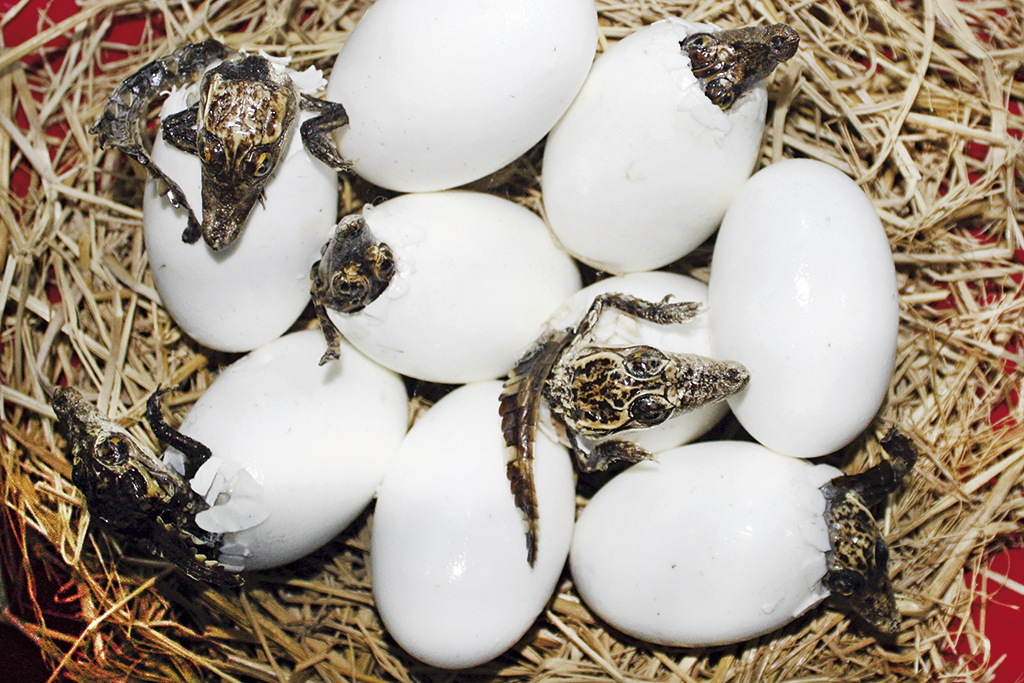
- The female lays eggs in the open environment which reduces the chances of survival for the offspring.
- Viviparous
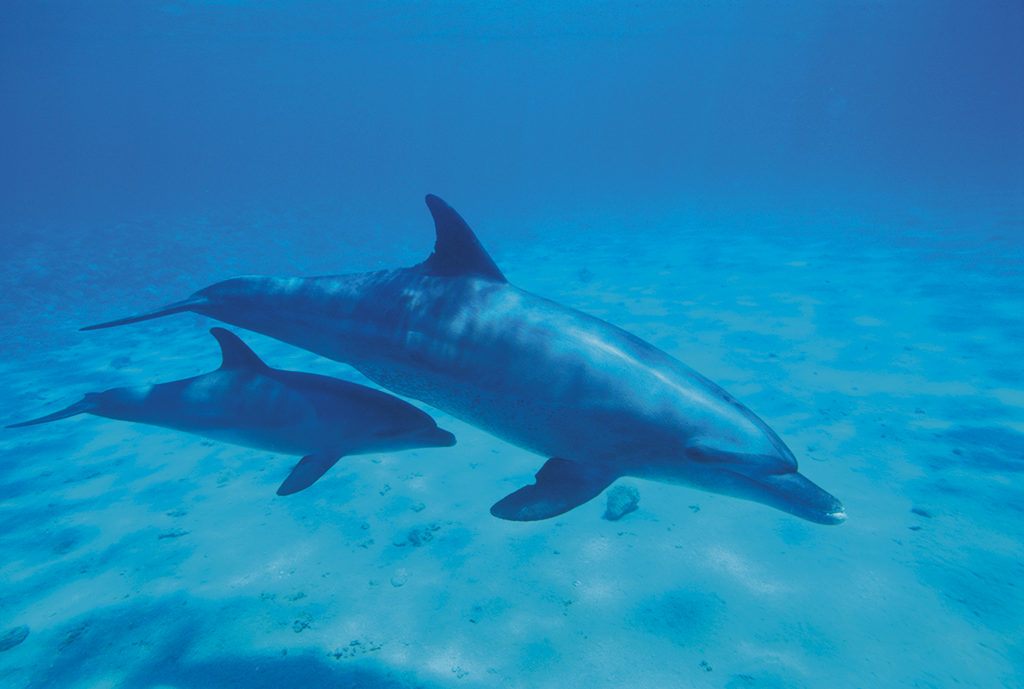
- The protection of the embryo inside the mother’s body increases the chances of survival for the young.
- Ovoviviparous
- the eggs develop inside the mother’s body until they are ready to be hatched.
- Oviparous
- Vertebrates reproduce sexually. sexes (male and female),
- Interaction
- A vertebrate’s nervous system is made up of a spinal cord, which runs along the animal’s back, and a highly developed brain, located in the head. Vertebrates’ sense organs are also highly developed.
- Nutrition
Images and files in the map
Information
- Description
- Mind Map on VERTEBRATES, created by JAIME LABANDA CUESTA on 31/05/2019.
- Created by
- JAIME LABANDA CUESTA
- Views
- 0
- Rating