
Mind map
POLYMERS AND PLASTICS
Map content
POLYMERS AND PLASTICS
Origin
- Natural
- plant-based or animal-based origin
- Synthetic
- mineral-based origin
- Natural
Types of plastics
- Thermoplastics
- They can be heated and moulded more than once.
- PE
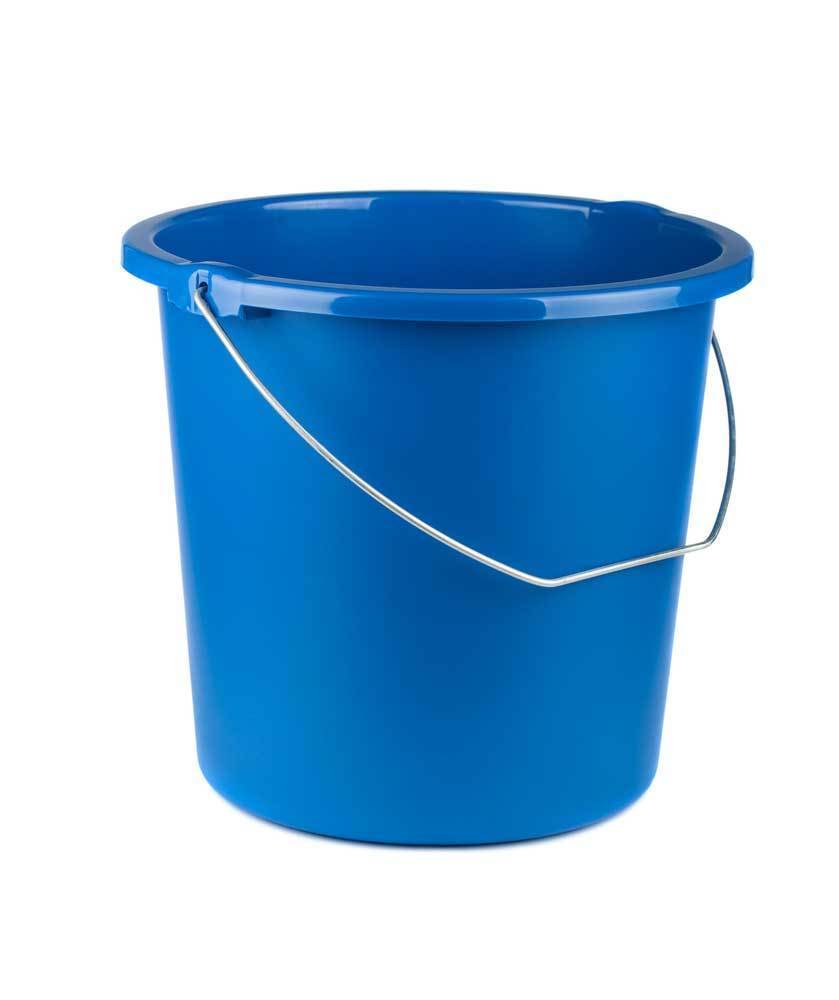
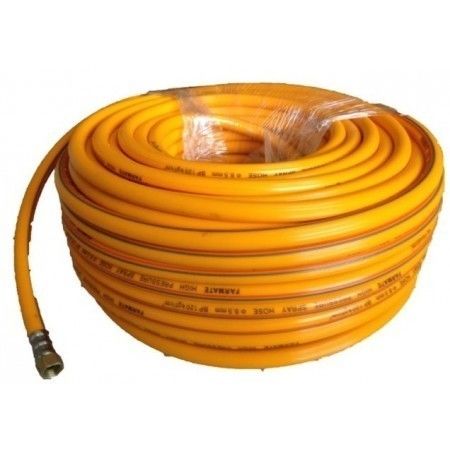
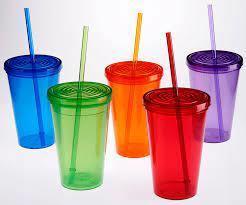
- Polyethylene: it has good chemical resistance, it isn't toxic an it is suitable for food packaging. It is used in buckets, bags, swim goggles, cups, plates, gas hoses...
- PET
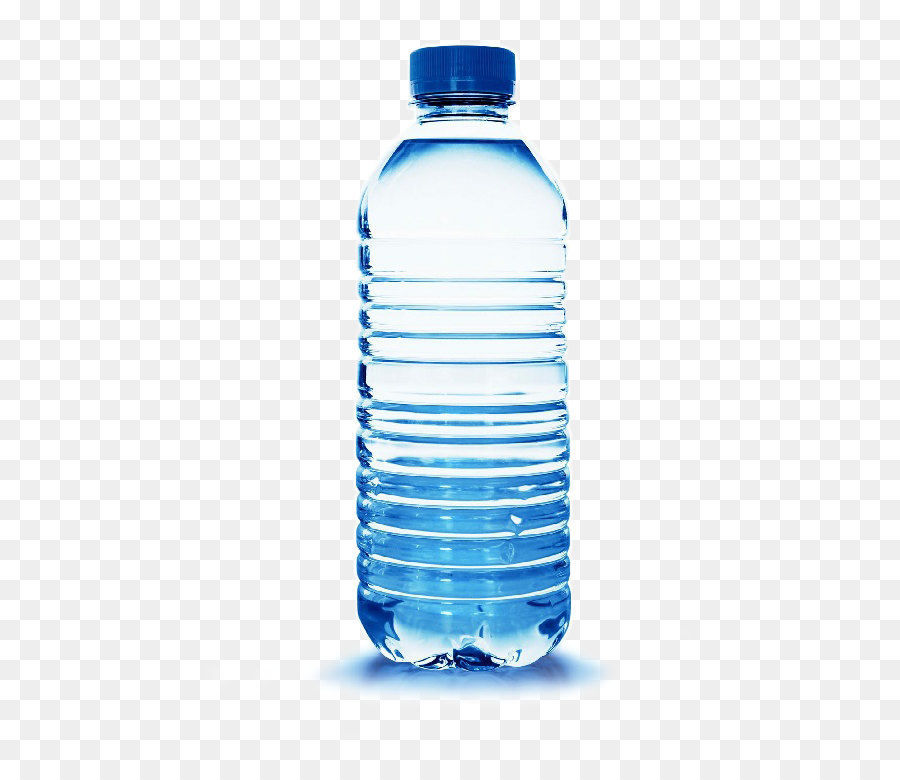
- Polyethylene therephthalate: It is suitable for food use, it is completely recyclable, transparent and easy to dye. It is used in water bottles, soft drink bottles...
- PVC
- Polyvinyl chloride: It is highly resistant to abrasion and impact. It is used in pipes, cable insulation and profiles for doors and windows.
- PS
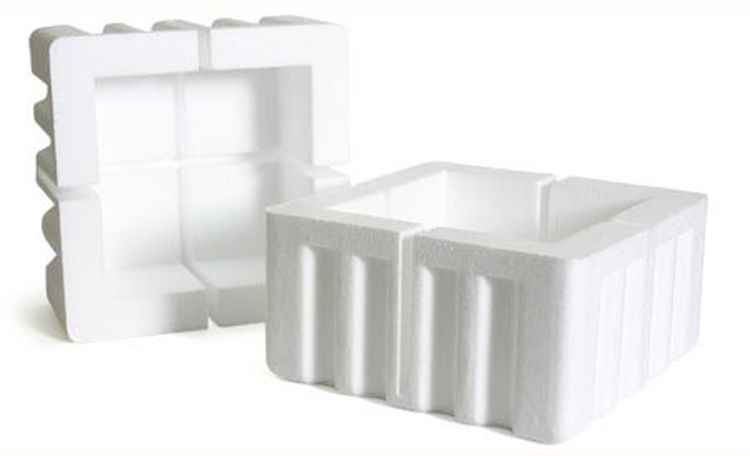
- Polystyrene: It is lightweight and transparent. It is used in egg cartons, food containers, thermal insulation, toys, yoghurt pots...
- PP
- Polypropylene: It is easy to model and dye. It is resistant to solvents and splintering. It is used for ropes, window blinds, fishing nets, folders and file holders, doorstops...
- Teflon
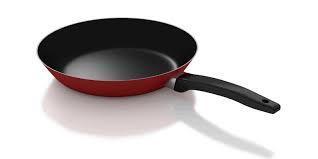
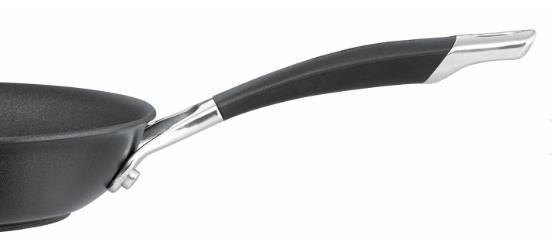
- Highly resistantant to chemicals and high temperatures. It has excellent non-stick properties so it is used to coat frying pans and other kitchen utensils.
- PC
- Polycarbonate: Highly resistantant to impact and heat. It has good optical transparency. It is used in mobile phones.
- Thermostables ot thermosets
- They can only be heated more then one time.
- PF
- Polyphenols: handles for pots and pans, electrical accessories...
- UP
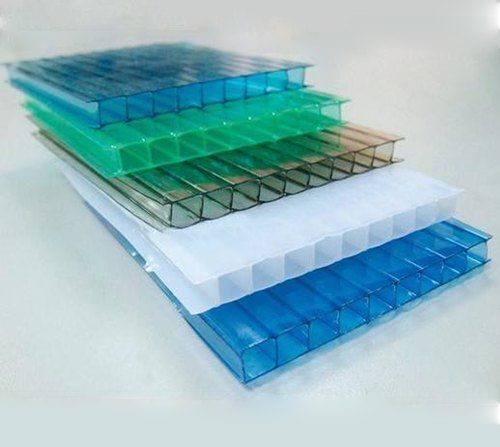
- Polyester resins: It is rigid and brittle. They are usually strengthened with fibreglass. They are used in car bodies, roofing sheets, swimming pools, cases...
- UF
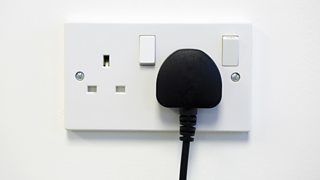
- Urea formaldehyde: electrical accessories.
- Melamine
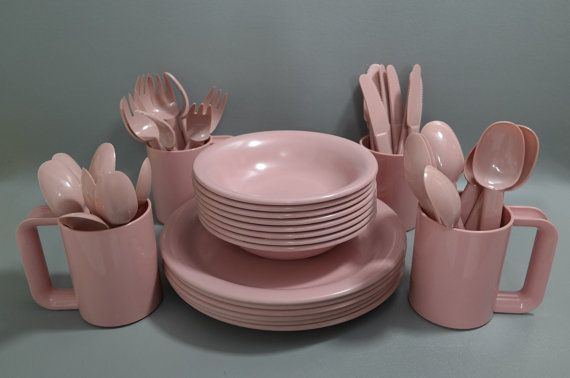
- It is resistant to high temperatures and chemicals;it is easy to clean. It is used as a coating for wooden boards and in the manufacture of kitchen cupboards.
- Bakelite
- It is a hard and brittle, dark plastic that withstands heat very well (but chars and breaks down at very high temperatures). It is used to make handles of kitchen utensils, electricla accessories, plugs, etc.
- Elastomers
- They are very flexible materials that recover their shape and dimensions when external forces stop acting on them. They degrade easily with the heat and cannot be re-melted once they have been formed.
- Neoprene
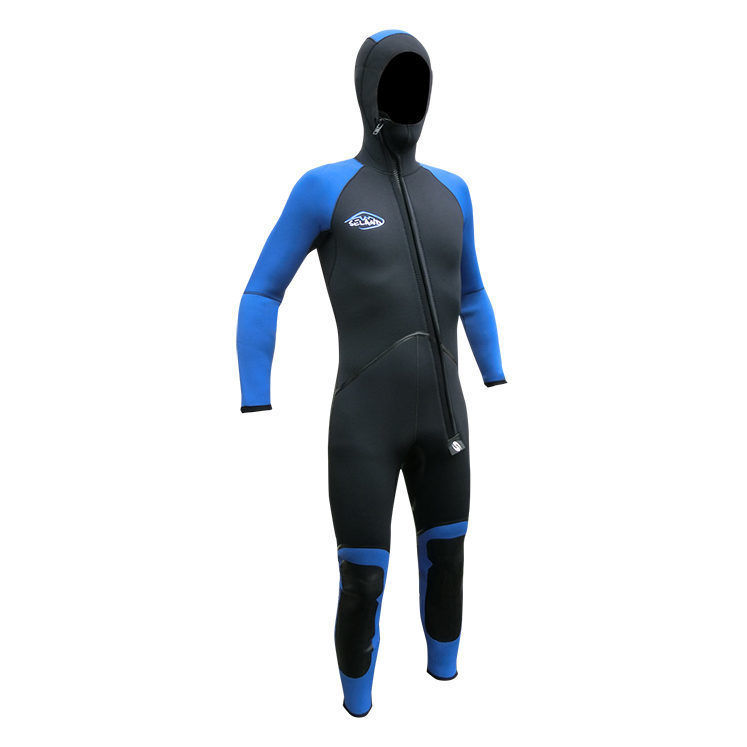
- It is flexible, inswulated and waterproof, so it is ideal for immersion suits.
- Rubber
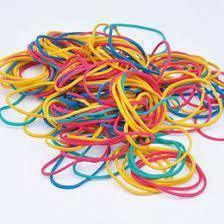
- It can be natural (latex) or synthetic. Because of its elascticity, it is used to maje tyres, hoses, rubber bands, etc.
- Thermoplastics
Properties of plastics
- Mechanical
- - Good resistance to impact - Low resistance to breakage = low tenacity - Plasticity - Elasticity - Toughness
- Chemical
- - Low melting point - Resistant to oxidation - Resistant to moisture
- Physical
- - Low density - Lightweight
- Electrical
- - Electrical insulator
- Thermal
- - Thermal insulator - Low melting point
- Technological
- - Malleability - Flexibility - Acoustic insulator - Waterproof - Fusibility
- Mechanical
Techniques when working with plastics
- Marking
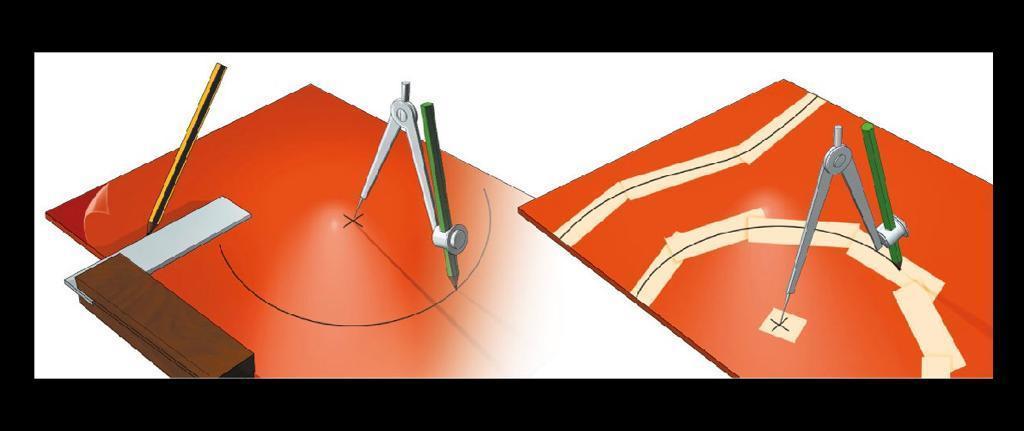
- It is important to protect the plastic if it's not already protected.
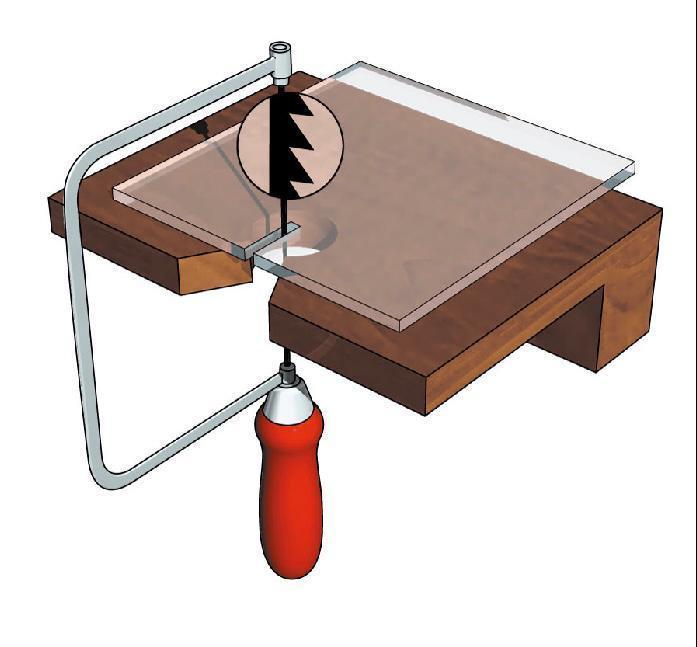
- Cutting
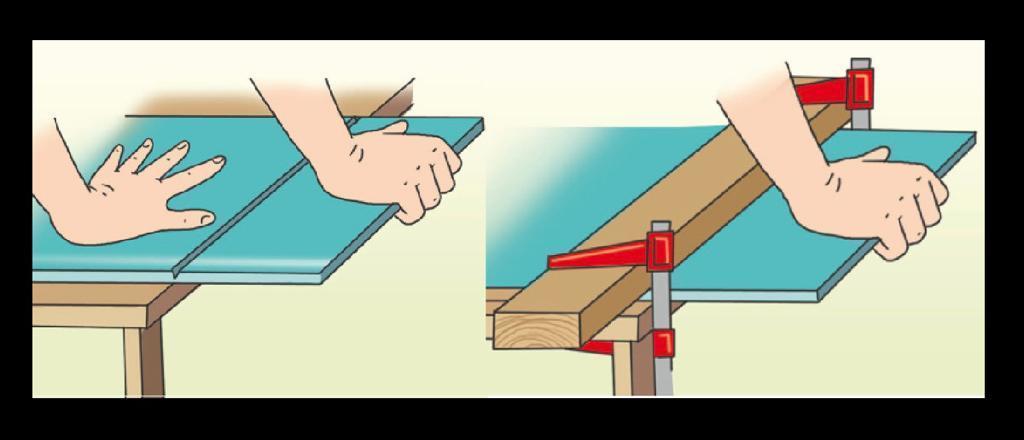
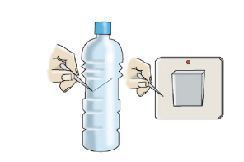
- When the sheets are thin, they can be cut with a cutter or by using the procedure shown in the figure.
- Joining by adhesion
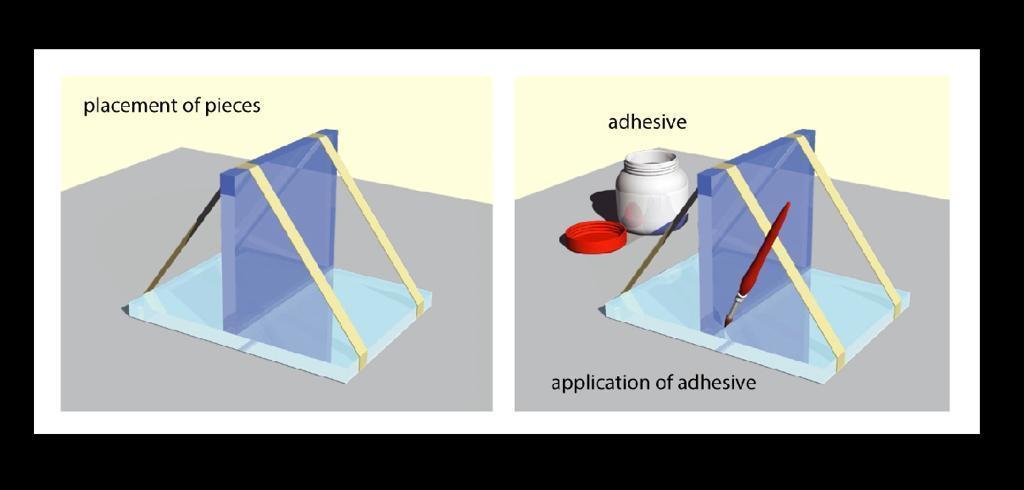
- Special adhesives are used for the various types of plastics.
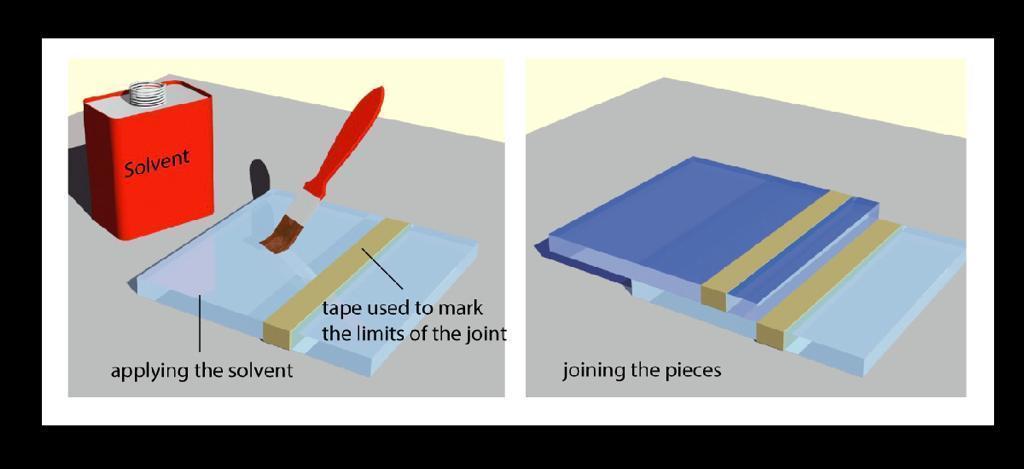
- Joining by cohesion
- Two pieces of plastic are fused together by heating them or using solvents.
- Mechanical joining
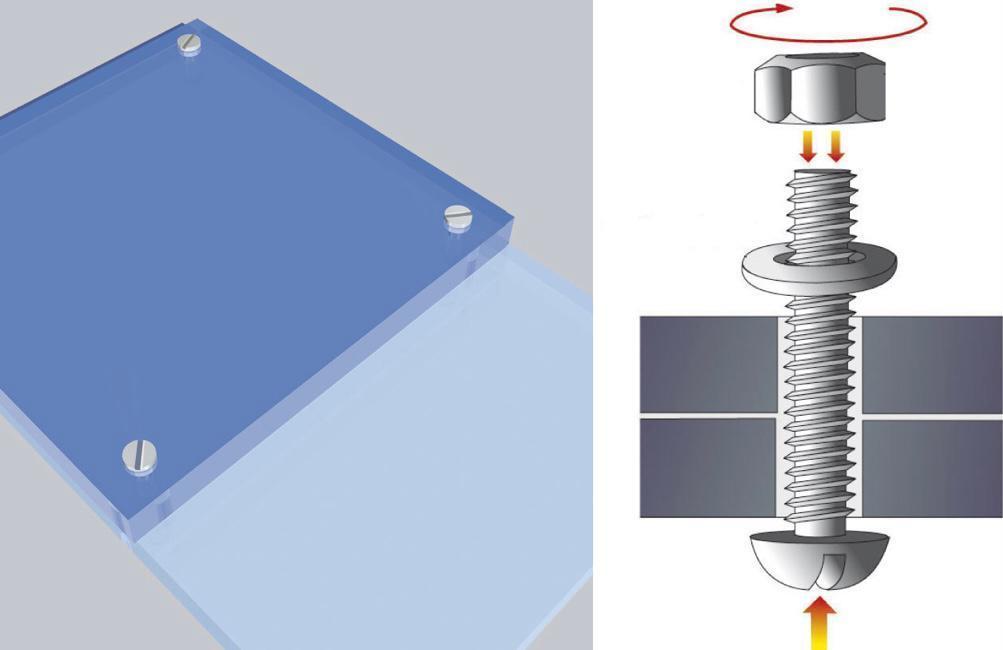
- Pieces such as rivets, screws, nuts and bolts are used.
- Sawing
- With thicker sheets, cuts must be made with a saw, just as with wood or metal.
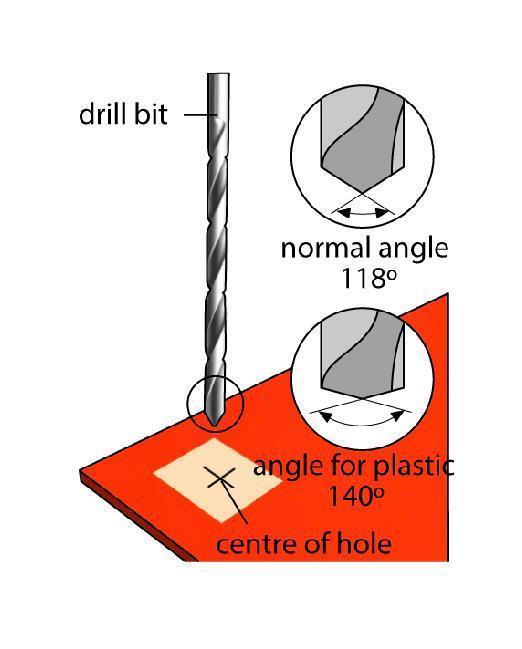
- Drilling
- When the diameter of the hole is more than 6mm, it is a good idea to perform the operation in two or three steps.
- Marking
Ways of forming plastics
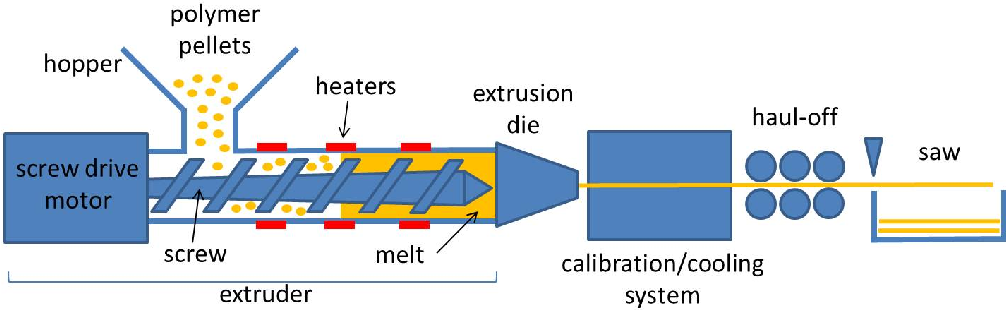
- Extrusion
- This procedure is used with thermoplastics to obtain long products (pipes, profiles,etc.). The plastic material is poured through a hopper on to a rotating worm. As the worm turns, it pushes the plastic through a ht tube, where it is melted. It comes out of the tube in the shape of the nozzle of the extruder. Ther product is then cooled.
- Injection moulding
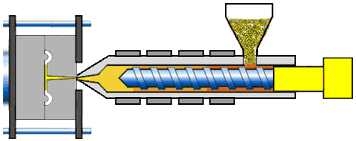
- The melted plastic is injected into a cold mould, where it solidifies. Once it is ccooled, the mould is opened and the object is removed. This method is used to make casings for kitchen appliances, toys, buckets, bowls, etc.
- Compression moulding
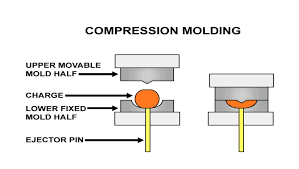
- This procedure is used with thermoset plastics. The plastic is placed between a mould and a counter mould. Using pressure and heat, the plastic is melted and adopts the desired shape. This method is used to form small parts such as plugs.
- Blow moulding
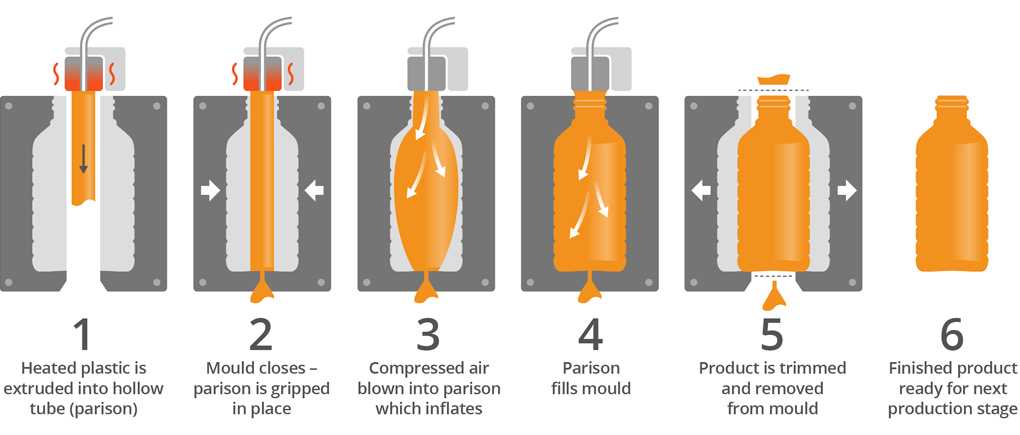
- This procedure starts with a tube that has been formed by extrusion. Air is blown inside the tube until it dilates and adopts the shape of the mould. Blow moulding is used to form bottles, toys and hollow objects.
- Vacuum forming
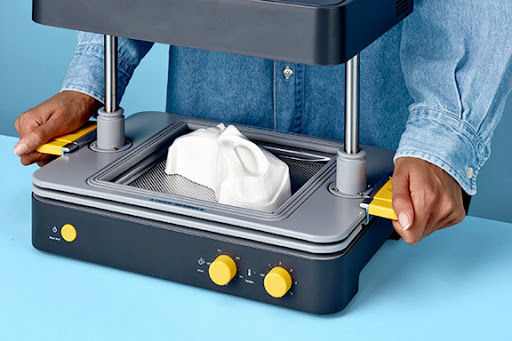
- This procedure is used with thermoplastic sheets that are heated and placed on a mould. The vacuum is then turned on, which forces the sheet adapt to the shape of the mould. This method is used to make yoghurt pots, egg cups, layers for boxes of chocolates, etc.
- Extrusion
Identifying plastics
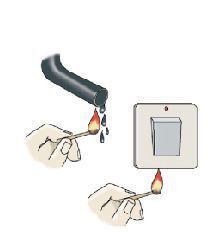
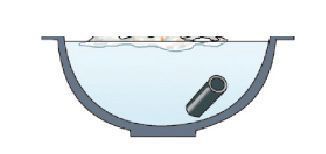
- -Harder plastics are more difficult to scratch. -To test density, a piece of plastic can simply be placed in a container of water. -Other properties can be checked by burning and observing the flame to check if it melts or not.
Images and files in the map


Information
- Description
- 3º de ESO Tecnología Mind Map on POLYMERS AND PLASTICS, created by Maria Fernandez on 14/05/2021.
- Created by
- Maria Fernandez
- Views
- 3
- Rating