
Mind map
VERTEBRATES 4B 2- Alejandro
Map content
VERTEBRATES 4B 2- Alejandro
MAMMALS
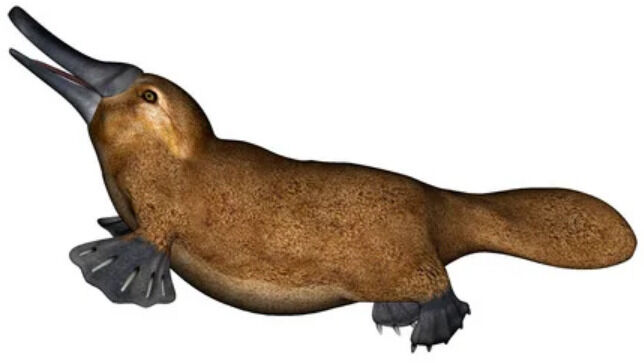
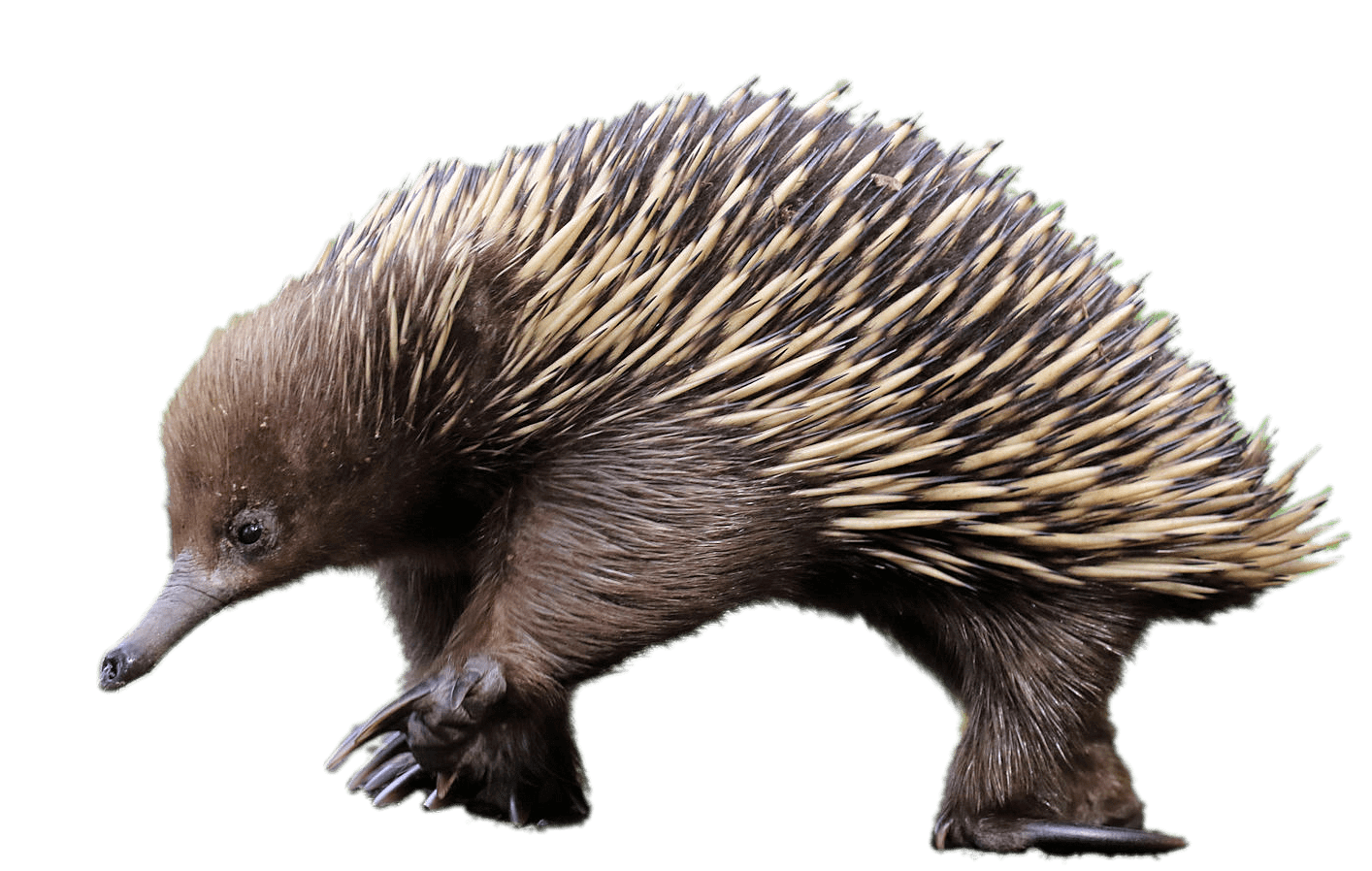
- MONOTREMES/MONOTREMAS
- playtypus/ormitorrinco
- The face is covered by a leathery skin sheath.
- esquinda
- Teeth are atrophied or missing.
- MARSUOIAS / MARSUPIALES
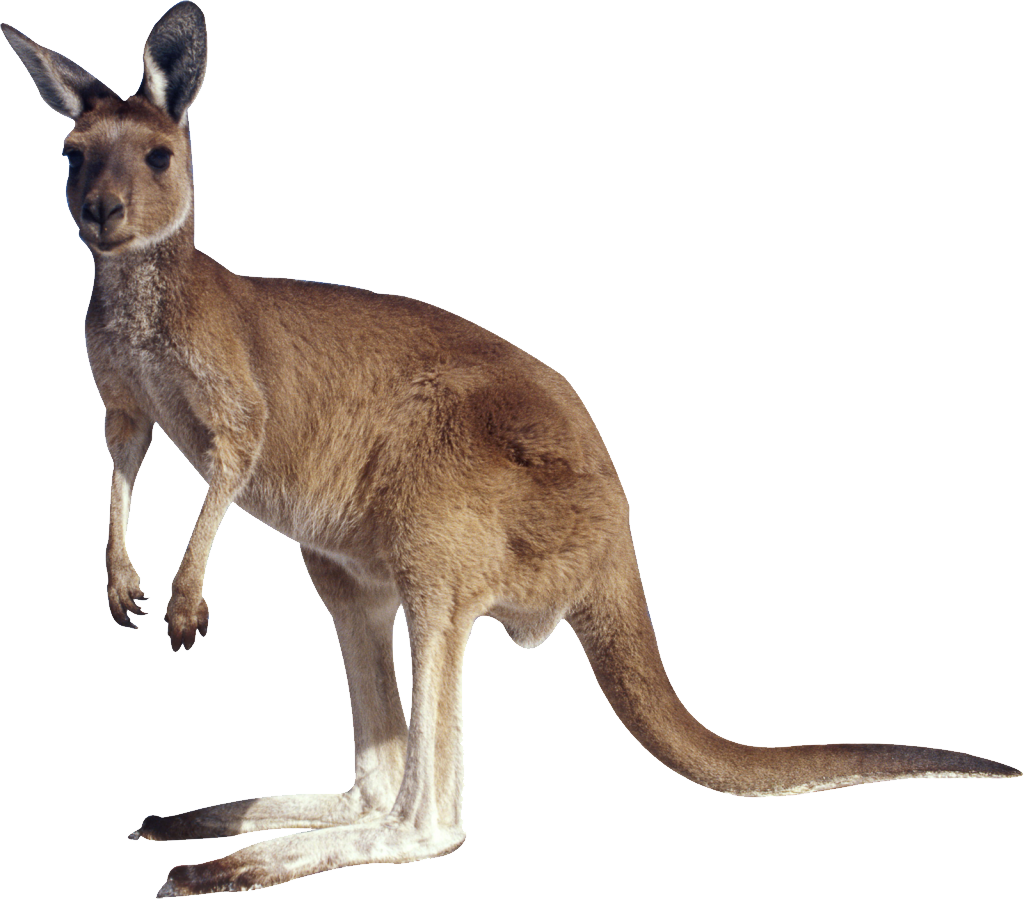
- kagaroo/CANGURO
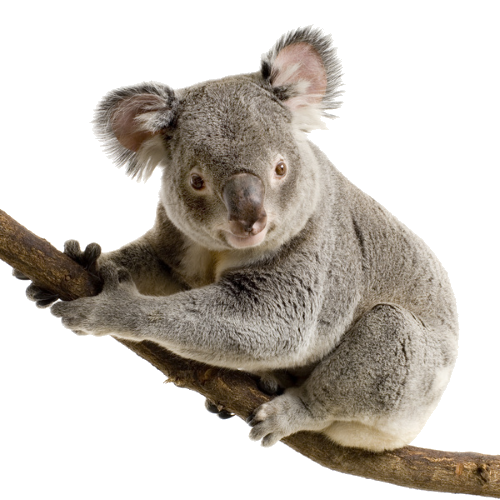
- Marsupials (Marsupialia) are an infraclass of mammals.
- KOALA
- They are characterized by a short development in the uterus and complete much of the growth attached to the mammary glands inside of the marsupial bag or marsupium.
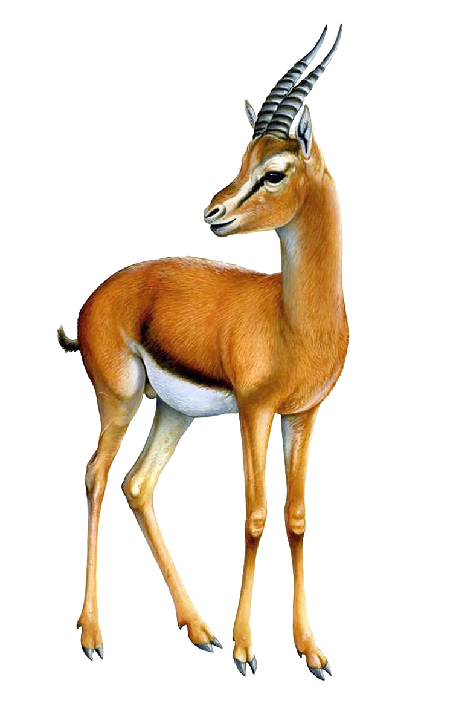
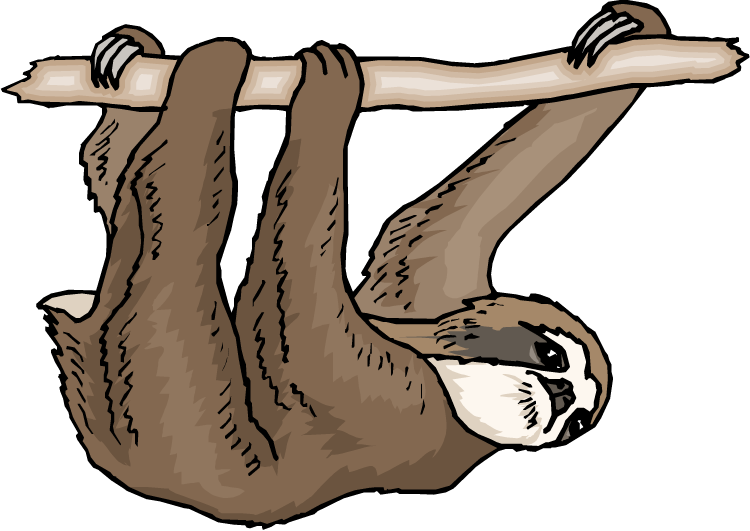
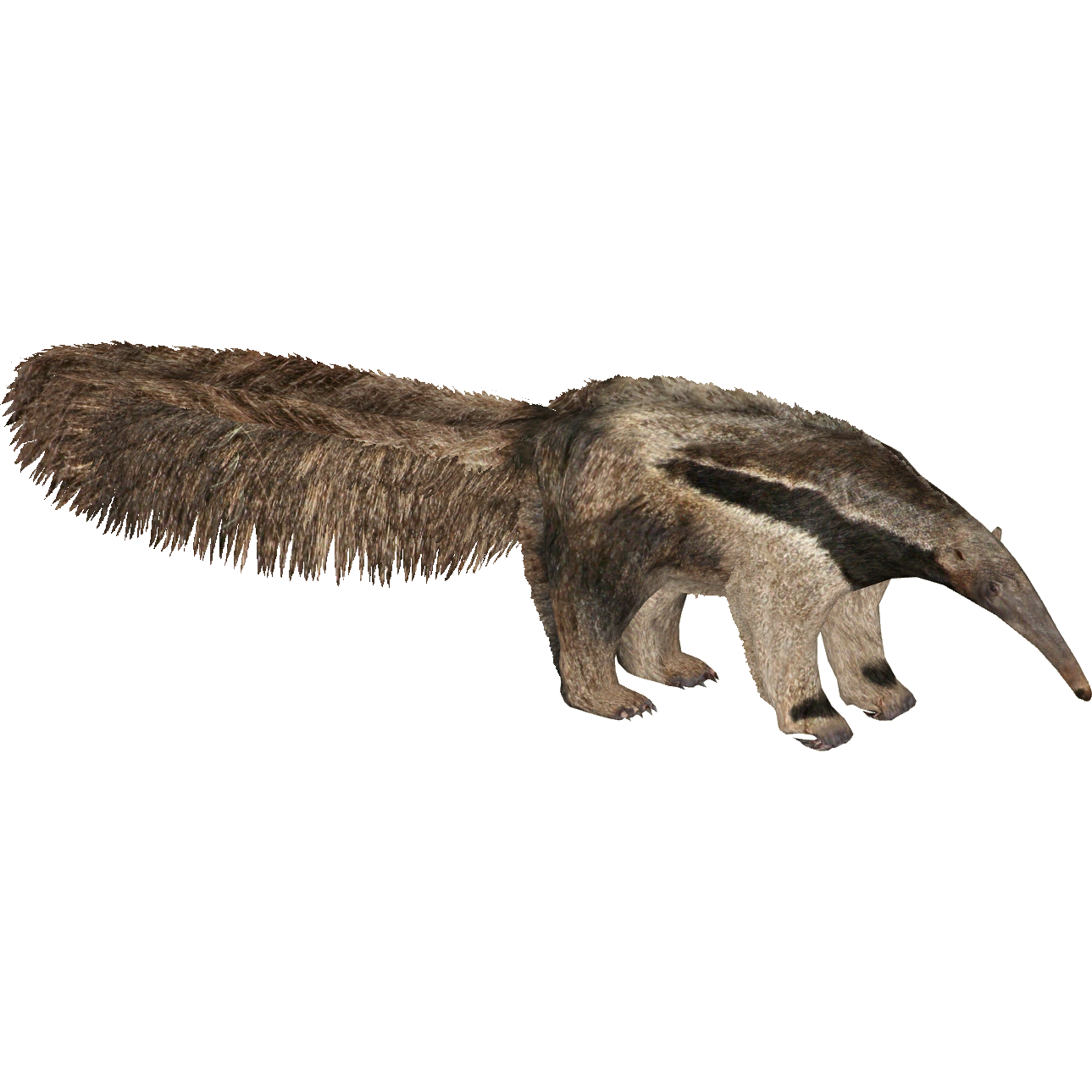
- PLACENTAILS / PLACENTEROS
- lazy / perezoso
- Placentals are viviparous mammals in which the embryo develops inside the maternal uterus for a long time.
- fed by an allantoic placenta. There is no marsupial pouch in them, nor are there any epipubic bones.
- gacelle / gacela
- anteater / oso hormiguero
- MAMMALS HAVE 3 MIDDLE EAR BONES that helps give them good hearnig
- THEY HAVE WARM BLOODE
- MAMALS HAVE VODY HAIR THATH PROTECT FROM COLD AND SUN
- FEMALES HAVE MILK TO FEED THEIR YOUNG
- MAMMALS TAKE CARE OF THEIR YOUNG
- MONOTREMES/MONOTREMAS
BIRDS
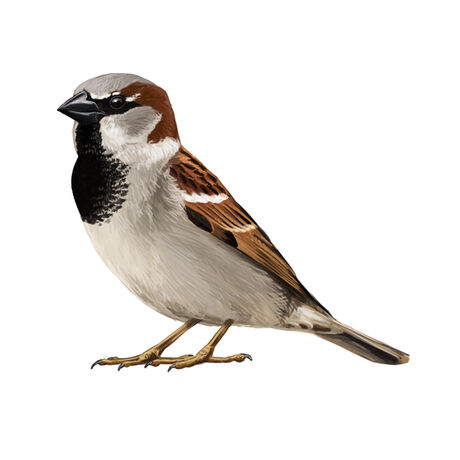
- PASSEFORMES / paseriformes
- sparrow / górrion
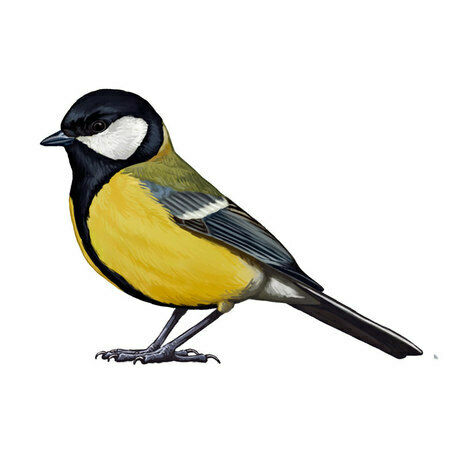
- chickadee bird / pájaro carbonero
- They present a soft, abundant plumage and of diverse colors.
- They are agile and lively. They have a 'syrinx' controlled by a complex muscular system, which allows them to modulate songs and trills, some of which are very harmonious.
- galliformes / galliformes
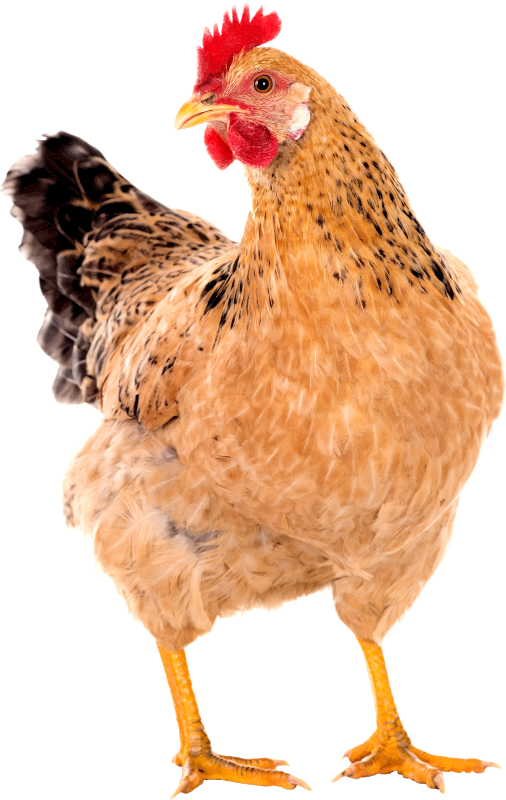
- chicken / gallina
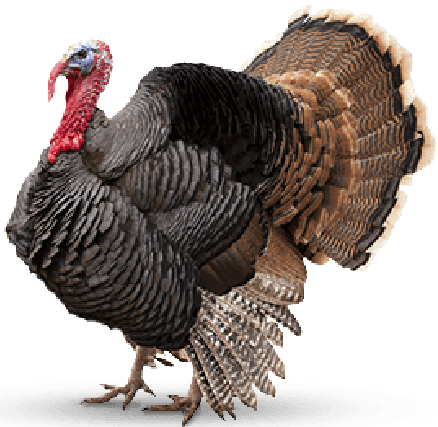
- turkey / pavo
- they have wins
- they lay eggs
- their moder toothle breaks
- warm-blood animals
- they live flying
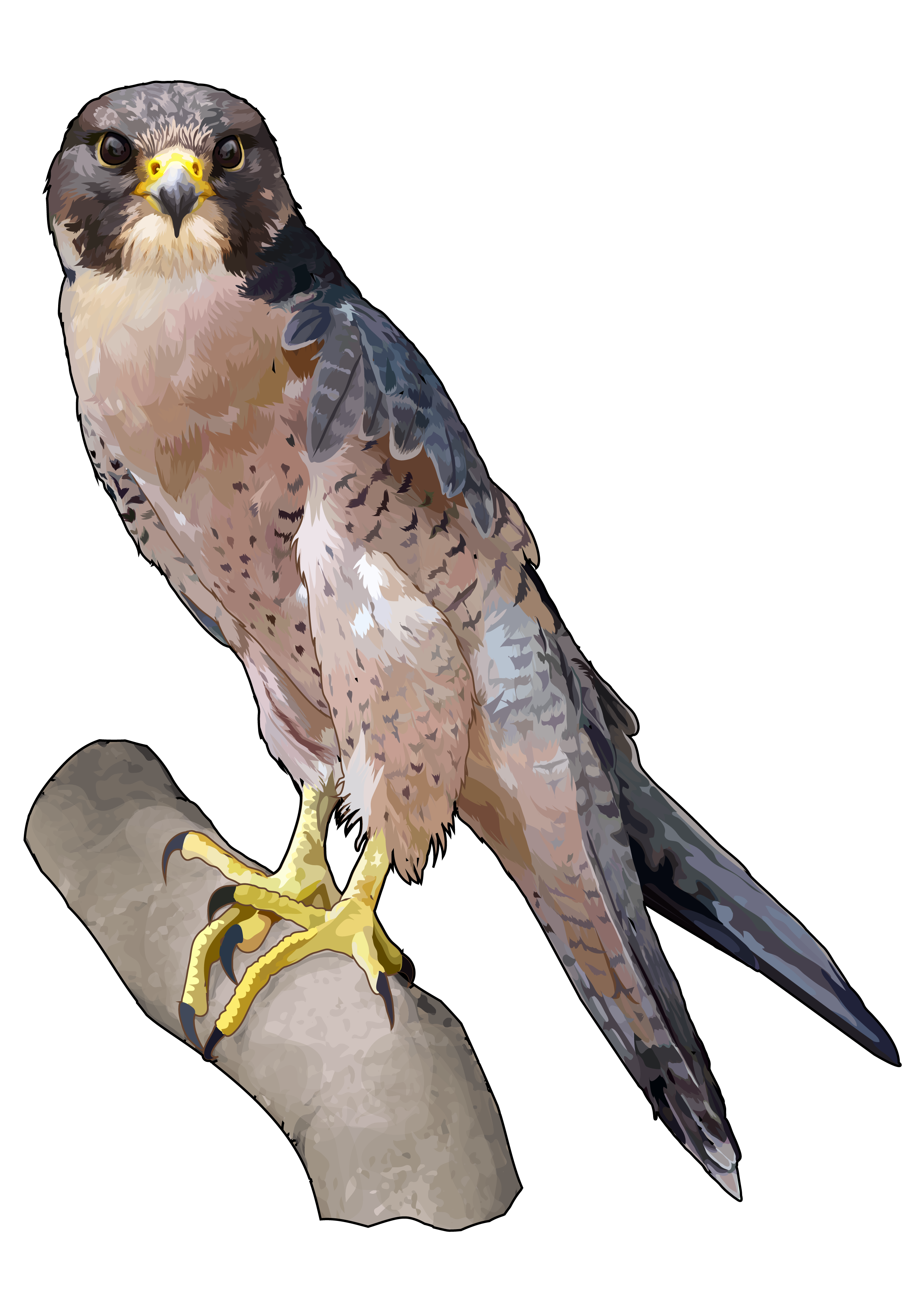
- falconiformes / falconiformes
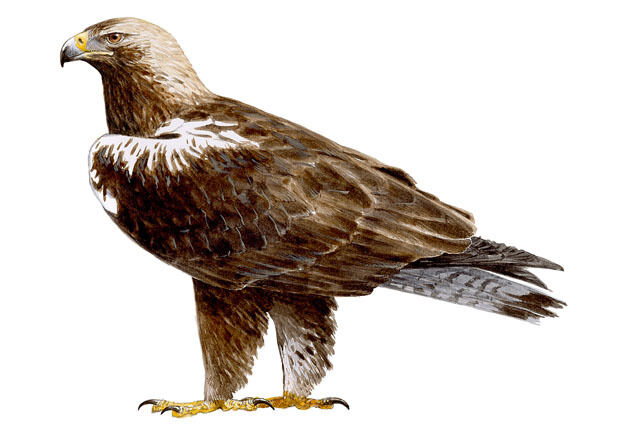
- eagle / aguila
- hawk / halcon
- Eggs are always dotted
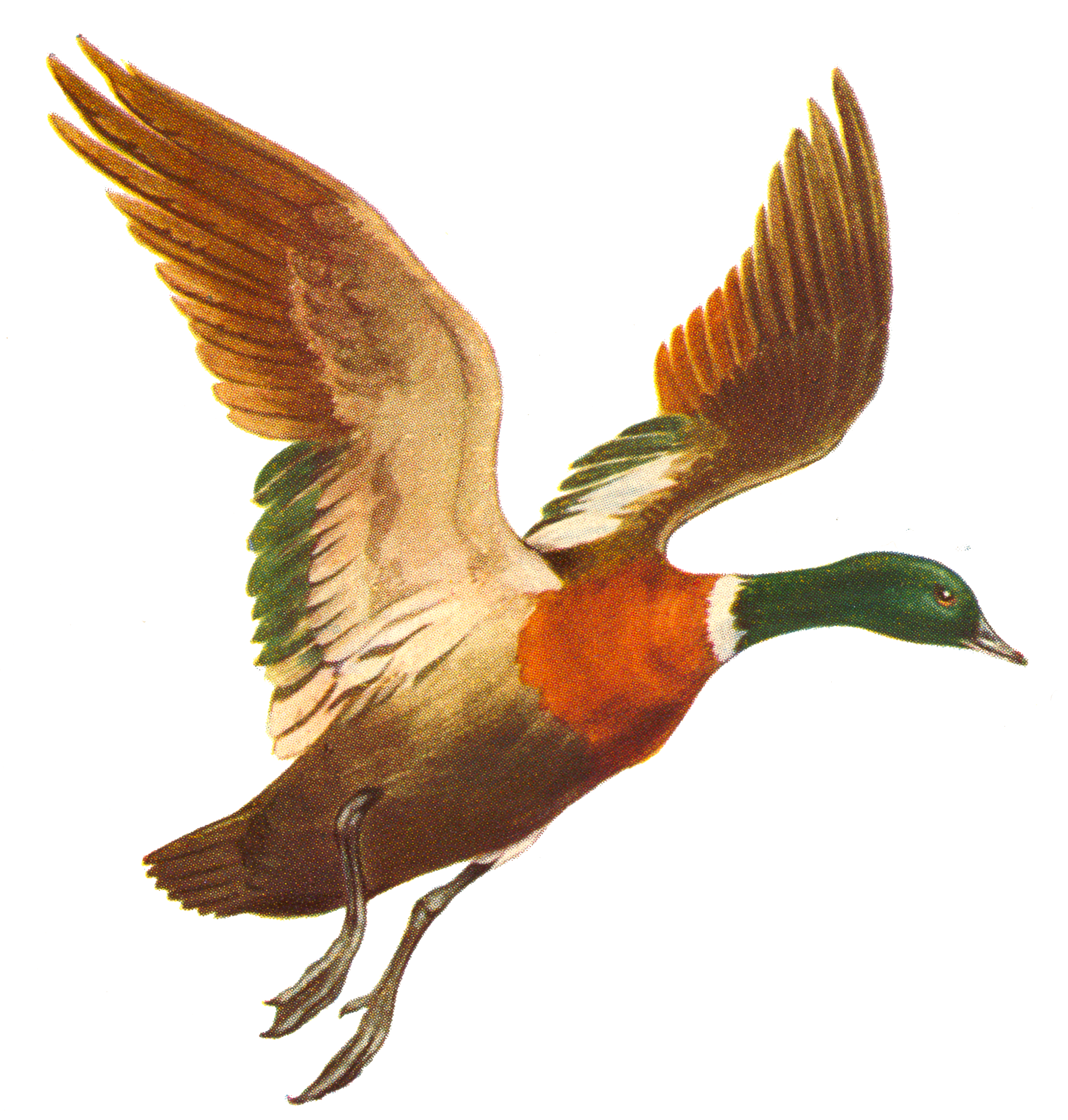
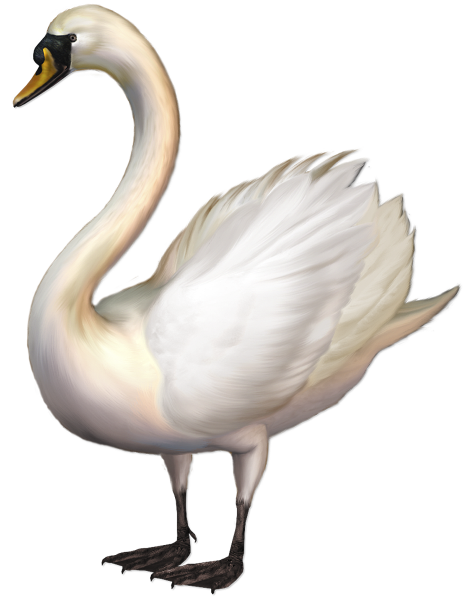
- anseriformes / anseriformes
- swan / cisne
- duck / pato
- Birds of this order have a series of transverse horny lamellae on the inner edge of the jaws
- PASSEFORMES / paseriformes
REPTILES
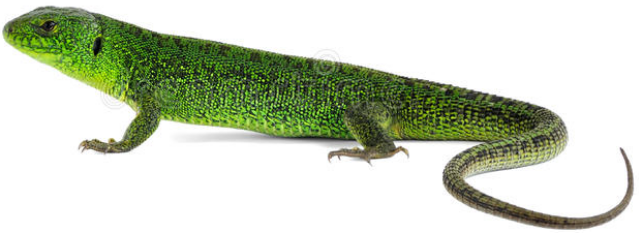
- lizard / lagartiga
- lizard / lagartiga
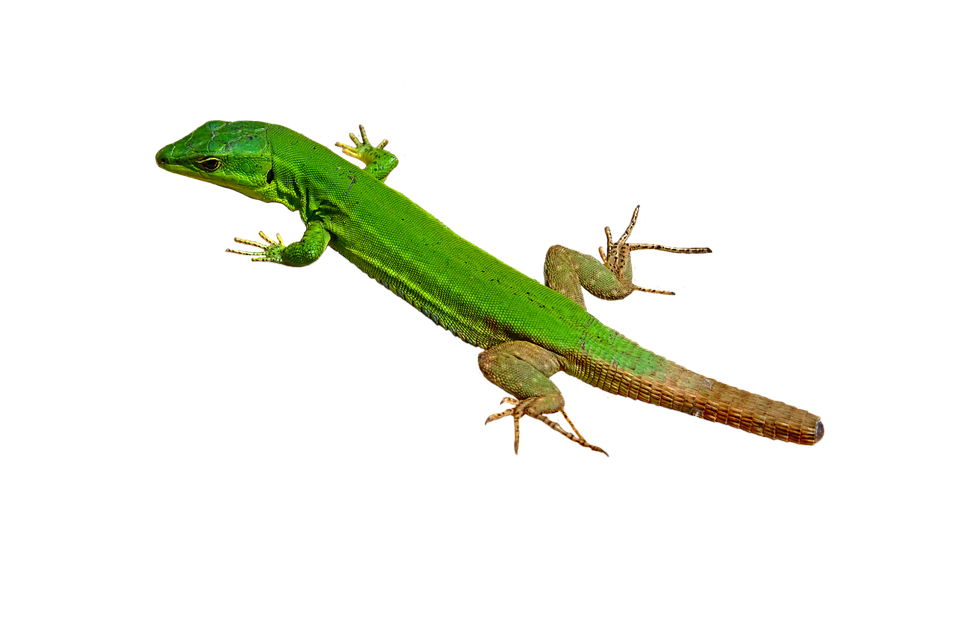
- Green lizard / lagarto verde
- It has an oval head, a large mouth full of sharp teeth, a prolonging body, four short and thin legs and skin covered with scale-like lamellae.
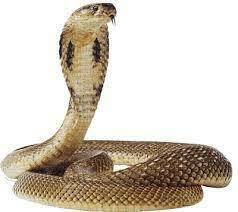
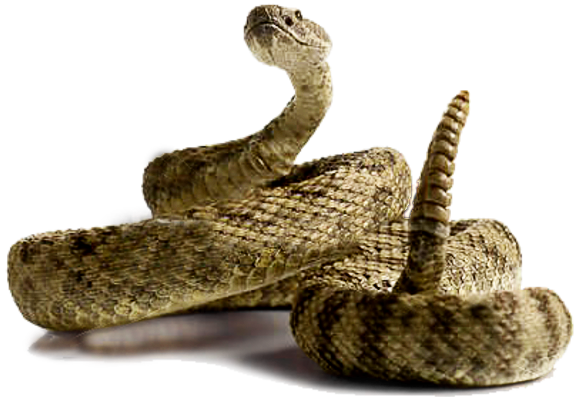
- snakes / ofidos
- bobra / cobra
- rattlesnake
- Snakes are a type of reptile that is characterized mainly by the lack of legs.
- Generally, reptiles have their bodies covered in dry skin made up of scales, breathe through lungs, and are cold-blooded. In other words, their body temperature varies depending on the weather conditions. Most are oviparous: they reproduce by means of eggs that fertilize in the nest.
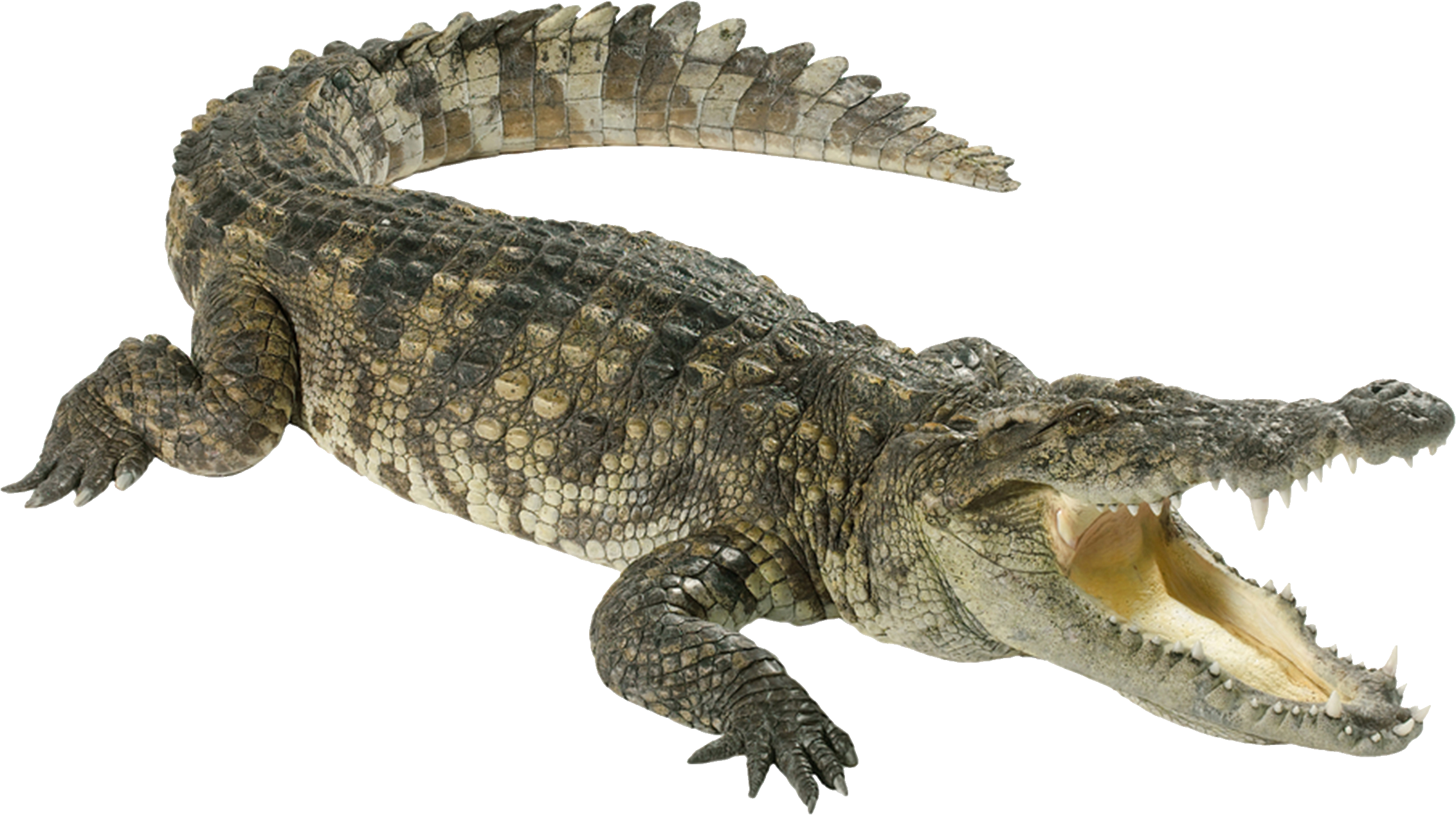
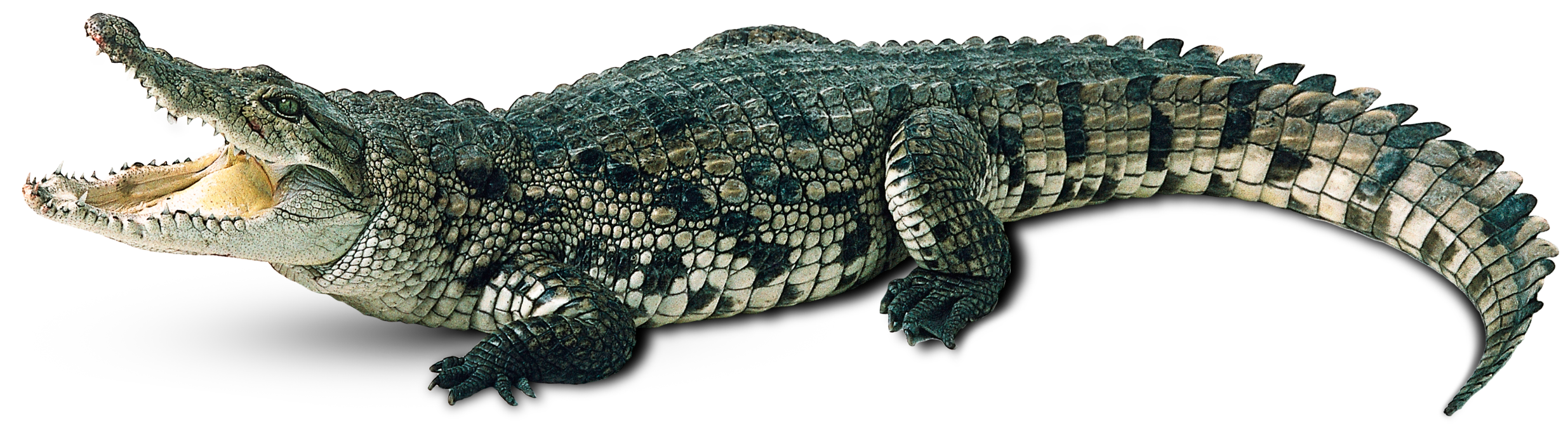
- crocodiles / cocodrílos
- American crocodile / cocodrilo americano
- some crocodile / algun cocodrilo
- The body of crocodiles is flat and elongated.
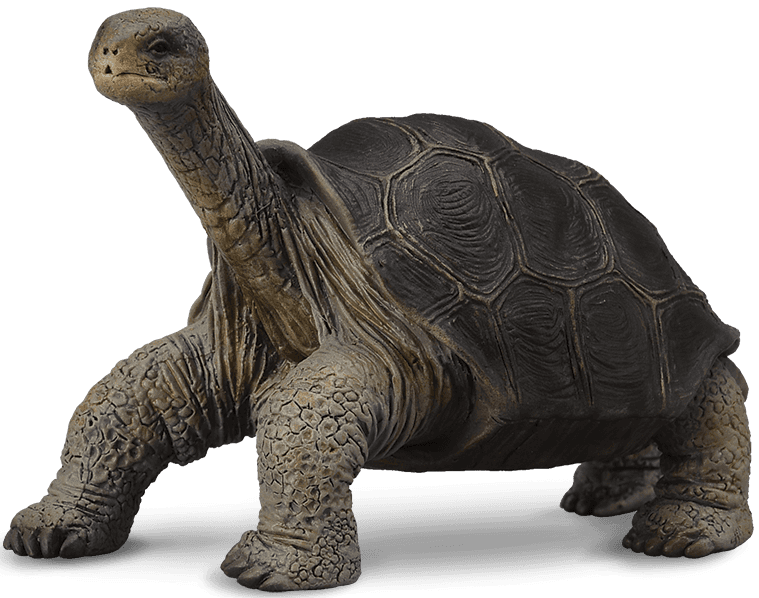
- turtles / tortugas
- Galapagos turtle / tortuga galapagos
- Turtles or chelonians are an order of reptiles adapted to both marine and terrestrial life.
- lizard / lagartiga
AMPHIBIANS
- Amphibians are vertebrate animals, which means they have a skeleton. Their lives go through different stages: the first is known as the larval stage and occurs in the water. The second is metamorphosis, where in order to become adults and live on earth, they go through a change called metamorphosis.
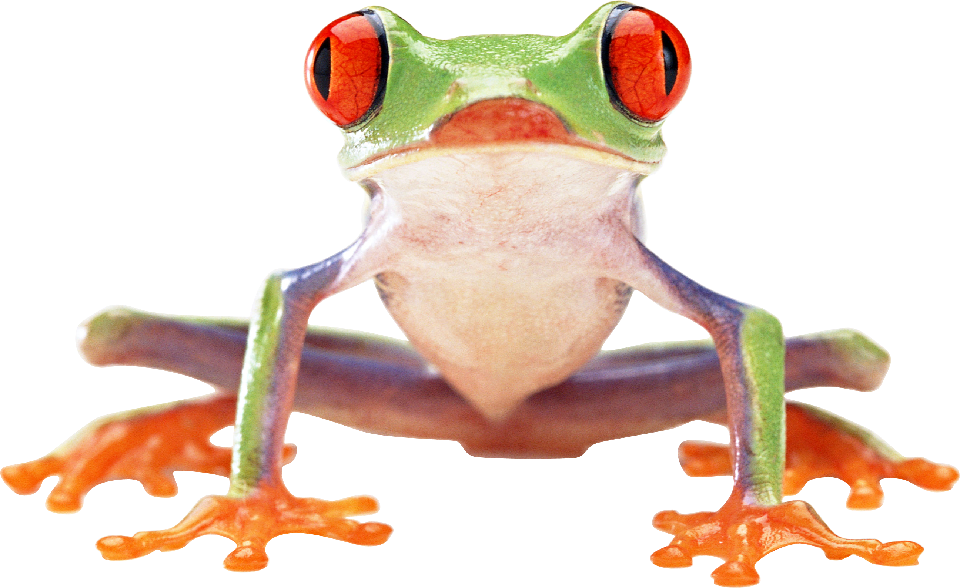
- anura
- frog / rana
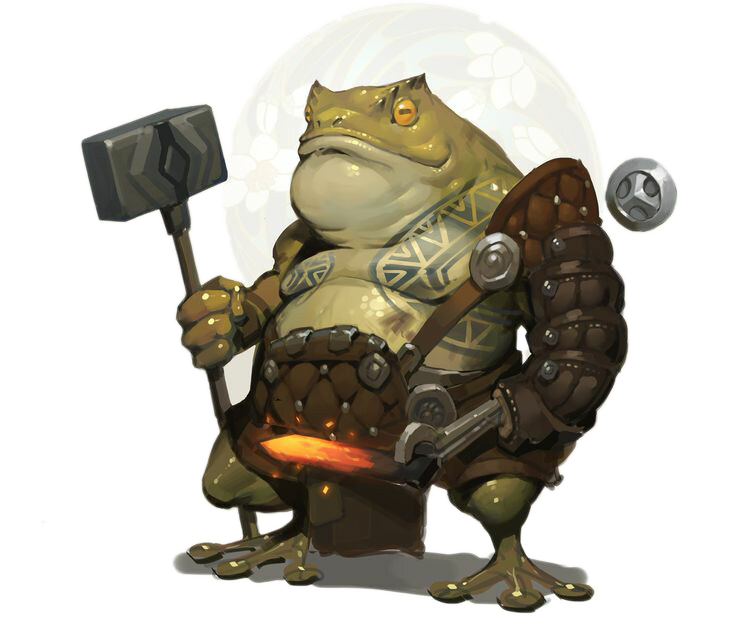
- toat / sapo
- Los anuros (Anura) son un grupo de anfibios, con rango taxonómico de orden, conocidos vulgarmente como ranas y sapos. Se caracterizan por carecer de cola, por presentar un cuerpo corto y muy ensanchado, y unas patas posteriores muy desarrolladas y adaptadas para el salto.
- urodela
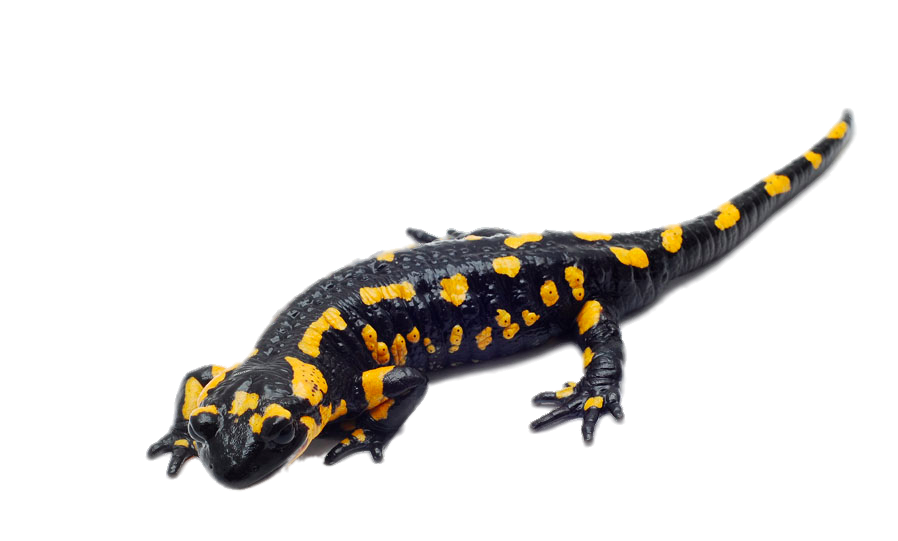
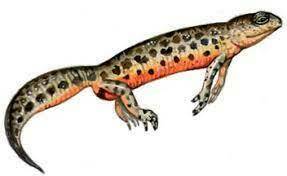
- Urodeles amphibians are very easy to distinguish from their relatives. For starters, they retain their tail (unlike anurans and apods), and they have four even-sized legs. They do not jump like anurans, nor do they slide under the surface like apods.
- salamander / salamandra
- newt / triton
- apodo
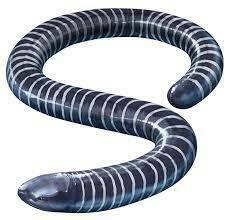
- Apodus (from the Greek ἄπους, ἄποδος) means legless, and is a term frequently used in Zoology, almost always to describe or designate forms, belonging to groups generally endowed with these appendages, which have secondarily lost their legs in the course of evolution.
- cacecilian/ cacecilianos
FISH
- jawells fish / peces mandíbulas
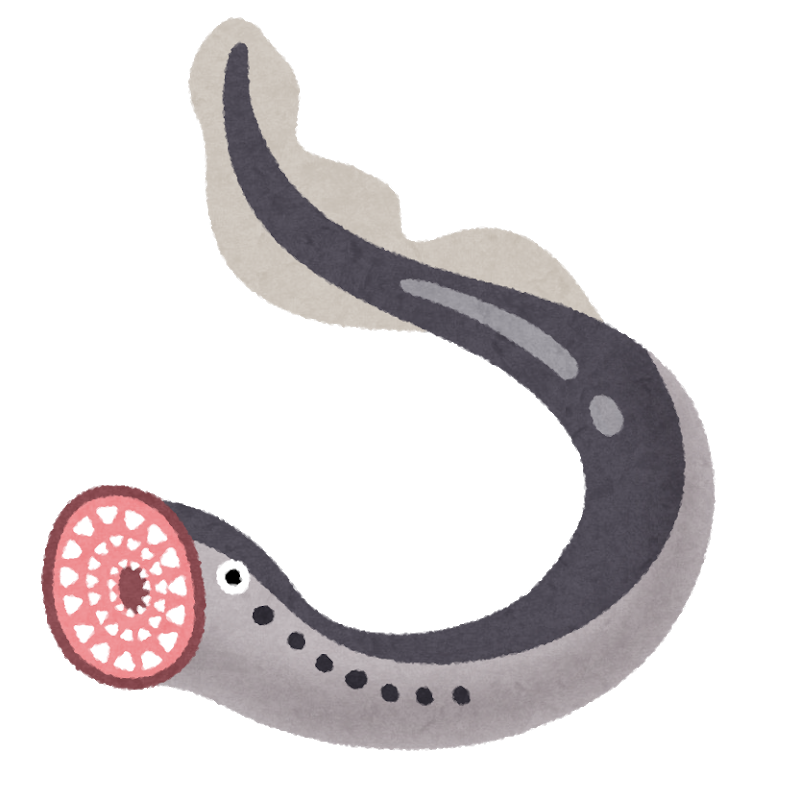
- lamprey / lamprea
- jawed fish / pez con mandíbula
- bony fish
- tuna / atún
- cartilaginuosfish
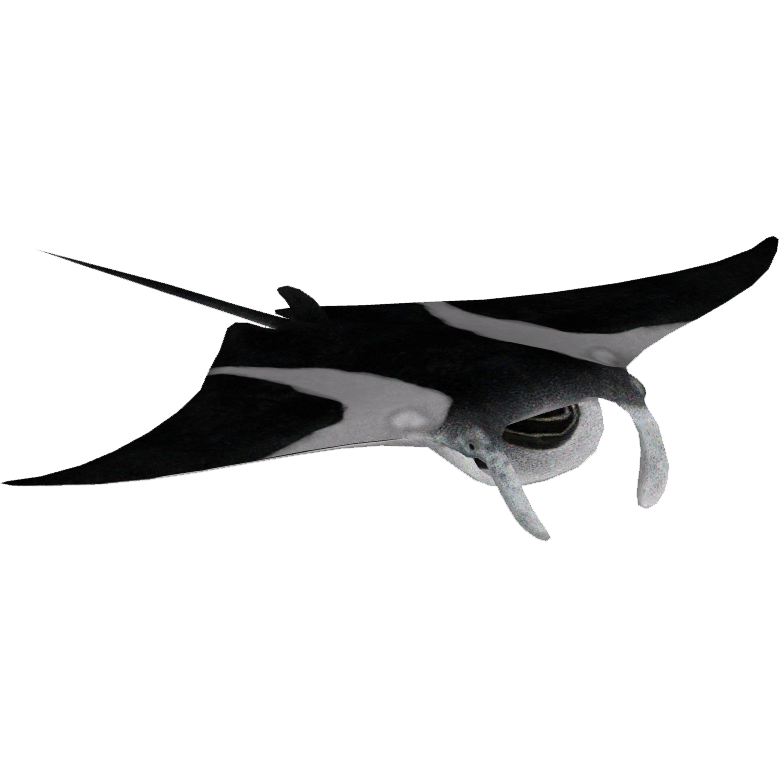
- manta ray mantarraya
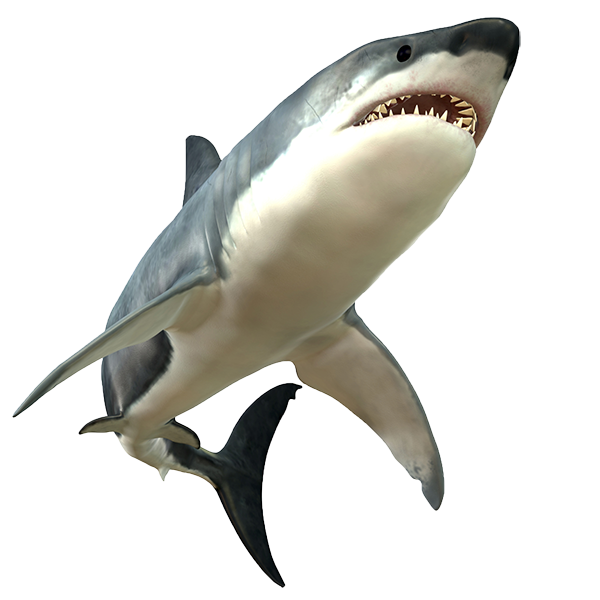
- shark / tiburon
- bony fish
- jawells fish / peces mandíbulas
Images and files in the map

Information
- Description
- 1º de ESO Ciencias de la Naturaleza Mind Map on VERTEBRATES 4B 2- Alejandro, created by Alejandro Amor Trueba on 17/01/2023.
- Created by
- Alejandro Amor Trueba
- Views
- 10
- Rating