
Mind map
Biology F211
Map content
Biology F211
microscopy
- Staining
- most biological material is transparent
- simple stains include
- iodine solution
- this stains starch grains black and other structures yellow
- methylene blue
- this stains the nuclei blue
- iodine solution
- Staining
Cell membranes
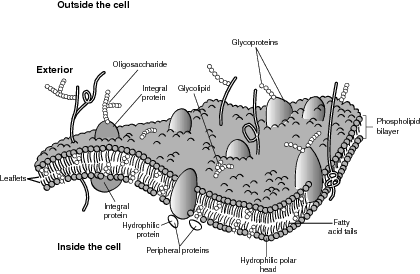
- the fluid mosaic model
- made up of a phospholipid bilayer
- also contains proteins
- some are used in faciliated diffusion across the membrane
- channel proteins
- forms a tunnel
- used for water-soluble molecules
- can be gated
- carrier proteins
- change shape to move molecules
- molecules will bind to the protein
- channel proteins
- some are used in faciliated diffusion across the membrane
- transport across membranes
- active transport
- movement against the concentration gradient low-->high
- uses energy from ATP
- used to pump ions and molecules in and out of cells
- bulk transport
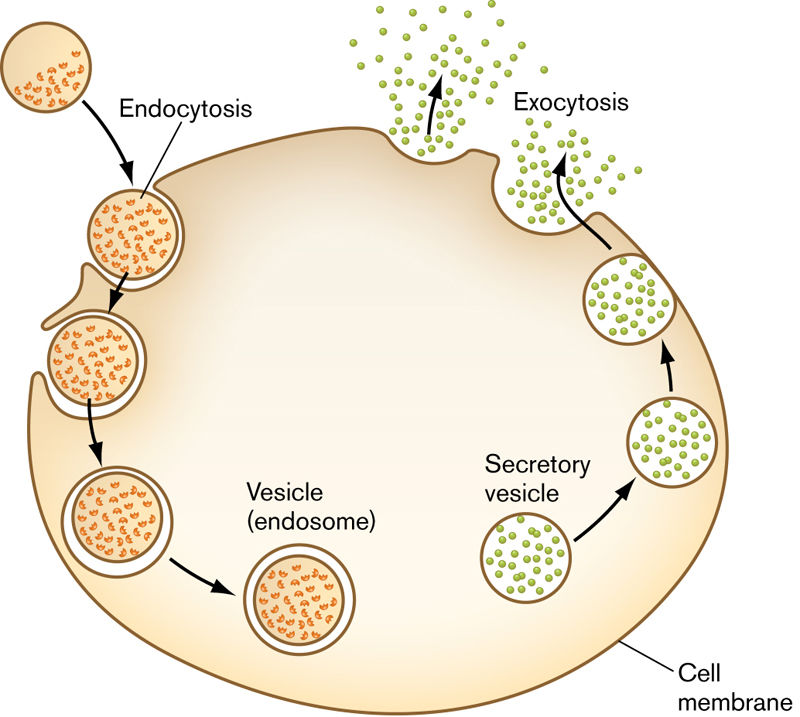
- exocytosis
- substances are packaged by the golgi
- they are then delivered to the surface by vesicles
- these fuse with the cell membrane and push out their contents
- endocytosis
- some cells take up large molecules- proteins and much larger solid objects like bacteria
- they do this by enclosing them inside vesicles or vacuoles formed by the cell surface membrane
- exocytosis
- diffusion
- occurs passively
- no energy/ATP required
- moves down the concentration gradient
- high --> low
- molecules will be small and uncharged, to allow for easy passage through the bilayer
- occurs passively
- osmosis
- special form of diffusion
- only occurs with water
- special form of diffusion
- water potential
- the tendency for water to move from high-->low water potential
- pure water=o
- always a negative value
- measured in kPa
- active transport
cell division & mitosis
- stages
- 4-anaphase
- centrioles pull
- this contracts the spindle, pulling chromosomes apart
- centrioles pull
- 1- interphase
- majority of time in this stage
- around 22 hours in human cell
- protein synthesis occurs
- cytoplasm volume increases
- extra DNA/ organelles made
- majority of time in this stage
- 5-telophase
- spindle fibres have gone
- membranes reform
- chromatids are separate and now called chromosomes
- chromosomes unwind back into chromatin
- 3-metaphase
- no nuclear membrane
- centrioles are opposite
- microtubules form nuclear spindle
- chromosomes move to the spindle and attach by centrometre
- 2-prophase
- DNA and chromosomes are packaged
- chromosomes shorten and thicken
- makes it easier for chromosomes to move around
- nuclear envelope begins to break down
- centrioles move to poles
- 6-cytokinesis
- division between two new cells forms
- animals pinch inward
- plants form from middle
- division between two new cells forms
- 4-anaphase
- yeast budding
- mitotic division to produce clones
- a vesicle fuses out of the cell
- nuclei travels to this new bud, then splits
- it is normal mitosis until after telophase when this occurs
- form of asexual reproduction
- stages
Images and files in the map
Information
- Description
- incomplete F211 mindmap, adding to it as i learn and need to revise for end of topic tests
- Created by
- Abbie Randall
- Views
- 187
- Tags
- Rating