Mind map
Assessment of EBs/ELs
Map content
Assessment of EBs/ELs
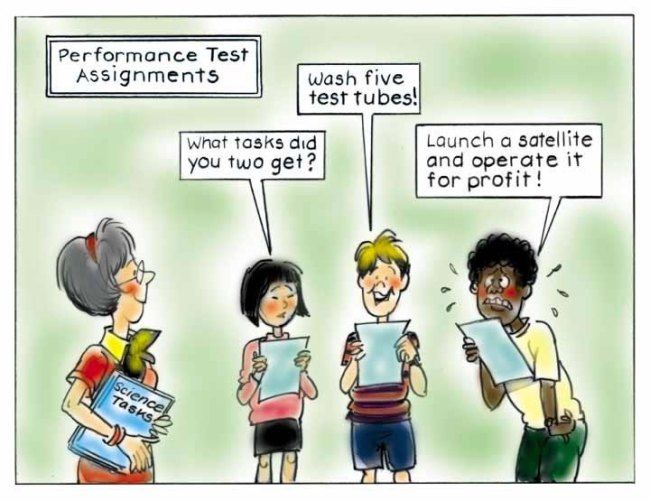
Authenic Assessment
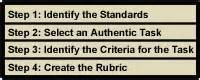
- Assesses students' abilities to perform real-world tasks based on standards and evaluated by a rubric.
- Students would demonstrate social skills by showing appropriate body language during a conversation.
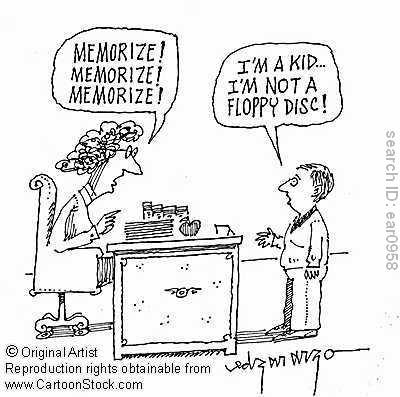
- Traditional Assessments
- More conventional method of testing. Tests a certain body of knowledge and skills.
- Students would be tested by standardized tests, true/false, matching, and fill in the blanks.
Traditional Assessment Versus Authentic Assessment
- Selecting a Response
- Contrived
- Recall/Recognition
- Teacher-Structured
- Indirect Evidence
- Performing a Task
- Real Life
- Construction/Application
- Student Structured
- Direct Evidence
- Traditonal Example: Taking a paper pencil golf test.
- Authentic Assessment: Demonstrating the ability to play golf.
- Students construct meaning
Initial Assessment
- Home language survey administered in primary language.
- Assess native language through standardized test, running, records, and story telling.
- Reading specialists and teachers educated to teach second language learners should help with this.
Ongoing Assessment
- Portfolios
- Display case of students' work.
- Pair teachers with ELL teachers to assess work.
- Should be:
- Predetermined
- Informative
- Tailored
- Comprehensive
- Authenitic
- Students help select the artifacts that are included, and they self assess.
- Provides continuous feedback.
- quizzes, essays, reports or informal observations of language and literacy
- Portfolios