
8661823
Description

Mind Map by Natasha Catherine Young, updated more than 1 year ago

|
Created by Natasha Catherine Young
over 8 years ago
|
|
Renaissance Mind Map
Annotations:
- The Renaissance is a period from 1300 to 1600, inspired by the interest of art and education. Renaissance means "rebirth", at that time, Europeans wanted to rebuild their country after the Plague and the Medieval Times. So the Renaissance marks the rebirth of a new era and a concept of living. Renaissance is placed in the middle because it is the main focus of this chapter.
- The Plague
Annotations:
- The plague took place during the Medieval Times, before the Renaissance period. The happening of the plague changed the thinking of the people in Europe, which led to the increase interest in arts and education, because people wanted to improve their quality of life, after the plague. The Renaissance period is the people wanting to reborn after the plague.
- Trade and Commerce
Annotations:
- Trade and Commerce boosted up the wealth of the city-states of Northern Italy, especially Florence, who was the center of trading. With the economy boosted up, people became more wealthy, so people had the money to support the art and learning in Europe. People learned to build more beautiful and cultured cities from the arts that was supported by wealthy people. Trading also increased the connections of cities between the east and the west.
- Mongol Empire
Annotations:
- During the 13th century, the Mongols made it safe for people to travel along the Silk Road and trade. The Mongol empire also created some trade routes that boosted the connection and interaction between the east and the west.
- Influence of Italian City States
Annotations:
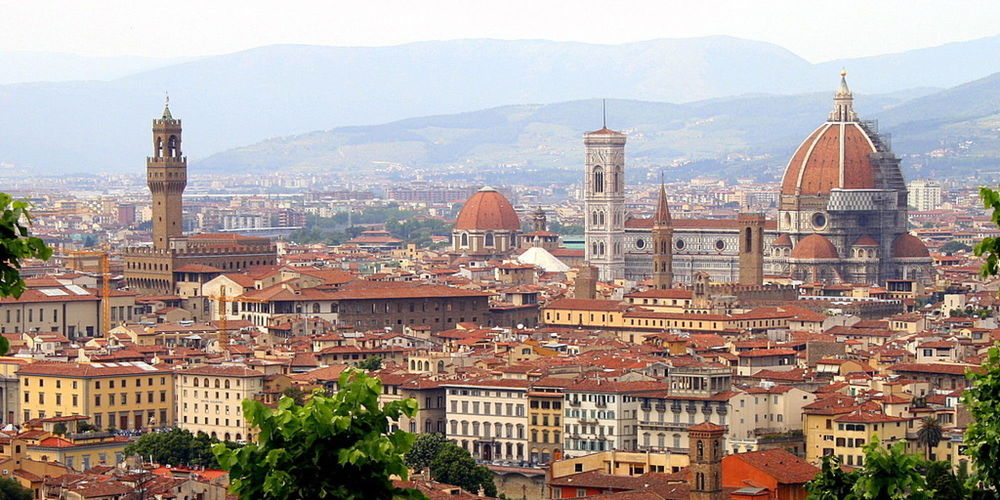
- City states are little cities that were mostly located in Northern Italy, each of which had their own government and how they governed. Florence was a city state that had it's own governing system and also how they collected taxes, this is part of the reason why the Renaissance began at Florence. Also the city-states conducted their own trade.
- Florence, Italy
Annotations:
- Also know was the "Cradle of the Renaissance", Florence is a beautiful city in Northern Italy. It is the origin of the Renaissance period and was home to some of the greatest thinkers and artists during the Renaissance. All of who were supported by the Medici Family in Florence.
- Medici Family
Annotations:
- The Medici Family was the ruling family of Florence during the Renaissance. The Medici Family built many palaces across Florence and maintained a strong army that helped keep their power. They sponsored many great artists, writers, and musicians whom made Florence into a beautiful city.
- Patrons
Annotations:
- Many of the artists, thinkers, and poets were supported by the Medici Family, this led to great development in the art of Florence and also in making Florence into a beautiful city.
- Politics
Annotations:
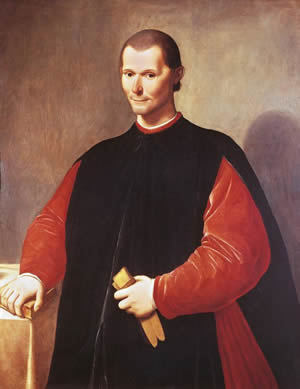
- During the Renaissance, the Medici Family was the ruling family of Florence. They controlled Florence and most of it's government. How politics and the government worked were all written and described in Machiavelli's, The Prince.
- Change
Annotations:
- After the plague, many changes were occurring that led into the Renaissance. Trade and commerce increased, cities became more wealthy, and people who were wealthy started to support the growth in interest of art and learning. Changes made the Renaissance and the Medieval times 2 very different period in time.
- Rebirth of Classical Ideas
Annotations:
- During the Renaissance, the influence of classical ideas was fairly important to the art, literature, science, and architecture was part of where people got their ideas of their topics for their works. The Ancient and Romans made examples to the influence of classical ideas. With the idea of classical ideas and their own idea of humanism, poets, artist, and writers created works that then became famous throughout the Renaissance period.
- Ancient Romans and Greeks
Annotations:
- The Ancient Romans and Greeks were important to the Renaissance because many of the artist, writers, and poets had a influence on the classical ideas that were from the Greek and Roman times. Greek and Romans examples influenced the style of architecture, art, and ways of thinking of the Renaissance. So the Ancient Romans and Greeks led to the Rebirth of classical ideas of the Renaissance period.
- Science
Annotations:
- During the Renaissance, people also made advances in science. Renaissance scientist started to observe and conduct experiments, then they would analyze the results using math and logic. Unlike before, where people believed the natural world based on ideas.
- Medicine
Annotations:
- During the Renaissance, people started to use science to develop medicines that would help cure diseases. From the plague, they learned to have better habits and also a better living quality.
- Gutenberg Printing Press
Annotations:
- The Gutenberg Printing Press was invented by Johannes Gutenberg around 1450. This invention changed Europe by making books more affordable to the people, which is part of the reason why poems and writing spread around so fast.
- Increased Literacy
Annotations:
- Because of the invention of the printing press, people were able to afford books more easily, which motivated Renaissance writers to create more poems, since it was easier to spread around Europe.
- Copernicus
Annotations:
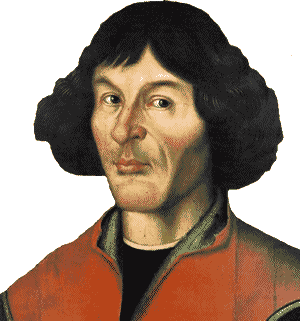
- Copernicus was a Polish scientist, who was a free thinker and very creative. He was skilled in math and observations, he only believed in what he truly saw. He is most famous for the proposal that the Sun was the center of the universe, instead of the Earth. He also wrote, On the Revolutions of the Celestial Spheres.
- Vesalius
Annotations:
- Vesalius was a Belgian scientist who was interest in living things and anatomy. He was a curious, but also confident man. He was a talented observer who made drawings of what he saw. He made many discoveries of the human body, and wrote them in the first modern medical textbook, On the Structure of the Human Body.
- Independent Thinking
Annotations:
- Vesalius was not only a observer, he was also a independent thinker who would then study about the human anatomy.
- Galileo
Annotations:
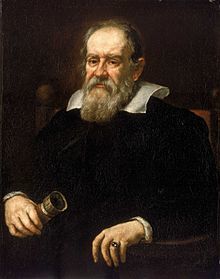
- Galileo was a Italian scientist, who made contributions to observing space. He invented the first telescope that could see into space. He also discovered 4 of Jupiters moons and also the analysis of sunspots. He also improved the invention of military compass and many other objects.
- Arts
Annotations:
- Art is one of the aspects in Florence that made the Renaissance period. With so many wealthy people in Florence during the Renaissance, they started to spend large amounts of money into paintings, statues, and other art works. Many artists were supported by the Medici family, who created opportunities for talented artists. Artist combined the ideas of classical and humanism to create their work. They wanted their works to be lifelike and also show emotions, they also added a new style of painting, by having a realistic setting for their artwork.
- Leonardo Da Vinci
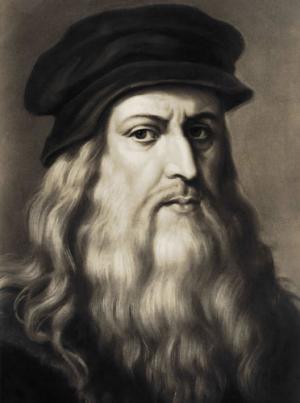
Annotations:
- Leonardo Da Vinci was considered one of the true Renaissance person. He was a Italian polymath with many interests. He has been called the father of palaeontology, ichnology, and architecture, he is also one of the greatest painters of all time. He is considered one of the most diversely talented individuals that has ever lived. One of his most famous objects is his notebook, with he wrote in a unique way.
- Michelangelo
Annotations:
- Michelangelo is a Italian sculpture and painter. He was bad tempered and very religious. Michelangelo was very talented in carving lifelike figures out of marble, and was very gifted in sculpting and painting. His famous works include the statue of David, La Pieta, and also the Ceiling of the Sistine Chapel.
- Titian
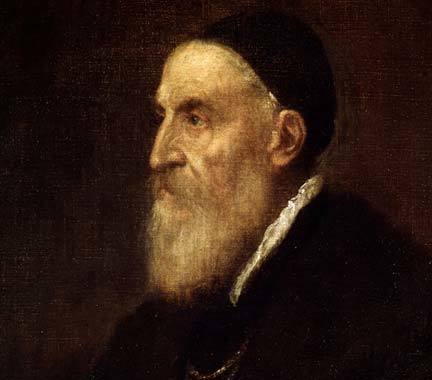
Annotations:
- Titian was a Italian painter, who was a very persuasive and generous man. He was inspired to use color and loose, lively brushwork, which made his paintings appear lifelike. This also helped to express human personality. He was a talented painter, and was hired by many rich and powerful people in Florence to make portraits for them. He was the official painter of Venice.
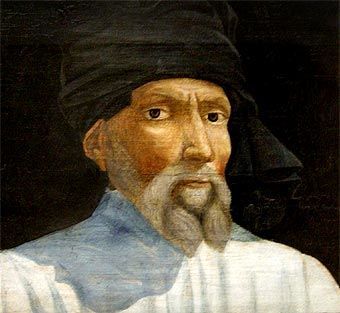
- Donatello
Annotations:
- Donato di Niccolo di Betto Bardi, known as Donatello, was a early Renaissance sculptor who lived in Florence. He developed a complete Renaissance style in sculpting by studying classical sculpture. He worked with stone, bronze, wood, clay, stucco, and wax. His famous works include the statue of St. Mark, David, The Feast of Herod, and many more.
- Architecture
Annotations:
- Architecture played a important role into making Florence a more beautiful city. Many architects create ideas for buildings from the classical Roman and Greeks, and also from their own ideas of Humanism.
- Brunelleschi
Annotations:
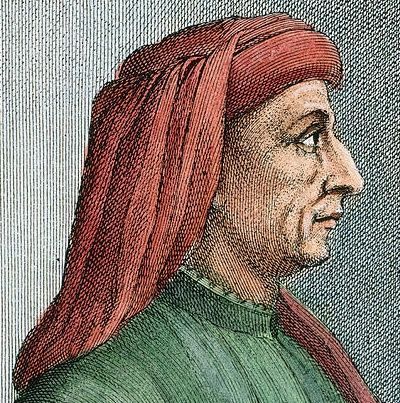
- Brunelleschi was an Italian designer and a ket figure in architecture. He was one of the founding fathers of the Renaissance. He developed a technique for linear perspective in art and building the dome in the Florence cathedral. He works include, sculpture, mathematics, engineering, and also ship design.
- Literature
Annotations:
- Literature was also a aspect that made the Renaissance. It expressed what the artists felt, their experience, and also what they see in their life.
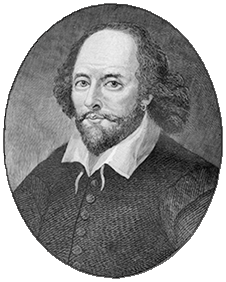
- Shakesphere
Annotations:
- Shakesphere was a English poet, actor, and playwright. He was a quiet and mysterious man, but had a sense of humor. He thought deeply about life and it's suffering. He expressed thoughts and feelings in his words and showed deep understanding of human behavior and emotions. He presented these understandings in his characters and exciting drama. He is best known for his 38 plays which include Romeo and Juliet, and also the sonnets.
- Dante
Annotations:
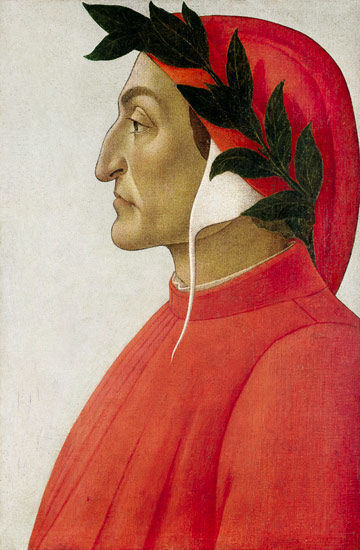
- Dante was a Italian poet and philosopher, who is best known for the poem, The Divine Comedy. It talks about Dante's imaginary journey to the afterlife and what he experienced there. Dante is seen as the father of modern Italian, and was one of the most famous poets during the Renaissance period.
- Petrarch
Annotations:
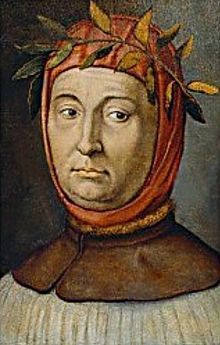
- Petrarch was a Italian scholar and poet during the Renaissance. Hw is often considered as the founder of Humanism. He is also the model to many famous poets and artist in the later Renaissance period. His sonnets were admired and later became a model for lyrical poetry.
- Machiavelli
Annotations:
- Niccolo Machiavelli was a Italian Renaissance historian, politician, diplomat, philosopher, and writer. He wrote about the government and politics during the Renaissance in his work, The Prince. He described immoral behavior and being normal and effective in politics.
- Humanism
Annotations:
- During the Renaissance, a new philosophy started to emerge called Humanism. Humanism was a idea that emphasized the interest in nature, the human society, and also the individual, along with the religious faith. This idea influenced the way poets, artists, and writers created works.
- Human Potential
Annotations:
- During the Renaissance, humanists believed the worth and potential of every individual, they then balanced humanism and religious faith with belief in the power in mind. The human potential of each individual bursted the creativity during the Renaissance.
Media attachments

Want to create your own Mind Maps for free with GoConqr? Learn more.