
Mind map
System Threats
Map content
System Threats
Malware
- what is malware
- Software written to infect computers and commit crimes such as fraud and identity theft.
- Effects
- • The computer may crash, reboot spontaneously or slow down without any logical explanation.
- When a worm infects a computer, the internet connection may become slow as the worm searches online for other computers to infect.
- The hacker then scans the text log, looking for passwords that he can use to access your email or bank accounts.
- Preventing malware
- Strong security software and keep updating it (firewall, spam filter, anti-virus, anti-spyware, anti-spam)
- Back up files regularly
- Enable OS updates
- what is malware
Phishing
- What is phishing
- an online fraud technique used by criminals to get personal information such as usernames,passwords and credit card details
- Effects
- Accessing a victim’s account and withdraw money or purchase merchandise or services.
- Gaining access high-value corporate data.
- Open new bank or credit-card accounts in a victim’s names, and use the new account to cash illegitimate checks or purchase merchandise.
- Preventing phishing
- Strong security software (firewall, spam filter, anti-virus, anti-spam).
- Staff training: awareness of spotting fake websites & emails.
- Staff training: never disclose personal or financial information.
- What is phishing
Brute force attack
- A trial and error method used by programs to decode encrypted data such as passwords
- Effects
- Theft of data.
- Access to corporate and private computer systems
- Preventing an attack
- Network lockout policy: locks out after a number of tries.
- Staff training: using effective passwords that contain symbols and numbers
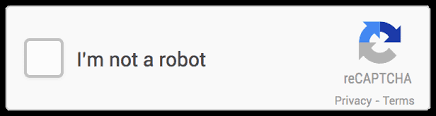
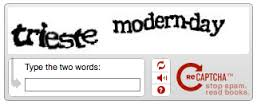
- Challenge response tests e.g. reCAPTCHA – user has to look at a picture and answer a question.
Data interception and theft
- An attacker monitors data streams to or from a target, in order to gather sensitive information. This attack usually involves sniffing network traffic. Sniffing or eavesdropping is the act of monitoring traffic on the network for data such as plaintext passwords or configuration information.
- Effects
- Discovering username and password credentials.
- Gaining access to systems.
- Disclosure of corporate data.
- Theft of data.
- Preventing data interception and theft
- Strong encryption.
- Using virtual networks.
- Staff training
SQL injection
- SQL injection is a code injection technique, used to attack data-driven applications. If a database application has not been coded in a secure way, code can be entered into text boxes, and will be executed by the server.
- Effects
- Contents of the database can be output, revealing data that otherwise would be hidden.
- Data in the database can be amended and deleted.
- New rogue records can be added.
- Preventing SQL
- validation of input fields
- penetration testing- hiring someone you see if they can hack your account
Images and files in the map
Information
- Description
- Year 10 Computing Mind Map on System Threats, created by Kamma Mcmahon on 05/05/2017.
- Created by
- Kamma Mcmahon
- Views
- 0
- Rating