
Notes
Chemistry: The Atom
Content of the notes (11)
Page 1
Atomic theory
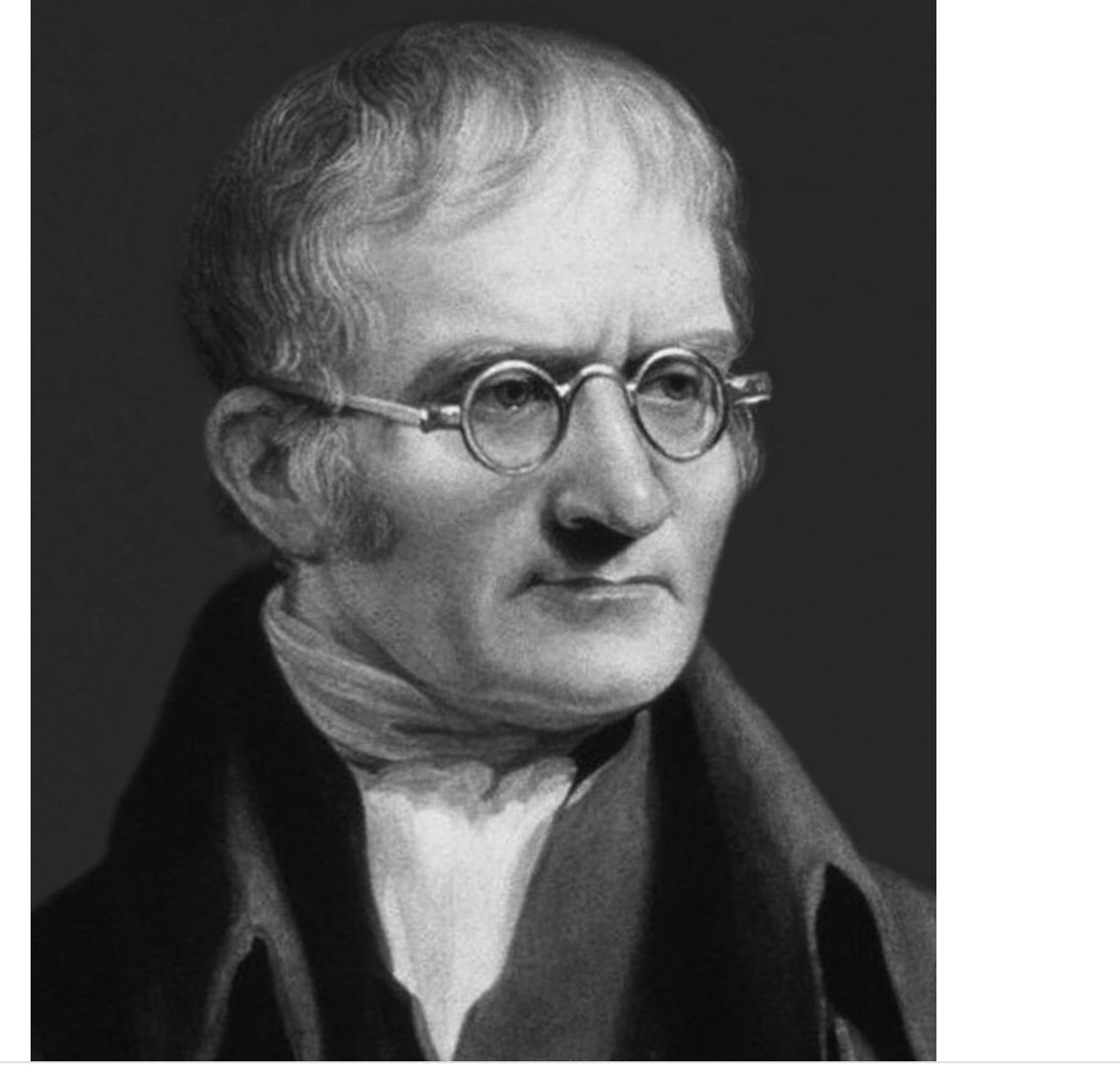
John Dalton developed the first atomic theory
atoms are
1. Very small
2. Have indivisible parts cannot be broken
3. Atoms of the same element have the same mass and chemical properties
Page 2
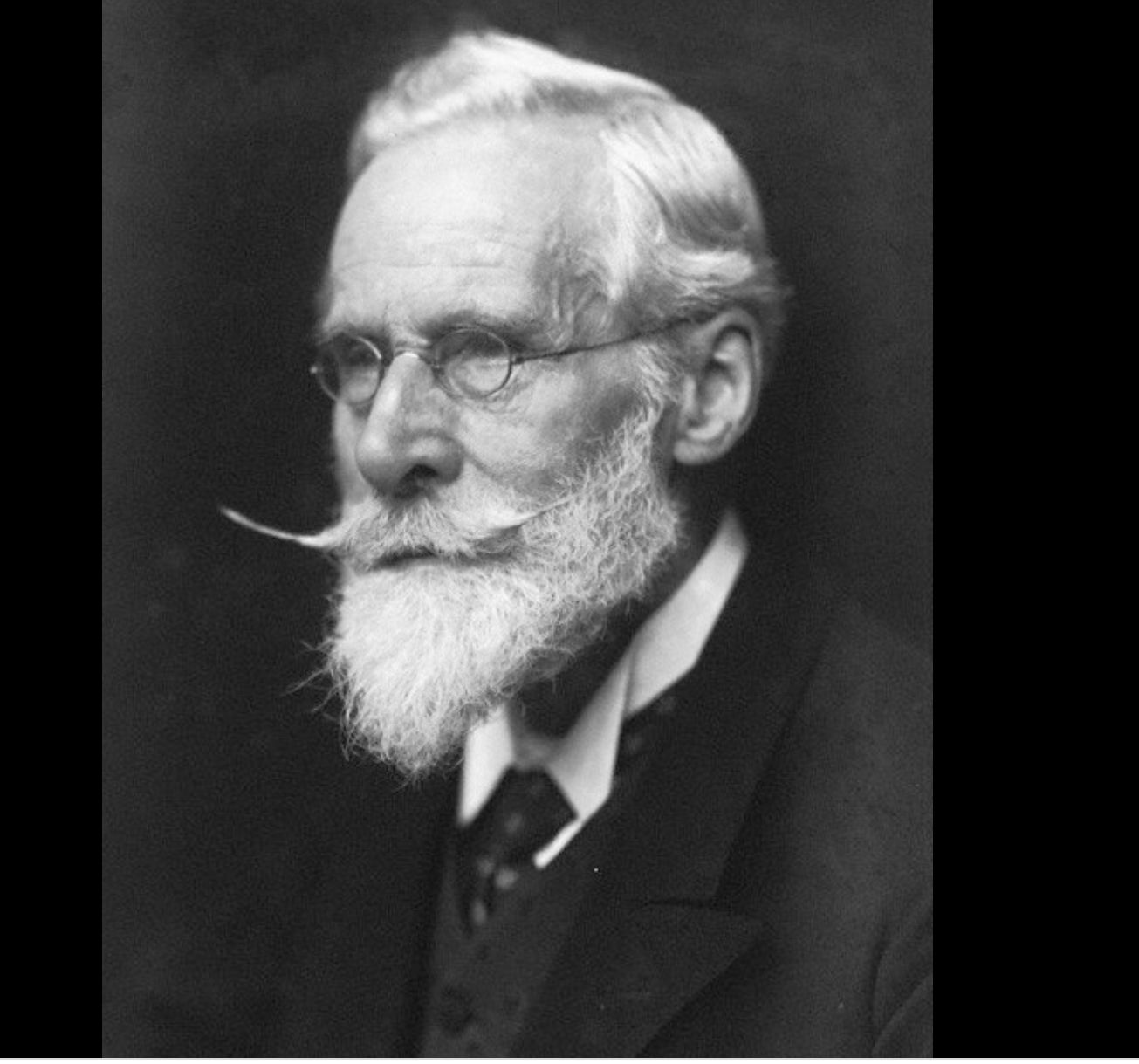
William Crooks 1870
discovered that the cathode rays travelled in a straight line.
How? Passed electricity through a a gas vacuum tube. Electricity traveled from a cathode to anode (negative electrode to positive electrode)
Crooks called them cathode rays
Evidence of the cathode rays
1. Fluorescent glow
2. Paddle moved
3. Shadow cast by cross ✝️
Page 3
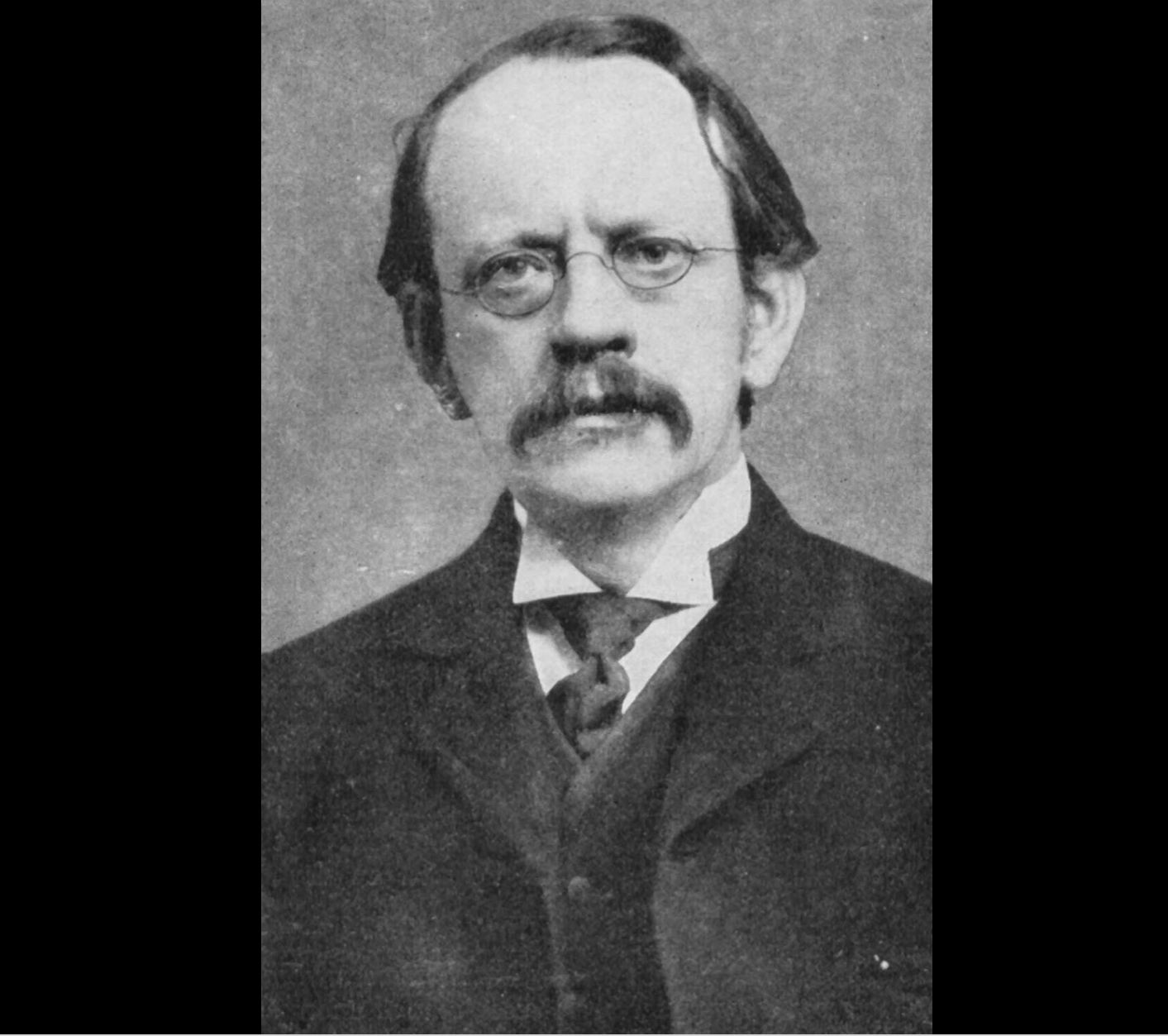
J.J Thomps 1887
Discovered that cathode rays were negatively charged. Measured the charge to mass ratio (e/m) for electrons
How 1: Added a (-) and a (+) plate to Crookes vacuum and found the cathode rays were attracted to the positive plates which meant cathode rays were negatively charged
How 2: Used a magnetic field from electromagnets to deflect the electrons
Page 4
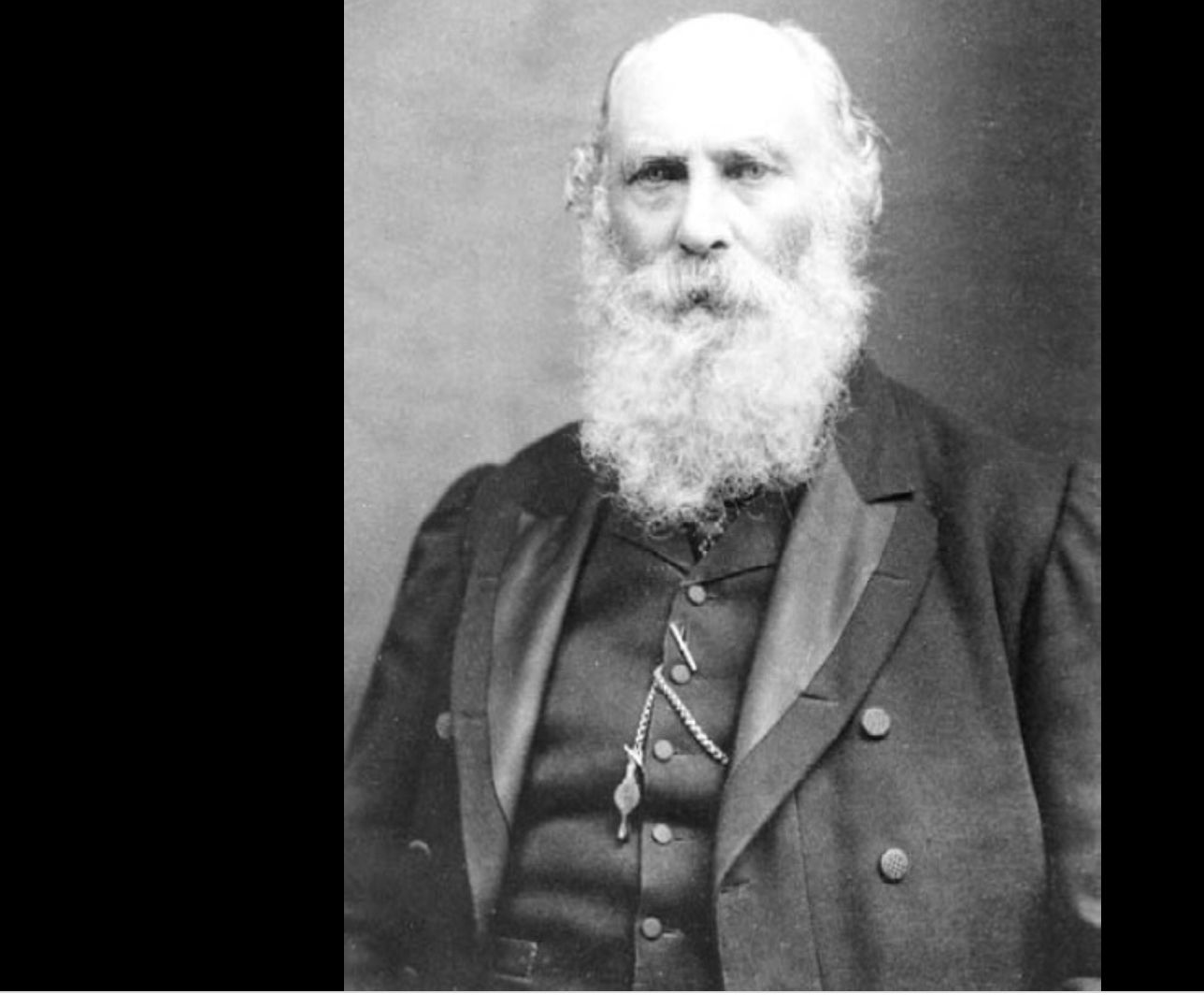
Johnstone Stoney 1880
Named the cathode rays electrons
Page 5
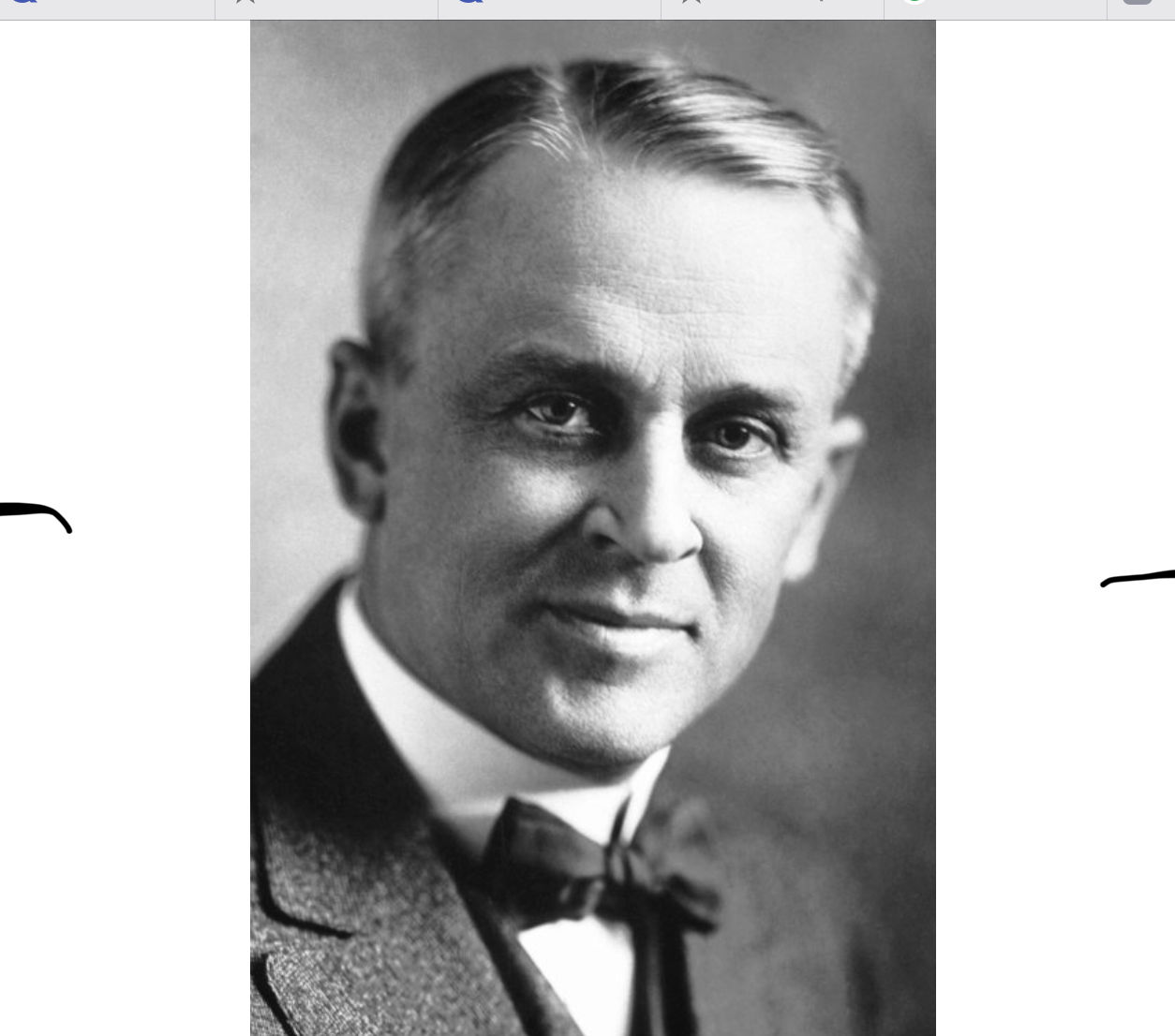
Robert Millikan
used his ‘oil drop’ experiment to measure the size of the charge of the electrons
Page 6
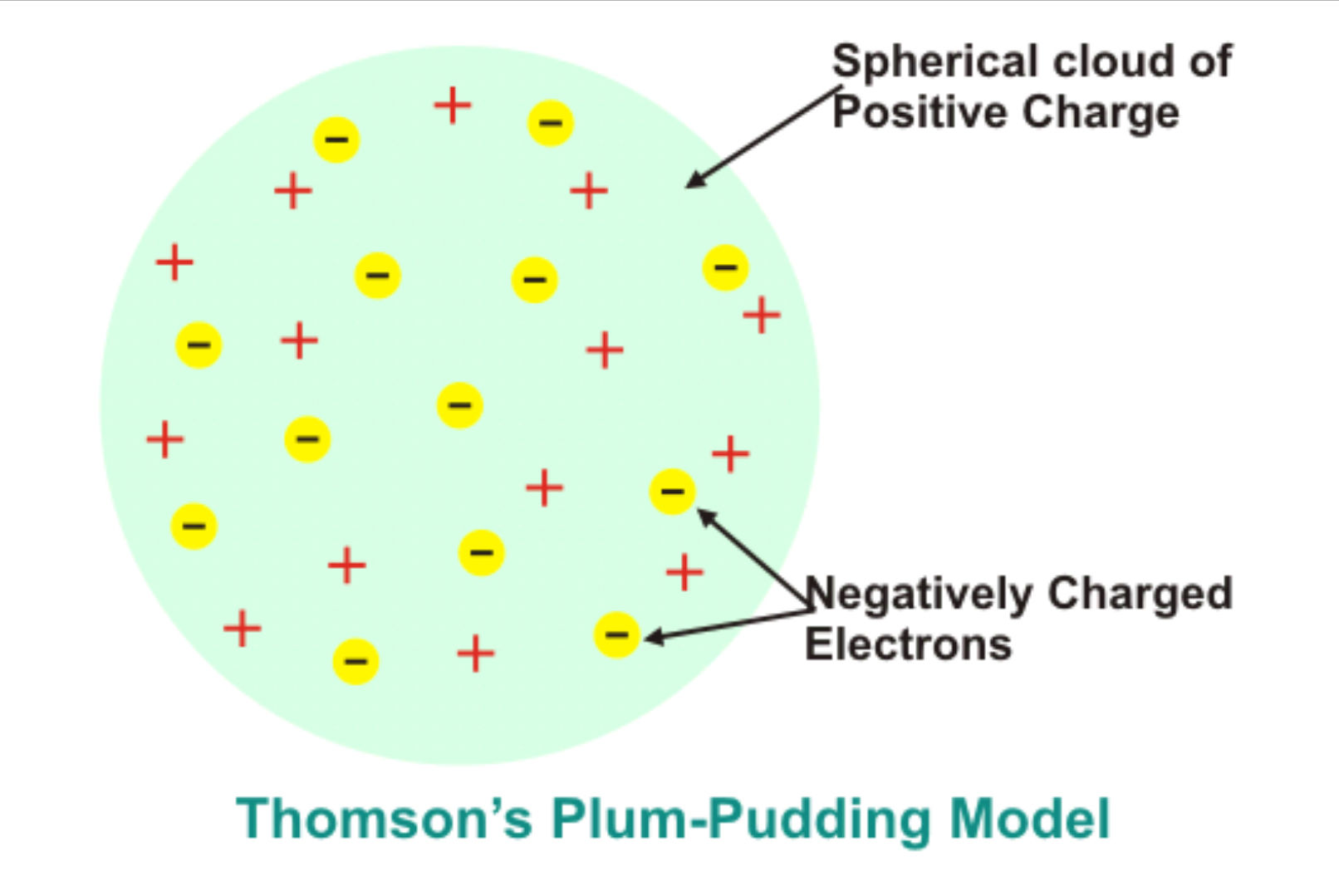
J.J Thompson plum pounding model
large positive sphere and negatively charged electrons throughout the atom were his development of a model of an atom
Page 7
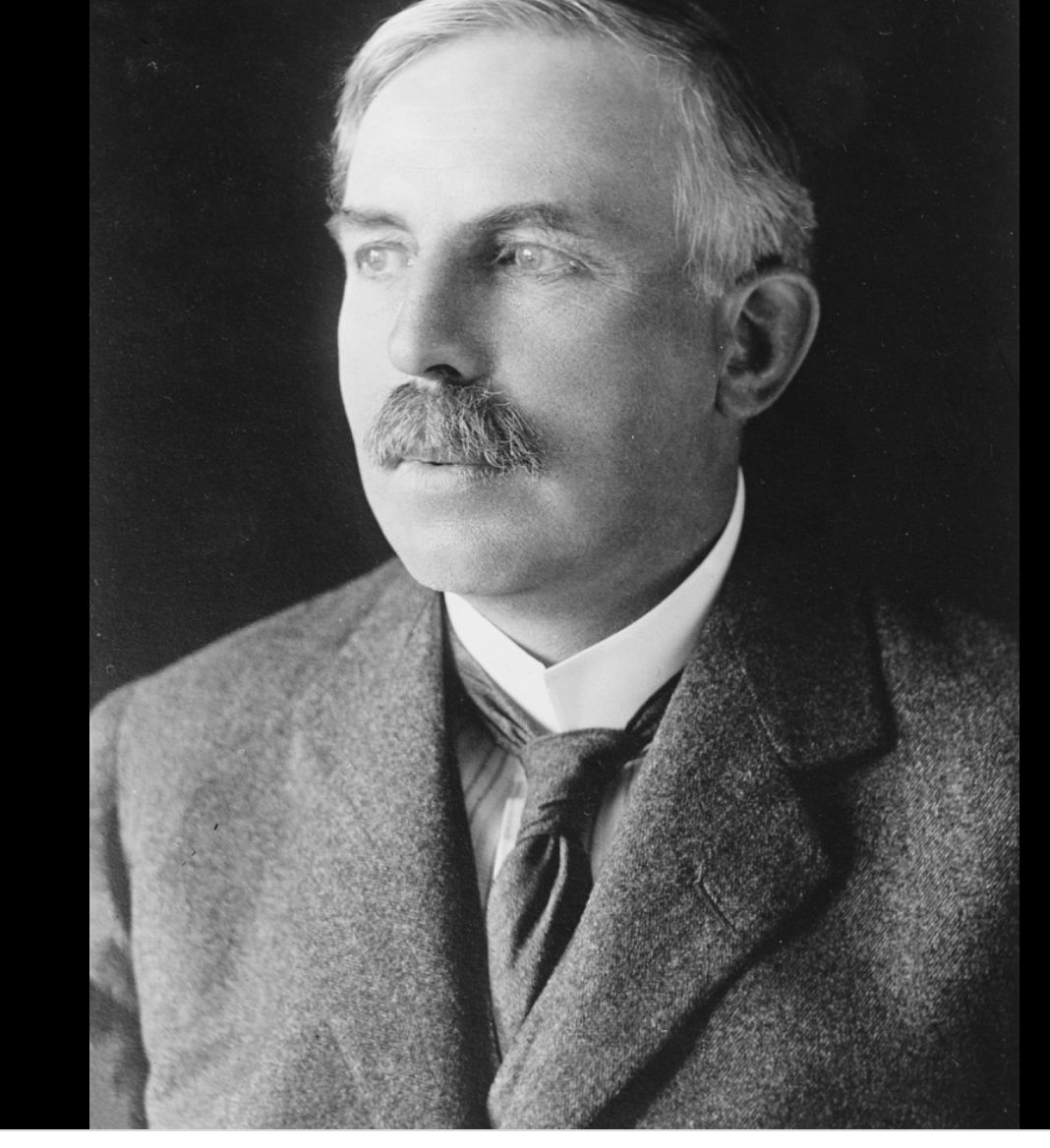
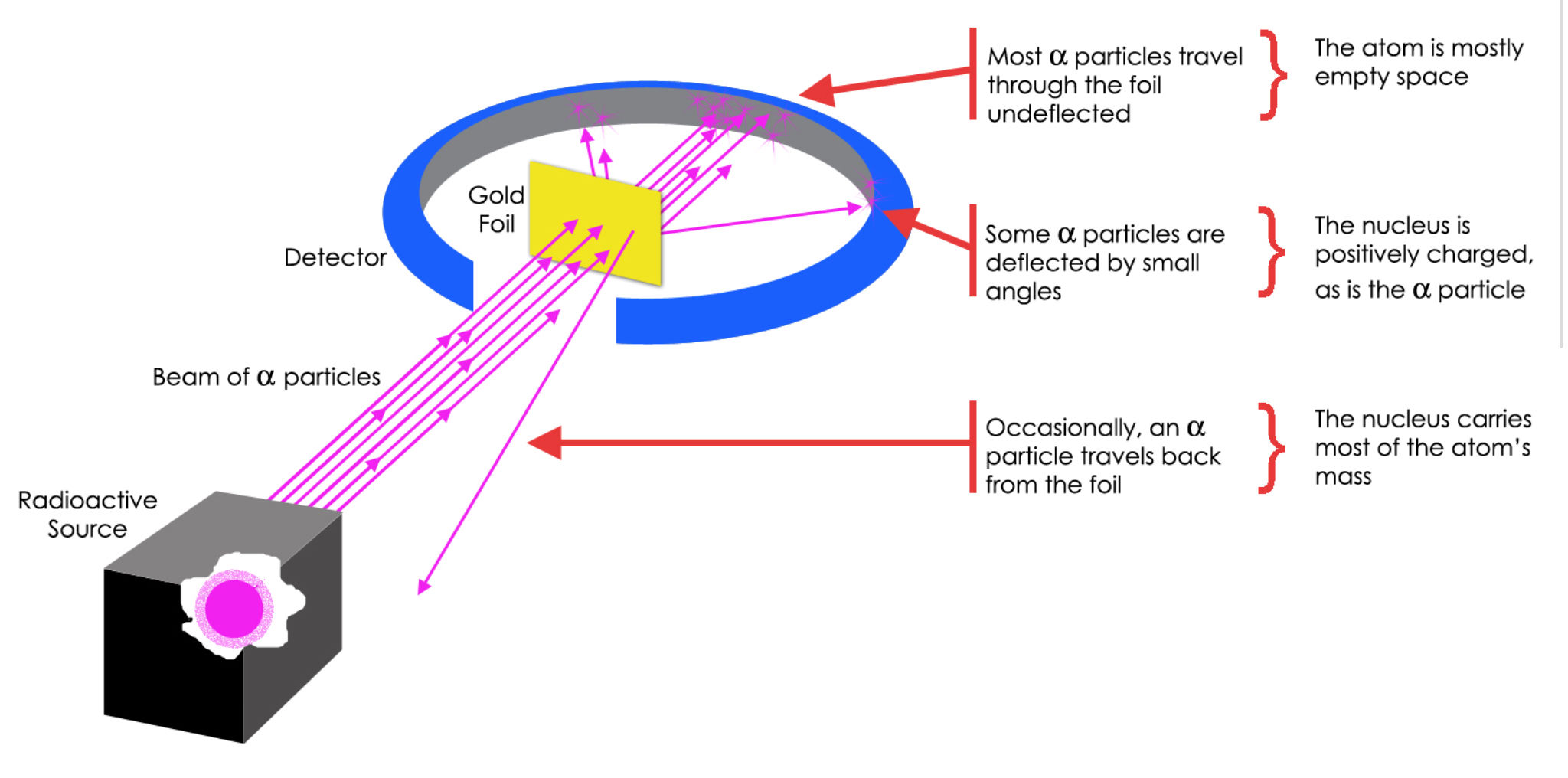
Rutherford gold foil test
Proved the plum pudding model was incorrect by
using a gold foil test
Fired positive radioactive particles alpha particles at extremely thin foil
Finding
large number alpha particles (proton) passed straight through
Many deflected at small angles
Few particles deflected backwards as were repelled strongly
Observation
Positive charge was concentrated n very dense small nucleus
large amount of empty space in an atom which is occupied by very small electrons
positive proton particles
Had equal size to electrons
Page 8
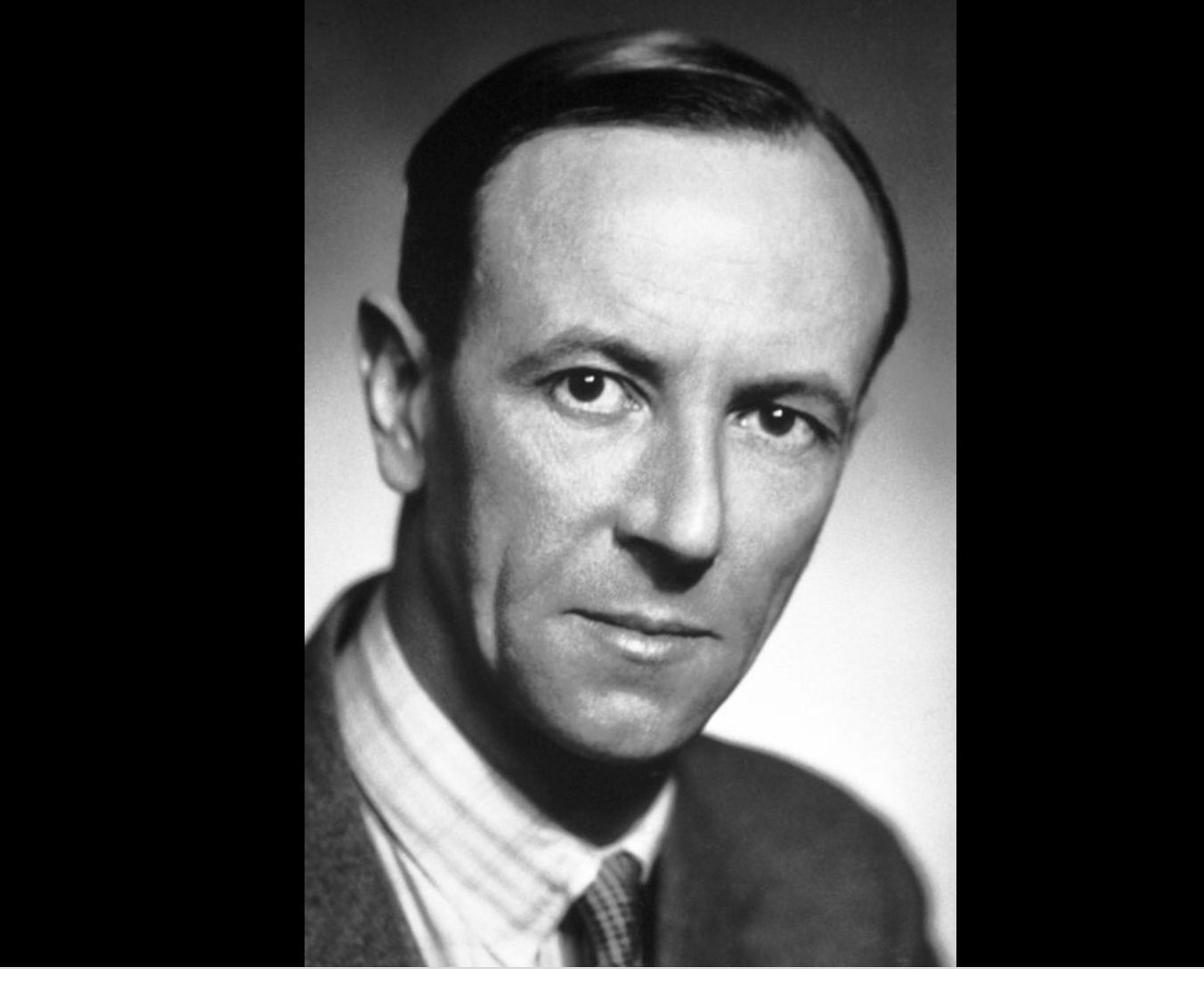
James Chadwick
Discovered the neutron
Page 9
Bohr Model
central nucleus
Electrons orbiting around nucleus
Suggested electrons orbited with increasing distance away from nucleus
Each orbit had different energy level
Page 10
Atomic Number and Nucleus
atomic number: is the number of protons in an element Z is the symbol (determines element)
Atomic mass: is the number of protons and neutrons in an element A is the symbol
To calculate number of neutrons : atomic mass - atomic number (A-Z)
Page 11
Mass spectrometer: Works by separating positive ions by mass when moving in a magnetic field
Vaporization
Ionization
Accerlation
separation
Determination
Information
- Description
- High School Diploma Science Note on Chemistry: The Atom , created by Bene Tee on 07/09/2019.
- Created by
- Bene Tee
- Views
- 1
- Tags
- Rating