
Notas
Basics II
Conteúdo das notas (1)
Página 1
Pharmacological effect (how it works) vs. Clinical response (what it does)
Receptor activation. Most drugs bind to a receptor to bring about an effect.
D-R complex -> effector molecule
Inhibition of metabolism of activator -> increased action (coupling molecule)
(most) receptor ->protein binds signaling molecule which generates signal of its own.
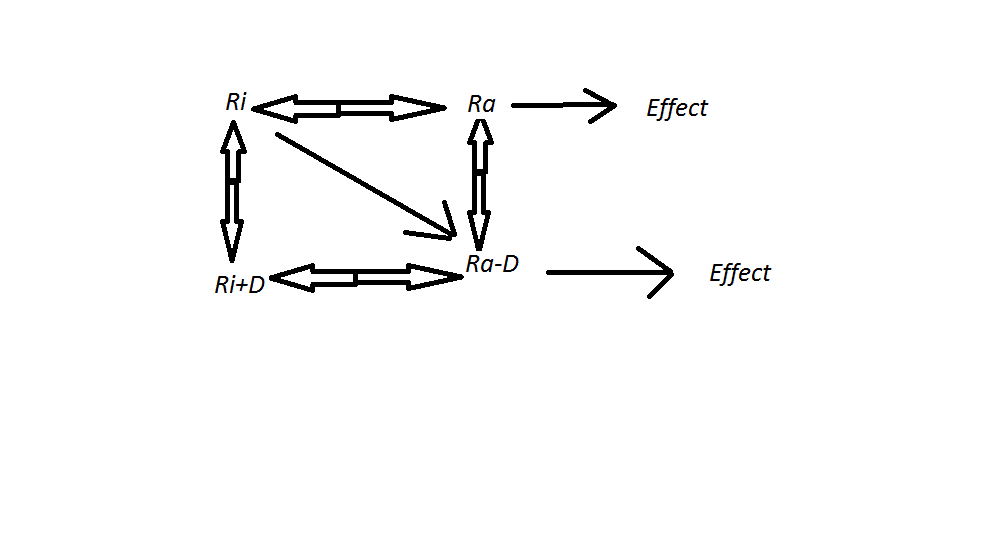
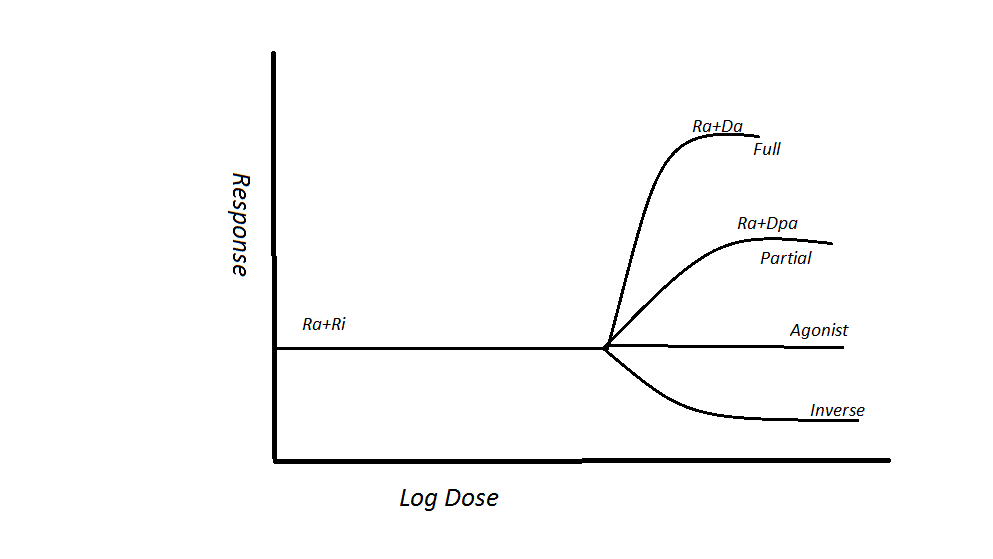
Ri -> inactive Ra -> active Constitutive activity -> binds to Ra even without agonist
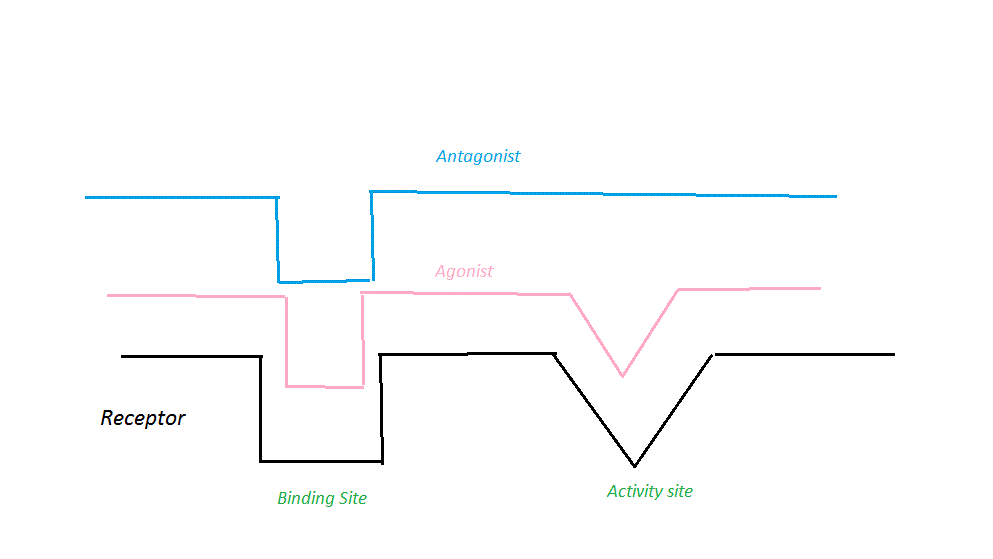
Agonist - Molecule that binds to and activates receptor If agonist is stabilized = partial agonist
Inverse agonist - affinity for Ri
Antagonist - Molecule that prevents activation of receptor by agonist. Allostevic activators inhibitors
Cells have large arrays of receptors for hormones, etc.
dose response relationship. Without knowing what receptor to which drug binds (for most) cannot mech. of action; selectivity, dose response
Regulatory proteins - regulate (mediate) activity
5 Transmembrane signaling mechanisms
Lipid soluble chemical signal crosses membrane. Acts on intracellular receptor
Signal binds to the EC domain activating enzyme activity of cytoplasm domain
Signal binds to EC bound to tyrosine kinase which it activates
Signal binds and directly regulates opening of ion channel
Signal binds to cell surface receptor linked to effector enzyme by G protein.
Lipid soluble - Steroids Onset 30 minutes to several hours. Duration up to several days.
JAK - Tyrosine Kinase. Cytokine receptors EC and IC domains and form dimers
STAT (Transcription)
Ligand
and voltage-gated ion channel Ligand binds to EC site on
subunit. Receptor opens a central transmembrane aqueous ion channel and
allows ion to pass into cytoplasm. (common neurotransmitters)
Dose response ( Efficacy and Toxicity)
Drug + Receptor- -> K1 Drug-receptor complex ----> Effect Kd = K2/K1
Kd (equilibrium dissociation constant) = [Drug] producing 1/2 max binding
K3 - reflects intrinsic activity of bound receptor K3 = 1 Agonist K3 = 0 Antagonist 0
Potency - concentration requited to achieve a certain effect Ec50 = produce 50% of max. effect. usually = Kd
Efficacy - magnitude of drug action at limit of concentration Emax
Threshold dose; Ceiling dose Graded dose response = dose increases; response increases Quantal dose response = all or nothing
Antagonism
Competitive - reversible with enough agonist
Non-competitive - not reversible
Chemical - binds to drug and blocks absorption (inactivates)
Physiologic - exact opposite. Works on different receptor.
G-coupled protein receptors - work by increasing concentration of IC 2nd messengers (CAMP, calcium, or phosphoinositides)
G-protein Heterotrimeric configuration
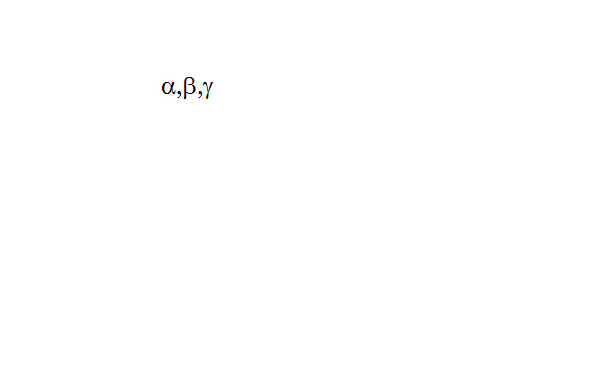
Disassociates during activation
Sub-types - single agonist recognized by group of GPCR's
Bronchial smooth muscle
Antigenic Challenge ----> Activation Mast Cell ------> Histamine ---------> H1 ---> Ca2+ -----> Contract
Antihistamine / beta2 \ epinephrine
(too long)
Desensitization - Phosphorlylation of the receptor
Down regulation - receptor heterodimerization - endocytosis of the receptor
Drug Discovery
Broad search and screen
Clinical Serendipity
Design based on structure of natural substance
Molecular knowledge of receptor or enzyme
Endogenous proteins
Me-too approach
Phases of Clinical Drug Development
Safety and Tolerability
Dose finding
Therapeutic ratio
Submission to NDA or FDA
Post-Marketing surveillance
New Page
New Page
New Page
Informações
- Descrição
- Drug action w/ brief drug discovery and Clinical drug development
- Criado por
- semi_clear
- Visualizações
- 77
- Tags
- Avaliação