
Flashcards
Breakdown of the US Constitution

Flashcards do conjunto (23)
- 1Preambleintro to the Constitution; begins with the We the People; identifies 6 goals the founding fathers wanted to achieve
- 2Article 1the legislative branch; describes the Congress & its powers

- 3bicamerala legislature made up of 2 houses
- 4House of Representativeslower house of Congress; 435 members; representation is based on population; Term of office=2 yrs
- 5Qualifications for the HOR1. must be at least 25 years old
2. a US citizen for at least 9 years
3. live in the district you represent - 6Senateupper house of Congress; made up of 100 members; 2 from each state; elected by the state legislatures
- 7Qualifications for US Senate1. must be at least 30 yrs. old
2. a citizen for at least 9 years
3. live in the state they represent - 8Article 1, Section 8lists the powers given to the Congress
Ex. power to declare war - 9impeachmentto formally charge an elected official with wrongdoing; the HOR votes to impeach; if the HOR votes YES there is trial in the Senate
- 10enumerated powersaka expressed powers; powers given only to the Congress (Article 1, Section 8)
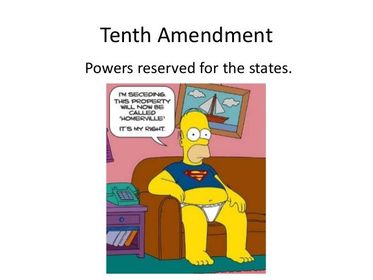
- 11reserved powerspowers that are "reserved" for the state govts.
- 12concurrent powersshared powers between the national Congress & the state legislatures
EX. power to tax - 13writ of habeas corpus (Latin means "have the body")Article 1, Section 9 states Congress can NOT suspend a person's right to writ of habeas corpus EXCEPT in cases of rebellion or invasion.
- 14bill of attainderCongress can NOT make a law that finds a person guilty of treason or a felony without a trial
- 15ex post facto lawsCongress can NOT make a law that punishes someone for doing something that wasn't a crime at the time.
- 16Article II (2)about the executive branch
- 17Qualifications to be President1. at least 35 years old
2. be a natural born citizen
3. live in the US for at least 14 years - 18Commander-in-chiefthe President is over US military
- 19Article III (3)about the judicial branch (aka judiciary); says there will be a Supreme Court & leaves it up to the Congress to create inferior courts
- 20Article IV (4)relations between the states; includes the Full Faith & Credit Clause
- 21Article V (5)Amending the Constitution; Proposed by 2/3rds of both houses in
Congress, then it needs to be ratified by 3/4th of the states. - 22Article VI (6)Supremacy Clause; the Constitution is the supreme law of the land
- 23Article VII (7)says 9 of the 13 original states has to vote YES before the Constitution went into effect