
Mapa mental
ESL Approaches and Methods

Conteúdo do mapa
ESL Approaches and Methods
Grammatical
- Grammatical approach is a teacher-centered means of providing second language instruction.
- Emphasis on the rules and structure of target language.
- METHODS
- Grammar-Translation
- More emphasis on development of reading, writing, and grammar.
- Less emphasis on oral language development
- Rules of grammar are taught holistically
- Direct
- Focus on total immersion in L2
- No use of L1 allowed in the classroom
- Involves an open-ended response to materials the teacher brings into the classoom
- Audiolingual
- Grammar structures are carefully sequenced and taught
- APPROACHES
- Drill and practice
- Rote memorization
- Dialogue memorization
- Repetition
- Mnemonics
- Kinetics
- APPROACHES
- Minimal use of L1
- Emphasizes error correction, drills, and repetitive practice
- Grammar structures are carefully sequenced and taught
- Grammar-Translation
- METHODS
- Origins in the 19th century classical Greek and Latin instruction
Communicative
- It is a more research-and theory-based approach to second language instruction.
- METHODS
- Silent Way
- Teacher modeling/talk
- Reinforcement through repetition/signals
- Seldom content-based
- Natural Way
- Stresses comprehensible input
- Minimal error correction/production
- Acceptance of students' L1
- Not necessarily content-based
- Suggestopedia
- Emphasis on relaxed physical setting
- Minimal error correction
- Use of L1 for explanations
- Not necessarily content-based
- Sheltered Instruction
- Grade-level modified curriculum
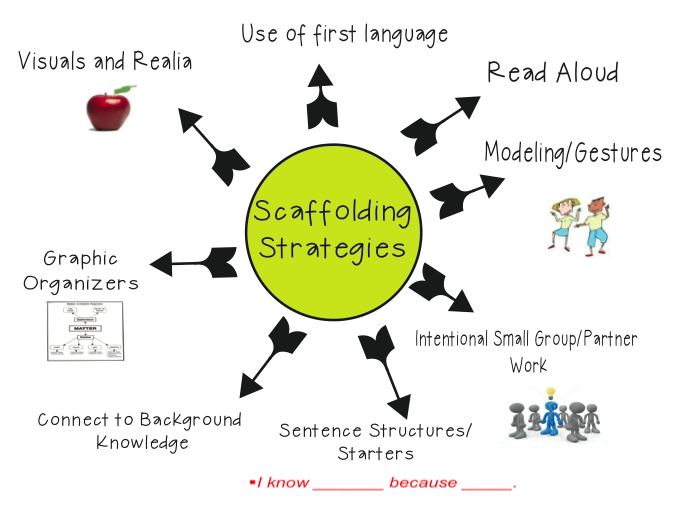
- Scaffolded instruction
- Visuals, cooperative learning, and guarded vocabulary
- Integrated Content-Based
- Emphasizes L2 development
- Focus on cintent and language integration
- Subject area integrated into thematic units
- Silent Way
- Approaches
- Scaffolding
- Guarded Vocabulary
- Cooperative learning
- Hands-on activities
- Reduced use of idioms
- Manipulatives and realia
- Simulations/big books
- Heterogeneous grouping
- METHODS
- Student-centered emphasis on communication and meaningful acquisition of knowledge
- Primary origins in 1960s and 1970s research on language learning through communication, constructivism, and social interaction
- It is a more research-and theory-based approach to second language instruction.
Cognitive
- Is an emergent product of efforts to examine and analyze the cognitive psychological side of learning, language learning, and instruction to promote language learning.
- Learner-centered focus on explicit teaching of learning strategies in communicative ways.
- Origing in 1980s and 1990s research on learning functions, memory, and cognition
- METHODS
- CALLA
- Developmentally appropriate language instruction
- Intentional focus on CALP development in L1 and L2 as related to content areas
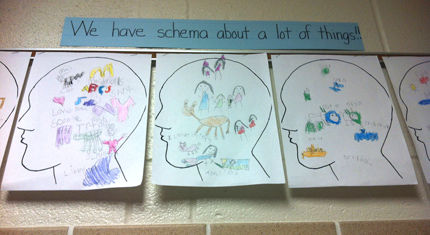
- Focus on prior knowledge
- Explicit instruction in the following learning strategies: metacognitive, cognitive, and social/affective
- CALLA INSTRUCTIONAL CONCEPTS
- Focuses on what is going on in students' minds rather than in their overt responses
- Literacy accross the Curriculum
- Focuses on the language demands of content subjects and seeks to integrate literacy and content instruction
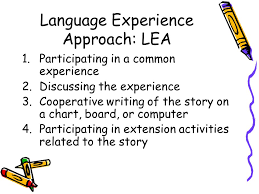
- Language Experience Approach
- Students learn that what is said can be written down and that what has been written down can be read.
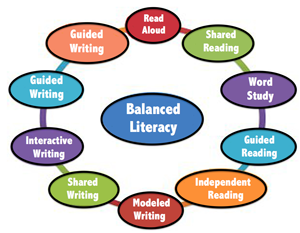
- Balanced Reading Approach
- Children do not learn to read in only one way, but that individual variation in literacy development
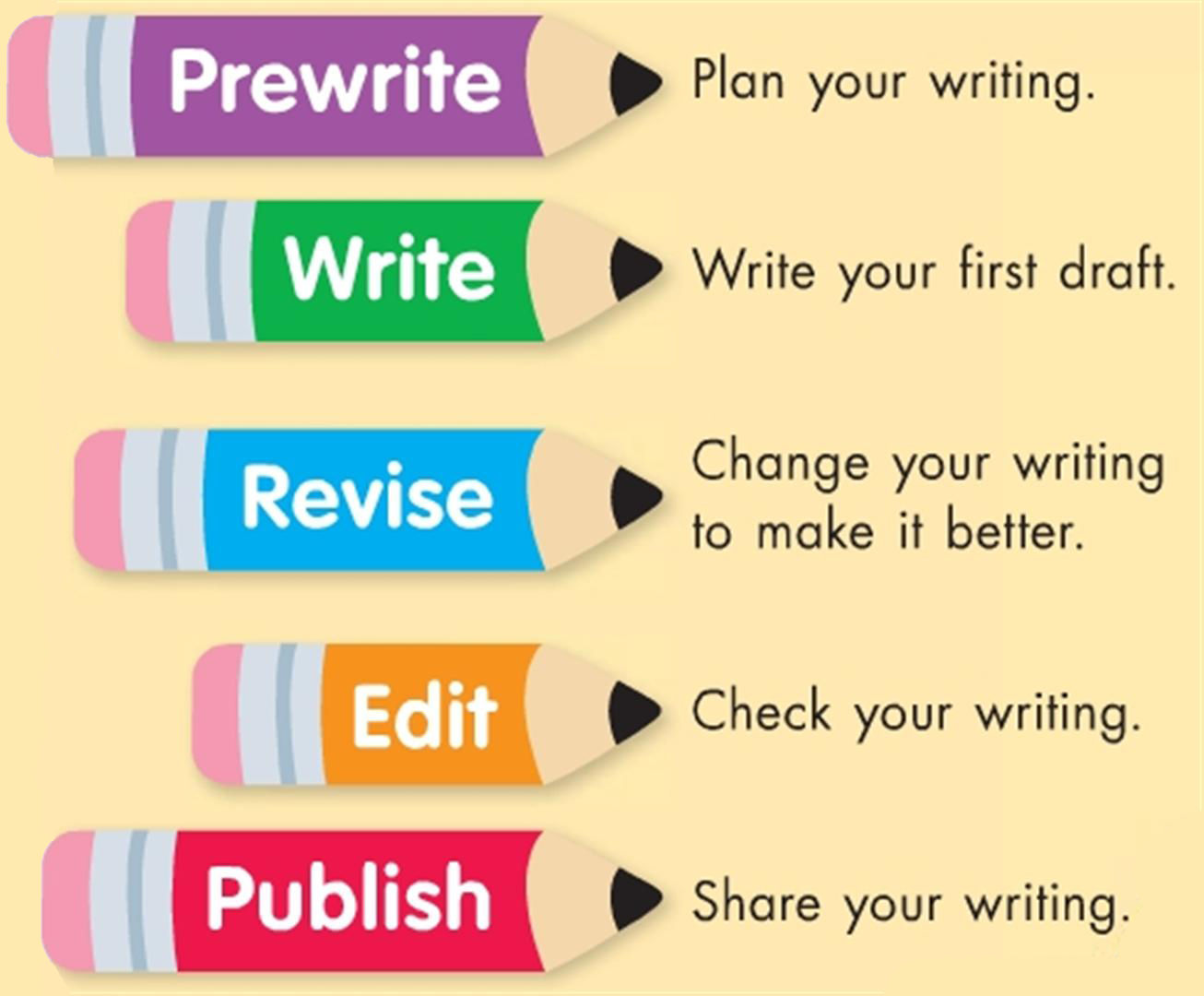
- Process Writing
- Students learn that writing involves thinking, reflection, and multiple revisions
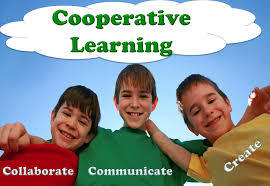
- Cooperative Learning
- Students work in carefully selected and organized groups on learning tasks that are structured so that all studenets share in the responsibility for completing the task.
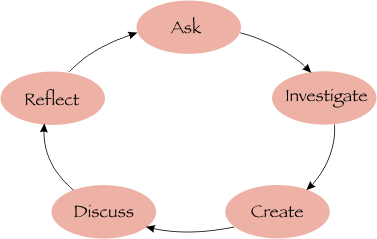
- Inquiry Approaches
- Moves students through an inquiry cycle designed to help them learn from experiences
- Standard-Based Instruction
- Based on national or state standards for each content subject area
- CALLA
- APPROACHES
- Cooperative learning
- Explicit LS instruction
- Maximizing content and language objectives
- KWL chart
- Questioning
- Word Walls
- Outlines
Imagens e arquivos do mapa






Informações
- Descrição
- Approaches and Methods for ESL
- Criado por
- Cindy Robertson
- Visualizações
- 57
- Tags
- Avaliação