
Mapa mental
B4
Conteúdo do mapa
B4
Cell Structure and function
- Plant and animal cells
- animal
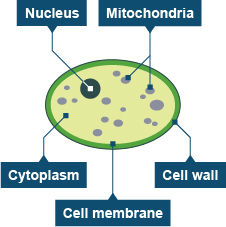
- Nucleus, contains DNA which has instrucions for making proteins. The enzymes used in chemical reactions of respiration (In plant photosythesis)
- Cytoplasm, where proteins are made and some chemical reactions take place
- Cell membrane, holds cell together and controls what goes out and in. (Water and gas pass freely)
- Mitrochondria, where the enzymes needed for the reactions of areobic respiration are found and take place
- Plant
- Plant cells have some extra things that animal cells dont
- Rigid cell wall, made of cellouse. Supports and strengthens cell.
- Vavuole contains cell sap. A weak sugar/salt solution
- Chlorpasts, where reaction for photosythesis takes place. Contains green substance called chlorophyll and enzymes for photosynthesis.
- Plant cells have some extra things that animal cells dont
- animal
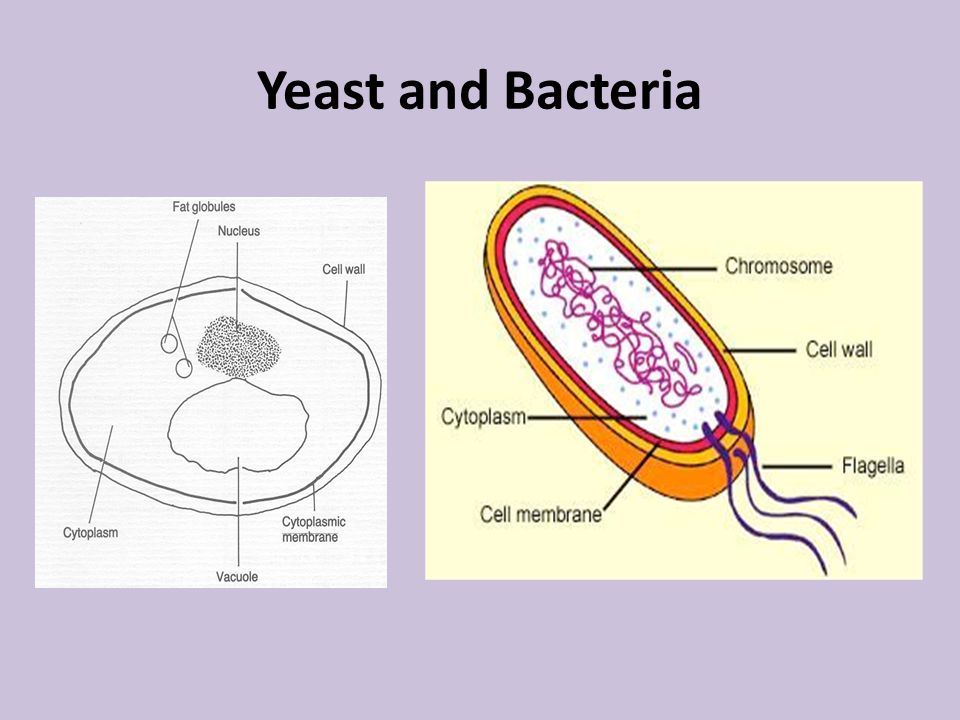
- Yeast Cells and Bacteria
- Yeast cells used to make bread/wine
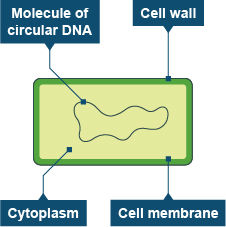
- Bacteria cells are different to the others. They don't have a nucleus or a mitochondria but can still respire aerobically.
- Plant and animal cells
Enzymes
- Enzymes are proteins made by living things
- Enzymes are proteins that speed up a chemical reaction
- There are 1000's of differnt reactions happening in living things. They are carefully controlled by enzymes
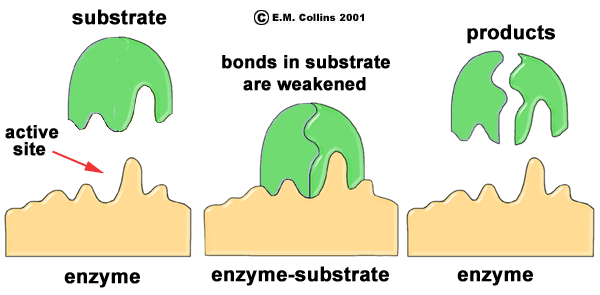
- Lock and key
- CR involve things being split or joined together
- Substrate is a moleculethat is changed in a reaction
- Each enzyme molecule has and active sits, where the substrate joins on to the enzyme
- Enzymes speed up one reaction because for the enzyme to work a substrate has to be the correct size/shape to fit the active site.
- Tempreture and pH
- Enzymes need to be at a specific constant tempreture/pH to work at their optimium
- Change in tempreture/pH chages the rate of an enzyme controlled CR
- High tempreture increases the rate a first but some bonds holding the enzyme begin to break if it gets too hot and this changes the enzymes active site make it denatured.
- If it is too cold it wil just work a lot slower.
- If the PH is too high or low the same happens and the enzyme denatures
- High tempreture increases the rate a first but some bonds holding the enzyme begin to break if it gets too hot and this changes the enzymes active site make it denatured.
- Enzymes are proteins made by living things
Aerobic Repiration
- Respiration is not breathing in and out
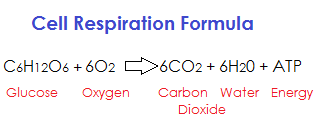
- Respiration is a series of CR that release energy by breaking down large food molecules (e.g glucose). It occurs in all living cells
- Energy released is used to power some chemical reactions
- Movement: Contract muscles
- Active transport: Move substance in and out of cells
- Synthis of large molecules: (Polymers are made by joining smaller molecules together. This requires energy
- Glucose is joined to make starch/Cellulose in plant cells. (Plant cells
- Animale cells: Glucose and nitrogen join to make amino acids which join to make proteins.
- Aerobic repiration needs plenty of Oxygen
- Means with oxygen and releases more energy per glucose molecule than anerobic repiration. Used most of the time
- Respiration is not breathing in and out
Anaerobic reperaion
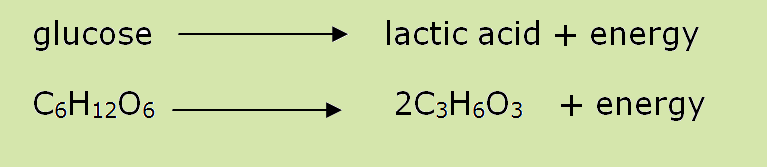
- Anerobic reperation doesnt use oxygen. Takes place when little/no oxygen is available
- If a plants roots become waerlogged. Bacteria gets stuck under skin or when oraganism have to exersise.
- In animal and some bacteria cells it produces lactic acid
- In plants and some, microorganisms they also produce Ethanol and carbon dioxide
- Fermentation: Microorganisms break down sugars into other products as the AR
- Biofuel: Microorganisms ferment plant/animal waste wich contains carbohydrates. Product made of methane and co2
- Bread: Yeast ferment the carbohydrates in flour and release Co2. Bread rises
- Alcohol: Yeast ferment sugar to form ethanol. Sugar used comes from grapes/barley
- Fermentation: Microorganisms break down sugars into other products as the AR
- Anerobic reperation doesnt use oxygen. Takes place when little/no oxygen is available
Photosynthesis
- Photosythesis produces Glucose
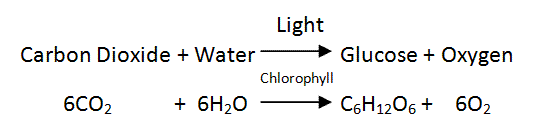
- Photosynthesis is a series of CR that uses energy from the sun to produce food (glucose)
- Happens in green parts of plants and some microorganisms (phytoplankton)
- Chlorophyll is needed for it to happen. Its a green substance that absorbs sunlight and allows the energy to be used to convert CO2 and H20 into glucose
- Organisms that use Photosynthesis are at the start of the food chain. Makes energy from the sun available to other organisms through being eaten
- The product glucose is used in three ways
- The glucose is used for respiration and this releases energy
- Glucose is used to make chemicals for growth, Converted to cellulose/Combined with nitrogen to make amino acids/ to make chlorophyll
- Stored as starcg all over the plant to be used as food in winter
- Photosythesis produces Glucose
Rate of photosythesis
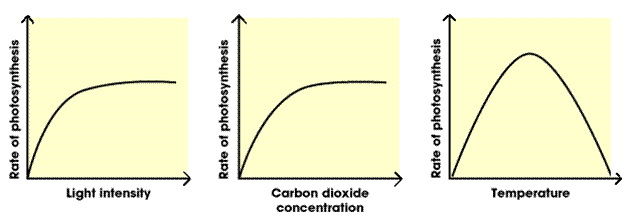
- Three factors affect the rate of photosynthesis
- Light, Co2 and tempreture
- Any can be the limitingfactor. Slows photsythesis. Depends on enviromental conditions
- Three factors affect the rate of photosynthesis
Investigating photsyntheisis
- Transect
- Way of investigating how something changes across an area. Run a tape measure from tow FIXED points, start at one end and collect the data you need, then the other
- Things that help collect data
- Light meter
- Quadrat
- Used to estimate th percentage cover over a paticular area. (Count if more than half covered)
- Identification Key
- Series of questions that are used to figure out what a plant is. You use it to narrow down the possibillities
- Transect
Diffusion, Osmosis, Active transport
- Diffusion is the passive overall movement of particles from a region of their higher concentration to a region of their lower concentration
- Osmosis is the overall movement of water from a dilute to a more concentrated solution through a partially permeable membrane
- Active transport is the overall movement of chemicals across a cell membrane from a region of high concentration using energy released by respiration.
Imagens e arquivos do mapa

Informações
- Descrição
- Biology Mapa Mental sobre B4, criado por Jake Fenton em 06-11-2016.
- Criado por
- Jake Fenton
- Visualizações
- 7
- Avaliação