
Mapa mental
Human Evolution
Conteúdo do mapa
Human Evolution
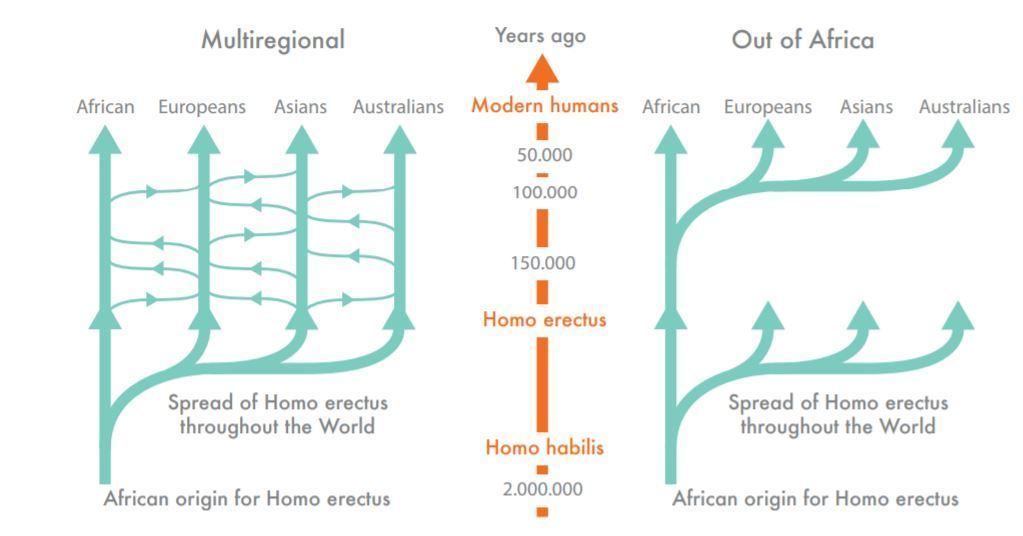
Patterns of Dispersal. Dispersal occurred 1-2 mya as climate changed,
- Multiregional Theory. Homo sapiens evolved simultaneously in Africa, Asia and Europe. It suggests that Homo erectus left Africa and formed different populations in different geographic locations. Eventually evolving into Homo sapiens. There would have been gene flow between populations for them to develop into the same species. Explains different phenotypes. Based on fossil evidence, transitional fossils of Homo erectus to Homo sapiens found in Asia. Would expect more genetic variation then there actually is.
- Out of Africa Theory (Replacement theory) suggests that all Homo sapiens originated from Africa. Homo sapiens left Africa and replaced earlier hominin species (Homo erects, including Neanderthals). Evidence to support this includes DNA tests showing that 1-4% of European DNA is Neanderthal. Africans are most genetically diverse. Oldest Homo sapien fossils found in Africa 200kya, none similar to this age found outside Africa. MtDNA and Y chromosome trace back to a common ancestor.
- Hybridization, OOA with some interbreeding when Homo sapiens got to new areas and met other hominins supported by evidence that all non-African have around 3% Neanderthal DNA. Melasians and some SE Asian groups have some Denisovan DNA.
Cultural Evolution Learned knowledge, ideas, beliefs, customs, skills, Can change quickly within a short time
- Tool Cultures
- Wooden tools (sticks) no evidence as it decomposed.
- Oldowan 2.7-1.7mya Homo habilis 5 blows, used for cutting and scraping bones enabling access to new food sources (bone marrow)
- Acheulean 1.2my-100kya Homo erectus 50 blows, required more planning and several stages in its manufacturing. Better at processing meat and potentially used to defend from predators.
- Mousterian 600-40kya Homo neanderthalensis. 150 blows Flint used extensively, produced by tools. cognitive ability required to produce tools, advanced over time. They were specialised.
- Upper palaeolithic 50kya Homo sapiens. 250 blows. Finely crafted, composite tools consisting of various materials e.g. wood, ivory, antler. Fish hooks add needles for sewing. Components specially made to fit into another e.g. spear heads into wooden shafts.
- Fire allowed tools to be made while it was dark by light fire provided. Also used to harden spear tips.
- Mousterian 600-40kya Homo neanderthalensis. 150 blows Flint used extensively, produced by tools. cognitive ability required to produce tools, advanced over time. They were specialised.
- Acheulean 1.2my-100kya Homo erectus 50 blows, required more planning and several stages in its manufacturing. Better at processing meat and potentially used to defend from predators.
- Oldowan 2.7-1.7mya Homo habilis 5 blows, used for cutting and scraping bones enabling access to new food sources (bone marrow)
- Wooden tools (sticks) no evidence as it decomposed.
- Farming
- Early hominins were scavengers, once tool making begun they became hunters. they relied on resources from their environment. Once these ran out they needed to move. Farming meant that they could stay in one location.
- Domestication of animals. Wolf/dog was first to be domesticated. Later came pigs, sheep and cows.
- Early agriculture involved wheat, rice and beans.
- Domestication of animals. Wolf/dog was first to be domesticated. Later came pigs, sheep and cows.
- Advantages: Food was easier to obtain, more dependable. fewer people died of starvation. people had specialised roles. Some went hunting while others made tools/clothing/shelter.
- Disadvantages: Food sources restricted to what they could grow. Success of harvest and health of animals was dependent on weather. Diseases spread easily in villages from animals or other humans due to population density. Fighting for animals and resources.
- Domestication led to larger more permanent settlements, trade between neighbourhoods, idea of ownership and wealth (fighting over resources).
- Early hominins were scavengers, once tool making begun they became hunters. they relied on resources from their environment. Once these ran out they needed to move. Farming meant that they could stay in one location.
- Fire
- First hominin to use fire was Homo erectus, 1mya.
- Provided warmth. This allowed them to leave Africa to colder environments like Europe.
- Allowed food to be cooked. Softening it and making it easier to digest. Also killed microbes do it became safer to eat.
- Source of light, lengthening day to be productive, able to make tools at night, free time, social interactions. Being able to cook food meant less tiem devoted to gathering/hunting so more time for learning/communication, tool making and creating bigger families.
- Increased rate of cultural evolution
- Source of light, lengthening day to be productive, able to make tools at night, free time, social interactions. Being able to cook food meant less tiem devoted to gathering/hunting so more time for learning/communication, tool making and creating bigger families.
- Allowed food to be cooked. Softening it and making it easier to digest. Also killed microbes do it became safer to eat.
- Provided warmth. This allowed them to leave Africa to colder environments like Europe.
- First hominin to use fire was Homo erectus, 1mya.
- Clothing was first used by Homo neanderthalensis. Needles were made out of bone. Able to survive in the cold European climate. Homo sapiens refined the making of clothes.
- Shelters
- The first form of shelter was most likely caves, overhangs, large trees. Creating artificial shelters allowed flexibility in where they were located. Clothing enhanced them ability to withstand cold.
- Art, social groups, imagination, abstract though, problem solving, burial of dead
- Homo habilis were the first to use speech but didn't have a voice box so mainly grunts. A larger brain meant growth of the Broca's area which shows capability of speech. Homo erectus made more advanced speech but not complete sounds. Homo neandethalensis and Homo erectus were able to make proper sounds.
- As hominins evolved and brain size increased so did intelligence. Neanderthals were the first to bury the dead, suggesting they looked after the elderly and had stronger social bonds. The also showed rituals such as burring flowers or tools with the dead. This indicates they may have believed in an afterlife.
- Homo sapiens are the most culturally evolved. First species to use art known from paintings see around the world in caves etc.
- As hominins evolved and brain size increased so did intelligence. Neanderthals were the first to bury the dead, suggesting they looked after the elderly and had stronger social bonds. The also showed rituals such as burring flowers or tools with the dead. This indicates they may have believed in an afterlife.
- Homo habilis were the first to use speech but didn't have a voice box so mainly grunts. A larger brain meant growth of the Broca's area which shows capability of speech. Homo erectus made more advanced speech but not complete sounds. Homo neandethalensis and Homo erectus were able to make proper sounds.
- Cooperative hunting, speech, planning ahead
- The ability to hunt successfully increased as brain size increased. Hominins also took on specialised roles. Communication meant hunting was successful and their diet consisted of more protein. Leading to increased brain capacity.
- Tool Cultures
Biological Evolution Genetically based, changes are slow because it requires allele frequencies to change over generations. Requires sexual maturity
- Bipedalism
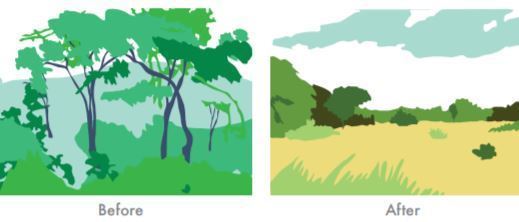
- Changes in climate occurred. The dense forest became dry savannah. Living arboreal was not efficient anymore. So bipedalism was selected for.
- Walking on two legs. More efficient than "knuckle-walking" like quadrupeds. It freed up the hands. Leading to cultural evolution and increased cranial capacity.
- Increased cranial capacity
- Due to skeletal changes the skull could increase in size making room for a larger brain. A positive food back loop causes continual increase of brain size in hominins due to biological and some cultural changes.
- Became bipedal
- Freed up the hands
- Able to use and make tools
- Diet changes, more protein.
- Increased brain size
- Improved communication
- Increased brain size
- Diet changes, more protein.
- Able to use and make tools
- Freed up the hands
- Became bipedal
- Due to skeletal changes the skull could increase in size making room for a larger brain. A positive food back loop causes continual increase of brain size in hominins due to biological and some cultural changes.
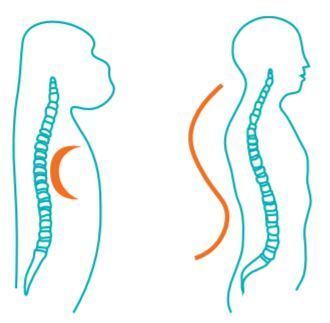
- S-shaped spine
- Keeps weight of now upright body above hip joint. Quadrupeds have a c-shaped spine to counterbalance the forces of internal organs pushing downwards.
- Changes in the feet
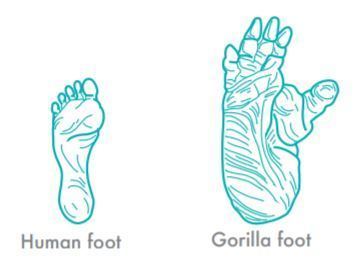
- Humans have a forward-facing big toe which provides thrust. The arch of the foot acts as a shock absorber when walking and running. This allowed us to walk longer distances. Apes have an opposable big toe to grab onto branches.
- Advantages of Bipedalism
- Freeing up of the hands. This allowed us to make tools, larger amounts of food can be carried and infants held.
- Hands changed. Apes had a power grip to grip branches and long curved fingers. Humans have shorter, straight fingers and a fully opposable thumb. This allows for a precision grip to hold tools.
- Standing up allowed hominins to see further, could spot predators from far away. There was also less surface area exposed to the sun (solar radiation) so could stay cooler in warm, unsheltered environment.
- Freeing up of the hands. This allowed us to make tools, larger amounts of food can be carried and infants held.
- Valgus angle
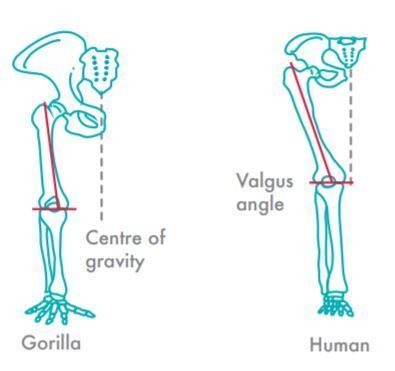
- The angle of the femur relative to the pelvis. It gives humans a knock-kneed stance and brings the knees under the pelvis. It stops swaying motion when walking. Apes lack this and sway side to side. Not efficient for bipeds.
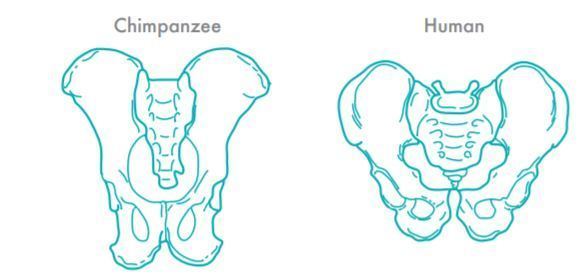
- Pelvis
- In order to reduce stress placed on the pelvis by weight from upper body when standing upright bipeds developed a short and wide pelvis. This also allowed women to give birth to babies with large skulls.Apes have a narrow and long pelvis to accommodate large leg muscle attachment.
- Diet changes
- From a herbivorous diet consisting of tough plant material to an omnivorous one rich in protein from meat and softer cook foods. Fewer jaw muscles required. A changing diet put selective pressures on structural features.
- Large teeth and a rectangular jaw that apes had were no longer required. Humans have smaller teeth and a U-shaped jaw. Apes have a large brow ridge to support skull from stresses of chewing tough plant material. Humans have a less pronounced brow ridge. Apes had a zygomatic arch (cheek bones) which is where the jaw muscles pass through. Humans have a much smaller one. Diastema not present in humans as there are no large canines.
- From a herbivorous diet consisting of tough plant material to an omnivorous one rich in protein from meat and softer cook foods. Fewer jaw muscles required. A changing diet put selective pressures on structural features.
- Foramen magnum
- is centrally located in modern hominins. To balance the skull directly on top of the spine. requiring less muscular energy to hold the face up. This meant the nuchal crest (where neck muscles attache) also decreased in size. In apes it is at the back of the skull so the head is positioned appropriately when walking on all fours.
- Bipedalism
Imagens e arquivos do mapa
Informações
- Descrição
- NCEA Level 3 Biology Mapa Mental sobre Human Evolution, criado por Emma Warmerdam em 07-11-2018.
- Criado por
- Emma Warmerdam
- Visualizações
- 1
- Avaliação