
Mapa mental
Assessment in ESL classrooms
Conteúdo do mapa
Assessment in ESL classrooms
ELLs & First Language
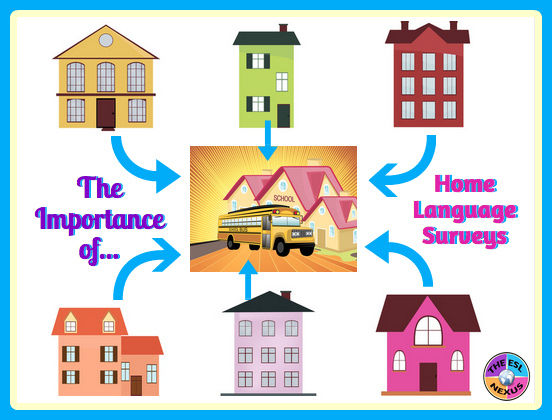
- Home language survey
- to identify whether or not the child is exposed to languages other than English in the home environment
- should determine all other languages the child may be hearing as well as the parents' first language
- needs to be administered in the parent or guardian's primary language
- Native language literacy
- Literacy skills from the child's first language can translate to and facilitate the acquisition of English language literacy skills (August, Calderon, & Carlo, 2001).
- not always easy to assess, and a team approach is needed.
- Family engagement
- family literacy can enhance students' chances for academic success
- Home language survey
Culturally-Responsive Tests
- Culturally-free testing -> Doesn't exist
- Instead, a testing should be culturally-responsive, because a test is to assess content area
- Supporting Schoolwide Culturally Responsive Practice Video (not specifically about assessment, but is applicable in general)
- Being culturally unbiased
- Providing sufficient details so that it can be understood without understanding of culture
- Personal example: In a test I took, there was a narrative about somebody's wedding that was held in a church. One of the choices said "She had a typical wedding" and I didn't choose it because church wedding didn't sound typical to me. From this experience, I can tell test administrators should be careful with languages like "typical, normal, traditional" and so forth.
- Instead, a testing should be culturally-responsive, because a test is to assess content area
- Culturally-free testing -> Doesn't exist
Traditional Assessment
- Curriculum -> Assessment
- Selecting a Response
- Contrived
- Recall/Recognition
- Teacher-structured
- Indirect Evidence
Authentic Assessment
- Benefits of AA
- provide direct evidence
- students engage in the construction of meaning
- vehicles for learning!
- integrate teaching, learning, and assessments
- flexible in demonstration
- Assessment -> Curriculum (planning backwards)
- Performing a Task
- Real-life
- Construction/Application
- Student-structured
- Direct Evidence
- Students are asked to perform real-world tasks that demonstrate meaningful application of essential knowledge and skills
- I think almost all classroom activities can function as authentic assessments as long as the teacher has solid criteria or rubrics. This includes role-playing, discussion, portfolios, retelling stories, and so forth.
- Benefits of AA
Accommodations
- When a childe's English proficiency is determined to be insufficient by teachers/specialists
- When ELLs, in addition to being second language learners, have separate educational needs that warrant accommodations
- Common accommodations
- extra time for testing
- read test instructions aloud
- make sure students comprehend the instructions
- read the writing and math test items aloud
- extra breaks during testing
- a testing environment with fewer students and potential distractions
- In a school visit last year, there was a student who had previous school experience and grade-level content knowledge yet had low English reading skills. So the ESL teacher 1) altered vocabulary used in the instruction in accordance with his level and 2) read the instruction outloud for him.
Imagens e arquivos do mapa





Informações
- Descrição
- Mapa Mental sobre Assessment in ESL classrooms, criado por Gemma Kim em 01-02-2021.
- Criado por
- Gemma Kim
- Visualizações
- 22
- Tags
- Avaliação
Mais sobre Alternative and Authentic Assessment