
Notas
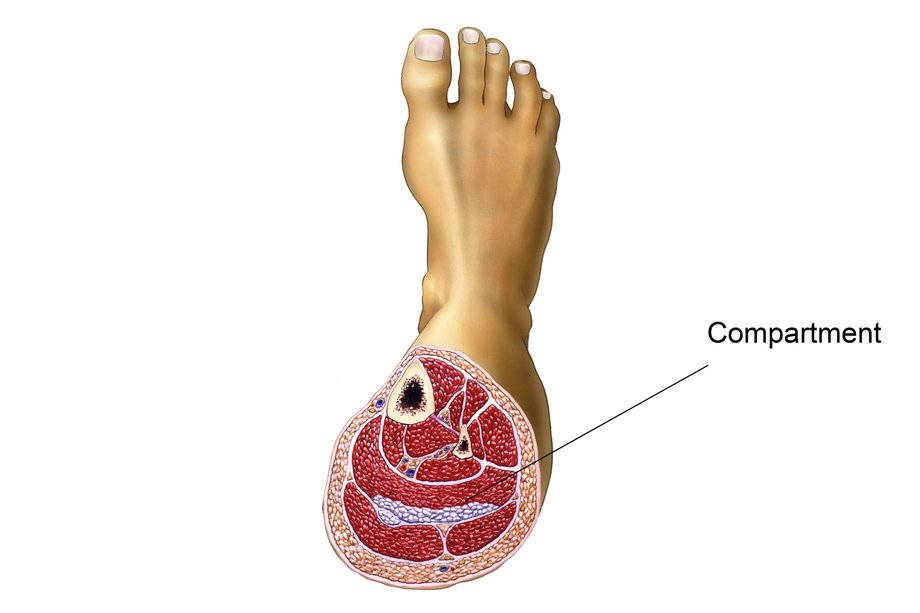
Acute Compartment Syndrome - created from Mind Map
Conteúdo das notas (1)
Página 1
Causes
Risk Factors
Pathophsyology
Clinical manifestations
Diagnosis
(Papachristos & Giannoudis, 2018)
Decreased compartment size
Increased compatment contents
Restrictive dressings
Splints
Casts
Excessive Traction
Premature closure of fascia
Fractures
Soft Tissue injuries
Intravenous Infiltartion
Bleeding
Edema
Chemical response to snake bite
Trauma
Crush injuries
Closed
Open
Complete
Incomplete
Long bones
Anterior lower extermity
Humerus
Tibia
More common in older ages
Sprains
Strains
Dislocations
Subluxation
Volkmann's ischemic contracture
Anterior tibial compartment syndrome
Age
Male gendered
(Papachristos & Giannoudis, 2018)
Under 35 years old
Adolescents
Biggest Risk
Increased pressure in muscle compartments
Normal Compartment range is 0-8 mm Hg
Outer covering is called the fascia, it does not stretch
Leads to Ischemia
Plasma leaks out of capillaries causing edema
Houses nereves and blood vessels
Accumulation of blood or swelling in a compartment causes increased pressure
Decreased Tissue perfusion
Damaged muscle tissue
Nerve cell damage
Lack of oxygenated blood and increase in waste product accumulation
Necrosis of tissue occurs with compartment pressures over 30 mm Hg
4-8 hours
Cellular destruction results inmyoglobin realesed into the bloodstream
Increase in creatine kinase
Circulating myoglobin can cause renal tubular obstruction and acute renal failure
Rhabdomyolysis
The 6 P's
Pain
Paresthesia
Pallor
Paralysis
Pulselessness
Pressure
Intense, deep and difficult to localize
Sign of impending and still reversible compartment syndrome
Distal to the injury, cyanosis and mottling may also be present
Late sign
Abcense of a pulse is a late sign
From increased compartment size
Specific clinical signs
ICP messurements
Infrared spectroscopy
pH monitoring
MRI
6 P's
Peak pressure is 5 cm distal and proximal to fracture site
ICP of 30m Hg for more then 2 hrs
Measures tissue oxygenation
Due to anerobic cellular activity acidosis can occur, intra-compartment pH of <6.4 indicates compartment syndrome
Detects intra-compartmental swelling
Informações
- Descrição
- mind map
- Criado por
- Caitlin Parliament · out 2018
- Atualizado
- 29 out 2018
- Visualizações
- 6
- Histórico
-
- Criado por Caitlin Parliament · 29 out 2018
- Copiado para Nota por Caitlin Parliament · 29 out 2018
- Avaliação