
Respiration
Slides do conjunto (24)
-
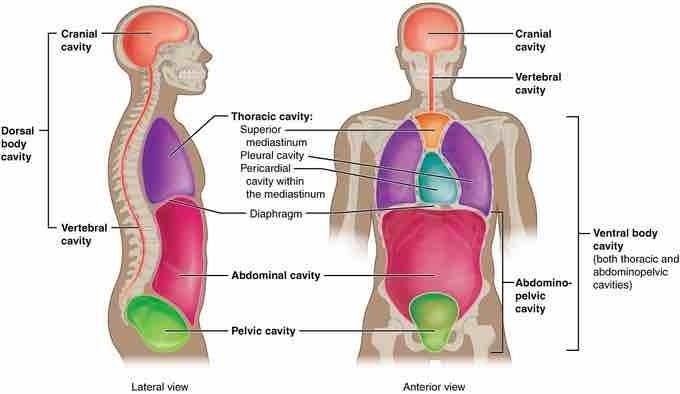
What is the diaphragm connected to?
- The diaphragm is connected to the lungs, ribs, and the vertebral column.
- The diaphragm separates the clean organs from the dirty organs.
-
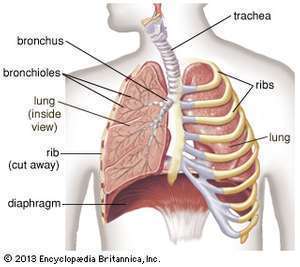
At rest, the diaphragm sits in what position?
- At rest, the diaphragm sits like an inverted bowl.
-
- during inhalation-
- the lungs expand
- the pressure in the lungs decreases
- air flows towards the lower pressure in the lungs
- during exhalation-
- lung volume decreases
- pressure within the lungs increases
- air flows from the higher pressure in the lungs to the outside
- More pressure outside less pressure inside
- Less pressure outside more pressure inside
- Boyles Law from Respiratory System - Anatomy & Physiology Online (Incorporar)
-
Functional Definition of Respiration
- a biological function essential for life
- as respiratory competency decreases, speech efficiency will diminish as well
- Lung tissue and muscles of respiration are flexible and elastic
-
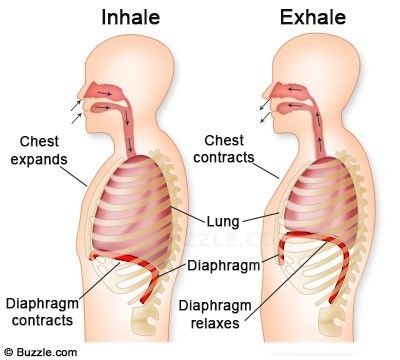
- 2 in the left lobe, 3 in the right lobe
- left lobe- because heart is present
-
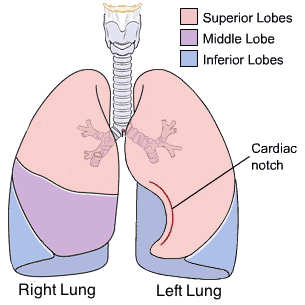
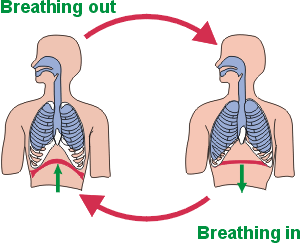
- Inhalation pulls O2 in, while expiration removes CO2
-
- Inspiration is breathing in O2 and is active
- Expiration is breathing out waste CO2 which is passive
-
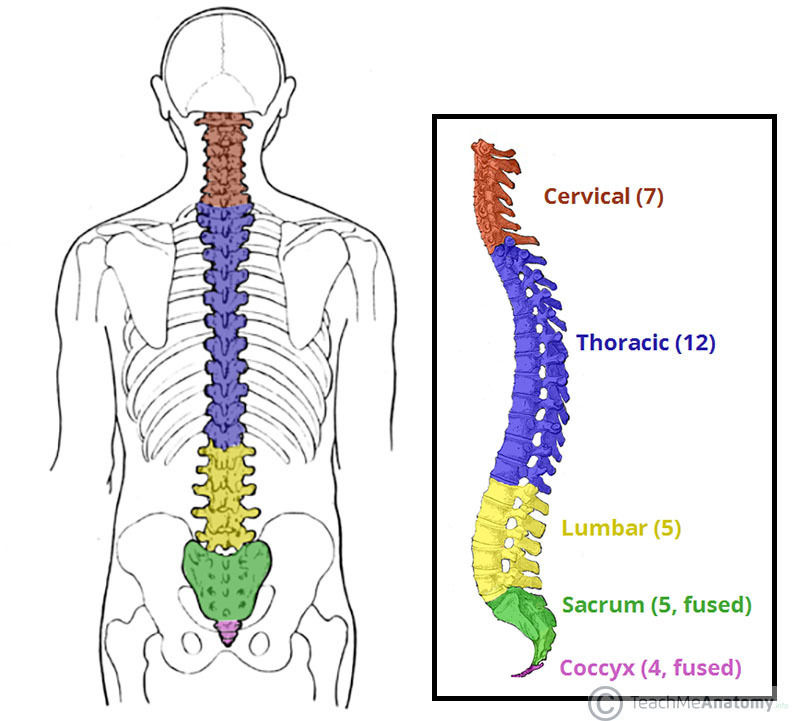
- Cervical- 7
- Thoracic- 12
- Lumbar- 5
- Sacral- 5
- Coccygeal- 3 or 4
-
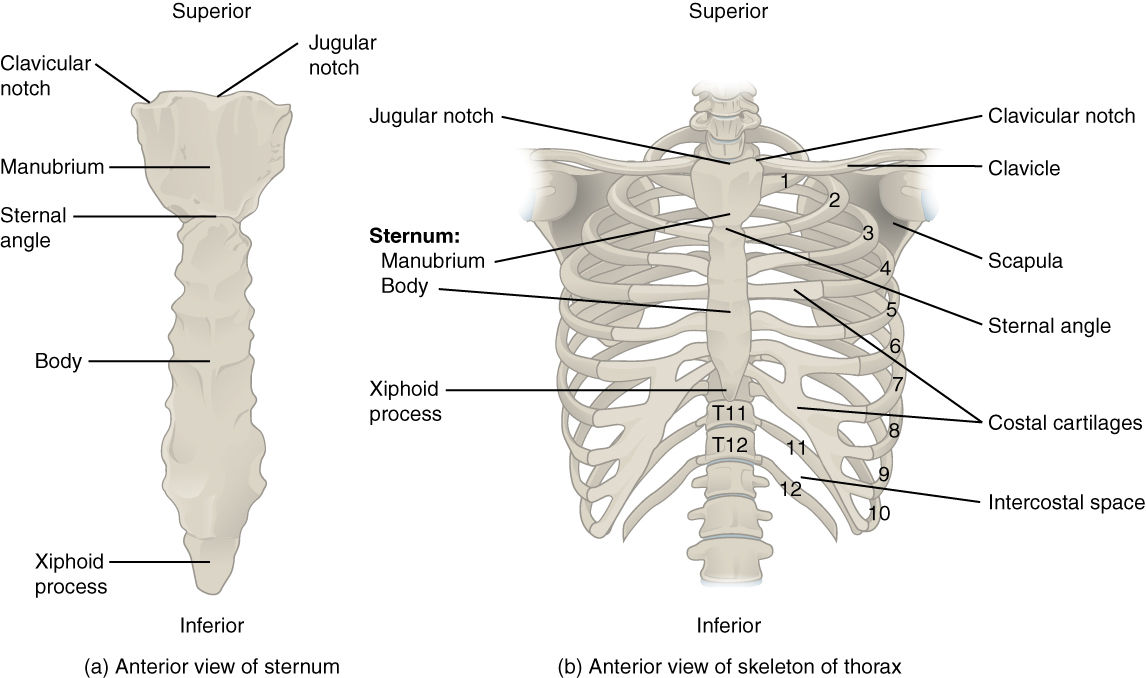
What is the thoracic vert. connected to?
- The thoracic cavity is connected to the sternum anteriorly
-
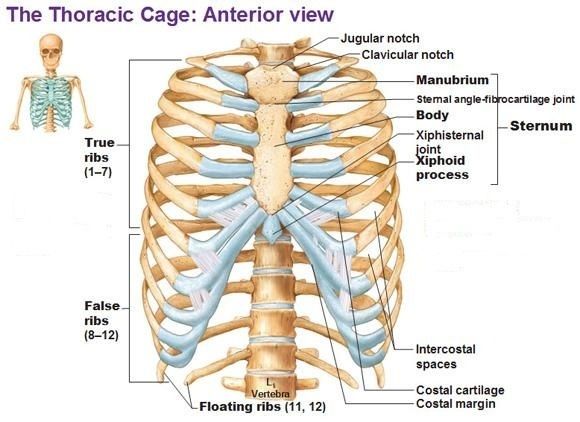
How many ribs are there and what
- True ribs- 1-7 direct attachment to the sternum
- False Ribs- 8-10 chondral ends runs superiorly to attach to sternum
- Floating ribs 11-12 articulate only with the vertebral column
-
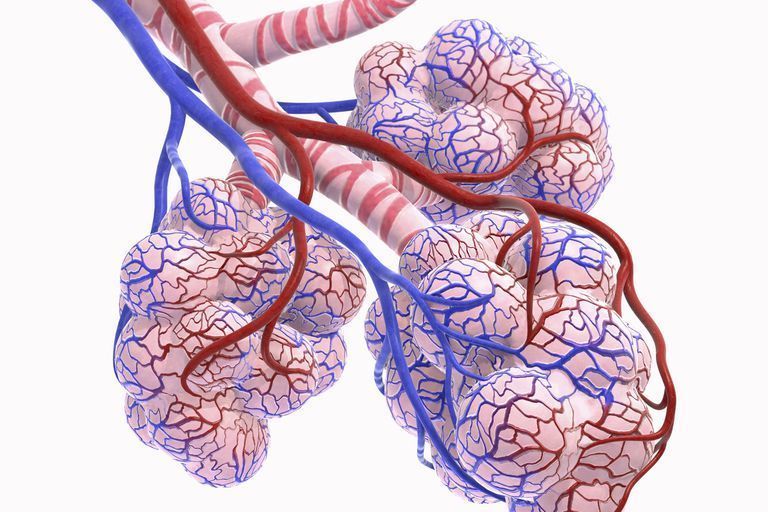
- alveoli function- gas exchange
- Air sacs at birth = about 25 million
- Air sacs as an adult = 300 million
-
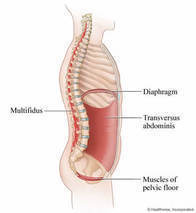
- primary muscle of the thorax
- diaphragm
- MUSCLE OF INSPIRATION
-
- Accessory muscles of the Thorax
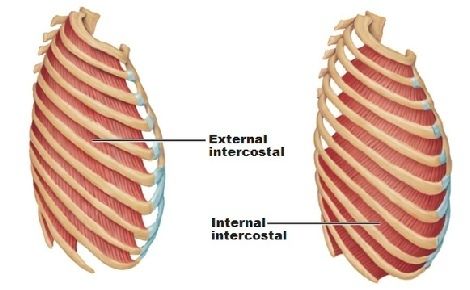
- External Intercostals
- raises the rib cage
- Internal Intercostals
- depresses the rib cage
- MUSCLE OF INSPIRATION
-
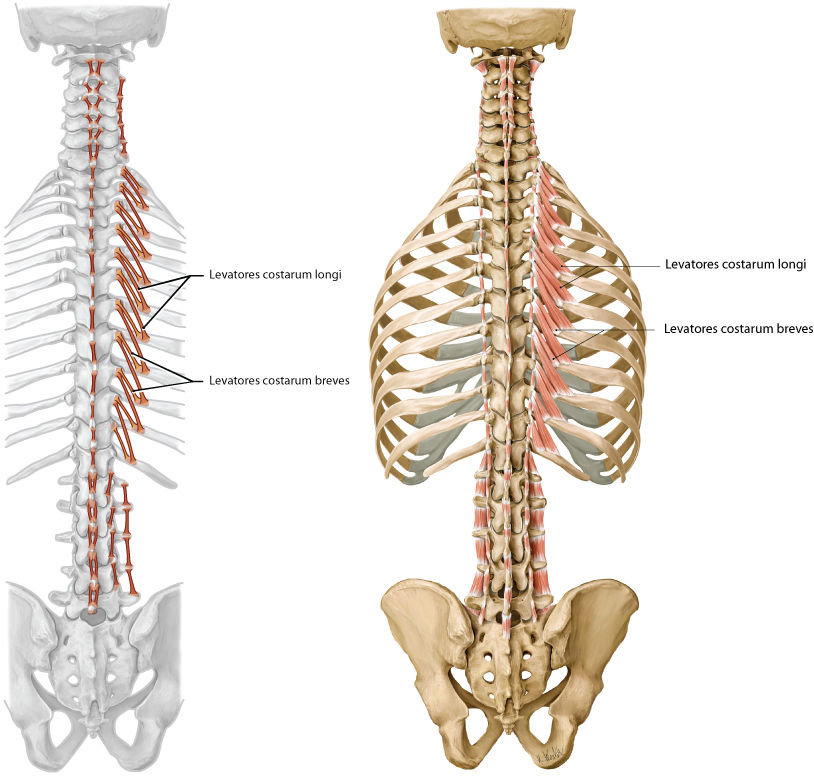
- Levatores Costarum- posterior
- MUSCLE OF INSPIRATION
-
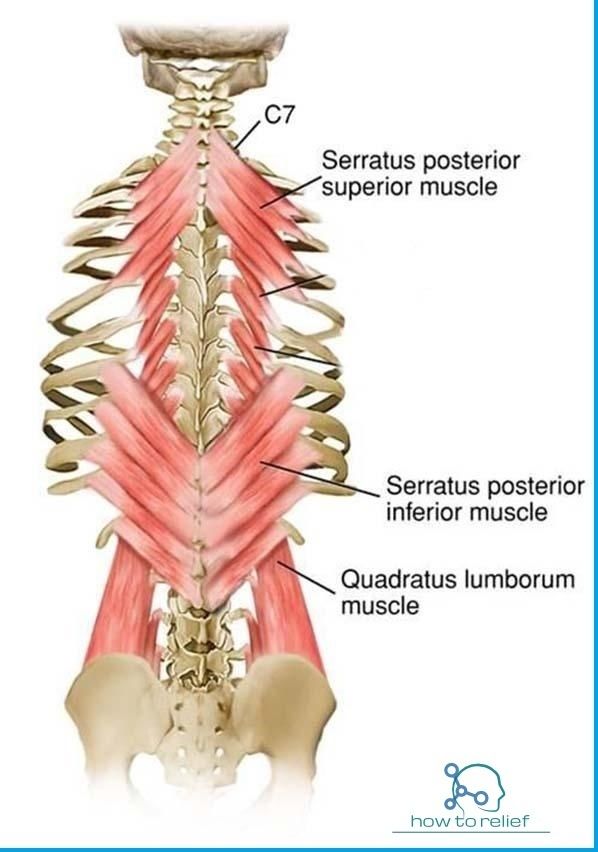
- Serratus posterior superior and inferior
- MUSCLE OF INSPIRATION
-
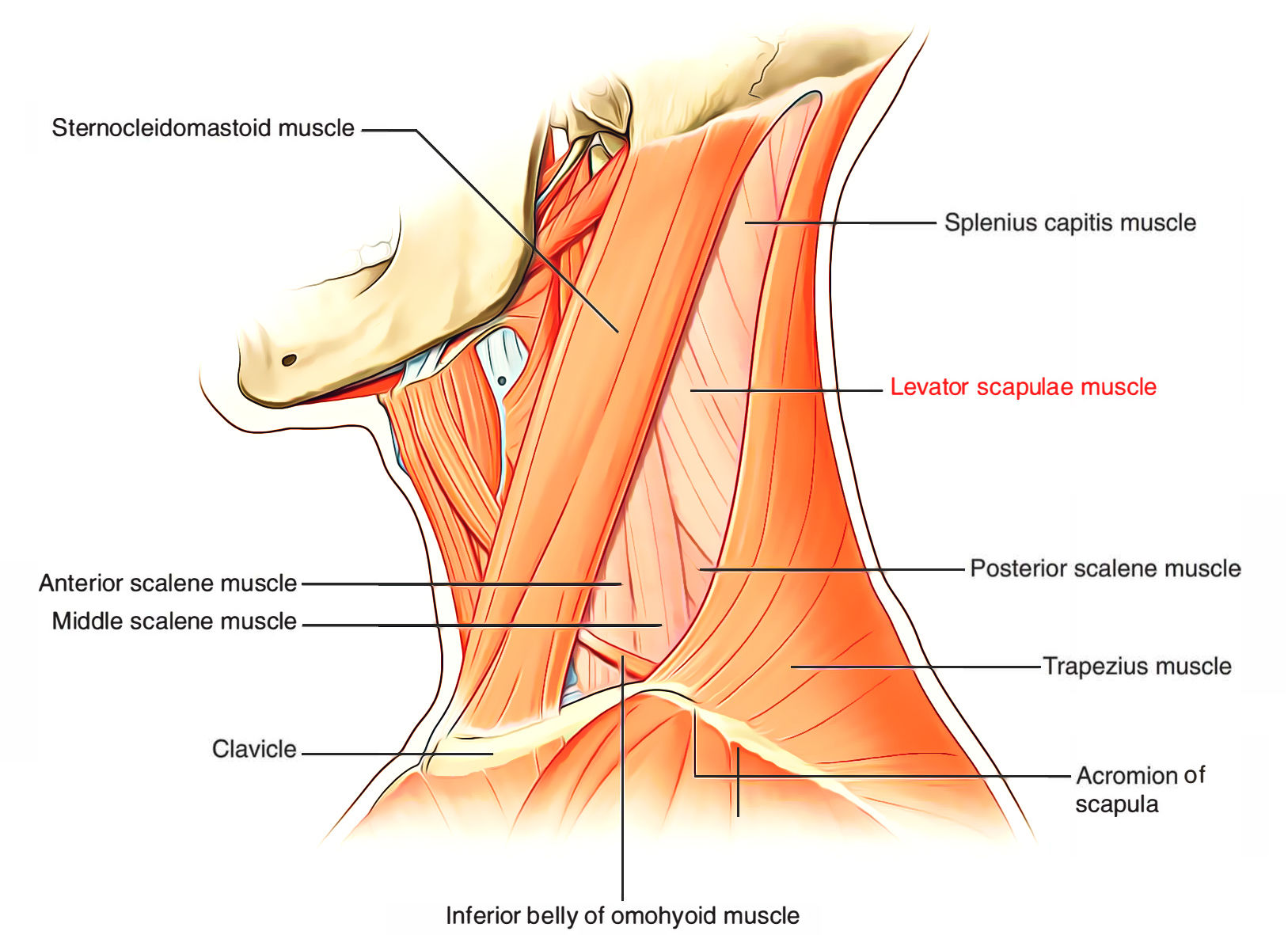
- Levator Scapulae
- MUSCLE OF INSPIRATION
-
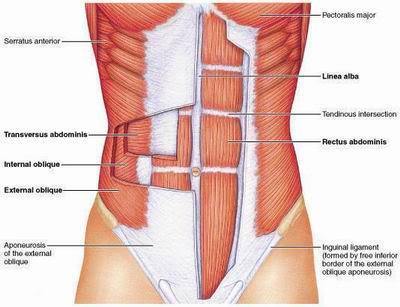
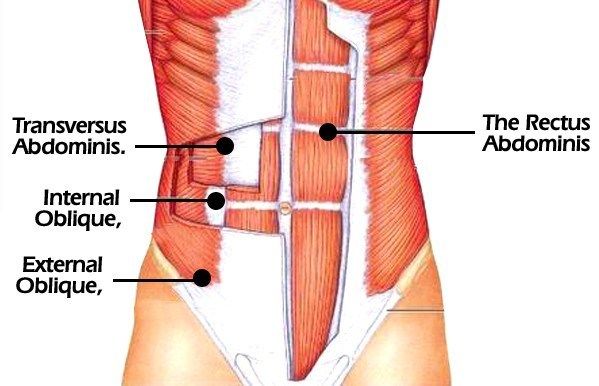
- Tranversus abdominus
- MUSCLE OF EXPIRATION
-
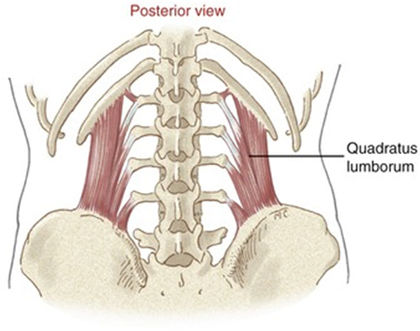
- Quadratus Lumborum
- MUSCLE OF EXPIRATION
-
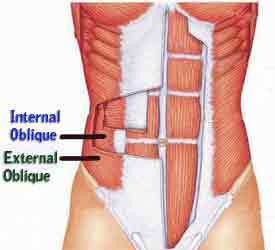
- Internal and External Obliques
- MUSCLE OF EXPIRATION
-
- Rectus abdominus
- MUSCLE OF EXPIRATION
-
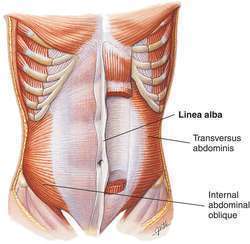
- Linea Alba
-
- Spirometer- measures respiratory flow, volumes, and capacity
- Manometer- measures pressure
- pulse oximeter- measures O2 and CO2 levels by drawing blood gases
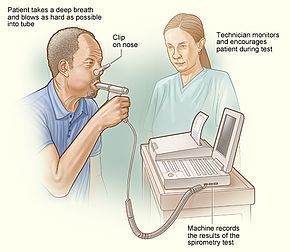
- Legenda: spirometer
-
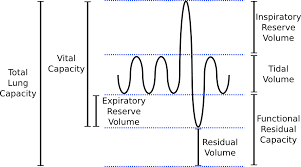
- Vital capacity- maximum amount of gas expired after maximum inhalation
- Residual- volume of air in the lungs after maximum exhalation
- total lung capacity- vital capacity and residual volume
-
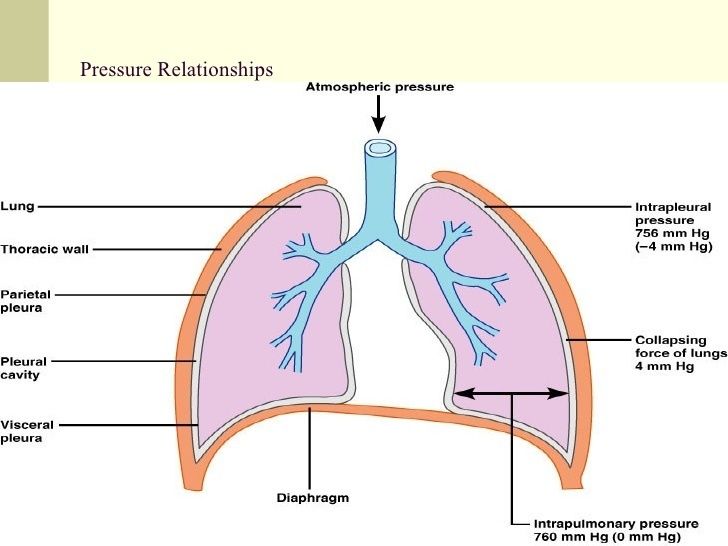
- Atmospheric- outside the body
- Intraoral- in the oral cavity
- Subglottal- below the level of the vocal folds
- Alveolar- in the alveoli
- Intrapleural- between the visceral & parietal pleurae
Informações
- Descrição
- Anatomy and Physiology of the Speech and Hearing Sciences Slides sobre Respiration, criado por Emily Clawson em 25-02-2019.
- Criado por
- Emily Clawson · fev 2019
- Atualizado
- 26 fev 2019
- Visualizações
- 3
- Avaliação