
How People Think
Slides in this set (6)
-
33. Processing Information Best
- People Process Information Best in Story Form
- Let me tell you a story! ... how people best process information
- Beginning (introduce your setting, characters, and situation/conflict)
- Middle (obstacle or conflict)
- End (obstacle comes to climax and is resolved)
- The best stories create emotion and engage the reader.
- Stories can make dry information more memorable and interesting.
- Stories can lead to casual leaps...and may fill in causation when none is there. If not all the information is given within a story our brains tend to fill in the gaps creating a causation.
- "Once there was a young boy helping his mother cook dinner. She stepped away for just
- a minute and when she returned the mixing bowl had fallen on the floor."
-
- People Learn Best From Examples
- Don't just tell people what to do...Show them!
- Combined text with images and screen shots to show examples.
- Follow along process, it's easier to remember a topic/learn if you work through the actions.
- Example: Step by step instruction are best combined with image examples of the information being explained.
- Video examples are the most effective ways to give an example online. They use movement, sound, and visuals (with no reading) leads these examples to be more engaging and memorable.
- How to Create Quizzes with GoConqr (Embed)
- Caption: This YouTube video, visually shows you with easy step by step instructions how to create quizzes on GoConqr.
-
35. Driven to Create Categories
- People are Driven to Create Categories
- People naturally put things into categories.
- With a lot of information not organized, people will tend to organize it on their own.
- Create an organization strategy based on who it needs to be designed for.
- Get input from people about what organization makes the most sense to them.
- **keep in mind of the four-item rule from "How People Remember". Break your categories into 4 or less chunks.

-
- Time is Relative
- The more mental processing you do, the more time you believe passes.
- Provide progress indicators so people know how much time a task is going to take. This allows individuals to mentally prepare for a task and budget time accordingly.
- Break up a task into steps to make it seem shorter and people can think less.
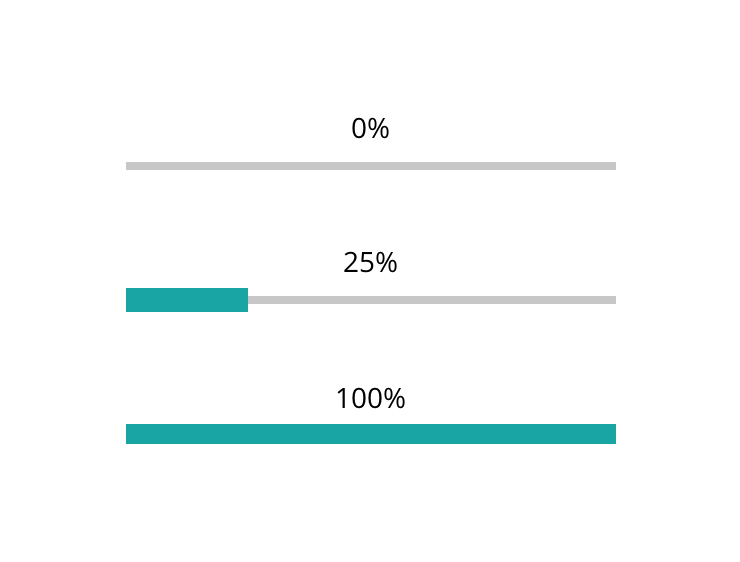
- Caption: Progress indicator
-
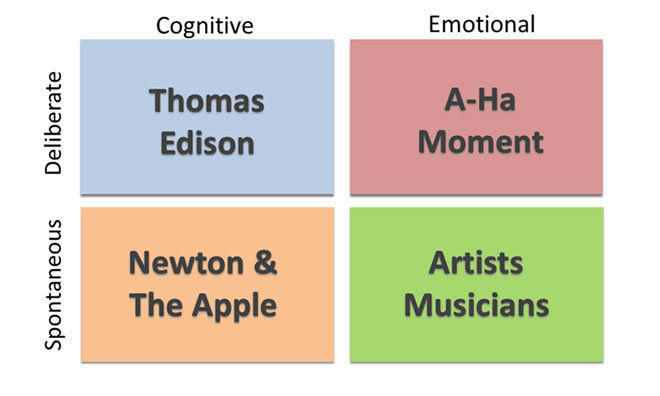
- There are Four Ways to Be Creative
- Deliberate and Cognitive Creativity
- You must have a pre-existing body of knowledge about one or more particular topics. One must also be given enough time to work through a topic/problem.
- Deliberate and Emotional Creativity
- Requires quiet time to think and ponder. Step away from the problem. People tend to have an a-ha moment having to do with feelings and emotions.
- Spontaneous and Cognitive Creativity
- Conscious part of the brain stops working on the problem and gives the unconscious part a chance to work instead. *Step away and do a different unrelated activity.
- Spontaneous and Emotional Creativity
- Often one must have a skill (such as musician, artist, writer) to create something from spontaneous and emotional creativity.
- **Allow yourself time to work on a design solution and when you get stuck take a step back (sleep on it).**
- Caption: Image retrieved from primopt.com/2018/12/08/creativity/
-
- People Can be in a Flow State
- When one is totally engrossed in some kind of activity. (Their sense of time changes)
- If you are trying to create a flow state:
- minimize distractions
- give constant feedback
- break up difficult stages into smaller tasks (feeling of a challenge and achievement to keep going gives a positive experience)
Information
- Description
- Section 33-38 Under How People Think. 100 Things every Designer Needs to Know About People.
- Created by
- Natasha Feliciano
- Views
- 48
- Tags
- Rating