
Karteikarten
Child development
Karten in diesem Stapel (27)
- 1Single parent familySingle parent- one parent e.g. mother or father living with the child
- 2Reconstituted (step) familyReconstituted (step)- a family with a step mother or father
- 3Nuclear FamilyNuclear- a family with both biological parents and children
- 4ExtendedA large group e.g. grandparents who help the family
- 5Same sex (homosexual)Adults of the same sex who live together and may choose to involve a child
- 6AdoptiveNon biological parents legally and permanently adopt a child
- 7FosterParents look after child(ren) on a temporary basis.
- 8Residential care homeThere to look after children who cannot live with their own family
- 9What is a culture?A set of norms, beliefs and values that belong to a group, which makes them different to other groups.
- 10Signs of different culturesMusic, Size of family, Hygiene, Lifestyle, Traditions and celebrations, Food and eating habits, Language and dialect, Religion, Clothing, Art and literature
- 11Factors to consider when planning a familyAre the parents in a stable relationship? Are the parents financially stable? Do they have enough money to support the baby? will a baby bring about changes in their careers? what would be the best age gap between the children?
- 12Factors to consider when planning a familyWhat effect might it have on the parents' lifestyle? What might be the ideal age for the parents? How many children do they want? Can the parents provide for the child/children's needs? e.g. home, clothing
- 13A stable relation ship will have?Love, Respect, Comfort, Loyalty, Priorities, Commitment to each other, Give and take, Trust, Security
- 14Preparation for the baby- what might a baby need?Clothing, Equipment for sitting and playing, Somewhere to sleep, Equipment for bathing and changing, equipment for travelling, Toys to play with
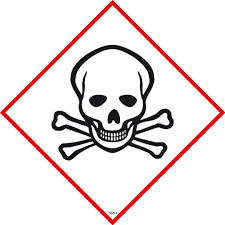
- 15House hold labelsMany everyday cleaning products, and furniture and equipment such as washing powders or cots and prams will have a label saying how dangerous the equipment is (substances) and to show that they meet safety standards.
- 16—This symbol means toxic, or very toxic.
It would cause serious health risk if swallowed, inhaled or spilt on the skin. - 17—Anything with this label means that is it corrosive.
It may cause painful burns and destroy living tissue.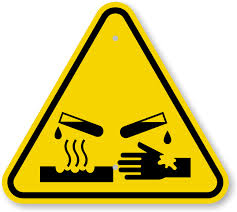
- 18—This is the Kitemark label
it can be found on furniture and electrical goods
It shows that they are made to the correct British Standard.
- 19—This is the CE Mark
This is a safety mark for European Goods.
- 20—This is the BEAB Mark of safety
Can be found electrical goods to show that they meet government safety standards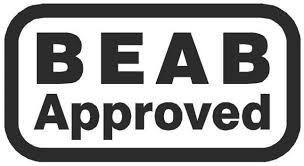
- 21—This is the Fire Resistance Label.
It should be attached to both first and second hand furniture, to show that their covers and filling meet fire resistance regulations.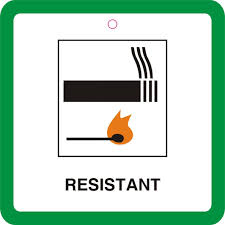
- 22Types of accidentsScalds and burns, falls, chocking, suffocation, road accidents, drowning, poisoning
- 23Preventing accidents- fallsFitting safety gates and barriers at top and bottom of stairs, using window latches- especially upstairs windows, using safety harnesses when a baby is in highchair or pushchair, ensuring rugs are non slip, especially on laminates surfaces, picking up toys, shoes to prevent tripping
- 24Preventing accidents- fire safetyensure smoke alarms are fitted and working, use fire and heater guards, not using candles around young children, having a fire extinguisher, always supervising cookers, barbeques and bonfires, fitting socket guards
- 25Preventing accidents- water safetydo not leave baby unattended in the bath- so collect everything needed beforehand, only use a small amount of water, ensure child wears armbands when near or pools, teach them to swim at an early age
- 26preventing accidents- scalds and burnsput cold water in bath before hot water and test temperature before putting child in, cover bath taps with a cloth, don't drink hot drinks while holding child, keep hot drinks, irons away from surface edges, use cooker guards etc
- 27preventing accidents- suffocation and chockingKeep small items such as buttons and Lego out of reach, pillows shouldn't be used under one years old, put babies in the 'feet to foot' position to sleep, never leave a baby alone with a propped up bottle, keep plastic bags out of reach, puree food so it's easier to swallow
Informationen
- Beschreibung
- Karteikarten am Child development, erstellt von amber pinkard am 01/12/2014.
- Erstellt von
- amber pinkard
- Aufrufe
- 8
- Bewertung