
Karteikarten
Last WYNTK
Karten in diesem Stapel (100)
- 1AmendmentThese can be added to the Bill of Rights in the Constitution. Examples are the 13th, 14th, and 15th of these which were about freedom for African-Americans.
- 2AssimilateTo understand completely and take in.
- 3BiasSomething someone has against something else that might sway their opinion.
- 4BicameralThe U. S. government Congress has two branches: the House of Representatives and the Senate so we are this type of government.
- 5BlockadeWhen people seal off ports so that the enemy can't get supplies in or out. The Union did this to the Confederates in the Civil War and called it the Anaconda Plan.
- 6BoomtownWhen a town is started from the bottom and has extensive economic growth quickly.
- 7CapitalismOur government uses this type of economy where companies have to compete against each other.
- 8Captain of IndustryThis was someone who was very wealthy and made the economy better and was an innovative person. They were also usually a philanthropist.
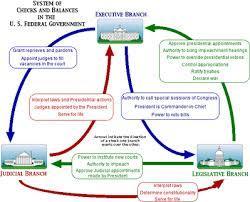
- 9Checks and BalancesThis method is used in our government to make sure one branch is not more powerful than the other two i. e. the executive branch watches the legislative branch, the legislative branch watches the judicial branch, and the judicial branch watches the executive branch.
- 10CongressThis is divided into two branches and is bicameral. These branches are the House of Representatives and the Senate.
- 11Due Process of LawIn the 6th amendment that gives everyone the right to a fair and speedy trial and to have equal rights as everyone else.
- 12EconomicsThe way our government works with this is we are a Capitalist country. Some countries are Communist, some Socialists, etc.
- 13EmancipatedTo be free, Abraham Lincoln did this to the slaves to make them ex-slaves.
- 14EnfranchiseTo give the right to vote. Blacks were having trouble voting because whites weren't giving them the rights (black codes).
- 15EnumeratedListed; the Constitution states this in the ninth amendment.
- 16FederalismOur government uses this to have the federal government have the most power, then the state government, then the local government.
- 17Forty-ninersThis was someone who moved out to California during the 1849 Gold Rush.
- 18Free EnterpriseWhen private businesses can do what they want without the government getting too much in the way.
- 19Habeas CorpusThis is another saying for due process and the right to a fair and speedy trial. Abraham Lincoln took this away during the Civil War so that Copper Heads who were spies would stay in jail.
- 20IndustryUsing raw material and making it into goods and services.
- 21JudicialThis was a branch in the government that dealt with trials and the decision on whether to incriminate or not. The Supreme Court is a part of this system.
- 22Ku Klux KlanThis was a group of white supremacists that started in Tennessee. They were incredibly violent and used white hoods to mask their faces.
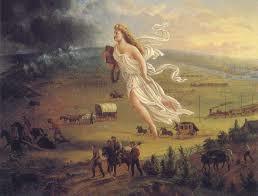
- 23Manifest DestinyThis was the idea that white people should be able to get money, shelter, food, and land as long as they worked hard. This however, forced the Native Americans out of their own home.
- 24MartyrSomeone who is killed for their beliefs- John Brown was considered one of these.
- 25MonopolyThis was a business tactic that was used (and is maybe still used) that's illegal where one business buys out all the rest and owns everything and can control the prices of all products unfairly. Rockefeller used this tactic to get very wealthy very fast.
- 26NomadicSomeone who moves a lot and is on the move, they don't get settled easily.
- 27OverrideThis is something the legislative branch can do if a president has vetoed a bill. They vote and it has to be a 2/3 majority.
- 28Popular SovereigntyThe government gives the people power because the people get to elect their representatives to vote on important issues.
- 29RatifyTo make something (like a bill) official.
- 30RadicalTo have an extreme view on- the Radical Republicans wanted serious consequences for the South in the period of Reconstruction.
- 31RepublicanismRepresentatives being chosen to represent a group of people using Popular Sovereignty.
- 32Robber BaronSomeone very wealthy being seen as having dirty money because they cheated their way to the top by stepping on people and not treating their workers right. Opposite: Captain of Industry
- 33RuralCountryside rather than in town or Urban. The rural places in the Industrial Revolution were important, but was one of the things that led to the Civil War because they wanted more slaves to keep up the machines.
- 34Separation of PowersHaving three branches to the government: legislative, judicial and executive.
- 35Social DarwinismThe theory that when choosing people for jobs and businesses, we resort back to Darwinism and survival of the fittest to try and pick the best candidate. Race, gender, and overall appearance play serious factors in this.
- 36SuffrageThe right to vote-that's why they called it women's suffrage or suffragists.
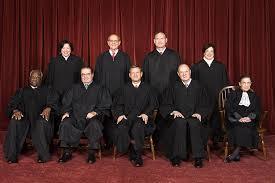
- 37Supreme CourtThis is a part of the Judicial branch and is the highest judicial court.
- 38TariffA fee that needs to be paid for certain goods.
- 39Taxation Without RepresentationWhen taxes are changed on products without the public being consulted about it-the British with tea.
- 40Trade UnionThis is another way of saying labor union where workers come together to make sure they get fair working conditions and fair pay. They can also be bad because they can run companies out of business by asking for too much and can make companies resort to out sourcing.
- 41UrbanThis is where the city is and in the Industrial Revolution, this is where all the factories were and they were the ones to not need as many slaves and started seeing it as wrong.
- 42VetoTo reject-the 17th president, Andrew Johnson was nicknamed the veto president for how many bills Congress tried to get him to pass, but he wouldn't.
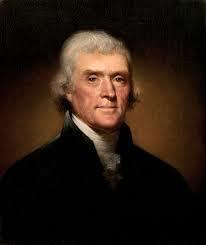
- 43Thomas JeffersonOne of the founding fathers and was the author of the American Constitution.
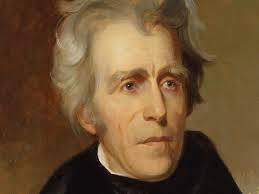
- 44Andrew JacksonThe first 'common man' president. He was the seventh president and was known for signing the Trail of Tears and founding the Democratic party.
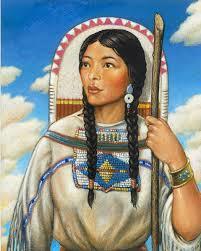
- 45SacagaweaA Native American girl who went with Lewis and Clark on their journey to find the Northwest Passage. She was their translator and showed them the beauty of the journey.
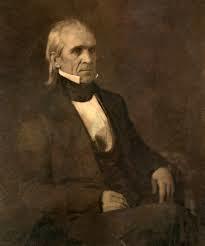
- 46James PolkHe was the 11th president and was a part of the 54-40 or fight deal with Oregon. He was known as Mr. Manifest Destiny because he gained the most land of any president.
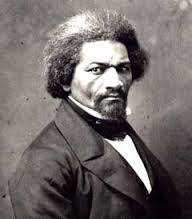
- 47Frederick DouglassHe wrote a narrative about his life that was self titled about his time being a slave. This opened the eyes of the North and persuaded them to push back against the South about slavery and start a civil war.
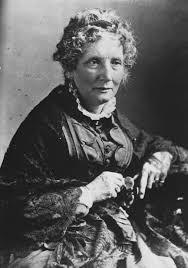
- 48Harriet Beecher StoweShe was a Northern white woman who wrote Uncle Tom's Cabin based on her experiences in the South and changed how Northerners thought about slavery. When she met Abraham Lincoln, he said to her, "So you're the girl who started this war."
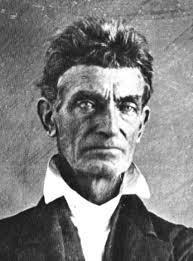
- 49John BrownHe was an extremist and participated in Bleeding Kansas. He believed the only way to stop slavery was through violence and was seen as a martyr.
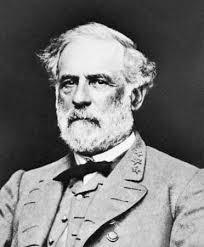
- 50Robert E. LeeHe was the general of the strongest army on the Confederate side and went to West Point.
- 51Andrew JohnsonHe was the 17th president and was known as the 'Veto President' because he vetoed so many of Congress's bills during the Reconstruction time period. The only reason he was president was because Lincoln was assassinated five days after Reconstruction began and he happened to be the vice president.
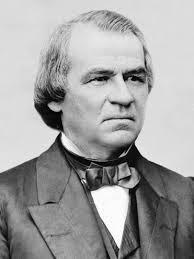
- 52Susan B. AnthonyShe was a women's rights activist/suffragist and organized the first meet at Seneca Falls.
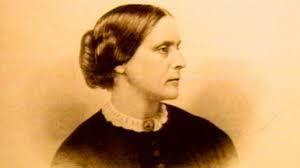
- 53Sitting BullHe was a leader for the Native American community. He was a part of some of the last violent protests from Native Americans. At Wounded Knee, he was killed.
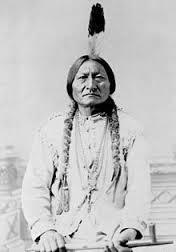
- 54George CusterFamous for Custer's Last Stand against Native Americans. He was at the battle of Little Bighorn and was notoriously defeated.
- 55Cornelius VanderbiltHe was one of the four men who 'built America'. He could be seen as a Robber Baron or a Captain of Industry. He got rich by first working with steamships and then in the 1860s working in the railroad industry.
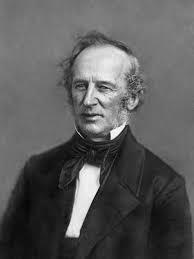
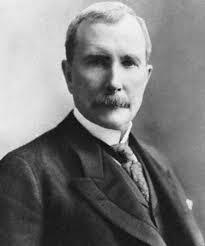
- 56John RockefellerThe richest man still today in the world. He was one of the men who 'built America'. He got his money from the railroad industry, but was most well known for how he monopolized the market and was responsible for most laws that have been made since about monopolies.
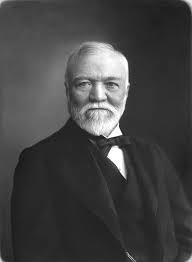
- 57Andrew CarnegieOne of the four men who 'built America'. He was the first person to invent a way to make steel that was fast and cheap which skyrocketed his career. However, he was horrible to his workers and was more well known as being a Robber Baron.
- 58JamestownAlong with Plymouth, was the first town the pilgrims came to to get away from the British.
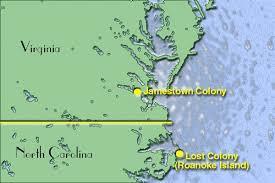
- 59PlymouthAlong with Jamestown, was the first town the pilgrims settled in to get away from the British. This place was disease-ridden and disgusting.
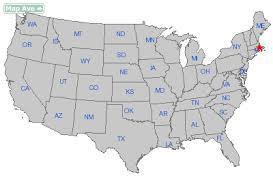
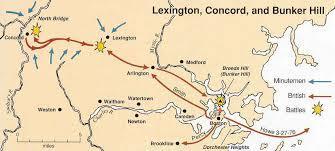
- 60Lexington and ConcordIn Massachusetts, this was where the first battle of the Revolutionary War.
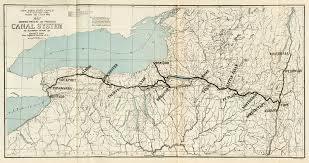
- 61Erie CanalThis passage connects the waters of Lake Erie to the Hudson River. This was important because steamboats were increasing in popularity and was a quicker way of transportation.
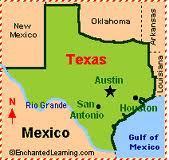
- 62The AlamoThis was a church in Texas where a battle took place during the Mexican-American war.
- 63Harper's FerryThis was a raid of the Confederates' weapons that was led by John Brown. He was caught here and hung for his crimes.
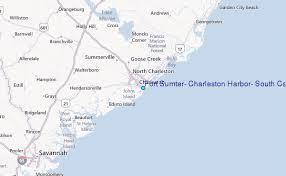
- 64Fort SumterThis is where the first battle of the Civil War took place. This was definitely not the bloodiest battle, but showed this would be a longer war than originally thought because the Confederates won.
- 65GettysburgThis was the bloodiest battle in the Civil War and is where Abraham Lincoln made his most famous speech starting with, "Four-score and seven years ago..."
- 66Appomattox CourthouseThis was the place where the Confederate Army led by Robert E. Lee surrendered to the Union Army led by Ulysses S. Grant.
- 67Ford's TheatreThis is where Abraham Lincoln was assassinated by John Wilks Booth.
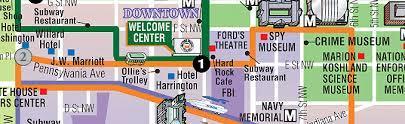
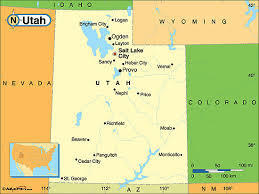
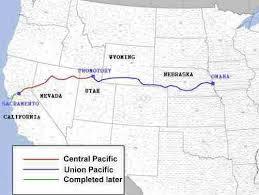
- 68Promontory Point, UtahThis is where, in 1869, the Union and Central Pacific railroads joined. This made the completion of the first transcontinental railroad.
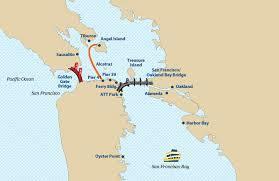
- 69Ellis Island and Angel IslandThese islands are where immigrants were first deported to to try to get into America. They would do all sorts of tests and exams to see if it was safe for the immigrants to come in.
- 70Declaration of IndependenceThis is what the colonists who wanted to get away from Britain made to say they wanted to be another country.
- 71Revolutionary WarThis was the war the patriots fought with the British Army to see whether America would get their independence or would have to stay loyal to Britain.
- 72Articles of the ConfederationThis was America's first constitution, but it didn't go as well as expected because they didn't have an executive branch to enforce laws.
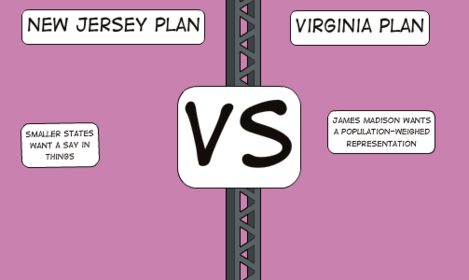
- 73Great CompromiseThis was the compromise struck by Congress to see how the states were going to be represented. They decided to have Congress split into two branches-the Senate and the House of Representatives. The Senate has 100 members-2 per state (to make it fair) while the House of Representatives has 435 members-in ratio to how many people are in each state.
- 74Passing the ConstitutionCongress had to make a new way the government would works so they added things like the Executive Branch and the Bill of Rights to make everyone happy (or as happy as they were going to get).
- 75Adding the Bill of RightsAnti-federalists wanted this added to the Constitution so that there was a set of guidelines for people regarding Congress.
- 76Louisiana PurchaseIn the time of Manifest Destiny, this amount of land was bought by Thomas Jefferson and was the biggest amount of land America had ever purchased.
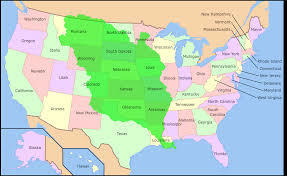
- 77Missouri CompromiseThis was made by Henry Clay to divide the land by slave regulations.
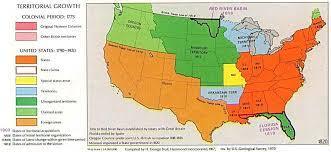
- 78Indian Removal Acts (Trail of Tears)These were signed by Andrew Jackson to make the Native Americans move west to Oklahoma to help with the American dream that was Manifest Destiny (that only white men could achieve).
- 79Mexican-American WarJames K. Polk wanted the land that is now today California, Utah, Nevada, Arizona, and New Mexico so Americans went to war with Mexico and won over land for Manifest Destiny.
- 80California Gold RushThis was in 1848-1849 and was where people were moving westward for gold. When news spread, people became very rich very quickly.
- 81Homestead ActIn 1862 when America still had a lot of land to give away, this was signed by Abraham Lincoln to give any adult who was 18 or older to claim 160 acres of land. This led to the terms Sooners and Boomers.
- 82Industrial RevolutionWhen more advanced technology started to be invented like the Cotton Gin, more people moved East into the Urban cities while Southerners stayed in their farms. This was arguably one of the main reasons the Civil War started. Because there were now faster machines to turn material into goods, whites needed more slaves to keep up with the demands, making slavery bigger than ever.
- 83Underground RailroadThis was started by the Conductor, Harriet Tubman to help slaves escape from their masters. Lots of whites and blacks joined together to save ex-slaves from being killed or worse, sent back to their master. This group saved millions of slaves.
- 84Seneca Falls ConventionThis was the first meeting for women suffragists who wanted equal voting rights. It was started by Susan B. Anthony.
- 85Compromise of 1850It was made by Henry Clay who proposed to abolish the slave trade in Washington D.C. and the Fugitive Slave Act was amended.
- 86Kansas-Nebraska ActIn 1854, this was proposed that with the territories Kansas and Nebraska, white males who were living there would vote to decide if it would allow slavery or be a free state using Popular Sovereignty.
- 87Dred Scott V. StanfordThis was a decision made by the Supreme Court that Blacks were not citizens and didn't have the right to sue in federal court. This sent the North over the edge.
- 88Fugitive Slave ActThis allowed the legalization of runaway slaves being sent back to their master (usually for a reward).
- 89Bleeding KansasBetween 1854-1861, this was when Ruffian behavior was very common in Kansas and there were a lot of violence. When it was announced in 1854 that they were going to decide whether it would be a free or slave state, Northerners came running into Kansas, which Southerners weren't happy about and created a lot of tension.
- 90Civil War1861-1865
This was America's third war and was its bloodiest war. The Confederates-who wanted slavery-lived in the South and fought for slavery while the Union-who wanted freedom-lived in the North. Abraham Lincoln was the president during this time and made several speeches during this time, his most famous one being the Gettysburg Address. This was a sour moment in our history and will never be forgotten. - 91Emancipation ProclamationThis was something Abraham Lincoln enacted to free remaining slaves that were in rebellious slaves needed to be freed. He didn't state they needed to be freed throughout the United States because he didn't want the Border States to think they were being pressured.
- 92Civil War Draft RiotsCongress announced that males ages 20-45 had to be eligible to fight in the war. Once these were trying to be enacted in New York, people started rioting.
- 93Gettysburg AddressThis was Lincoln's greatest speech he ever spoke. He spoke this at the gravesite of all the people that had died in the Gettysburg battle because this was the bloodiest battle of the Civil War. This, on some lists, is number two on the top ten list for greatest speeches of all time.
- 94ReconstructionThis was the time period directly after the Civil War and was a complete failure. Most people blame this on Andrew Johnson who only got elected because he was Abraham Lincoln's vice president when Lincoln was assassinated. Johnson was too merciful during this time to the South and let Black Codes pass and eventually cause the Civil Rights Movement because racism was just getting worse.
- 95Civil War Amendments (13, 14, 15)These are the three amendments that were issued during the time of Reconstruction. The first, abolishing slavery, the second give Blacks citizenship, and the third giving Black males the right to vote.
- 96Completion of the Transcontinental RailroadThe completion of this in 1869 changed the way Americans travel. This was completed in Promontory, Utah and made the first standardized timezones.
- 97Indian WarsThe Americans were trying to make the Native Americans assimilate to their culture, but they didn't want to. This ended up getting violent with many Native Americans dying and almost going to the point of extinction.
- 98Gilded AgeThe time period in American history where the economy was booming and people were either very rich or very poor. People that were very rich included J. P. Morgan, Andrew Carnegie, John Rockefeller, and Cornelius Vanderbilt.
- 99Populist PartyThe common people were unhappy that Robber Barons seemed to be controlling the ways the government was making laws whether using bribery or not. This ended up driving the common people to make their own political party to try to counterbalance this.
- 100Plessy V. FergusonThis was the first very public court case that started the lines of segregation. This was the very beginning, showing that America's racism towards Blacks was not going to stop anytime soon...maybe not ever.
Informationen
- Beschreibung
- Due Thursday, May 14th, 2015. By Jordan Teufel
- Erstellt von
- Jordan Teufel
- Aufrufe
- 25
- Tags
- Bewertung