
Karteikarten
Chapter 9 Psych. Flashcards
Karten in diesem Stapel (60)
- 11. Developmental PsychologistDevelopmental psychologists study and research how humans mature throughout their lives
- 22. Nature vs. NurtureWhat makes us who we are and drives how we behave, our genes (nature) or our experiences (nurture)
- 33. Cross-sectional researchA type of study in which people of different ages are examined at the same time(s)
- 44. Longitudinal StudyWhen people are studied, and restudied over a period of time.
- 55. Zygote, embryo, fetusZygote: What a female egg is classified as after it becomes fertilized
Embryo: An organism in the early, prenatal stage from about 2 weeks to 2 months after fertilization is an embryo
Fetus: the longest stage of prenatal, human development that lasts from 9 weeks after conception to birth. - 66. TeratogensToxic substances that can harm the fetus (ex. drugs, alcohol, nicotine, viruses, etc.)
- 77. Fetal Alcohol Syndrome (FAS)A set of physical and mental birth defects that can result from a woman drinking alcohol during her pregnancy
- 88. Rooting ReflexA baby's tendency to turn its head toward things that touch its cheek
- 99. Moro ReflexActivated when support for the neck and head is suddenly removed. The arms of the infant are thrust outward, and then appear to grasp onto something
- 1010. Babinski ReflexAn infant fans out its toes in response to a stroke on the outside of its foot.
- 1111. Harry Harlow's attachment researchBaby monkeys were separated from their mothers given two surrogate mothers - one made out of wire, and another made of terry cloth
- 1212. Contact ComfortThe physical and emotional comfort that an infant receives from being in physical contact with its mother
- 1313. Konrad Lorenz & imprintingKonrad Lorenz was an Austrian scientist; imprinting is when certain birds and mammals form attachments during a critical period very early in their lives.
- 1414. Critical PeriodA specific time during which an organism has to experience stimuli in order to progress through developmental stages properly
- 1515. Mary Ainsworth/ "Strange Situation"She put a baby in an unfamiliar room (for a little while with her mother, and then with a stranger) to see how to baby would react in both situations
- 1616. Secure AttachmentsAn emotional bond between children and caregivers
- 1717. Avoidant attachmentsa type of childhood insecure attachment style
- 1818. Anxious/ambivalent attachmentsa type of childhood insecure attachment style
- 1919. Authoritarian (parenting style)Sets rigid rules, enforce strict punishments, rarely listens to child. Child of this type of parent tends to be moody, aggressive, and often lack good communication skills
- 2020. Permissive (parenting style)Sets rules, but allow their kids to make their own decisions, *children of this type of parent tend to be impulsive, immature, and often fail to respect others
- 2121. Authoritative (parenting style)Sets firm rules, makes reasonable demands, children of this type of parent tend to be well-adjusted, goal-oriented, and socially competent
- 2222. Sigmund FreudHe is known as the Father of Psychoanalysis
- 2323. Jean Piaget's Theory of Cognitive Development4 Stages
"Learning Formula"
Small People Can Formulate
1. Sensorimotor (0-2 yrs)
2. Preoperational (2-7 yrs)
3. Concrete Operational (7-11 yrs)
4. Formal Operational (11+ yrs) - 2424. SchemaA mental concept that informs a person about what to expect from a variety of experiences and situations
- 2525. AssimilationProcess of absorbing new information from existing schemas
- 2626. AccomodationHappens when children change their old schema, or develop new a one to incorporate new information.
- 2727. Sensorimotor StageAccording to Jean Piaget, from birth to approximately age 2 learn to coordinate all their sensory experiences (sights, sounds, etc.) with their motor behaviors
- 2828. Object PermanenceA developmental term that refers to a child's ability to understand that objects still exist after they are no longer in sight
- 2929. Preoperational StageWhen children believe that inanimate objects have feeling
- 3030. EgocentricAn inability on the part of a child in the preoperational stage of development to see any point of view other than their own
- 3131. AnimismThe belief that objects that are inanimate (not living) have feelings, thoughts, and have the mental characteristics and qualities of living things
- 3232. Concrete OperationsFrom about 7 to 12 years of age; children gain the abilities and mental operations that allow them to think logically about concrete events such as mathematical operations and principles, and conservation
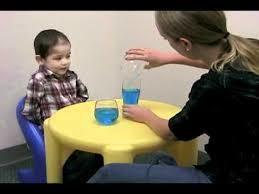
- 3333. Law of conservationA child understands that changing the form of a substance or object does not change its amount, overall volume, or mass (happens between ages 7 and 11).
- 3434. Formal OperationsWhen a person gets to be approximately age 12, they acquire the ability to think logically about abstract concepts
- 3535. Deferred gratification- Stanford University Marshmallow experimentThe ability to put off something mildly fun or pleasurable now, in order to gain something that is more fun, pleasurable, or rewarding later. Marshmallow Test: the experimenter gave four-year-old children a marshmallow and told them that they could either eat the marshmallow now, or wait fifteen minutes until the experimenter got back from doing a task and have two marshmallows.
- 3636. Lev VygotskyA Russian psychologist most known for his sociocultural theories on cognition
- 3737. Zone of proximal development (ZPD)Tasks that are too difficult for a person to learn alone, but can be learned with guidance from someone with experience in the task
- 3838. Erik Erikson's Psychological Development TheoryErikson's theory says we progress 8 stages of development from infancy to old age. At each stage, there is a crisis that has a positive or negative outcome.
- 3939. Trust vs. MistrustAs infants, we depend on our caregivers to provide for our basic needs, and develop trust when these needs are met. Otherwise, we may grow up to be suspicious and mistrustful. (birth-1 year)
- 4040. Autonomy vs. Shame and DoubtAs toddlers, we become willful and curious. If we're restricted, we may develop shame and doubt. (1-3 years)
- 4141. Initiative vs. GuiltAs young children, we engage in play, interaction, and self-expression. Too much criticism can cause guilt. (3-5 years)
- 4242. Industry vs. InferiorityAt this age, we learn to read and create. Positive reinforcement will lead to industriousness. Otherwise, we may feel inferior. (5-12 years)
- 4343. Identity vs. Role confusionAs teens, we typically try to understand who we are, but this can sometimes lead to confusion. (12-18 years)
- 4444. Intimacy vs. IsolationIn adulthood, we often seek intimacy in order to avoid feeling isolated. (18-40 years)
- 4545. Generativity vs. stagnationIn middle adulthood, we focus on establishing our careers and families. If we are unsuccessful, we can feel stagnant. (40-65 years)
- 4646. Integrity vs. DespairAs older adults, we contemplate the integrity of our lives and accomplishments. If we do not feel accomplished, we may experience despair. (65+ years)
- 4747. Lawrence Kohlberg's Theory of Moral DevelopmentThis theory made us understand that morality starts from the early childhood years and can be affected by several factors.
- 4848. Preconventional StageThe first level of Kohlberg's moral development taxonomy where individuals' ethical principles are guided by the consequences of the action and the benefit awarded to him or herself
- 4949. Conventional Stagethe second stage in Kohlberg's stages of development which explains the development of moral judgment and ethical reasoning in individuals
- 5050. Postconventional StageThe third and final level of Kohlberg's moral development taxonomy where individuals enter the highest level of morale development
- 5151. Primary Sex Characteristicsbody structures that are specific to sex (females=ovaries; males=testes)
- 5252. Secondary Sex CharacteristicsPhysical features other than reproductive organs that distinguish men from women.
- 5353. MenarcheA female's first menstrual cycle
- 5454. MenopauseA natural change in a woman's menstrual cycle that occurs as she gets older (usually once a woman reaches her 50s).
- 5555. Social ClockA cultural specific timetable for events to occur (events include marriage, having children, etc).
- 5656. Crystallized IntelligenceThe amount of information you obtain and the verbal skills you develop over time.
- 5757. Fluid IntelligenceYour ability to reason in an abstract way
- 5858. Elizabeth Kubler Ross Stages of Grieving (Giraffe video)Lists the five emotional stages that a person potentially goes through when facing impending death or other catastrophic or life-changing experience
- 5959. IrreversibilityA child's inability to mentally reverse a sequence of events
Ex. A child gets upset when their favorite ball gets flat. - 6060. Criticism of Piaget's theory?1. Piaget underestimated the age at which children meet these milestones.
2. Lev Vygotsky criticized Piaget for not taking in account cultural & social factors