Karteikarten
Key Studies in Memory
Karten in diesem Stapel (13)
- 1Baddeley (1966)Coding in STM and LTM
STM= Acoustic
LTM= Semantic - 2Jacobs (1887)Capacity of STM
Procedure: Digit span
Findings: pp's could repeat back 9.3 numbers and 7.3 letters
- 3Miller (1956)Capacity of STM
7+/-2 Items
- 4Peterson and Peterson (1959)Duration of STM
Procedure: 24 pp's given consonant and 3-digit number to count backwards for 3,6,9,12,15,18 secs
Findings: 80% for 3 secs, 3% for 18 secs
- 5Bahrick et al (1975)Duration of LTM
Procedure: Recognition test, Free recall test
pp's more accurate on recognition test than free recall test
- 6Atkinson and Shiffrin (1968)Multi-store Model of Memory
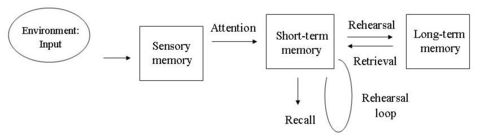
- 7Baddeley and Hitch (1974)Working Memory Model
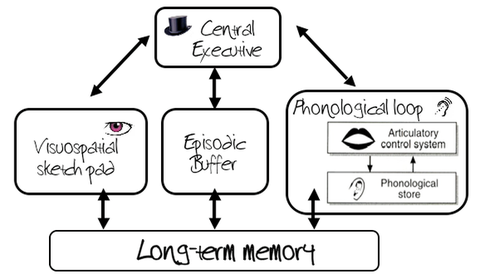
- 8McGeoch and McDonald (1931)Interference
Interference is strongest when the memories are similar- proactive and retroactive interference
- 9Godden and Baddeley (1975)Context-dependent Forgetting
Deep sea divers learned lists on land/underwater
Accurate recall lower in non matching conditions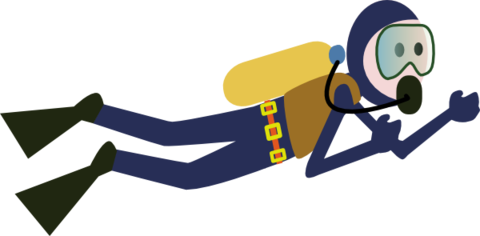
- 10Loftus and Palmer (1974)Leading Questions
Car crash video
Verb 'contacted'- 31.8mph
Verb 'smashed'- 40.5 mph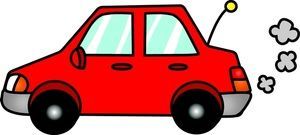
- 11Gabbert et al (2003)Post-event Discussion
Video of crime - two conditions
71% pp's mistakenly recalled aspects picked up in post-event discussion
- 12Johnson and Scott (1976)Anxiety- Negative Effect
Low anxiety- pen and grease
High anxiety- paper knife and blood
Low- 49% correctly identify man
High- 33% correctly identify man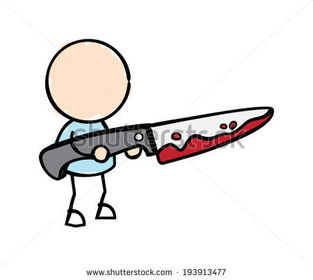
- 13Yuille and Cutshall (1986)Anxiety- Positive Effect
Real life crime in gun shop
pp's who reported high stress were more accurate- 88% compared to 75% for less stress